





 Portuguese
  English
  Spanish
  6 min of reading
  0 comments


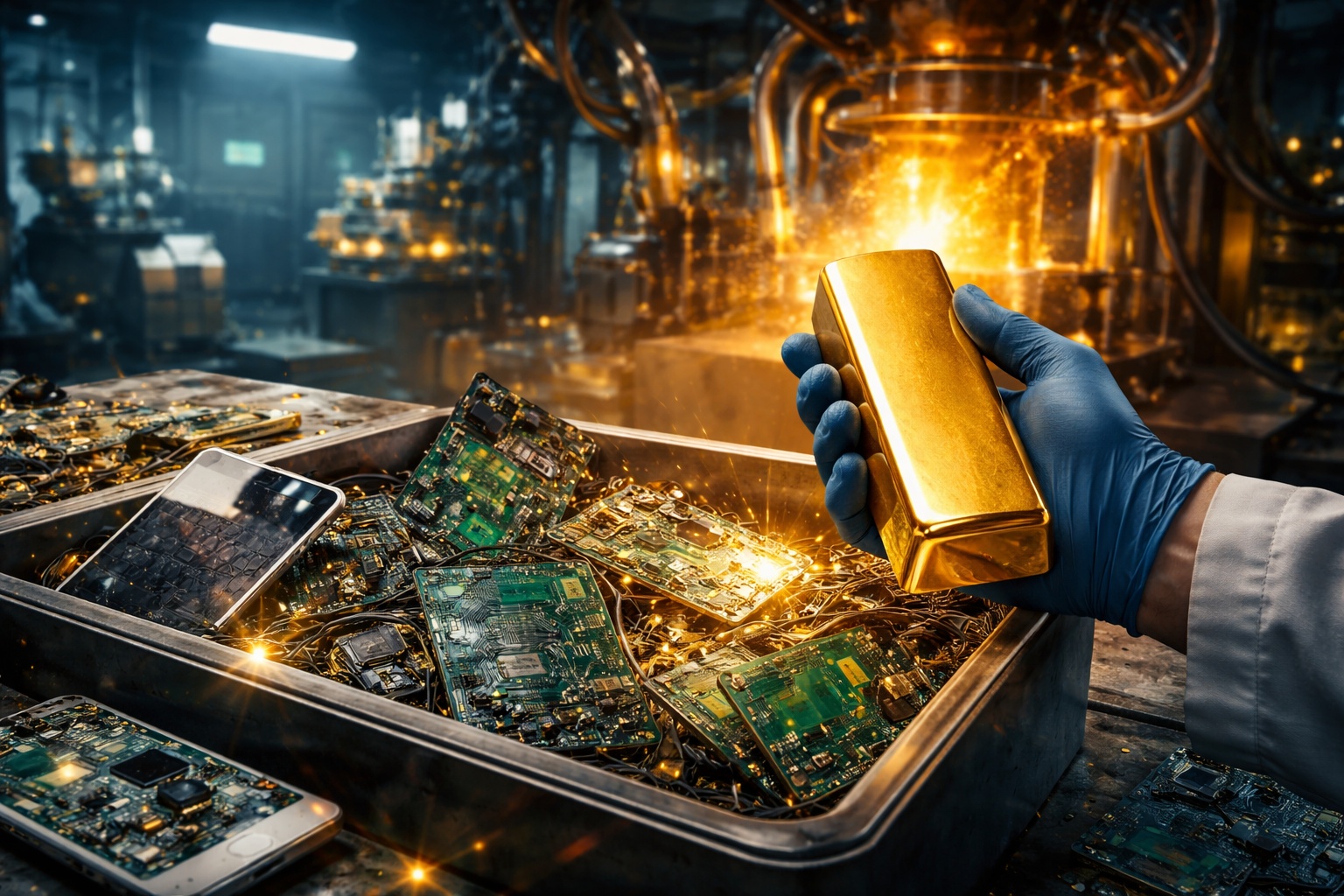
Royal Mint Transforms Discarded Cell Phones And Laptops Into Gold, Processes 4,000 Tons Of Electronic Waste Per Year With 99.9% Metal Recovery And Produces Jewelry From Line 886.
The Royal Mint, the United Kingdom’s Mint, has a history dating back to the year 886 AD, when the Saxon king Alfred the Great consolidated control of England and founded the institution responsible for producing the kingdom’s official currency. For over 1,100 years, the Royal Mint has maintained the same working essence: transforming raw metal into economic value. Initially, coins were manually minted using hammers and rudimentary molds. With technological advancements, the process evolved into hydraulic presses and later into automated production lines.
Throughout the centuries, virtually all pounds sterling circulated have passed through the institution’s facilities. The British Mint has become one of the world’s oldest industrial institutions still in operation. However, the digital transformation of the global economy has presented an unexpected challenge. In 2024, for the first time in over a thousand years of history, the Royal Mint did not produce any 1 penny or 2 pence coins.
Decline Of Physical Money Forces Royal Mint To Reinvent Its Business Model
The decline in the use of physical money in the United Kingdom occurred rapidly. Between 2011 and 2020, the annual production of coins by the Royal Mint fell 65%, plummeting from 1.1 billion units to just 383 million.
-
For decades, a 50-kilometer ring structure in the middle of the Sahara has puzzled scientists: visible from space, it reveals layers of millions of years and turns the desert in Africa into a geological mystery.
-
With an unusual prize, Japan transforms office chairs into a resistance race on the streets, the ISU-1 Grand Prix grows, fills events, and pays 90 kilograms of rice.
-
With a façade that resembles a giant zipper, the building in Milan creates a sense of strangeness, featuring lighting that transforms engineering and attracts the attention of residents and tourists.

-
The Brazilian city has 319 crooked buildings built on sandy soil without proper deep foundations, houses the largest beach garden in the world, with over 5 km, and is still considered the birthplace of surfing — meet Santos, in São Paulo.


At the same time, the population’s payment habits changed drastically. In 2023, physical cash accounted for only 12% of all transactions made in the UK, while contactless payments and cards accounted for about 38% of purchases made in the country.

In light of this scenario, the UK Treasury informed the Royal Mint that there would be no need to produce 2 pence or £2 coins for at least a decade.
Entire production lines were shut down, and about 200 employees needed to be reassigned to new roles.
The institution founded in the Middle Ages was facing an existential crisis: remaining relevant in an increasingly digital economy. The solution found was to look for a new type of precious metal—not in mines, but in electronic waste.
7% Of All The Gold On Earth Is Trapped In Electronic Waste
Recycling industry studies indicate that approximately 7% of all gold ever extracted in the world is currently trapped in discarded electronic devices. Cell phones, laptops, televisions, server boards, and telecommunications equipment use small amounts of gold in connectors, conductive tracks, and solder.
These quantities are tiny in each device, but they become enormous when summed on a global scale. In 2022, the world produced about 62 million tons of electronic waste, an increase of 82% compared to 2010.
Less than 20% of this volume is recycled formally. The remainder ends up in landfills, illegal exports, or incineration—wasting valuable materials estimated to be worth approximately US$ 57 billion per year.
In the UK, a country that generates one of the highest volumes of electronic waste per capita in the world, the amount of precious metals discarded without recovery is estimated at nearly £1 billion per year.
Royal Mint’s Technology Extracts Gold From Electronic Boards With 99.9% Efficiency
To take advantage of this lost resource, the Royal Mint has heavily invested in technology. The institution allocated about £9 million to develop a partnership with the Canadian clean technology company Excir and an additional £17 million in building a new industrial facility in Llantrisant, Wales.
This new factory was built at the same location where foreign coin minting lines previously operated.
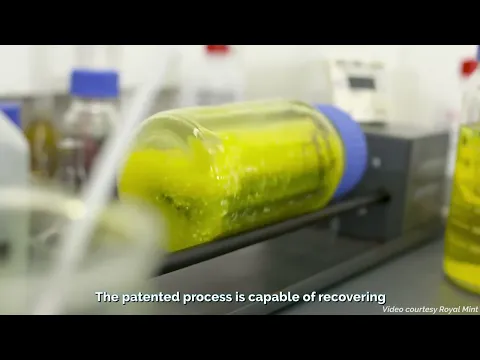
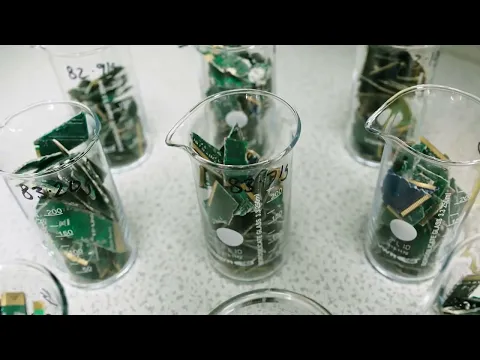
The process begins when electronic circuit boards arrive at the recycling facility. First, the electronic components are mechanically disassembled and separated into different material flows. The parts that contain a higher concentration of gold go to a specialized chemical reactor.
Excir’s patented technology uses a selective chemical leaching process that can dissolve gold in a matter of minutes. Unlike traditional metallurgical industry methods, the process operates without extreme temperatures and without the highly toxic acids used in conventional hydrometallurgy. After dissolution, the gold is precipitated from the liquid solution, filtered, and refined.
The result is gold with a purity of 999.9 — the same standard used in international precious metals markets. The facility has 3,700 square meters and the capacity to process 4,000 tons of electronic boards per year, with recovery of over 99% of the gold present in the circuits.
600 Discarded Cell Phones Can Generate Enough Gold To Make One Ring
The volume of recovered metal helps scale the recycling operation. Approximately 600 discarded cell phones are needed to extract enough gold to produce a single 7.5-gram ring.
The gold recovered by the Royal Mint is used directly in the production of jewelry from the “886 by The Royal Mint” line, a name chosen in reference to the year of the institution’s founding. The collection was created by British designer Dominic Jones and is largely produced within the factory in Llantrisant.
The pieces include:
- rings
- necklaces
- earrings
- bracelets
- hoops
All are made of solid gold of 9 or 18 carats and sterling silver or Britannia. The 886 line has become the world’s first luxury jewelry collection made entirely from gold recovered from electronic waste.
Royal Mint Receives Electronic Waste From Over 110 Suppliers
To maintain a steady flow of recyclable material, the Royal Mint has established a broad network of suppliers. Currently, more than 110 companies supply electronic boards to the recycling facility.
Among the partners are:
- IT equipment manufacturers
- companies specializing in corporate technology asset disposal (ITAD)
- municipal recycling centers
- government agencies
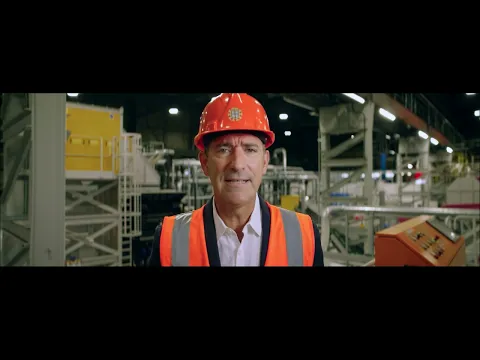
Among the suppliers is also the Ministry of Defence of the United Kingdom, which sends obsolete electronic military equipment for precious metal recovery. In the first full year of operation, about 1,500 tons of electronic boards were processed by the factory.
In addition to gold, the Royal Mint is working on developing additional processes to recover other valuable metals present in electronic boards, such as palladium, silver, and tin.
Royal Mint Expands Circular Economy Model With Precious Metal Recycling
Precious metal recycling has become a central part of the Royal Mint’s transformation strategy. The silver used in some jewelry from the 886 line already comes from another source of circular economy: discarded X-ray medical films, recycled in partnership with Betts Metals since 2023.
This strategy turns industrial waste into valuable raw materials. The Royal Mint has transitioned from coin manufacturer to one of the leading precious metal recycling companies in Europe.
The Royal Mint’s reinvention is not limited to gold recycling. The institution’s commercial division—which includes commemorative coins, precious metals for investment, and collectibles—has exceeded revenue from circulating coin production for several consecutive years.
In the fiscal year 2022-2023, the organization reported operating profit of £17.7 million. At the same time, the traditional production of foreign coins was officially ended in December 2023, marking the end of nearly 700 years of supplying coins to countries around the world.
At the height of its international operations, the Royal Mint produced coins for over 80 countries, including Egypt, New Zealand, Jamaica, and Suriname.
Today, many of the employees who operated minting presses work in completely different areas, operating chemical reactors and metal refining systems recovered from electronic waste.
Growth Of Electronic Waste Could Transform Gold Recycling Into Global Industry
The economic potential of precious metal recycling is enormous. The Royal Mint estimates that if all electronic waste discarded in the UK were sent to formal recovery processes, nearly £1 billion in precious metals would no longer be wasted every year.
Globally, the 62 million tons of electronic waste generated in 2022 is expected to reach around 82 million tons by 2030. The method developed by the Royal Mint and Excir offers significant environmental advantages.
The process operates at room temperature, uses reusable chemical reagents, and does not generate the highly toxic waste associated with traditional metal recovery methods.
Additionally, the by-products of electronic boards—such as glass fiber and industrial plastics—are also directed for reuse.
From Medieval Coins To Gold Extracted From Cell Phones
Throughout over a thousand years of history, the Royal Mint’s mission has always been the same: extract value from metal and put it into circulation. Today, the raw material has changed. Instead of ore extracted from mines, the gold comes from old cell phones, discarded laptops, and obsolete electronic boards.
Instead of coin minting, the institution operates precision chemistry to recover precious metals.
And instead of a newly minted pound sterling, the final product may be a 18-carat gold necklace or ring from the “886” line, discreetly engraved inside with the number representing over 1,100 years of British industrial history.







Seja o primeiro a reagir!