





 Portuguese
  English
  Spanish
  3 min of reading
  0 comments


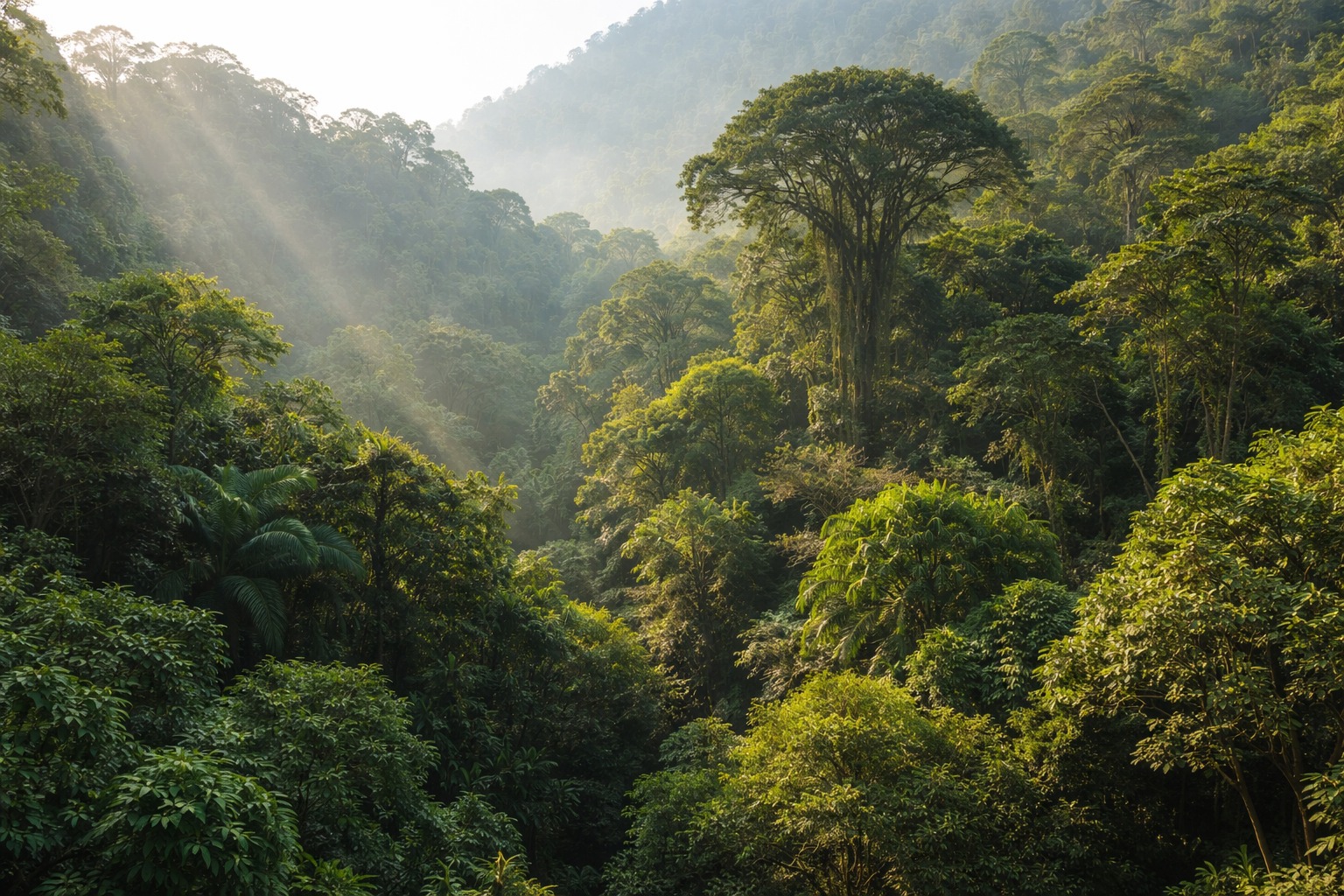
Jequitibá-rosa at 40 Meters Tall and Approximately 500 Years Old Identified at 200 Meters Above Sea Level Within the Pedra Branca State Park, in the Atlantic Forest of Rio de Janeiro
A monumental monumental jequitibá-rosa about 40 meters tall, a colossus approximately seven meters in circumference and estimated to be 500 years old, was identified by researchers from Fiocruz in the Pedra Branca State Park, in Guaratiba, West Zone of Rio de Janeiro.

Discovery of Jequitibá-Rosa Inside the Pedra Branca State Park
The imposing jequitibá-rosa was located inside the Pedra Branca State Park, one of the largest preserved Atlantic Forest areas in the capital of Rio de Janeiro.
The tree belongs to the species Cariniana legalis and was found in a restricted access area of the park.
-
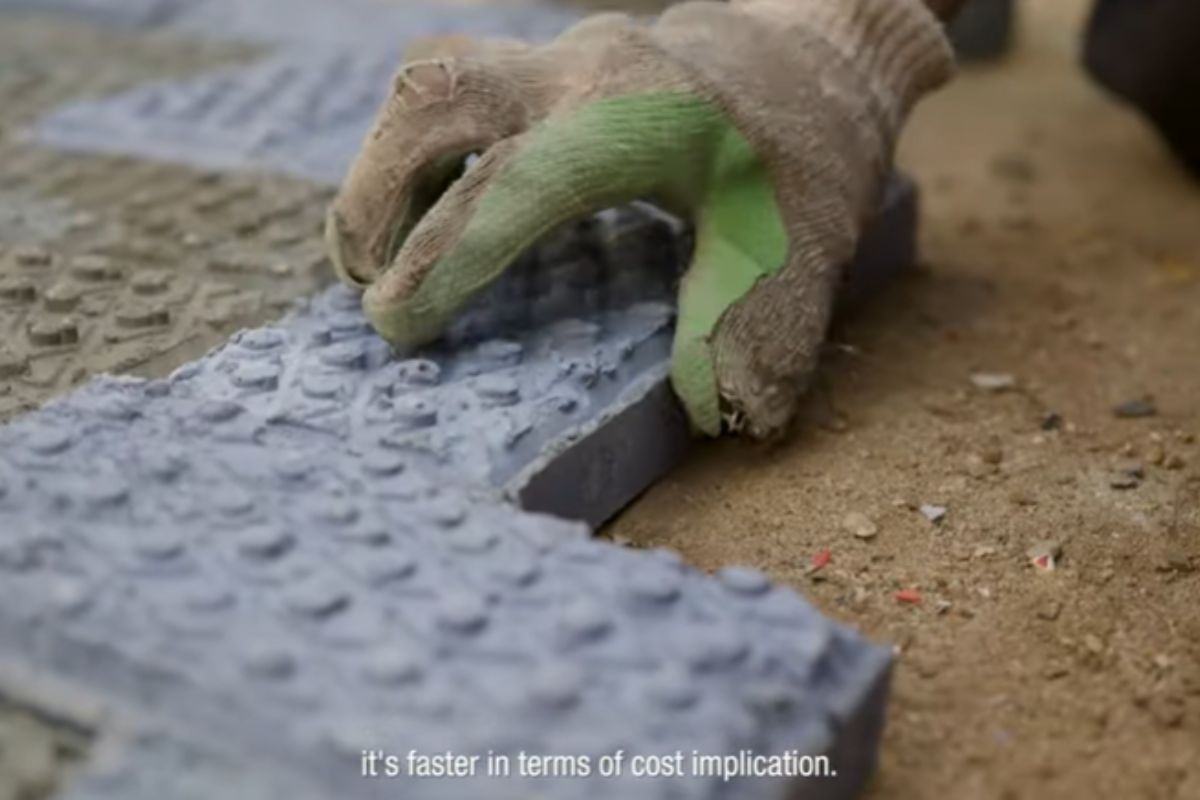
In Kenya, engineer Nzambi Matee created “bricks 2.0” using packaging plastic: a mixture with sand, heated and pressed; they are 5 times more resistant, already have official licensing, and are being used in streets and construction projects.
-
More than 20,000 positions could be opened, and thousands of technicians are starting to be trained in Brazil, as the expansion of data centers creates an urgent race for professionals to keep the internet, cloud, and artificial intelligence running 24 hours a day.

-
China approves the 15th Five-Year Plan 2026-2030 to become a global power: prioritizes brain implants, 6G with AI, humanoid robots, flying cars, quantum technology, and nuclear fusion, while strengthening defense and the economy.

-
HONOR X80i arrives with a massive 7,000 mAh battery, a 120 Hz AMOLED display with a brightness of 6,500 nits, and the new Dimensity 6500 Elite chip, promising up to 22 hours of video playback and impressive performance in casual gaming.


According to researchers, the specimen is situated about one kilometer into the forest and approximately 200 meters above sea level.
The size is impressive: it stands about 40 meters tall, a dimension similar to a 13-story building, with an approximate seven-meter circumference.
The identification was made by researchers from Fiocruz Mata Atlântica, including biologists Monique Medeiros Gabriel, Jaílton Costa, and Thiago Fernandes.
Species of the Atlantic Forest Threatened with Extinction
The jequitibá-rosa is a native and exclusive species of the Atlantic Forest. Over the past decades, the tree has become one of the species threatened with extinction, mainly due to deforestation and logging.
In addition to its ecological value, the identified specimen draws attention for its estimated longevity of about five centuries.
Trees of this species can reach up to 60 meters in height, being considered among the tallest in Brazilian flora.
Researchers emphasize that individuals of this species can live for centuries, also characterizing them as one of the longest-lived trees in the country.
Habitat for Various Fauna Species
The extensive canopy of the colossus jequitibá-rosa occupies the highest layer of the forest, known as the climax stage of forest succession. In this environment, the tree acts as an essential structure for biodiversity.
There are records of howler monkey infants playing with the encapsulated fruits of the jequitibá-rosa, where the tree’s seeds are stored.
Historical Relatives and Centenary Specimens of the Colossus in the Atlantic Forest
The species has other known historical specimens. One of the most famous is the so-called “Patriarch,” located in Vassununga State Park, in the interior of São Paulo.
According to carbon dating, this specimen may be between 600 and 900 years old. Trees of this group belong to the family Cariniana, which includes remarkable species in Brazilian vegetation.
The species Cariniana estrellensis, for example, was chosen as the symbol of the state of São Paulo.
Seed Collection and Restoration Projects
In light of the species’ risk of disappearance, researchers from Fiocruz collected seeds from the jequitibá-rosa found in the park.
The material will be used for producing seedlings intended for forest restoration projects and the reintroduction of the species in degraded areas of the Atlantic Forest.
According to researchers, the discovery reinforces the importance of Brazilian conservation units. The country’s forests still harbor areas little known to most of the population that concentrate ancient and relevant species for biodiversity.
With information from Diário do Comércio.






-

Uma pessoa reagiu a isso.