





 Portuguese
  English
  Spanish
 4 min of reading
  0 comments



The Emergency Helicopter Landing in Itapiúna, in the Palmatória District on November 20, Led to Serious Armed Robbery, Motorcycle Escape, Recovered Items, Videos Collected by Police, and Increased Fear of Crimes in Forced Landings in Football Fields in Isolated Rural Areas of the Interior of Ceará.
The emergency helicopter landing in a football field in the Palmatória community, in Itapiúna, in the interior of Ceará, on November 20, turned a safety maneuver into a robbery scene. After the aircraft touched down due to a problem not yet detailed, passengers were held hostage by armed criminals, had their belongings taken, and watched the robbers escape on a motorcycle within minutes.
The case gained national attention by exposing how an emergency helicopter landing outside of airports and helipads can leave occupants vulnerable in rural areas with no nearby policing. As of December 24, 2025, the Civil Police and Military Police were conducting investigations in the region, with some of the stolen items recovered, one motorcycle seized, and the use of videos recorded by residents as a basis for identifying the suspects, while fear of new actions spreads to other communities in the interior.
How the Emergency Helicopter Landing Occurred in Palmatória
According to the Public Security Secretariat, the helicopter was flying over the Itapiúna region when it needed to make an emergency landing in a football field in the Palmatória district.
-
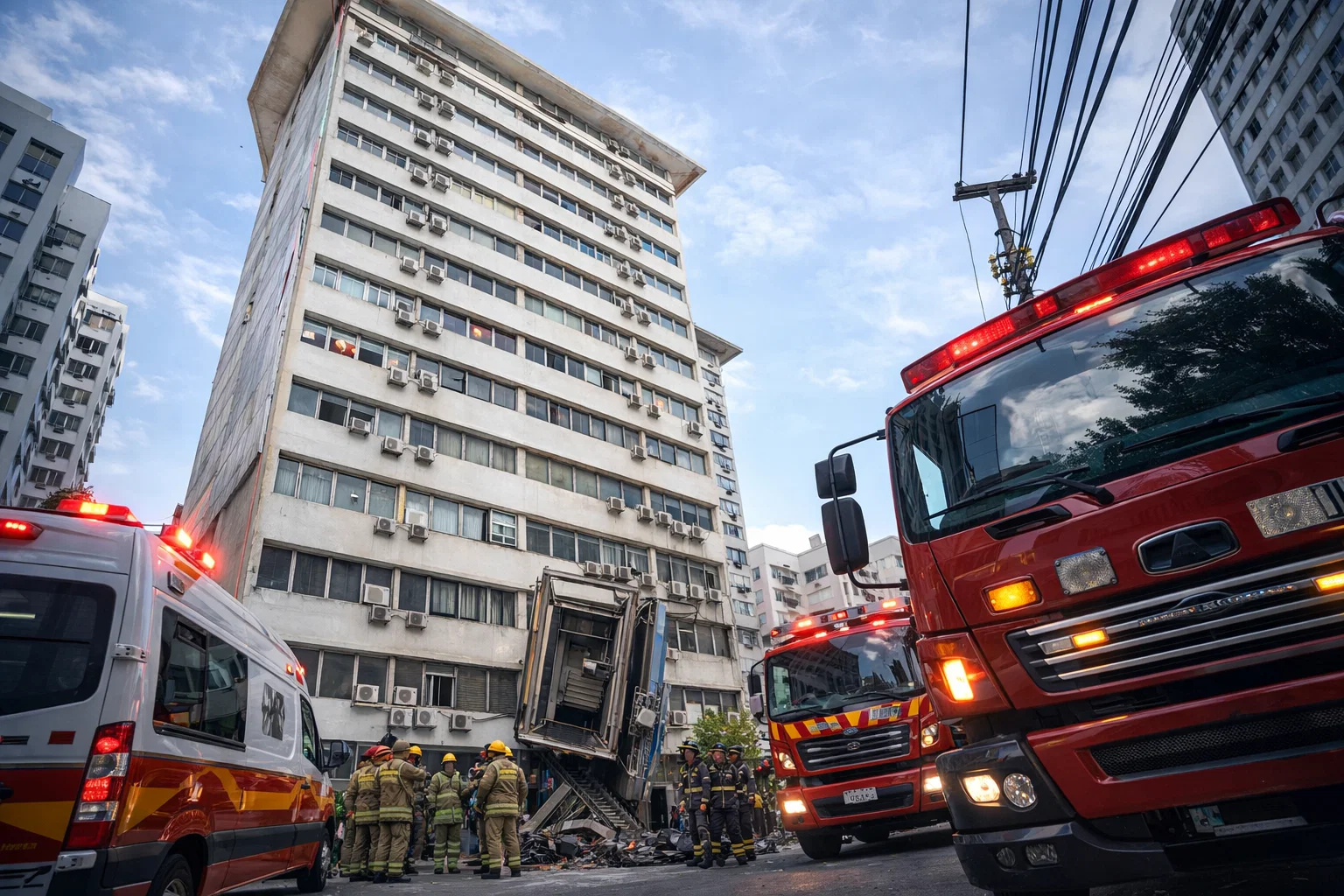
Elevator Plummets From Tenth Floor in Commercial Building in Recife, Raising Concerns About Safety and Engineering of Vertical Transport Systems Used Daily in Urban Buildings
-
Cyclist Hit by Car in Sobradinho, DF Is Rescued After Traffic Accident This Sunday

-
Civil Defense Issues Alert and Advises Evacuation in 51 Streets of Juiz de Fora After Risk of Instability; See the Complete List of Affected Neighborhoods

-
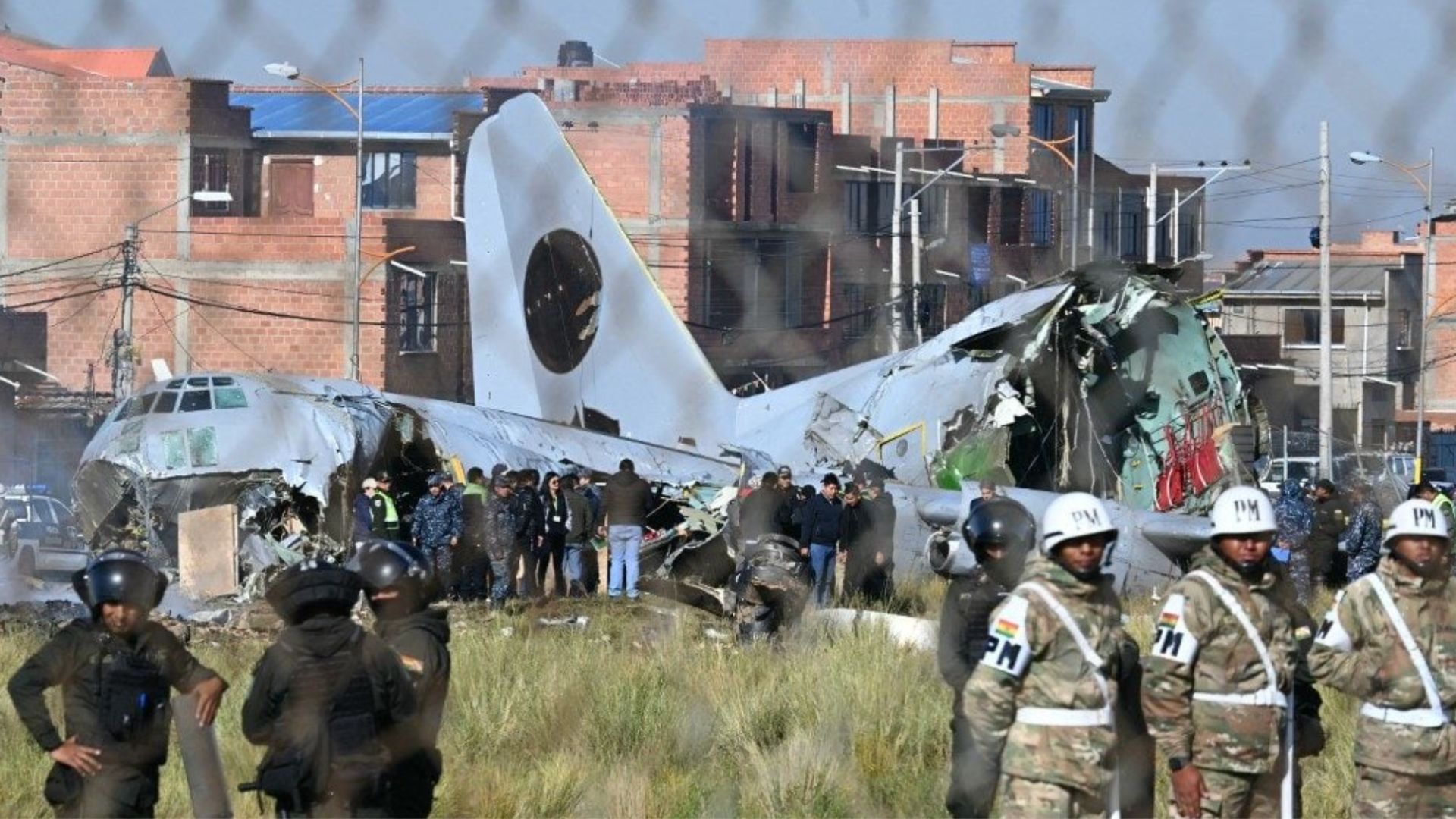
Military Plane With Money Crashes In Bolivia, Leaves 20 Dead And Leads Central Bank To Annul 10, 20, And 50 Bolivianos Notes After Chaos At Airport

The maneuver was described as controlled, with the aircraft descending in an open area to reduce risks to residents and occupants.
The problem that prompted the emergency helicopter landing was not officially detailed, but the crew’s initial priority was to ensure that everyone remained unharmed.
With the aircraft on the ground, passengers began waiting for technical support and logistical assistance, in a typical scenario of an aviation incident in a rural area, far from permanent security structures.
Robbery After the Landing and Dynamics of the Criminal Action


Minutes after landing in the football field, helicopter occupants were surprised by armed criminals.
According to reports collected by the police, the robbers surrounded the passengers, announced the robbery, and collected bags, cell phones, and other personal belongings, taking advantage of the area’s isolation and the absence of nearby vehicles at that moment.
Witnesses reported that the suspects left the scene on a motorcycle, identified as the primary means used both to arrive and to flee the field.
The combination of an emergency helicopter landing, exposure in an open area, and the quick arrival of criminals turned the incident in Itapiúna into an example of an opportunistic crime in rural areas.
Investigation, Videos from Residents, and Recovered Items
The police response was considered swift by local authorities. Military Police teams conducted searches in the region, while the Civil Police took over the formal investigation of the robbery.
In a short time, some of the items taken were located, and a suspicious motorcycle was seized for forensic examination in an attempt to link the vehicle to the group responsible for the attack.
Investigators began working with three main fronts: testimonies from victims and residents, analysis of videos recorded on cell phones, and tracking of recovered items.
The images captured in the Palmatória district help establish the robbers’ movements before and after the football field, while the seized motorcycle is being examined for confirmation of origin, alterations, and any connection to other crimes in the region.
Security Failures in Rural Areas and Lessons from the Itapiúna Case
The Itapiúna episode highlights security weaknesses that recur in emergency helicopter landings outside controlled areas.
In rural locations, the initial priority tends to be to preserve the physical integrity of those onboard, but once the immediate flight risk has passed, the aircraft and passengers remain exposed until security forces arrive, which do not always manage to reach the site quickly.
Public security experts consulted by authorities point to factors such as geographical isolation, delays in vehicle movement, disordered arrival of onlookers, and lack of integrated protocols between aviation and police.
When an emergency helicopter landing occurs in areas with a history of criminal activity, the absence of specific planning increases the risk of robberies, express kidnappings, and other violent actions against passengers and crew.
Fear in Rural Communities and Pressure for New Protocols
Residents of Palmatória and other nearby communities report an increase in fear after the robbery at the football field.
The understanding is that if an armed group managed to exploit the vulnerability of an emergency helicopter landing to act, similar episodes could occur with other aircraft that need to land on farms, rural roads, or sports fields in the interior of Ceará.
From this case, pressure is growing for clear protocols linking landings outside of airports to immediate communication with the police, defining safe routes for vehicles and procedures to isolate the area until specialized teams arrive.
The ongoing investigation should guide recommendations on how to reduce the vulnerability window between the moment when the aircraft touches down and the effective presence of security agents.
Given this scenario, do you believe that emergency landings in rural areas should have standardized police response, with automatic dispatch of vehicles whenever a helicopter lands outside controlled structures?










Seja o primeiro a reagir!