





 Portuguese
  English
  Spanish
 2 min of reading
  0 comments


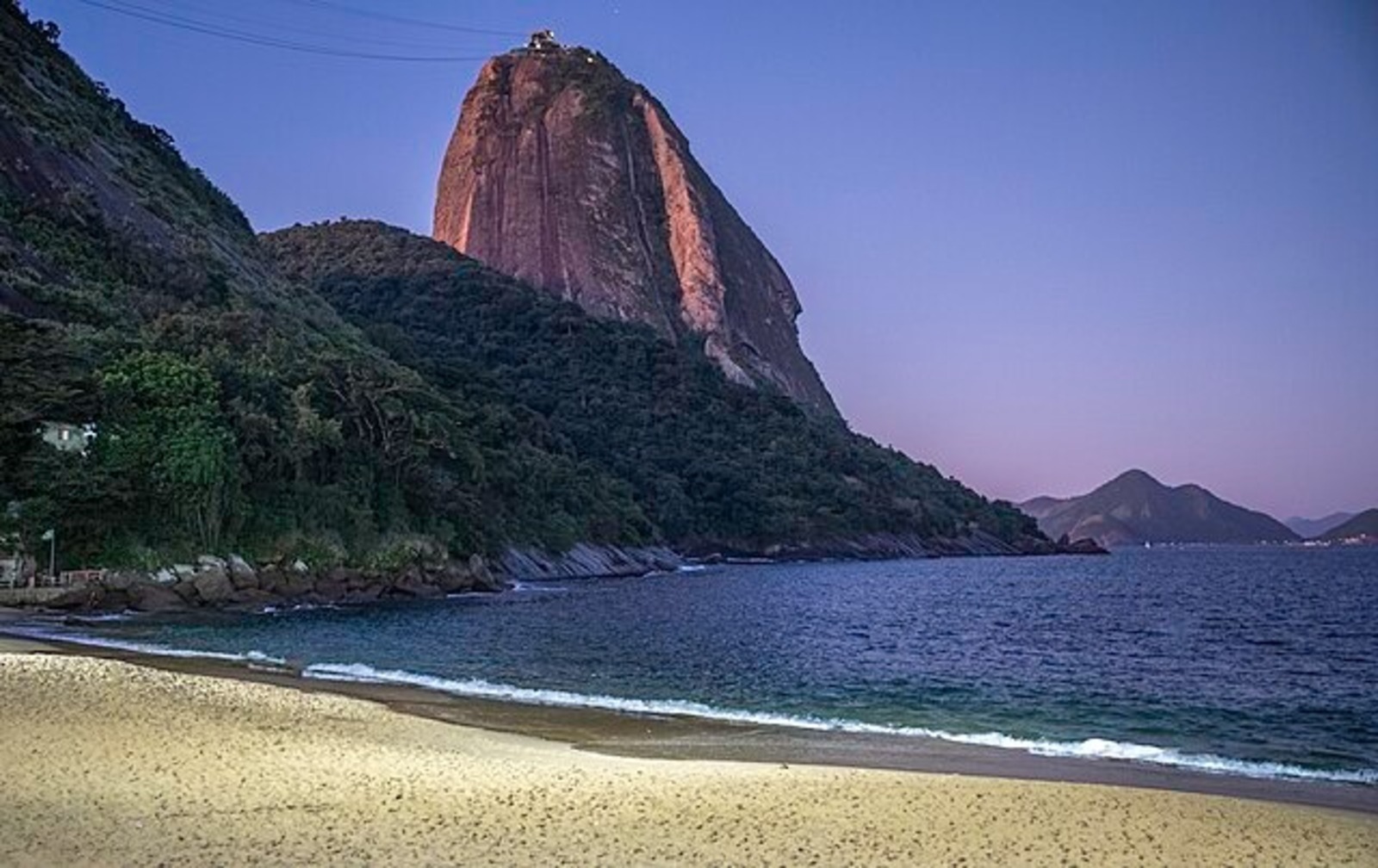
UFRJ Study Reveals That Sea Could Advance Up to 100 Meters Over Iconic Beaches in Rio de Janeiro, Threatening Tourism and Mangroves
The beaches of Rio, including Copacabana, Ipanema, and Leblon, are among the most visited destinations in Brazil and attract tourists year-round. These stretches of sand boost tourism, the local economy, and help build the international image of Rio de Janeiro.
A recent study from the Federal University of Rio de Janeiro (UFRJ) has raised the alarm: much of these shorelines could disappear by the end of the century.
The projection indicates a concerning scenario for the city’s famous postcards.
-
They seemed like common bones, but scientists were surprised to find a relic over 12,000 years old that dates back to before the Bronze Age.

-
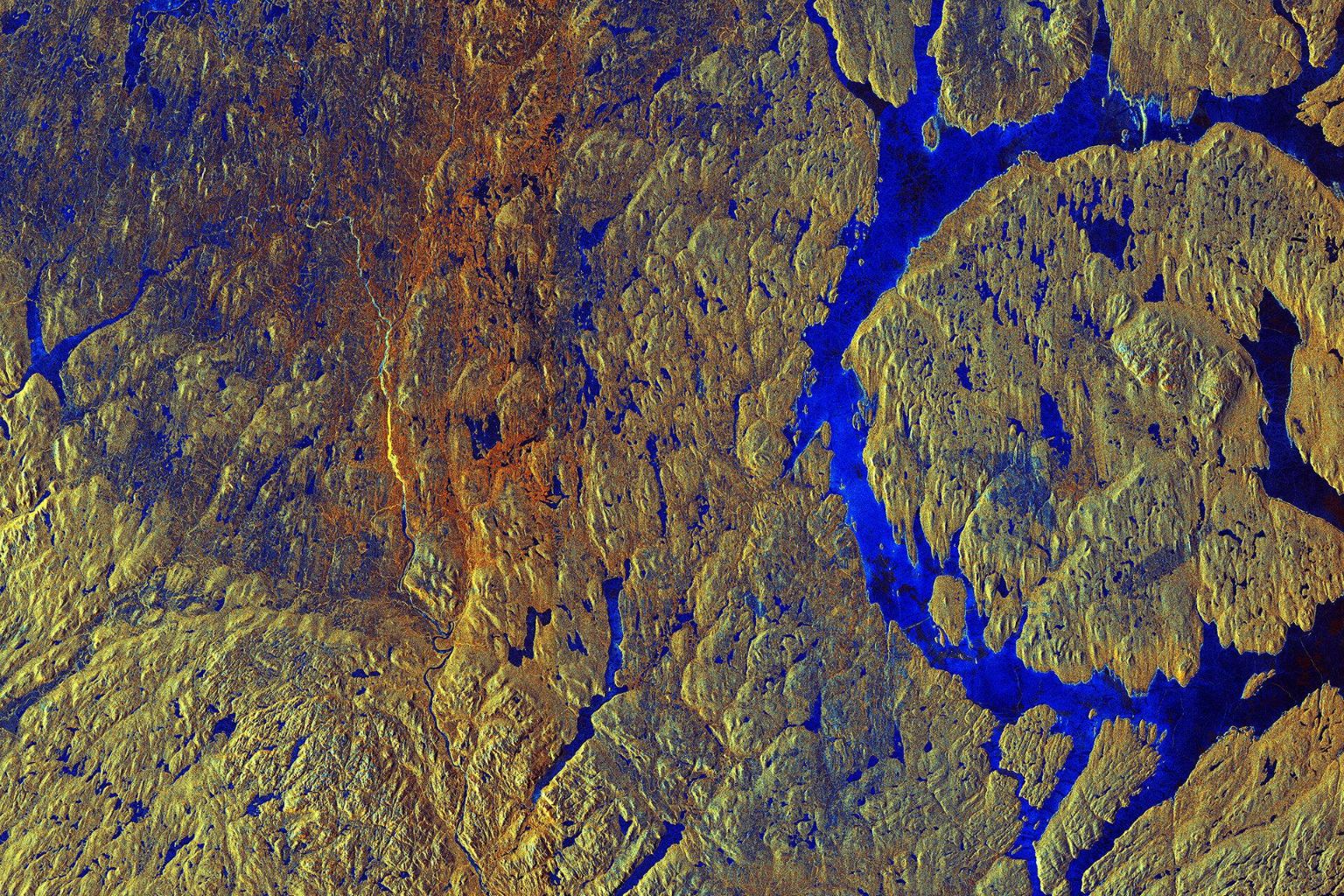
With an almost perfect ring of 70 km visible from space, known as the “Eye of Quebec” and over 100 km in length, the Manicouagan Crater in Canada reveals the colossal mark left by a giant asteroid and has become one of the most impressive formations ever identified on the Earth’s surface.
-
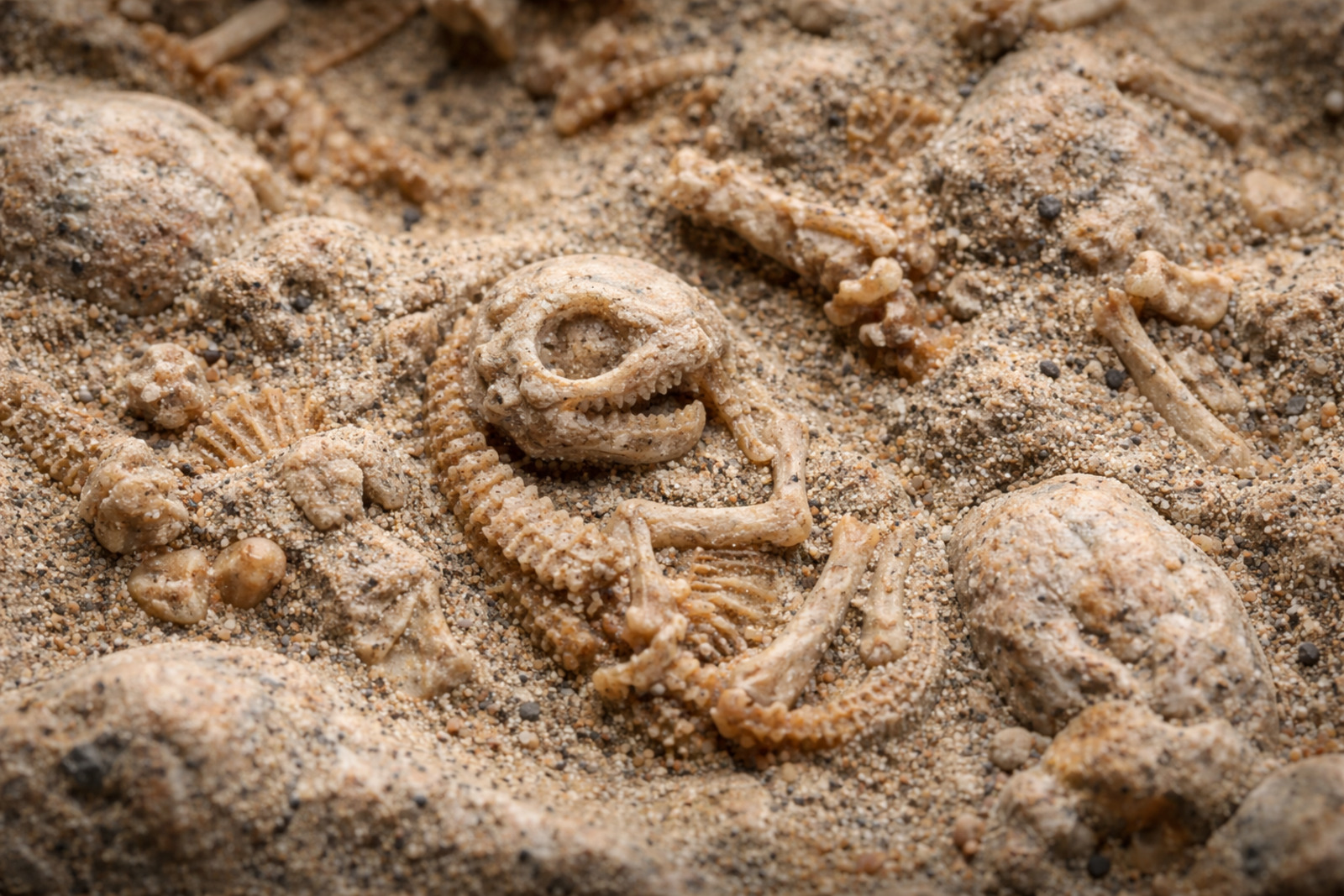
Scientists have found in China dinosaur embryos dating back 190 million years in various stages of development, and the discovery still preserves traces of extremely rare proteins in the bones, something that could change what is known about life before hatching.
-
The CEO of Honor in Spain says that smartphones will change with AI, foldables, and even robot phones; the component crisis is making cheap models more expensive in 2026 and shifting the focus to premium.

Sea Advance Threatens the Carioca Shore
The research indicates that the sea level in Guanabara Bay could rise, on average, by 78 centimeters by 2100. This increase would be sufficient to drastically reduce the beach’s sandy area.
In Copacabana, the loss could reach 100 meters. Meanwhile, Ipanema and Leblon are at risk of shrinking by approximately 80 meters each.
These figures coincide with projections from the Intergovernmental Panel on Climate Change (IPCC), which predicts a global increase of between 28 and 98 centimeters.
Impacts Beyond Tourism
The problem is not limited to leisure and tourism. Mangrove areas also face risks. The Guapimirim Environmental Preservation Area, created to protect the last mangroves of Guanabara Bay, could be partially submerged.
According to experts, the situation may be even more serious than the calculations suggest since ocean warming has already outpaced historical averages.
Global Problem and Local Response
The phenomenon is not limited to Brazil. Regions such as Miami, Barcelona, and the Gold Coast in Australia are already suffering from beach reduction, in some cases losing up to 4.5 meters of sand per year.
The government of Rio claims to monitor climate effects and seeks adaptation strategies. Nonetheless, the UFRJ study makes it clear: without urgent actions, the beaches that today symbolize Rio may not exist for future generations.
With information from TNH1.






Seja o primeiro a reagir!