





 Portuguese
  English
  Spanish
 4 min of reading
  0 comments


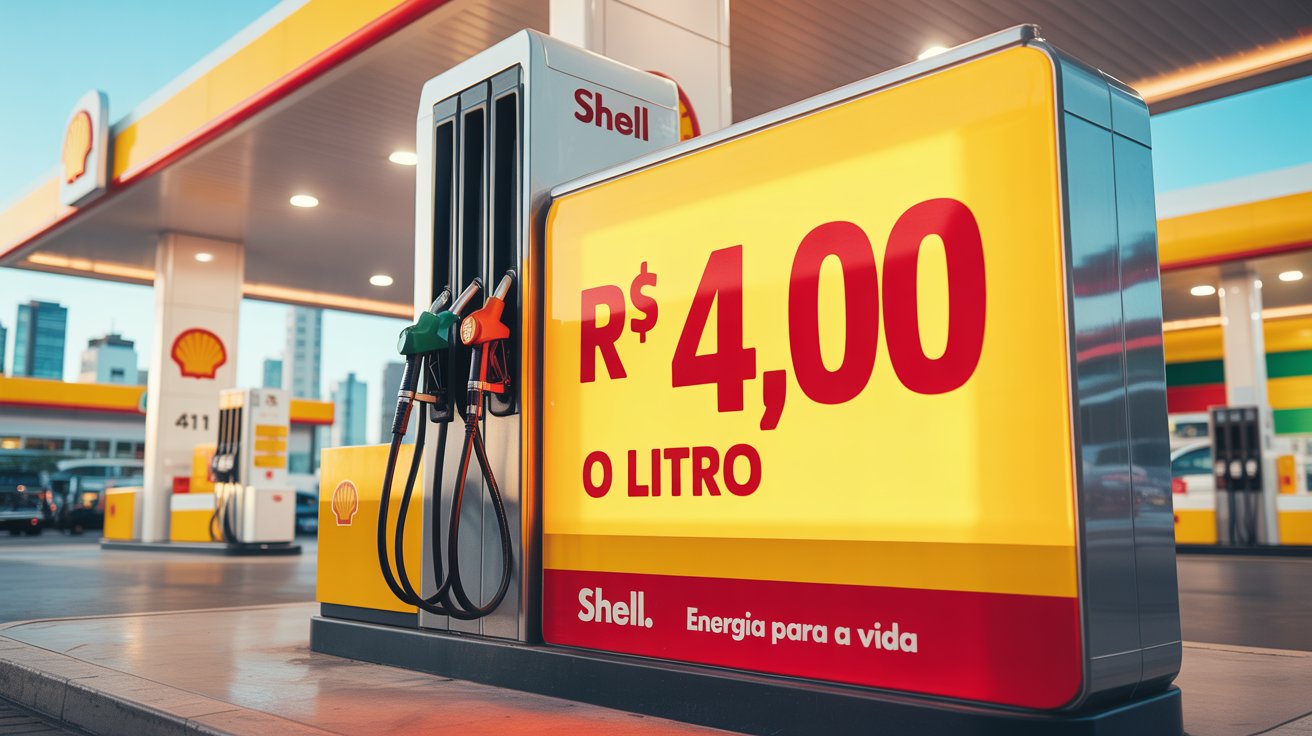
Consumers In São Paulo See Unprecedented Prices For Gasoline And Beverages During National Campaign That Reveals The Real Impact Of Taxes On Various Segments Of Commerce.
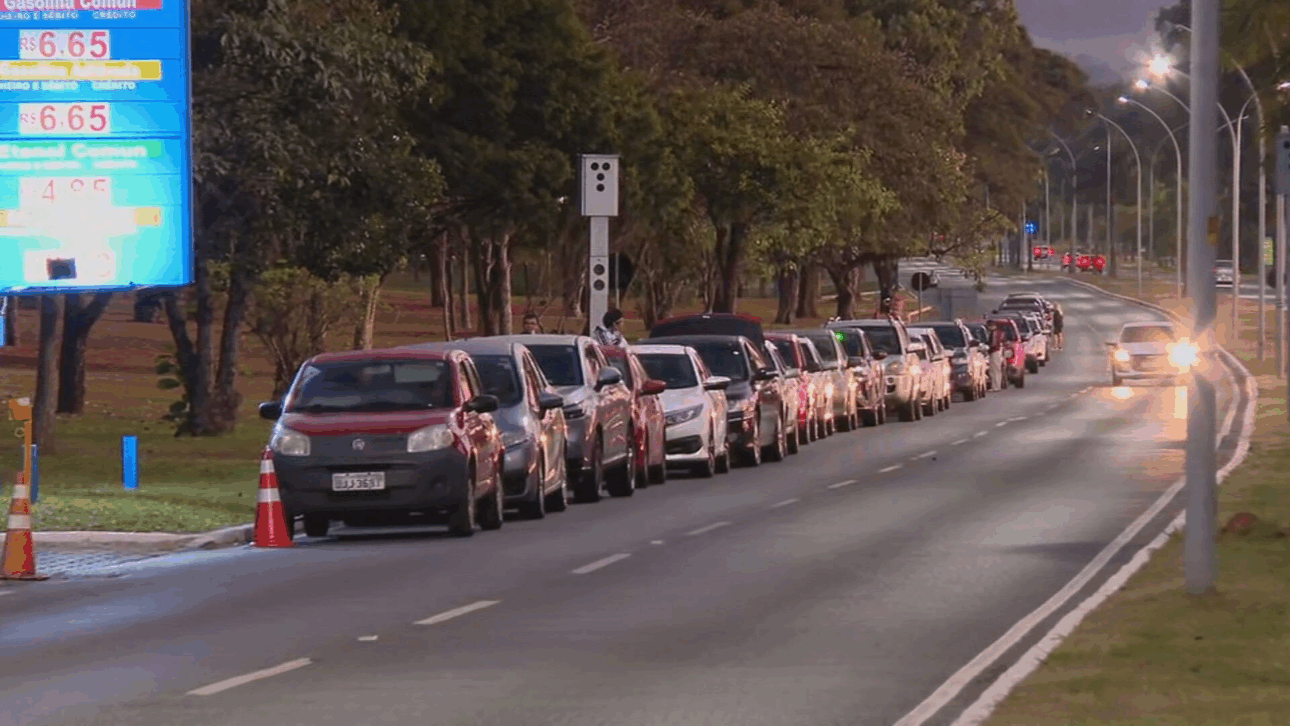
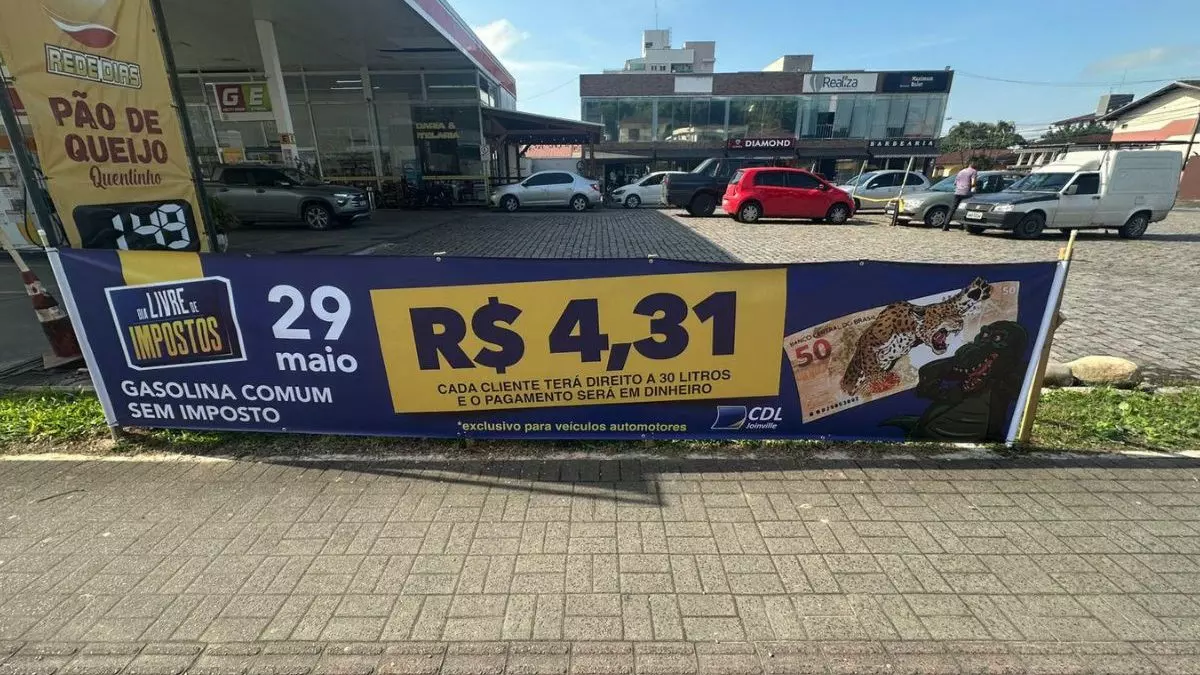
This Thursday (29), residents and visitors of São Paulo were able to witness a historic drop in gasoline prices at gas stations in the capital.
In Morumbi, a neighborhood in the South Zone, a gas station announced the sale of gasoline at only R$ 4.24, a price not seen in the city for a long time.
At the same time, in Vila Madalena, West Zone, a bar stood out by offering draft beer for R$ 7.70.
-
China alone accounts for 70% of trade within the BRICS, while Brazil establishes itself as an essential supplier of food and minerals: understand how the group, which already represents nearly 40% of the world’s GDP, is changing the game.
-
Starting in May, those who do not have registered biometrics will not be able to apply for Bolsa Família, sickness benefits, or unemployment insurance: understand the new rule that changes access to benefits for millions of Brazilians.
-
A new law being voted on in Brazil proposes a minimum fare of R$ 10 per trip and R$ 2.50 per kilometer for Uber and 99 drivers, and promises to ensure they earn as well as taxi drivers did during the golden age of taxis in the country.
-
Bauer Group collapses after failed judicial recovery: 25 years, 800 vehicles, and a network of gas stations leave a debt of R$ 50 million and 100 layoffs, exposing costs, tight margins, and expensive credit in Brazil.

These promotions are part of the “Tax-Free Day” movement, an initiative that gained momentum in Brazil and, according to the National Confederation of Shopkeepers (CNDL), already mobilizes more than 100,000 establishments across the country.
But what explains this significant reduction in prices?
According to the CNDL, the main objective of “Tax-Free Day” is to show the population the impact of taxes on the final cost of products and services.
On this day, retailers, bars, restaurants, and other segments choose not to pass on taxes to consumers, resulting in discounts that can reach up to 70%.
In other words, the prices charged during the event reflect how taxes increase the cost of living for Brazilians on a daily basis.
According to the organization, this mobilization is national: all 26 states and the Federal District have participants, present in about 1,500 cities.
In addition to the capital, promotions can be found in various regions, ranging from street commerce to large shopping centers.
The impact of the movement goes beyond commerce and awareness.
For consumers, the chance to acquire products and services at prices far below normal is a relief, especially in a time of high inflation and constant increases in the prices of fuels, food, and other essential items.
How Does Tax-Free Day Work?
The “Tax-Free Day” is a date created for consumers to better understand how much of the amount they pay for purchases goes to public coffers.
In Brazil, the tax burden is one of the highest in the world, accounting for more than 30% of Gross Domestic Product (GDP).
According to data from the Brazilian Institute of Planning and Taxation (IBPT), Brazilians pay an average of 35% in taxes embedded in products.
On the day of the campaign, participating establishments waive the margin that corresponds to federal, state, and municipal taxes.
This includes taxes such as ICMS, IPI, PIS, Cofins, ISS, and others that are part of the final price.
In addition to gas stations and bars, the movement encompasses a wide variety of segments, including accessories, clothing, electronics, pharmacies, stationery, pet shops, supermarkets, services, and more.
Who Participates?
According to the CNDL, the list of participants is extensive and includes various types of establishments.
See some of the sectors that joined the initiative this year:
- Accessories
- Bars And Restaurants
- Beauty And Fragrance
- Bags And Backpacks
- Toys And Baby
- Bedding, Tableware And Bath
- Home And Construction
- Cell Phones And Accessories
- Digital Certificates
- Car Dealerships
- Appliances And Small Appliances
- Sports
- Pharmacies
- Games And Computers
- Books
- Furniture And Decor
- Workshops
- Stationery
- Pet Shops
- Watches
- Various Services
- Supermarkets
- Supplements
- TVs And Accessories
- Clothing
- Audio
- Optics And Jewelry
This diversity shows how the movement aims to reach as many consumers as possible and demonstrate the extent of taxes in Brazilian commerce.
Consumer Reactions
According to a survey by the CNDL, the expectation for “Tax-Free Day” is that more than 2 million people will make purchases and contract services without the incidence of taxes.
For many, the experience is an opportunity to buy products that would normally be out of budget.
In the case of gasoline, the drop to around R$ 4 per liter caught the attention of drivers who took advantage to fill up their vehicles.
Economists say that, while it is a one-off event, “Tax-Free Day” serves to reinforce a longstanding debate in Brazil about the high tax burden and the need for a broad and fair tax reform.
Why Are Taxes So High In Brazil?
The Brazilian tax system is complex and fragmented, with taxes levied at different levels of government and on various bases of calculation.
In addition, the lack of transparency and bureaucracy hinder understanding among consumers and businesses.
As pointed out by the Federal Revenue Service, the money collected through taxes is allocated to essential areas such as health, education, security, and infrastructure.
However, the population’s perception is that the burden is high and often inefficient.
What To Expect In The Coming Years?
With public pressure and ongoing debates in Congress, there are projects underway to simplify the Brazilian tax system.
These reforms aim to unify taxes, reduce bureaucracy, and lessen the burden on consumers, making the system more transparent and fair.
Until then, initiatives like “Tax-Free Day” gain traction as ways to alert the public and the government to the impact that taxes have on the cost of living in the country.
And you, have you taken advantage of any promotions from Tax-Free Day? How do you think this initiative could help improve the Brazilian tax system?







Seja o primeiro a reagir!