





 English
  Francês
  Alemão
  Italiano
  Japonês
  Norueguês
  Portuguese
  Spanish
  4 min of reading


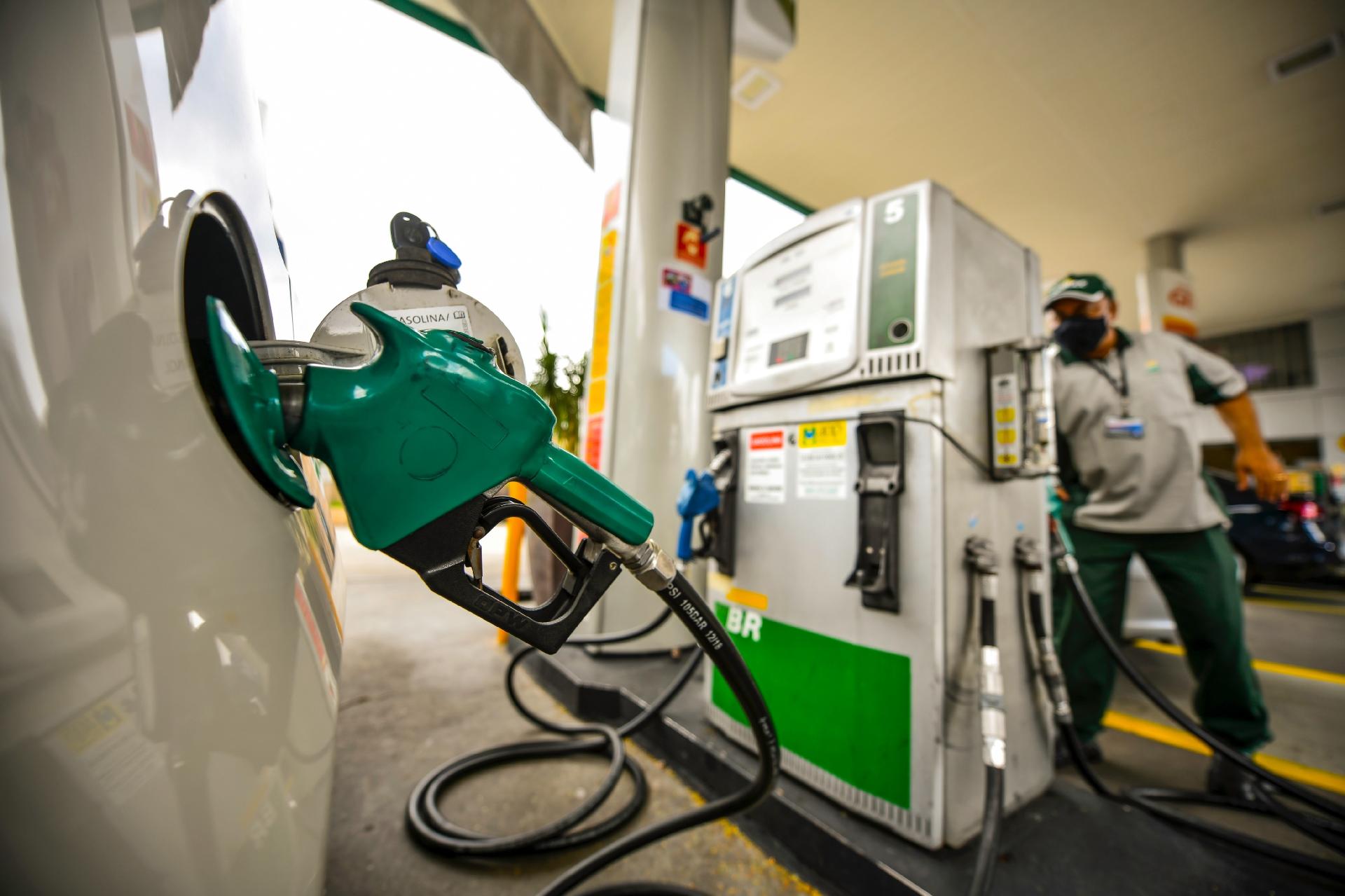
No Brazilian State Showed a Drop in the Price of Gasoline. Ethanol Registered a Drop Only in Rio Grande do Norte and Sergipe
The month of November closed with the price of gasoline rising at all Brazilian pumps, according to the Ticket Log Price Index (IPTL). With an average price of R$ 6.926, the fuel had an increase of 7.42% compared to the national average closing in October, a period in which it already registered a value of R$ 6.447.
Read Also
- Bill to Change the Fuel Price Policies for Gasoline and Diesel Practiced by Petrobras and Tax Oil Exports Will Be Voted Next Tuesday (07/12)
- Inflation, Rising Gasoline Prices, Ethanol, Diesel, CNG, and the Disappearance of New Car Models on the Market Leads Consumers to Buy Over 5.4 Million Used Cars from January to June This Year
- Operation of the National Agency of Oil and Gas Closes Gas Stations in São Paulo; Fines Can Reach R$ 5 Million in Addition to Suspension of Operations
- Petrobras Needs to Raise Gasoline Prices by 6% to Eliminate the Gap Between Domestic Fuel Prices and International Quotations
- Brazilians Rush to Buy Gasoline for Half the Price, and Fuel Is Limited to 15 Liters to Avoid Shortages in Porto Iguaçu – Argentina
Ethanol Also Experienced Consecutive Increases with an Average Price of R$ 5.853
“This is the eighth consecutive increase since April, the last month we saw a decrease in gasoline prices, when the liter was sold for R$ 5.699. Compared to November 2020, when gasoline averaged R$ 4.622 in Brazilian stations, the increase was 49.8%. Even so, when we consider the 70/30 ratio, the fuel is the most advantageous option compared to the ethanol average,” highlights Douglas Pina, Head of Urban Market at Edenred Brazil.
Ethanol also experienced its eighth consecutive increase since April of this year. With an average price of R$ 5.853, the fuel is 28.2% more expensive for Brazilians. When the study compares it with the end of November 2020, when the fuel recorded an average price of R$3.629, there was an increase of 61.3%.
-
Brazilian giant expands borders in the Southeast: Petrobras confirms new oil discovery in ultra-deep waters in the pre-salt of the Campos Basin.

-
Alert in the global energy market: Severe tropical cyclone hits the coast and disrupts gas production at major plants in Australia, threatening global supply.

-
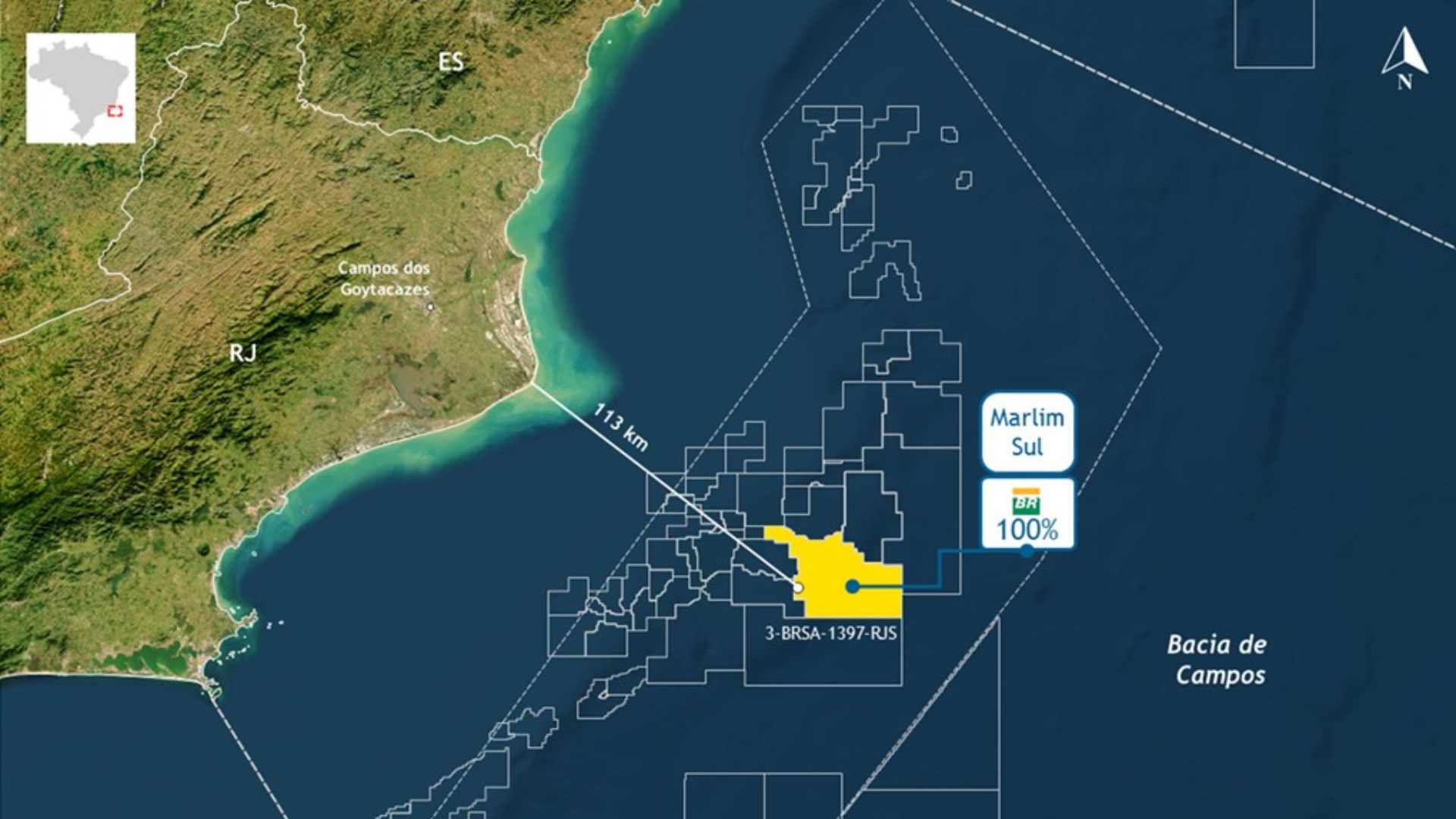
Petrobras finds high-quality oil in the pre-salt at 113 km from RJ and reignites expectations about strategic reserves in the Campos Basin.

-
Ocyan opens registrations for startups focused on innovation in the oil and gas sector and will select projects for Innovation Day with the support of Nexio.


Regionally, the highest price for gasoline was sold in the Midwest, at R$ 7.060. Meanwhile, the South Region, despite closing the month once again with the lowest average price for the fuel at R$6.784, registered the highest increase in gasoline prices, reaching 8.44%.
The South also stood out with the highest price for ethanol, charged at R$ 6.280. The largest increase for the fuel was found in the Midwest, at 11.49%, with the liter rising from R$ 5.145 to R$ 5.736. The highest average price for ethanol was sold at R$ 5.652 in the Northeast Region.
Rio de Janeiro Had the Highest Average Price for Gasoline (R$7.330)
The Brazilian state with the highest average gasoline price was Rio de Janeiro (R$7.330). Meanwhile, the lowest average for the liter was identified in Amapá, at R$6.453. The largest increase occurred in Roraima, rising from R$6.230 to R$6.846, an increase of 9.89%.
The states that recorded a drop in ethanol prices were only Sergipe and Rio Grande do Norte, the latter with a reduction of 0.07% for consumers, dropping from R$ 5.802 to R$ 5.798. Ethanol, which was previously sold at R$4.780 at pumps in Mato Grosso, increased to R$ 5.461, marking a rise of 14.25%, the highest in the country for this fuel, compared to the end of October.
The IPTL is a fuel price index based on fuel fill-ups at 21,000 accredited Ticket Log stations, which is highly reliable due to the number of vehicles managed by the brand: 1 million in total, with an average of eight transactions per second. Ticket Log, the fleet management and mobility solutions brand of Edenred Brazil, has over 30 years of experience and adapts to customer needs, offering modern and innovative solutions to simplify daily processes.
To Ease the Burden of Soaring Prices for Gasoline, Ethanol, Diesel, and CNG, Consumers Turn to Online Kits Promising Water-Powered Cars Starting at Less Than R$ 200
The best of Brazil is its people; with gasoline, ethanol, diesel, and CNG prices soaring, there are no shortages of advertisements for accessories that promise to reduce fuel consumption in vehicles. The latest innovation online is a device claiming to convert conventional combustion engine cars into “water-powered” vehicles through a product known as a hydrogen kit.
The gadget offered on social media and e-commerce sites has an initial price of less than R$ 200 but can exceed R$ 1,000, depending on the brand and configuration. However, the promise remains the same: the “technology” utilizes electricity from the alternator to extract hydrogen from water, which is stored in a small tank.
Is a Water-Powered Car Possible? Watch the Video Below to Understand the Process:










Seja o primeiro a reagir!