Portuguese
  Spanish



The People Can No Longer Bear Cooking Gas at 10% of the Minimum Wage and Gasoline Costing R$ 8, Up to R$ 9. Those Paying the Bill Are People with Lower Purchasing Power
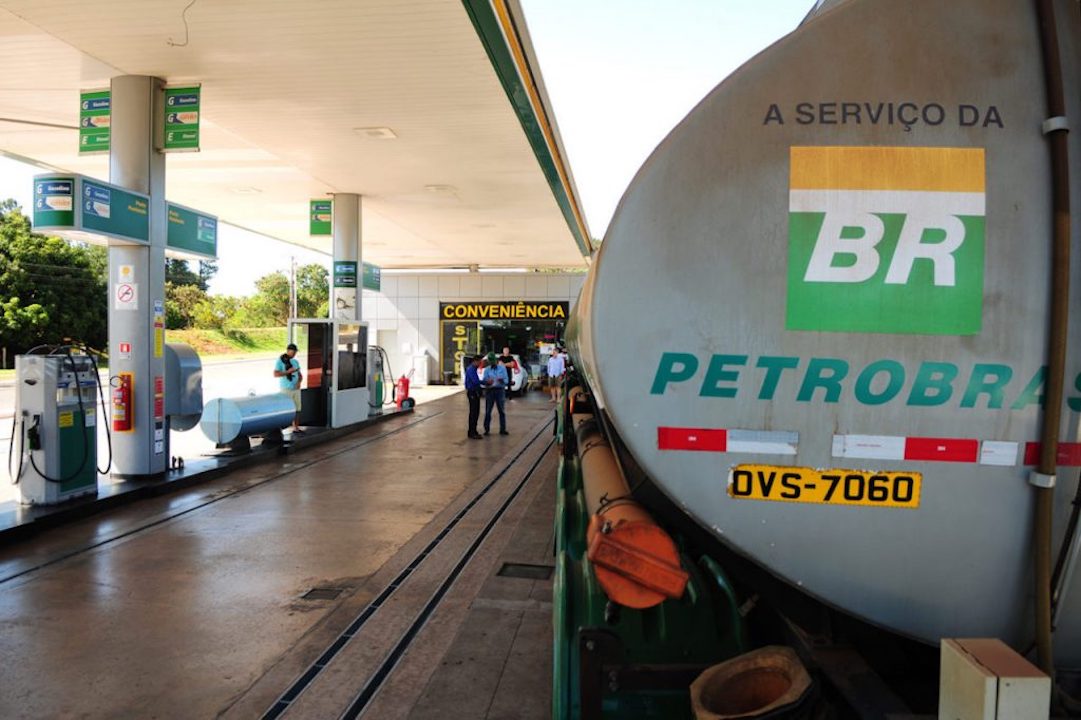
The voting on the text of Bill (PL) 1,472/2021, which promotes changes in the fuel pricing policy practiced by Petrobras, has been postponed to next Tuesday (12/07) in the Senate. The text also establishes the creation of a tax on the export of crude oil, which would finance a fund to cushion the variation in the value of derivatives.
Read Also
- Petrobras Needs to Raise Gasoline Prices by 6% to Eliminate the Gap Between Domestic Fuel Prices and Its International Quote
- Brazilians Rush to Buy Gasoline at Half Price and Fuel is Limited to 15 Liters to Avoid Shortages in Porto Iguaçu – ArgentinaVolkswagen, Bosch, Nissan, USP, and UNICAMP Study Technology with Ethanol and Realize the Dream of the Electric Car Running Without a Battery
- Honda, a Multinational Automobile Manufacturer, Hires Candidates Without Experience in Its Factories for Internship Positions
- Multinationals GranIHC, Ocyan, and Sisnergy Secure a Billion-Dollar Mega Contract from Petrobras That Will Mobilize 2,000 Workers for Construction and Assembly Services of 19 Platforms in the Campos Basin
- Giant Maersk and TPAR Signed on Monday (11/29) an Agreement to Transform the Port of Angra dos Reis into One of Brazil’s Main Offshore Support Bases
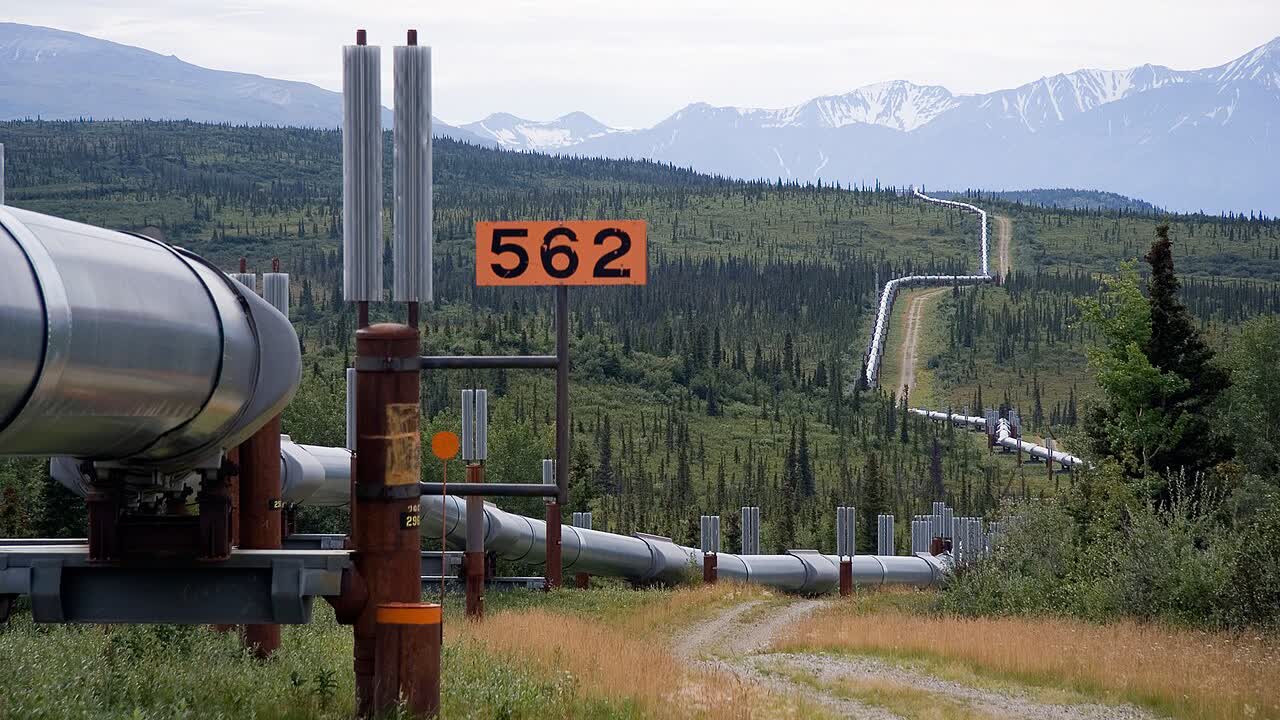
The PL aims to change the policy adopted by the state-owned company in 2016 of price parity with imports (PPI). This methodology uses as a reference for adjustments in gasoline, diesel, and cooking gas the price of oil in the international market and costs incurred by importers, such as transportation and port fees.
If the project succeeds, domestic prices for these products will reference not only the international market pricing and import expenses but also internal production costs, which decoupled from the exchange rate would drive prices lower.
-
Brazil’s ANP Opens 86 New Oil Blocks in the Equatorial Margin, Expanding the Amazon River Mouth Frontier

-
OPEC+ Boosts Oil Supply by 188,000 Barrels per Day in July 2026, Leading to Price Drop from $112 to $89 per Barrel in Under Two Months

-
TotalEnergies Signs 20-Year Deal to Purchase 2 Million Tons of LNG from Alaska, Boosting Project Viability
-
Turkey Deploys Çağrı Bey Drilling Ship to Explore New Oil Frontier Off Somalia’s Coast
Additionally, the text dictates that the Executive Branch regulate the use of price bands to establish limits for fuel price variations, defining the frequency of adjustments and compensation mechanisms. The mechanism sets a maximum limit for variations in retail oil prices, thus avoiding sharp price increases.
The People Can No Longer Bear Cooking Gas at 10% of the Minimum Wage and Gasoline Costing R$ 8, Up to R$ 9.
The original author of the text, Senator Rogério Carvalho, proposed that the band system be financially enabled by establishing a fuel price stabilization fund. However, the rapporteur removed this point due to an initiative defect.
— Despite the undeniable merit, there is a legislative competency defect in Article 6, which creates the Stabilization Fund, which is why we will propose a wording adjustment, maintaining the objective of the proposal, which is to have instruments for stabilizing petroleum derivative prices. It is a special fund of an accounting nature and, therefore, cannot be created by a parliamentary initiative bill — he explained.
— The only thing that the CAE cannot do is remain silent and fail to vote. The government seems not to understand that the people can no longer bear cooking gas at 10% of the minimum wage and gasoline costing R$ 8, up to R$ 9. Those paying the bill are people with lower purchasing power. It is necessary to find a solution for the country regarding this fuel issue — stated the committee president, Otto Alencar (PSD-BA).
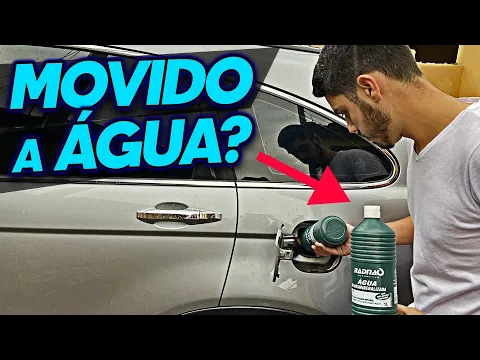
To Ease the Burden of Rising Gasoline, Ethanol, Diesel, and GNV Prices, Consumers Turn to Internet Kits Promising Water-Powered Cars Starting Below R$ 200
The best of Brazil is the Brazilians; with gasoline, ethanol, diesel, and GNV prices skyrocketing, there is no shortage of advertisements for accessories promising to reduce fuel consumption in vehicles. The novelty on the internet is a device that promises to convert conventional combustion engine automobiles into “water-powered” cars using a product known as a hydrogen kit.
This gadget being offered on social media and e-commerce sites has a starting price of less than R$ 200, but can exceed R$ 1,000 depending on the brand and configuration. However, the promise remains the same: the “technology” utilizes electricity from the alternator to extract hydrogen from water, which is then stored in a small tank.
Is a Water-Powered Car Possible? Watch the Video Below to Understand the Process: