





 English
  Francês
  Alemão
  Italiano
  Japonês
  Norueguês
  Portuguese
  Spanish
  3 min of reading


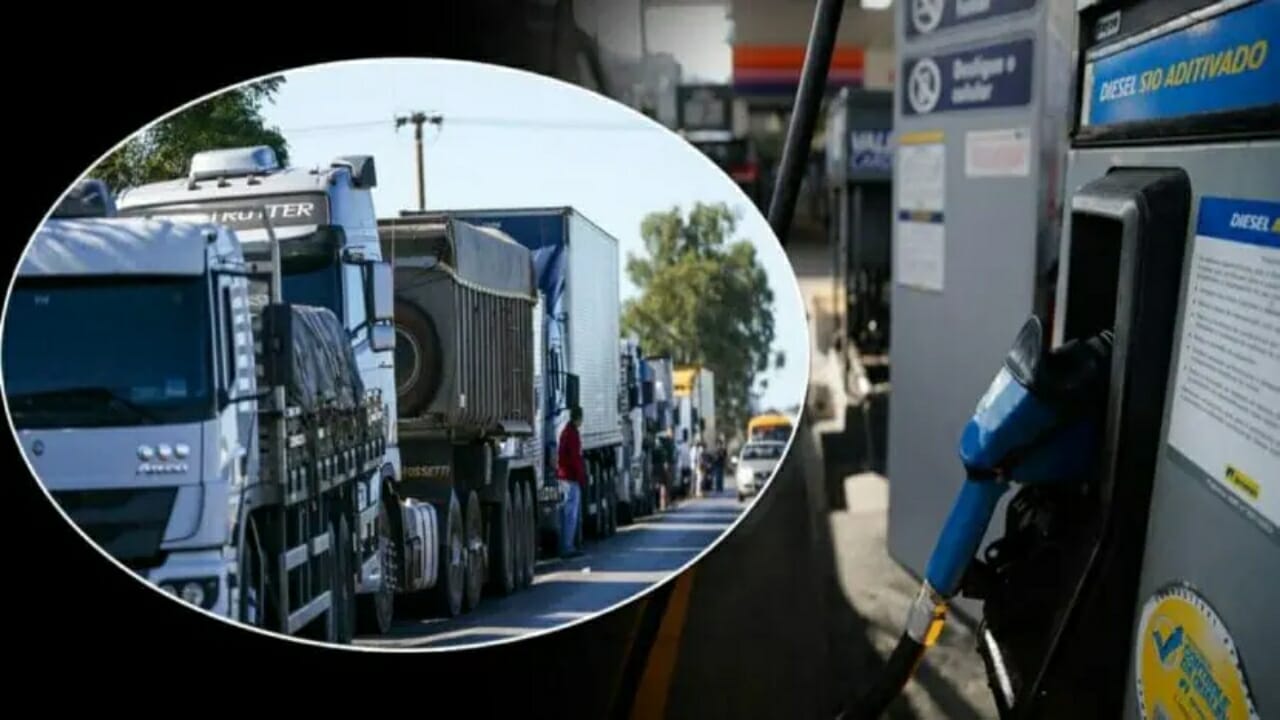
Return of Federal Taxes Promises to Increase R$ 0.35 Per Liter of Diesel by January. The Turnaround in Prices Primarily Impacts the Pocket of Truck Drivers
Amidst rising prices at gas stations with the increase in gasoline and ethanol, a piece of news worries truck drivers and all those who depend on diesel for their means of transport: the price of fuel has seen a new increase, with the partial return of federal taxes. The price of diesel has gone up R$ 0.11 at distributors, an increase that may be immediately reflected at the fuel pumps.
Rising prices are not new for Brazilians. In addition to the adjustment made by Petrobras in August, the cycle of rising fuel prices is also related to the increasing costs of imports. During the first half of the year, when the international market was down, fuel had months of decline.
The Turnaround in Federal Taxes on Fuels
To understand this turnaround in diesel prices, it is essential to go back in time. Until recently, the exemption of federal taxes on fuels, including diesel, was a reality. This measure was implemented in 2022 in response to the impact of the war between Russia and Ukraine. However, in February of this year, President Luiz Inácio Lula da Silva chose to extend the tax exemption for gasoline and ethanol until March and for diesel until the end of December.
-
Unemployment rises again to 5.8% at the beginning of 2026, raising alarms about the end of temporary positions and its impact on the Brazilian job market.

-
Document organization can cut invisible costs in small businesses, a simple step that prevents waste, rework, and losses in daily operations.

-
Chinese giant worth nearly R$ 4 billion that manufactures cables for electric cars, solar energy, and robotics wants to open a factory in SC.

-
Many employers do not know, but the law guarantees domestic workers a 25% increase in salary during trips, 50% for overtime, 20% for night shifts, and 17 additional benefits that can lead to labor lawsuits if not paid.


According to Abicom (Brazilian Association of Fuel Importers) and Fecombustíveis (National Federation of Fuel and Lubricants Trade), the PIS/Cofins rate, which was previously zero, is now R$ 0.11 per liter. In October, this amount will increase again, reaching R$ 0.14. Furthermore, there is the resumption of charges on biodiesel, which represents 12% of the mixture sold at gas stations. The full charging of these taxes is scheduled for January 2024.
The partial reversal of the tax exemption on diesel occurred to compensate for the loss of revenue due to the increase in the incentive program for new cars, which happened in June. This decision was a crucial point in the resumption of taxes, which will directly affect consumers’ pockets and, especially, truck drivers, who rely on diesel as the fuel that drives their daily activities.
Impacts on Drivers’ Pockets and the Reflection on Inflation and the Economy
The adjustments in diesel prices, as well as the return of taxes on gasoline and ethanol, have had a significant impact on inflation. In July, the IPCA (National Consumer Price Index) gained momentum, advancing 0.12%. Gasoline, one of the sub-items with the highest individual weight in the index, was the product that most contributed to this increase, registering a variation of 4.75% for the month.
Truck drivers, who are essential for transporting goods across the country, will directly feel the impact of this increase in diesel prices. The escalation of fuel costs can significantly affect their earnings and, consequently, the cost of living for all Brazilians. In addition, the Brazilian Supermarket Association (Abras) warns that adjustments in diesel prices may elevate the prices of products such as fruits and vegetables, meats, dairy products, and processed foods, impacting the basic supply basket of families.










Seja o primeiro a reagir!