





 Portuguese
  English
  Spanish
  3 min of reading


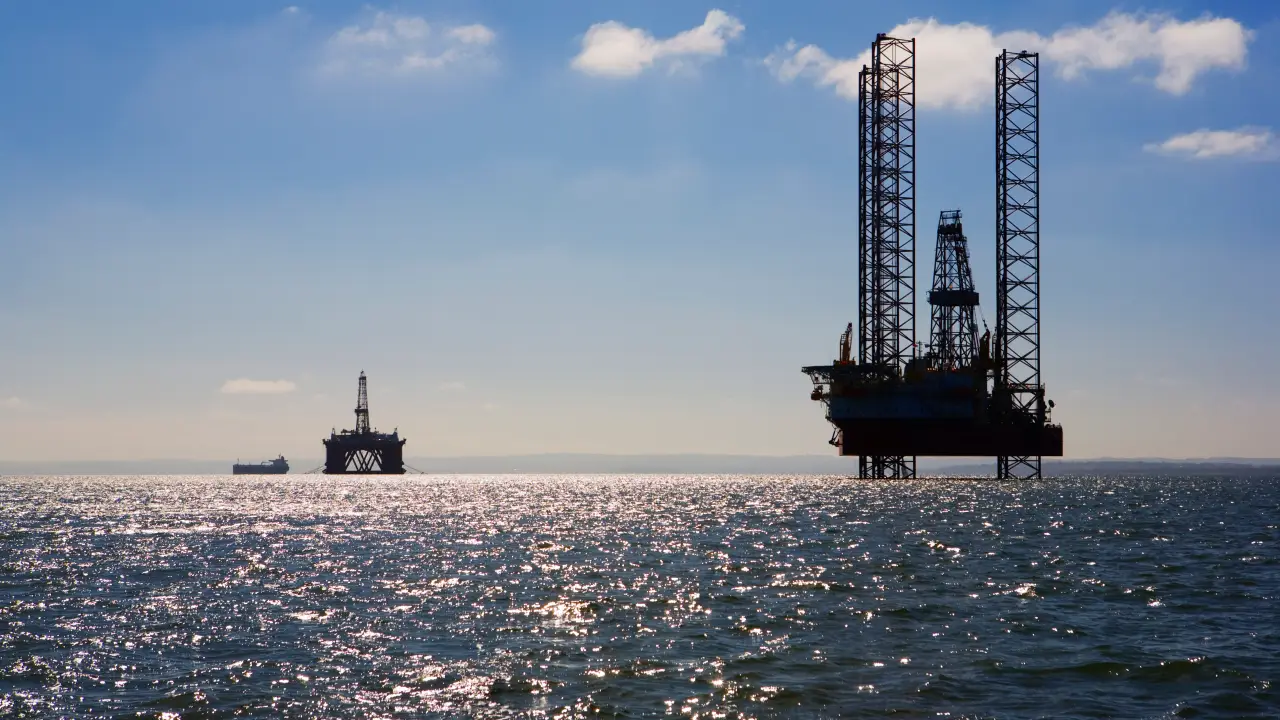
The G7, In Partnership With The European Union, Decided To Keep The Price Cap On Russian Crude Oil At US$ 60 Per Barrel.
The decision was made despite appeals from some EU members and Ukraine for a lower cap, and comes amid rising oil prices that have narrowed the discount between Brent and Russian oil.
The price caps were agreed upon last year and coordinated with an embargo on imports of oil and Russian products from the EU, causing various reactions. According to its authors, the cap is working, and Axios recently reported that Russia’s oil export revenues have dropped nearly 50%, from over US$ 20 billion. However, according to others, Russian oil is often sold for more than US$ 60 per barrel.
The Financial Times reported last month that the price at which Russian companies sell oil abroad “often exceeds the maximum price imposed by the G7 on the country’s exports.” Additionally, there were concerns about the enforcement of the price cap, largely left to the discretion of Western insurers and shipowners.
-
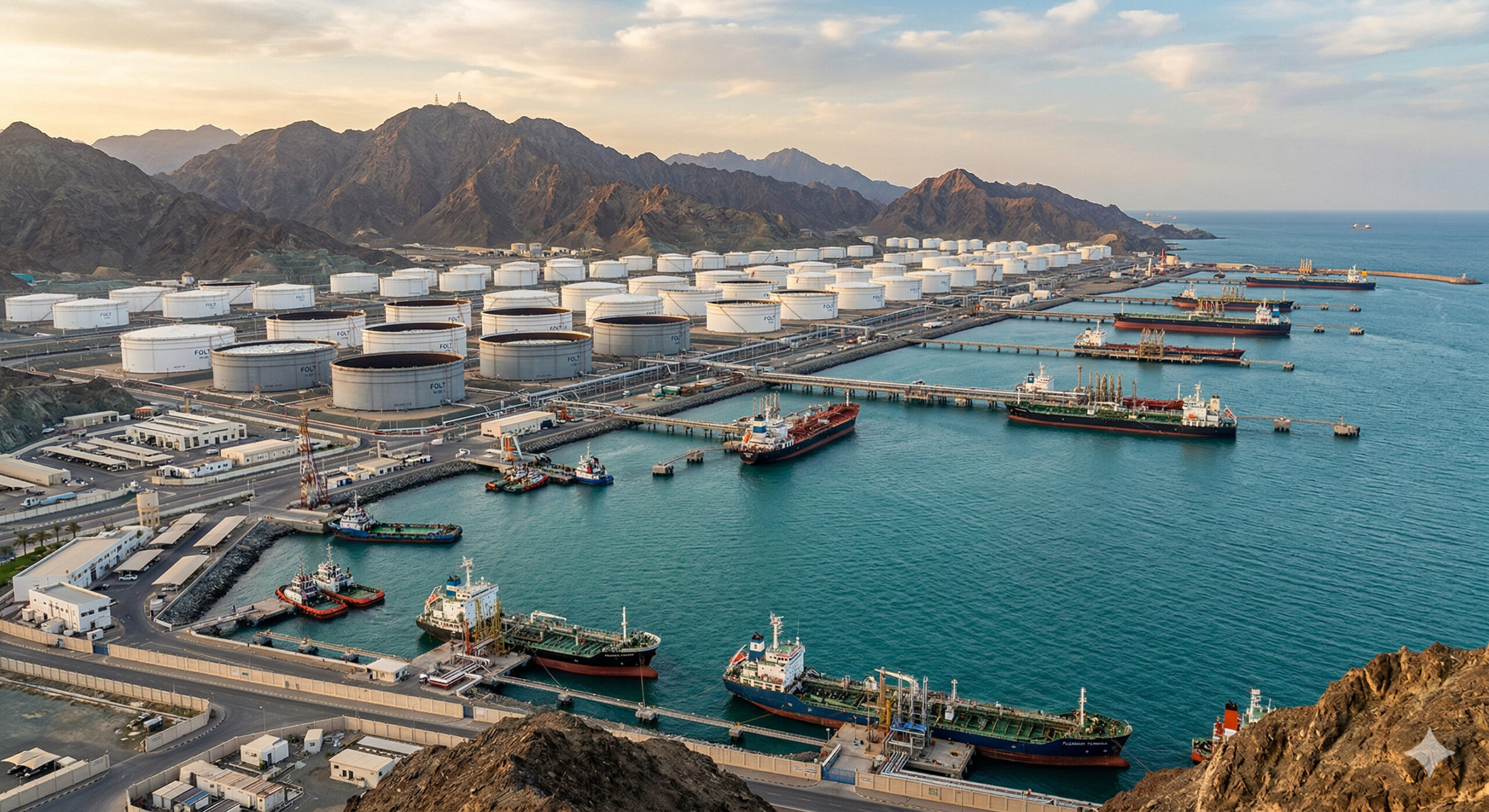
Giant reservoirs with a capacity of 18 million cubic meters have turned Fujairah into one of the largest energy vaults on the planet. This facility, located outside the Strait of Hormuz, stores oil on a colossal scale and has become a silent piece that supports the global flow of fuels.
-
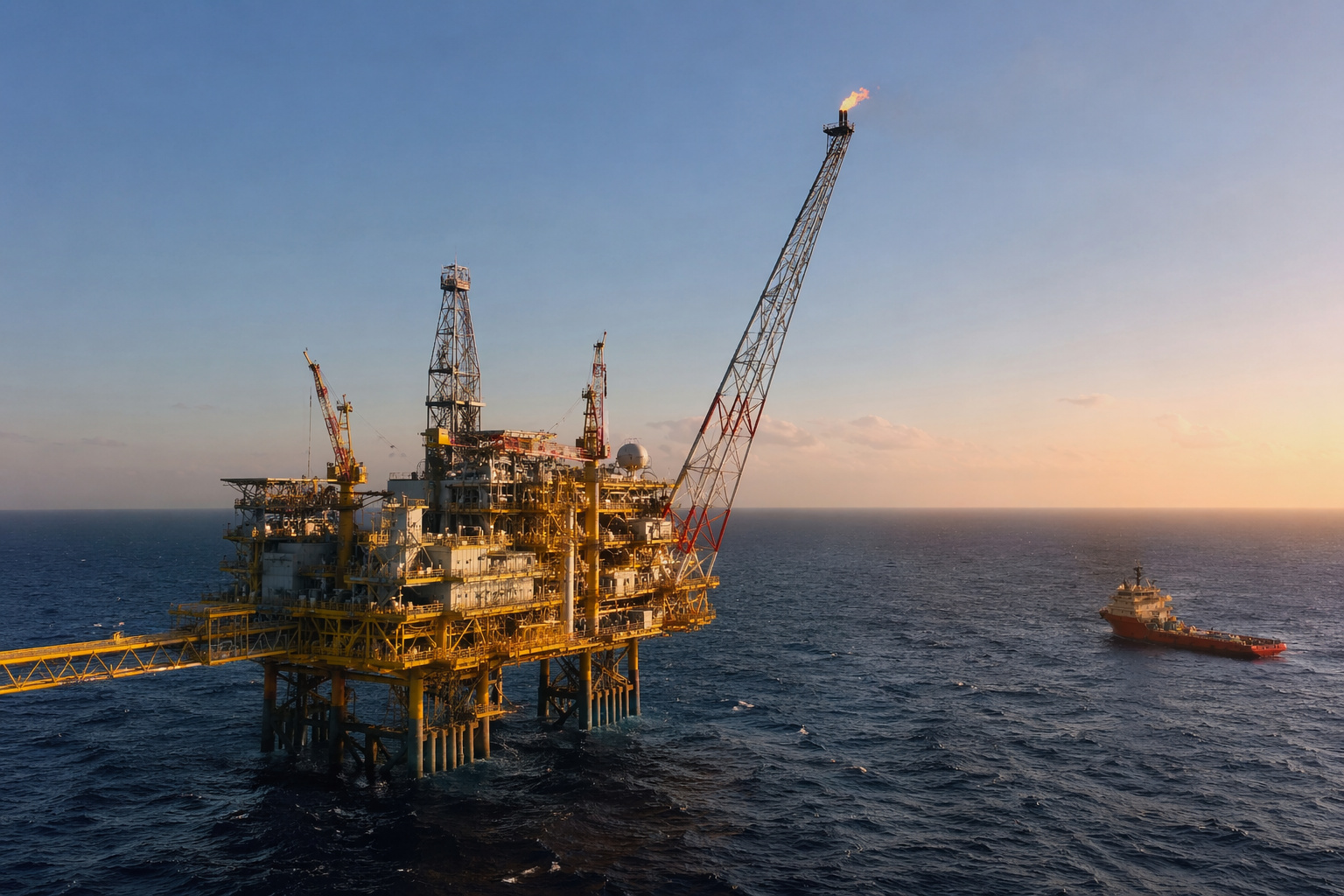
The next exploration auction in the pre-salt will offer 23 blocks in the Campos and Santos basins and may change the interest of oil companies in Brazil.
-
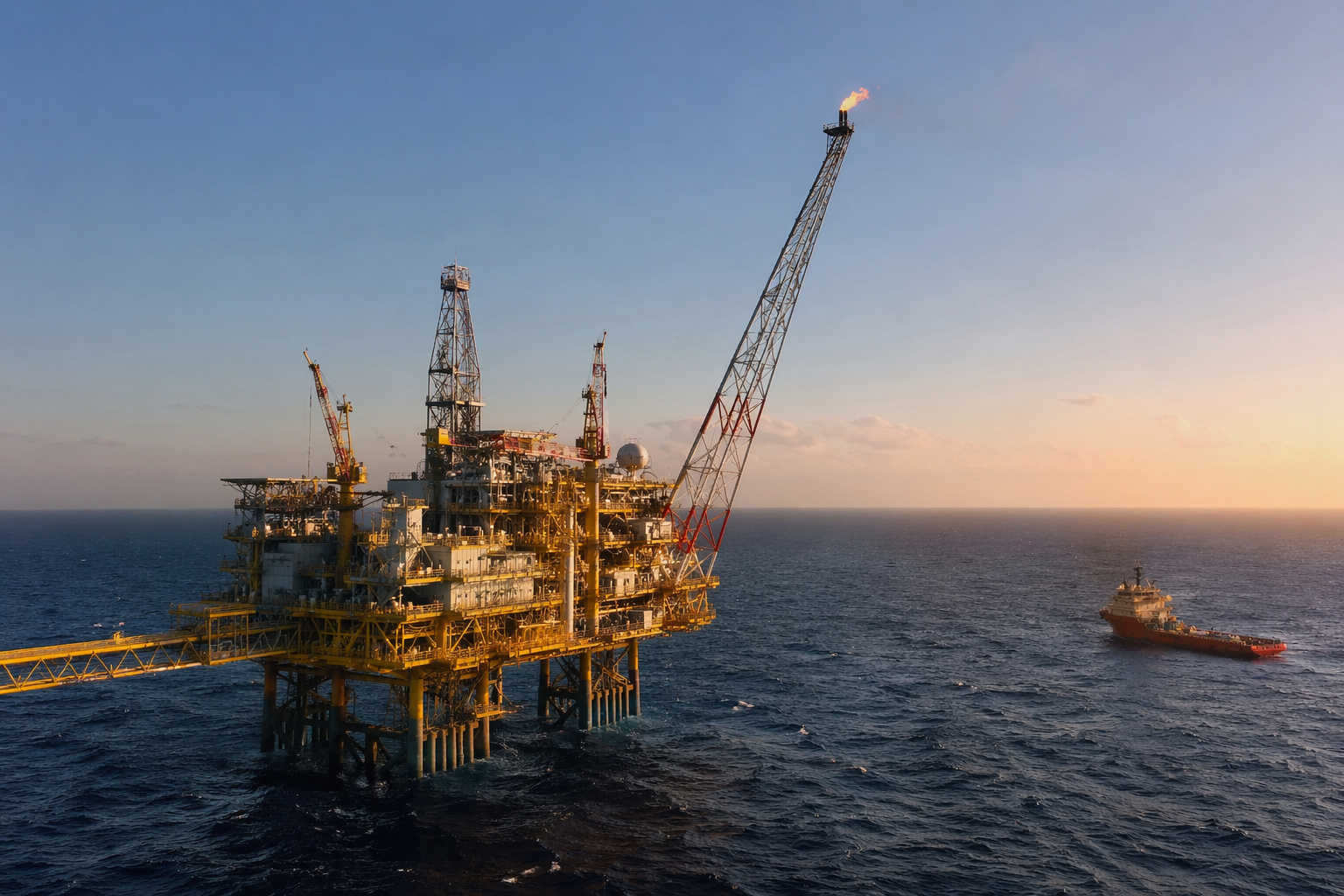
The next exploration auction in the pre-salt will offer 23 blocks in the Campos and Santos basins and could change the interest of oil companies in Brazil.
-
Red Sea, from biblical site to oil hope: South Korea reveals ambitious plan to create new oil routes through the Red Sea with the dispatch of 5 ships, agreements with 3 countries, and a focus on the strategic port of Yanbu.
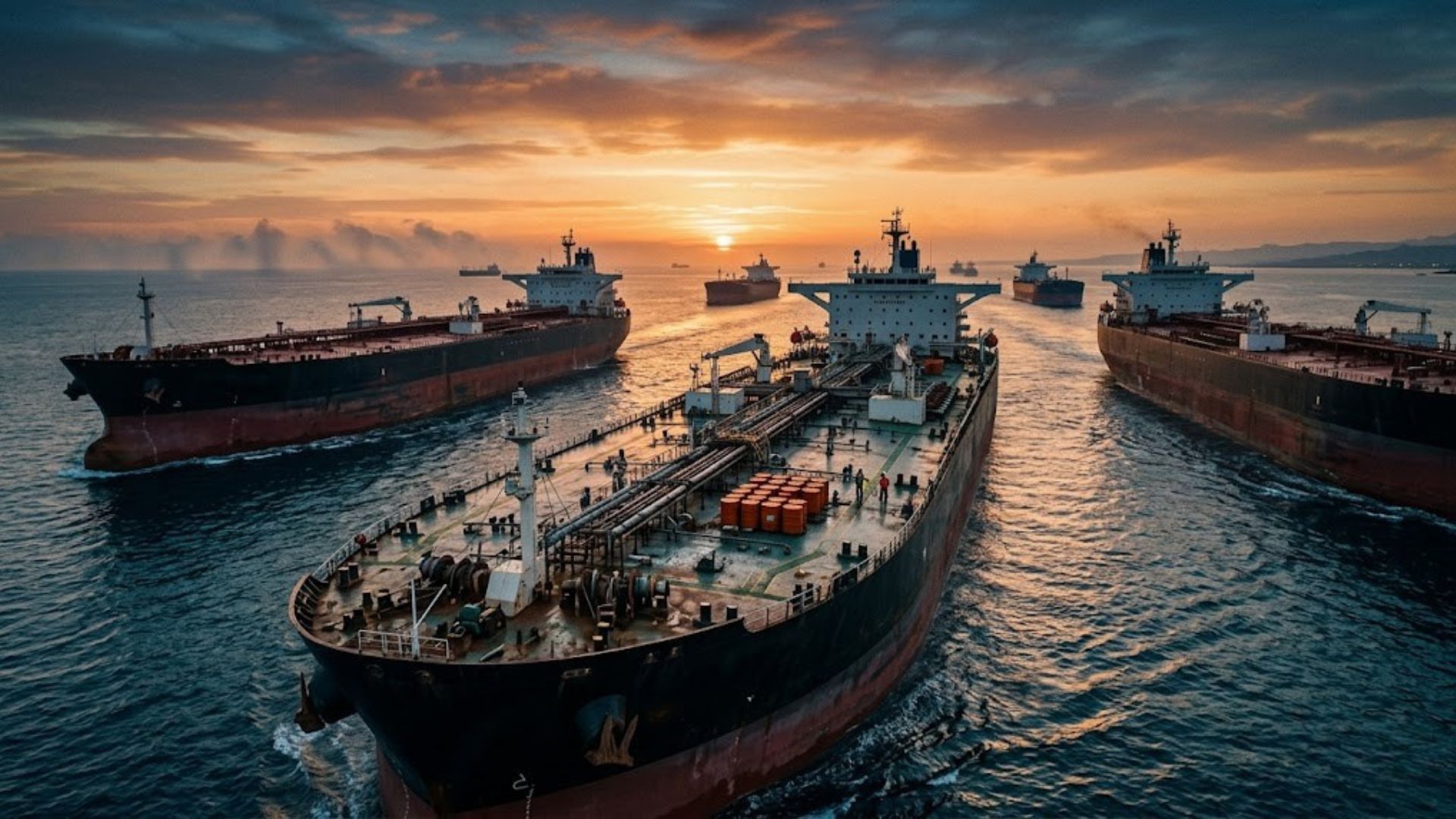
This new and significant responsibility led many of them to openly refuse to charter Russian cargoes, regardless of price, which in turn led to an increase in the so-called shadow fleet that carries oil and Russian fuels around the world.
In turn, the International Energy Agency reported that oil exports and derivatives from Russia reached the highest level since April 2020 in April, an increase of 600,000 barrels per day (bpd). However, revenues were 43% lower than the previous year.
Exports of petroleum products specifically increased in March, Reuters reported earlier this month, despite the total ban on these exports to the European Union. Russia itself recently stated that it has managed to redirect all its oil exports to what it calls friendly countries, following the surge of Western sanctions after Moscow’s invasion of Ukraine.
What Caused The Cap To Fall?
Russian oil has been sold above US$ 60 per barrel, even with a cap imposed by the G7. The cap, according to the European Union itself, is meant to limit Russia’s influence in the global oil market, and thus an embargo on imports of oil and Russian products from the EU was agreed upon.
However, the price at which Russian oil is sold abroad often exceeds the maximum limit set by the G7 on the country’s exports. In some cases, the oil is sold for much more than the established cap.
All of this indicates a lack of confidence in the system and the ability to enforce the agreements established among countries. Consequently, it is often difficult to determine the actual price of Russian oil.
Outlook For The Future
With the political instability in Ukraine and rising Western sanctions, the situation of Russian oil is unstable. Russia has faced significant challenges in selling oil, as many countries have refused to import it due to the embargo imposed by the EU.
However, Russia has managed to maintain its oil exports, indicating the resilience of the Russian oil industry. It is possible that Russia will, at some point, attempt to circumvent the cap imposed by the G7 and sell oil at a higher price. Therefore, stability in Ukraine is necessary to prevent the situation from worsening.
At the same time, it is important for countries and international organizations to continue to pressure Russia to adhere to established agreements and refrain from engaging in unfair trade practices in the global oil market. It is crucial for everyone to fulfill their obligations, and for the market to operate in a fair and balanced manner.








Seja o primeiro a reagir!