Portuguese
  Spanish


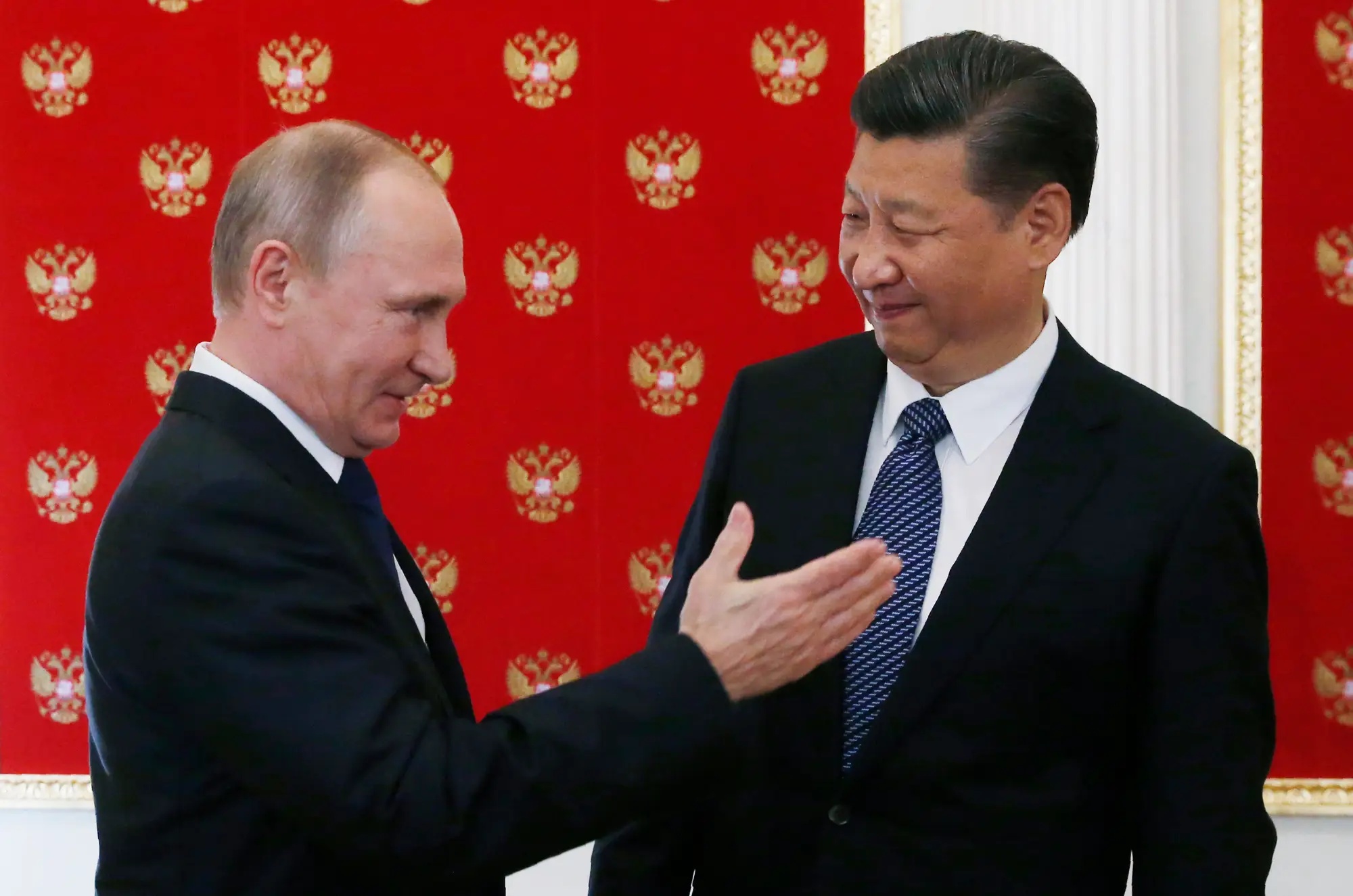

Beijing and Moscow Are in Negotiations Over an Oil Deal as China Seeks to Fill Its Reserves with Cheap Russian Crude, Importing Nearly 1.6 Million Barrels Per Day of Russian Crude in 2021
China is considering purchasing Russian oil to bolster its strategic reserves, according to analysts and officials cited by Bloomberg. The U.S. has led global efforts to ban the trade of Russian oil due to Moscow’s invasion of Ukraine, while China is in negotiations with Russia to buy oil for its strategic reserve. Watch the video below and check out the full story.
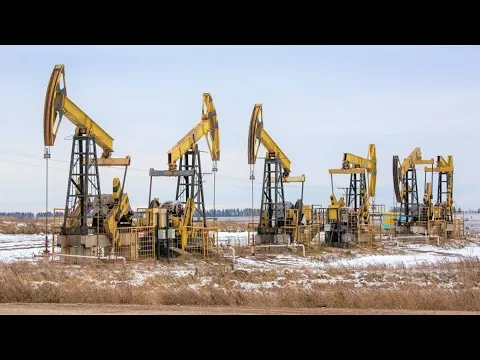

Chinese Efforts to Replenish Reserves with Russian Oil Would Not Violate U.S. Sanctions – White House
Although the United States banned imports of Russian oil shortly after Moscow’s invasion, the European Union is considering a gradual embargo, pushing more Russian oil shipments to Asia. China’s move to rebuild its strategic oil reserve using Russian oil would not violate U.S. sanctions against Moscow, according to White House officials last Thursday.
The volume of crude oil has not been determined, and there is no guarantee that an agreement will be signed, a source told Bloomberg.
-
With a record production of nearly 3 million barrels per day, Petrobras resumes importing diesel in July, highlighting the bottleneck in Brazilian refining.

-
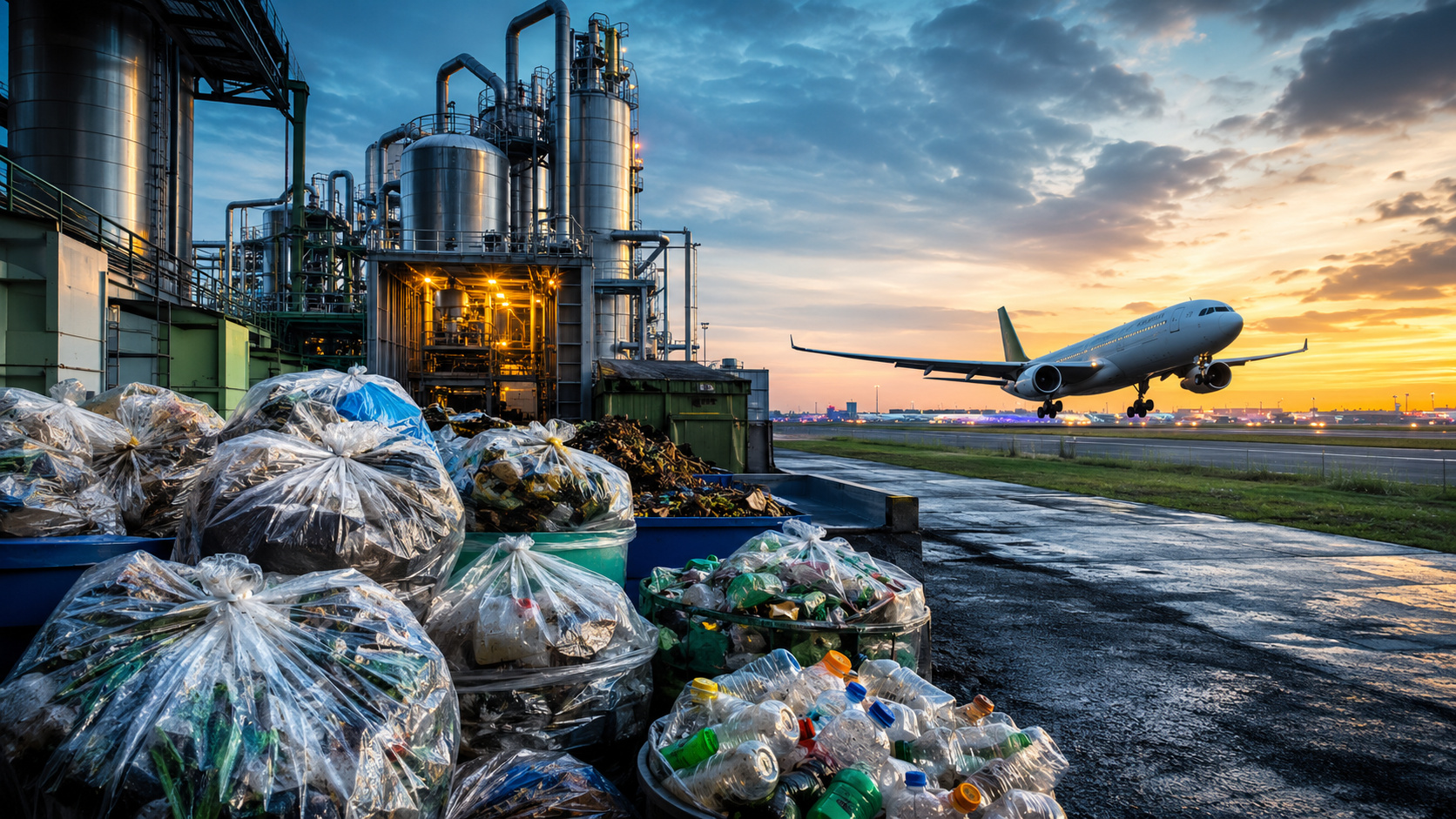
Qantas and Airbus Invest in Company Aiming to Convert Unsorted Household Trash into Jet Fuel

-
Brazil’s ANP Opens 86 New Oil Blocks in the Equatorial Margin, Expanding the Amazon River Mouth Frontier

-
OPEC+ Boosts Oil Supply by 188,000 Barrels per Day in July 2026, Leading to Price Drop from $112 to $89 per Barrel in Under Two Months
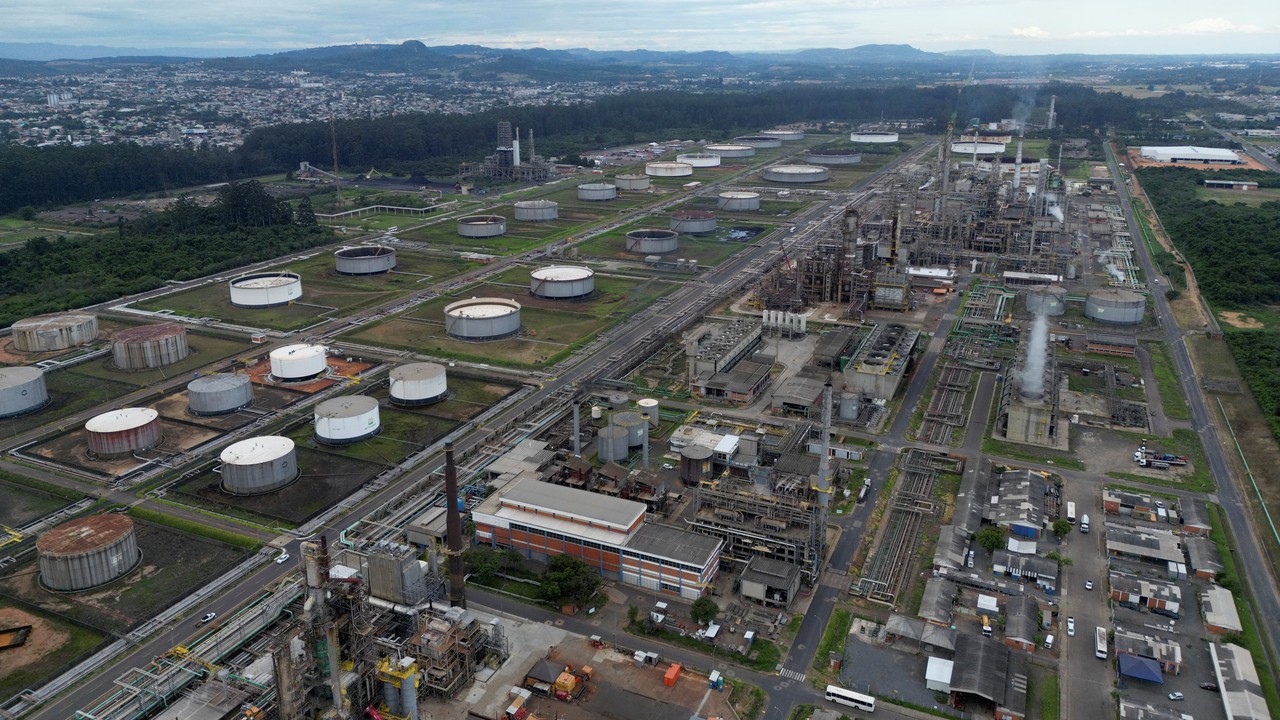

Although the sanctions imposed against Russia after the Kremlin’s decision to invade Ukraine have diminished Western demand for Russian crude oil, supplies have continued to flow to China and India, which have been able to buy the product at comparatively cheaper prices.
The statement comes as oil prices recover from two days of losses in a volatile session, bolstered by dollar weakness and expectations that China could ease some lockdown restrictions that might increase demand.
Crude oil benchmarks continued their wave of fluctuations, with Brent and U.S. crude rising nearly US$ 5 per barrel within a few hours, recovering from losses earlier in the week.
“The market has been extremely volatile”, said Andrew Lipow, president of Lipow Oil Associates in Houston. “The market is reacting to all kinds of different headlines hour by hour, and the movement in oil markets is becoming even more exaggerated day to day,” he concluded.
Reports Have Come: China Is the World’s Largest Importer of Crude Oil and the Largest Buyer of Russian Oil, Having Imported Nearly 1.6 Million Barrels Per Day of Russian Crude in 2021
The futures contract fell 82 cents/b (0.73 percent) from the previous close at US$ 111.22/b, while the NYMEX June light crude contract fell US$ 1.25/b (1.11 percent) to US$ 110.96/b.
On Thursday, Russian Deputy Prime Minister Alexander Novak said Moscow would redirect European crude oil exports to other Asian markets if the EU imposed an oil embargo.
However, a reduction in Chinese crude oil exports has also been a key factor squeezing the global supply of refined products.
“This reduction in Chinese exports is more likely structural, with China looking to boost consolidation within the domestic refining industry and reduce emissions, suggesting that the tightness in refined markets is unlikely to disappear anytime soon”, analysts at ING Warren Patterson and Wenyu Yao told Reuters.
China is the largest importer of crude oil in the world and the largest buyer of Russian oil, having imported nearly 1.6 million barrels per day of Russian crude in 2021, according to Chinese government data.
It is looking to build its reserves, even as it consumes less, as lockdowns amid a recovery in COVID-19 cases reduce demand, according to Bloomberg.
“There is still room to replenish stocks, and it would be a good opportunity for them if they can be obtained on commercially attractive terms”, said Jane Xie, senior oil analyst at data and analytics firm Kpler, to Newswire.