





 Portuguese
  English
  Spanish
  4 min of reading
  0 comments



Cane Sugar Faces Divestment With Sugar Prices Falling And High Agricultural Production Costs.
The cane sugar is beginning to signal alarms in the Brazilian fields.
The sector is facing a reduction in investments, a decision made by cane producers due to the combination of low sugar prices, high agricultural production costs, and uncertainties regarding the profitability of upcoming harvests.
The scenario was confirmed this Thursday (22) by the Organization of Cane Producers’ Associations of Brazil (Orplana), which represents thousands of farmers in the country’s main producing regions.
-
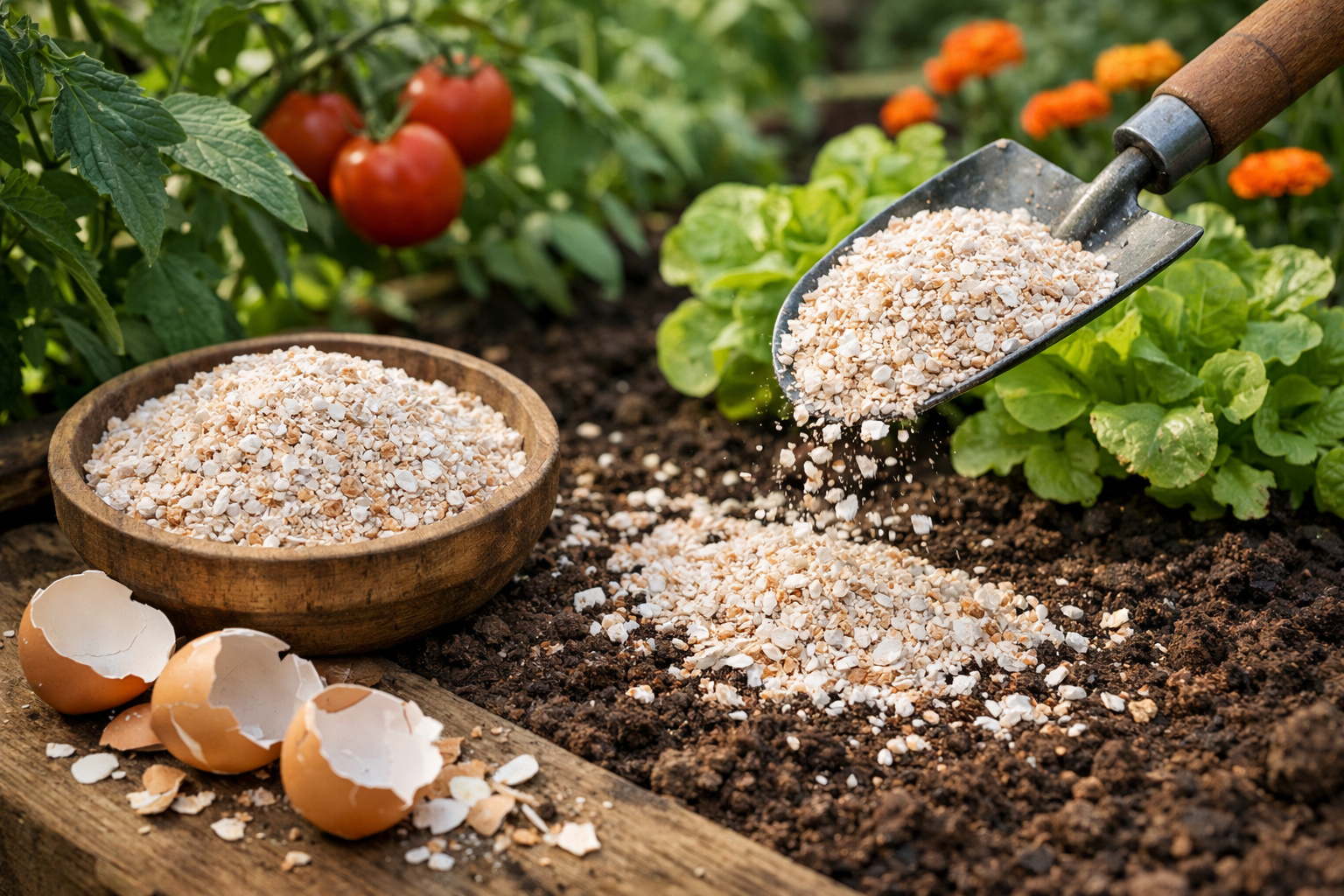
The eggshell that almost everyone throws away is made up of about 95% calcium carbonate and can help enrich the soil when crushed, slowly releasing nutrients and being reused in home gardens and vegetable patches.
-
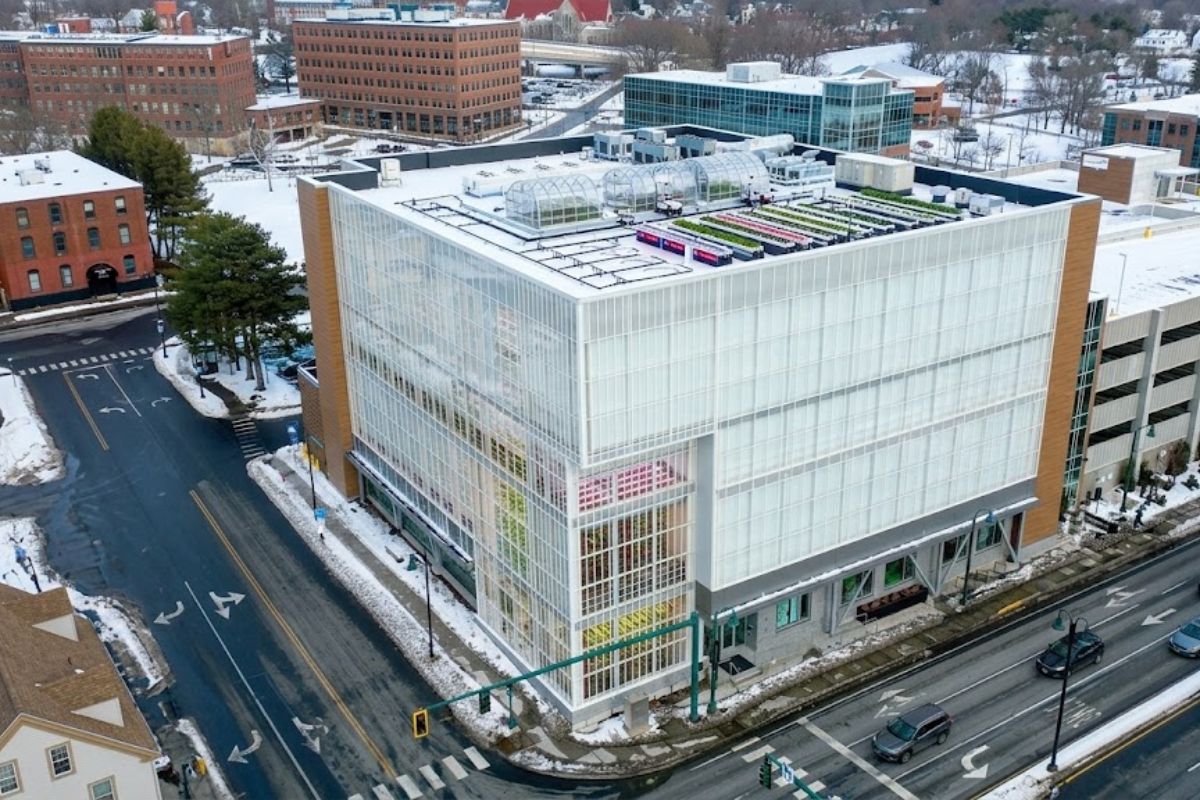
This farm in the United States does not use sunlight, does not use soil, and produces 500 times more food per square meter than traditional agriculture: the secret lies in 42,000 LEDs, hydroponics, and a system that recycles even the heat from the lamps.
-
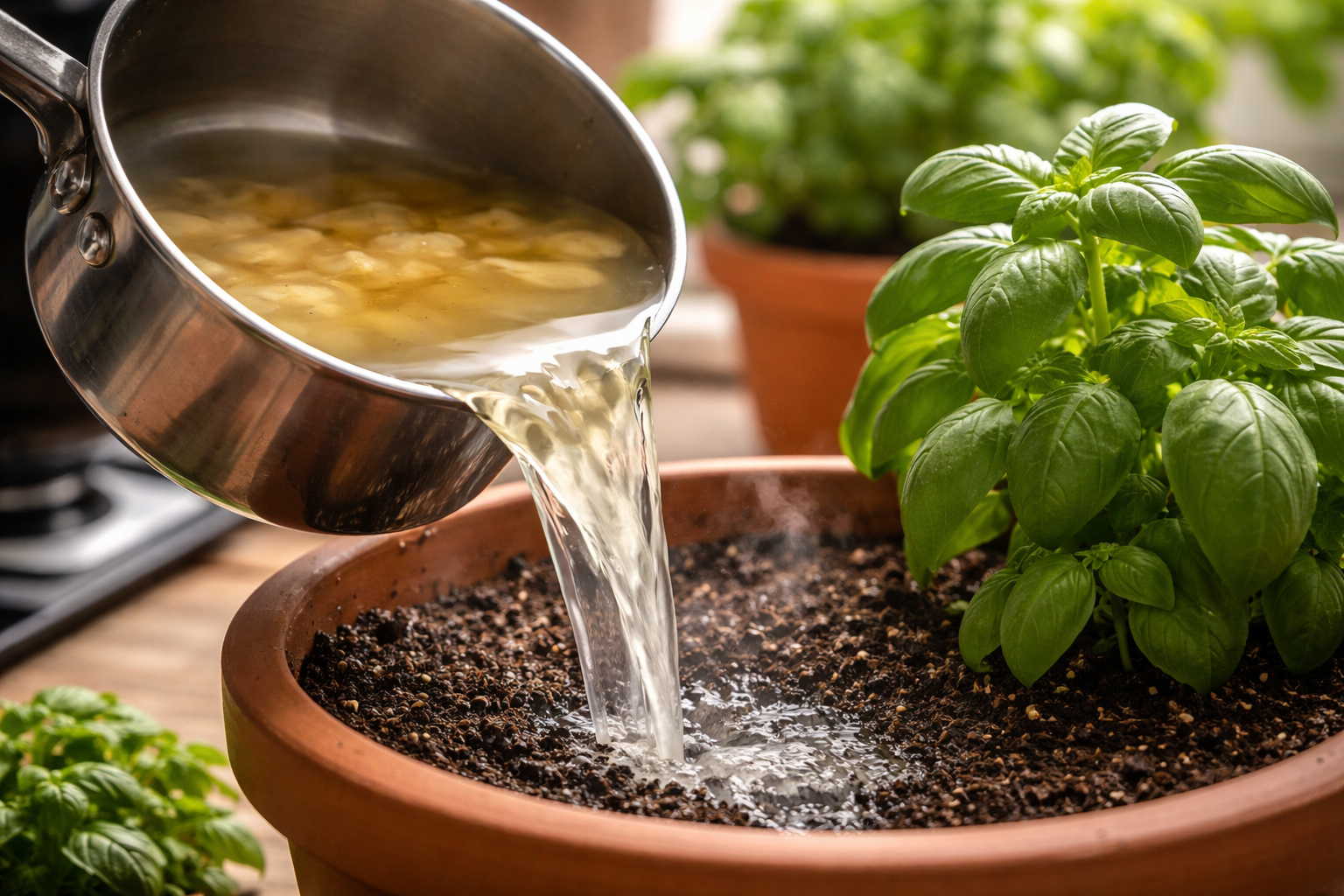
The water that almost everyone throws away after cooking potatoes carries nutrients released during the preparation and can be reused to help in the development of plants when used correctly at the base of gardens and pots, at no additional cost and without changing the routine.
-
The sea water temperature rose from 28 to 34 degrees in Santa Catarina and killed up to 90% of the oysters: producers who planted over 1 million seeds lost practically everything and say that if it happens again, production is doomed to end.


The entity brings together 35 associations and about 12,000 producers, many of whom are already adjusting their budgets in the field.
According to Orplana’s executive president, José Guilherme Nogueira, the movement occurs as a direct response to the loss of financial margin in the activity.
“We are observing a reduction in investments in sugarcane plantations, mainly due to the increase in production costs and the decrease in net income,” he said.
Cane Producers Cut Costs To Face Agricultural Production Costs.
In practice, divestment is already visible.
Many cane producers are stopping the application of fertilizers, pesticides, and other essential inputs for crop development.
These decisions, while reducing expenses in the short term, may compromise the productivity of the harvest in the upcoming cycles.
According to Nogueira, producers are being forced to choose between maintaining the technological level of the crop or preserving cash.
Thus, the impact goes beyond the individual field and begins to reshape the dynamics of the sugar-energy sector as a whole.
Sugar Prices Near Historic Lows Pressure The Sector.
The international scenario helps explain the movement.
The high productivity in major global producers, like Brazil and India, combined with the slowdown in consumption in some markets, has driven sugar prices to levels close to the lows of the last five years.
Meanwhile, agricultural production costs remain pressured by factors such as expensive fertilizers, fuels, labor, and logistics.
Therefore, even with high volumes, the profitability of producers does not keep pace with the increase in supply.
Risk Of Migration To Other Crops Concerns Mills.
If sugar prices remain low, the trend is toward structural change.
According to Orplana, producers may stop renewing contracts with mills and opt for alternative crops, such as soybeans and corn, which offer greater financial predictability at certain times in the market.
This possible migration worries the industry, as it reduces the availability of raw material for milling.
Although the immediate effects are limited, the impact tends to become clearer in the upcoming cycles.
Impact On The Harvest Should Be Felt From 2027/28.
In the short term, the 2026/27 harvest should not undergo major changes. This is because the production cycle of cane sugar is long, and current decisions do not yet fully reflect in the field.
However, Orplana warns that the most significant impact should arise from the following harvest.
“Everything indicates, given the size of the area (planted) and what is happening now, that producers will stop investing for this to take effect by 2028,” Nogueira stated.
In other words, the greater risk lies in the medium term, with a possible decrease in the volume of processed cane and lower production of sugar and ethanol.
Current Harvest Data Still Show Robust Numbers.
Despite the warning, the numbers from the current harvest remain high. Data released by the Union of the Sugarcane Industry and Bioenergy (Unica) indicate that 600.4 million tons of cane sugar were processed by the second half of December.
Sugar production reached 40.2 million tons during this period.
Orplana even projects that the next harvest could be slightly larger or similar to the current one, depending on weather conditions. Even so, the warning remains.
“For the upcoming 2026/27 season, we believe it will be a harvest a little larger than the current one, or very similar, depending on the rains, because the harvest is still being built,” the executive points out.
Sector Enters A Decisive Phase For The Future Of Cane Sugar.
In light of this scenario, the sugar-energy sector enters a decisive moment.
The continuity of investments will depend directly on the recovery of sugar prices and an improvement in the balance between revenue and agricultural production costs.
Otherwise, cane sugar may lose ground in the Brazilian fields, affecting not only cane producers but the entire chain that depends on the activity.
See more at: Sugarcane Producers in Brazil Reduce Investments in the Crop, Says Orplana







-

2 pessoas reagiram a isso.