





 Portuguese
  English
  Spanish
  2 min of reading



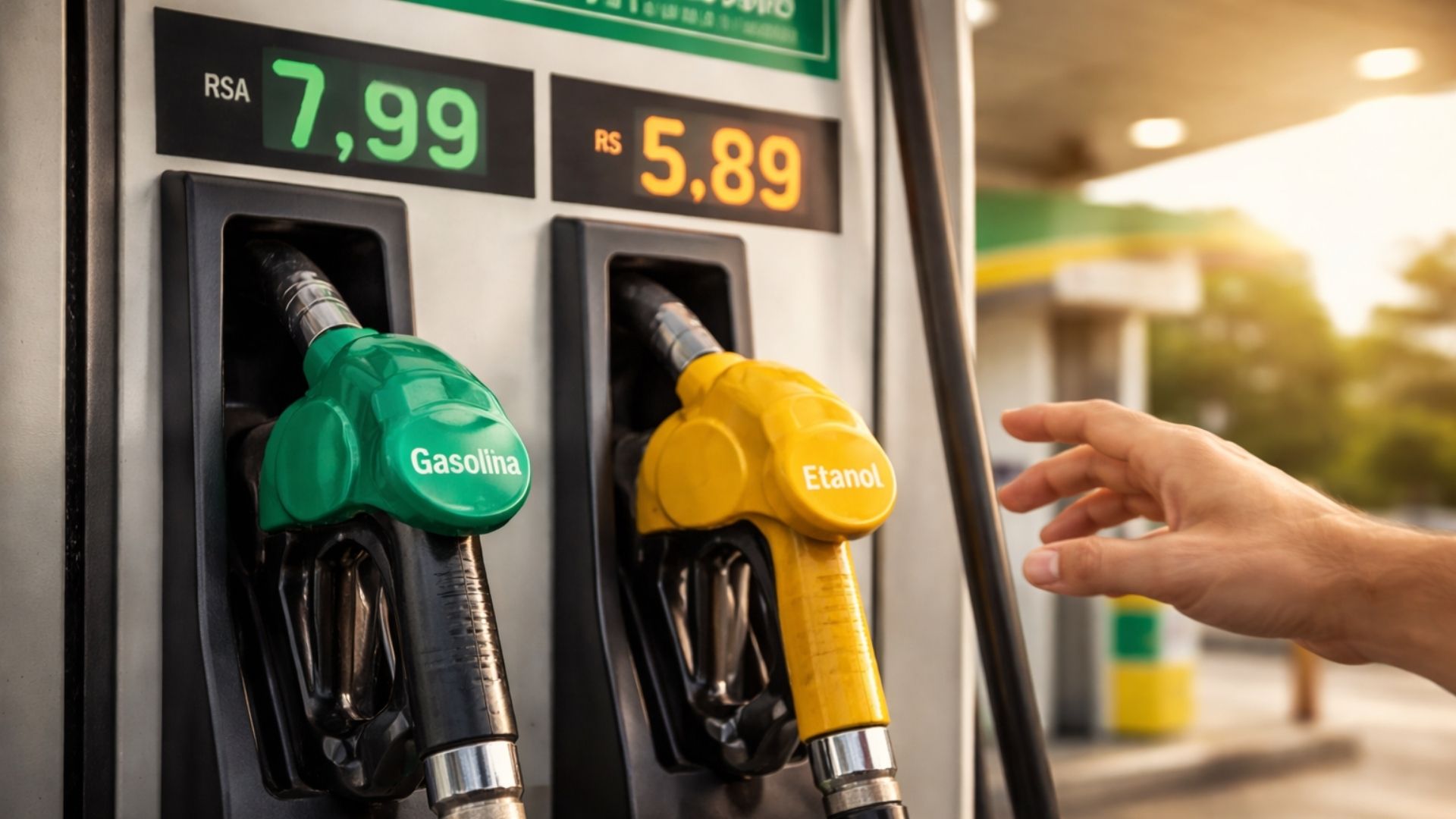
The Average Prices of Gasoline and Diesel from Petrobras Sold to Distributors in Brazil Are Above Import Parity, Opening Space for the Oil Company to Reduce Prices at Its Refineries.
This occurred due to the fall in oil prices in the international market last week, amid concerns over higher interest rates in the U.S.
Despite this, commodity values rose about 1% on Monday, 6. Jean Paul Prates, the new president of Petrobras, advocates ending import parity for the company’s price formation. The international market has proven to be unstable, opening space for a possible reduction in the oil company’s prices.
Pedro Shinzato, oil and derivatives analyst at StoneX, commented that this change could happen soon. According to StoneX, Petrobras would have to cut diesel by 16.8% and gasoline by 11.6% to achieve average parity. However, Shinzato and other experts point out that external factors, such as the European Union’s embargo on Russian diesel, could change this scenario and raise prices worldwide.
-
Unemployment rises again to 5.8% at the beginning of 2026, raising alarms about the end of temporary positions and its impact on the Brazilian job market.

-
Document organization can cut invisible costs in small businesses, a simple step that prevents waste, rework, and losses in daily operations.

-
Chinese giant worth nearly R$ 4 billion that manufactures cables for electric cars, solar energy, and robotics wants to open a factory in SC.

-
Many employers do not know, but the law guarantees domestic workers a 25% increase in salary during trips, 50% for overtime, 20% for night shifts, and 17 additional benefits that can lead to labor lawsuits if not paid.


Petrobras with Jean Paul Will ‘Brazilianize’ Fuel Prices, Says FUP


Initially, Petrobras decides when and how to adjust fuel prices according to import parity, which takes into account global variables such as the price of oil and the value of the dollar. The decision is made by the company’s CEO, along with two other directors: the finance director and the marketing director.
Additionally, other commercial variables are considered to determine the ideal time to make price adjustments. The executive president of the Brazilian Association of Fuel Importers (Abicom), Sérgio Araújo, stated that, although there are price discrepancies, it is not the ideal time to make adjustments, as international prices tend to rise due to the European embargo on Russian diesel.
According to Abicom’s estimates, Petrobras diesel is 18% more expensive than if imported, while gasoline costs 10% above import parity. Since Roberto Castello Branco took office as president of Petrobras, fuel prices have not undergone adjustments.
However, the Brazilian Center for Infrastructure (CBIE) estimates that diesel is 14.14% above parity and gasoline 8.86%. The decision on prices is made by executives from the previous management based on import parity.
The president of Petrobras appointed a new marketing director and four new executives for the company’s boards. These names are being evaluated by Petrobras’s integrity committees. However, there is still no appointee for the financial director position.
Source: REUTERS









Seja o primeiro a reagir!