Portuguese
  Spanish


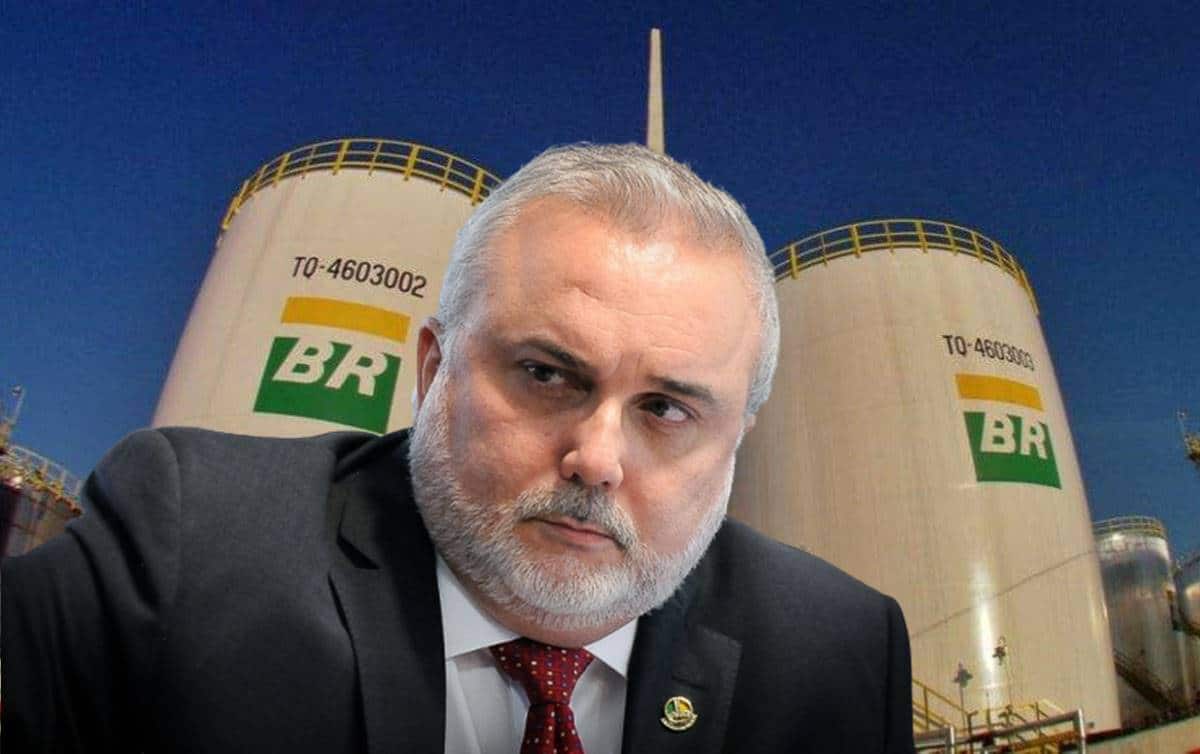

The New President Of Petrobras Stated At A Workshop That The Issue Of Fuel Prices In Brazil Should Be Addressed By The Government. Jean Paul Prates Believes That Creating A Price Stabilization Fund And Increasing Refining Capacity Are Viable Solutions.
Kicking off the week with major debates in the oil and gas sector, the current president of Petrobras commented on Monday (01/30) about the issue of fuel prices in Brazil. According to Jean Paul Prates, this should be a matter handled by the Federal Government and its entities, such as the ANP. Nevertheless, he believes there are two alternatives for the current scenario: a price stabilization fund and the expansion of refining capacity in the country.
Federal Government Must Address The Issue Of High Fuel Prices In The National Market Currently, Highlights New President Of Petrobras
The pricing policy adopted by Petrobras for taxing its products in the national market has been criticized for several months by the current Lula Government.
This is because the consideration of oil barrel prices in the international market for charges in Brazil has been causing an increase in the prices charged for the products.
-
Half of Brazilians Prefer Lower Taxes with Private Health and Education, While 44% Opt for Higher Taxes for State-Provided Services, Datafolha Survey Reveals

-
Brazil’s Most Expensive Toll Rises to R$ 40.60 on Route from São Paulo to the Coast, Nearly Matching Bus Fare to Santos

-
As Brazil Expands Social Welfare, Survey Reveals 40% Blame Poverty on Laziness, While 58% Cite Lack of Opportunities

-
China Tightens Control on Antimony, Driving Prices from $22,000 to Nearly $40,000 per Ton as U.S. Rushes to Bolster Strategic Reserves




Now, the new president of the state-owned company, Jean Paul Prates, comments on the matter.
He stated at a workshop held in the Regional Entrepreneurship Acceleration Program (Reap) at the Massachusetts Institute of Technology (MIT) that this is a government issue, not a state-owned company issue.
The former senator believes that the state and its entities, such as the National Petroleum, Natural Gas and Biofuels Agency (ANP), should deal with the volatility of fuel prices in the country.
Still, Prates advocates for a dual solution, which involves creating a price stabilization fund and increasing the state-owned company’s refining capacity.
He believes that investments in new refineries in the country could be the solution to the high prices charged for products currently in Brazil.
This is happening because the country currently relies mainly on imported petroleum derivatives. Such a scenario ends up increasing the prices of fuel for Brazilian consumers.
Moreover, the creation of a stabilization fund for high product prices in the national market could, according to Jean Paul Prates, help decrease the values.
Besides The Fuel Price Issue, Jean Paul Prates States That Petrobras Will Announce New Members Of The Internal Administration Later This Week
The participation of the current president of Petrobras in the Regional Entrepreneurship Acceleration Program (Reap) at the Massachusetts Institute of Technology (MIT) also yielded other issues.
In addition to commenting on the issue of fuel prices and the government’s role in the scenario, Prates gave a few words about the company’s upcoming announcements.
He stated that the new names for the Board of Directors (CA) and his executive board will be known later this week.
All these names will still need to pass through the internal scrutiny of the state-owned company and the current CA. “There is still another question, but from today (30) to tomorrow (31), I should finalize the names,” highlighted the executive.
Additionally, he stated that an energy transition board will be formed at a later point, but that currently, the main issue to be addressed is the high fuel prices.
According to Prates, a swearing-in ceremony should only take place once all names have been approved by the company in the necessary instances.
Until then, Jean Paul Prates continues discussions with the current government for new possibilities regarding the posture of Petrobras and the state in mitigating high fuel prices.