






 Portuguese
  Spanish


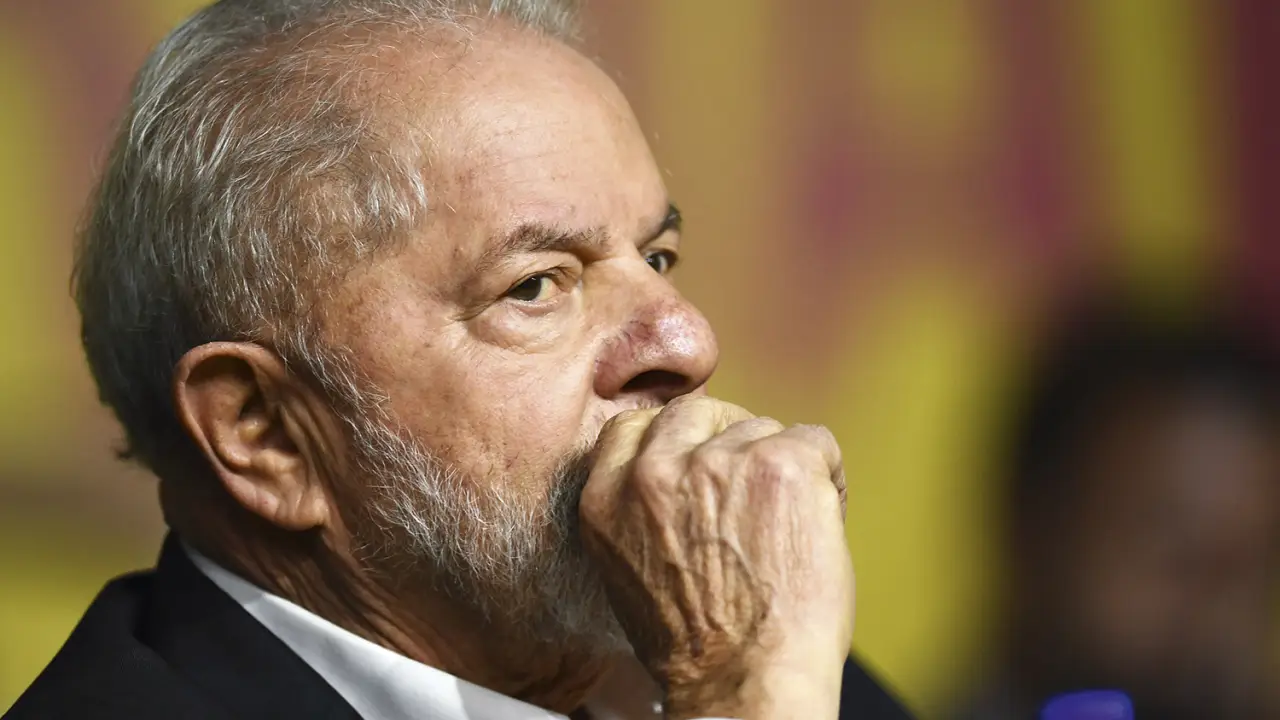

The Price of Fuels Has Become the First Major Stalemate of Luiz Inácio Lula da Silva’s (PT) Third Term.
Unresolved issues regarding fuel prices include the future of taxes on gasoline and ethanol – which Jair Bolsonaro (PL) reduced in 2022 during his re-election campaign, with the new government maintaining its exemptions for 60 days – Petrobras’ pricing policy and the sale of state refineries.
The way this will be done depends on an agreement between the company and the Cade (Economic Defense Administrative Council, the body responsible for defending free competition). Financial markets and the energy sector are anxiously awaiting these fuel price determinations, given the history of price controls during Dilma Rousseff’s government and the statist views of the Workers’ Party, linked to the oil industry.
For the general public, the topic is also sensitive due to the relative impact of fuel prices on inflation – diesel affects the cost of public transportation and various production chains due to freight costs, while gasoline and ethanol are also important for private use. The car is in the family’s budget, except for the self-employed driver.
-
At 14 years old, she worked in a factory in Hong Kong, studied economics abroad, and then entered the Chinese real estate market, which helped change the landscape of Beijing.

-
While NATO secured more than $10 billion in missiles and space surveillance at a single forum, Brazil still spends 1.1% of its GDP on defense and is stalling its own anti-aircraft system.

-
Corn ethanol attracts R$ 23 billion in 21 new plants and prepares for a nearly 50% jump in Brazilian production by 2027, even with high interest rates.
-
A newly opened terminal in the middle of the Amazon has begun transporting soy and corn through Amapá, eyeing the queue of ships that is congesting the ports in the South.


PT Management and Fuel Prices
Fernando Haddad, the finance minister elected with the tough task of rebalancing Brazil’s public accounts, requested the Bolsonaro government in December not to extend the exemption on fuel taxes. However, the political affiliation of the new government assesses that a rise in fuel prices at the beginning of the term will be a disadvantage.
Haddad was vetoed, and the Lula government extended for 60 days the exemption of federal taxes for alcohol and gasoline, and for diesel, biodiesel, natural gas, and cooking gas until December 31, 2023. Haddad’s defeat in this dispute raised concerns about the health of public accounts and raised doubts about his ability to make the necessary fiscal adjustments to stabilize Brazil’s debt trajectory.
Additionally, the market expects this tax cut to be reversed at some point in the future. Thus, by extending the waiver, the government ensures lower inflation in the short term but may end up generating higher inflation in the future.
Lula’s third term still has many unanswered questions for the fuel market after extending the exemptions for gasoline and ethanol until February and for diesel and cooking gas until December to buy time.
The first is the future of federal taxes on gasoline and ethanol after February 28. Another question is whether gasoline will lose its essential status, which could increase the ICMS charged by states on the fuel. A third unknown is Petrobras’ pricing policy, which will only be defined when Senator Jean Paul Prates (PT) takes over the presidency of the company.








