





 Portuguese
  English
  Spanish
  3 min of reading


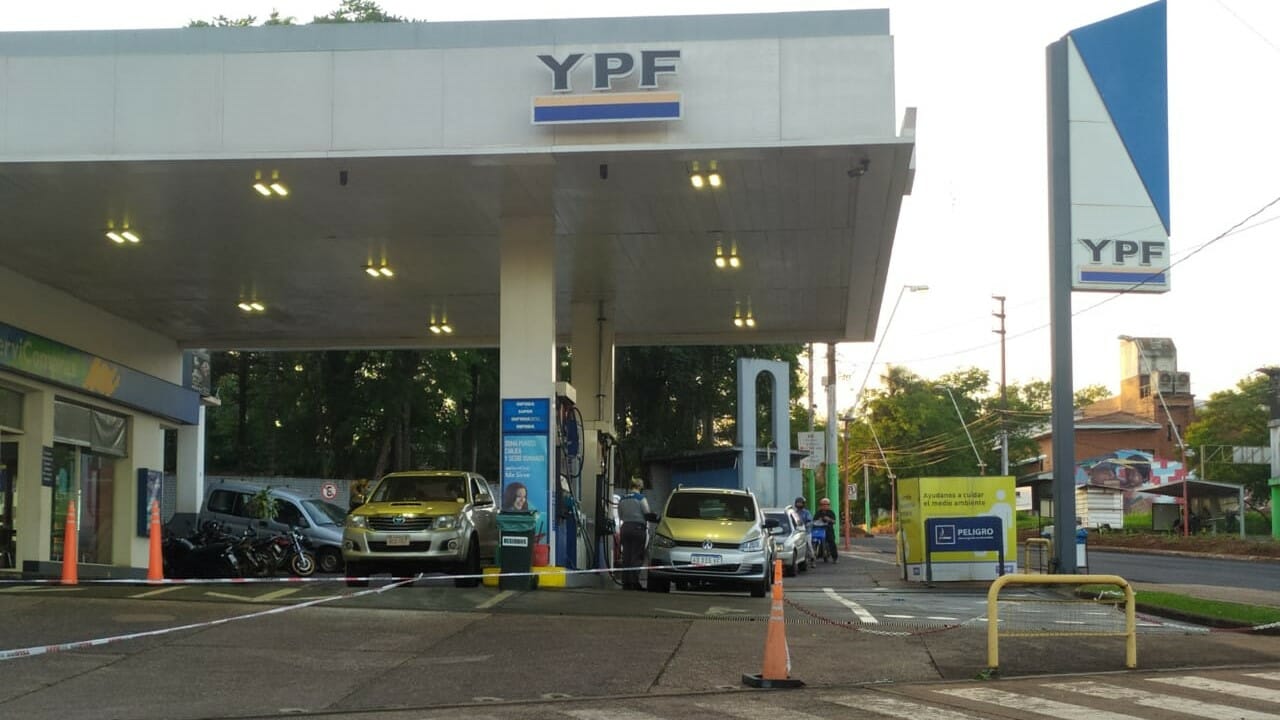
Amid Currency Devaluation And A 12.5% Increase In Fuel Prices, Oil Companies In Argentina Agreed With The Government To Keep Prices Unchanged Until The October Elections.
After a whirlwind of devaluations and adjustments, the scenario of fuel prices in Argentina seems to have found a moment of stability, with eyes turned towards the upcoming elections. Several companies in the sector made the surprising decision to freeze fuel prices, while a market leader took a different route.
YPF Announces Immediate Increase While Competitors Keep Prices Stable
Last Monday witnessed an atypical movement in the Argentine fuel sector, when companies announced a 12.5% price increase, only to backtrack in the face of a crucial political situation.
Both the government and the oil giants agreed to keep prices stable until the October elections, in a rare demonstration of mutual agreement.
-
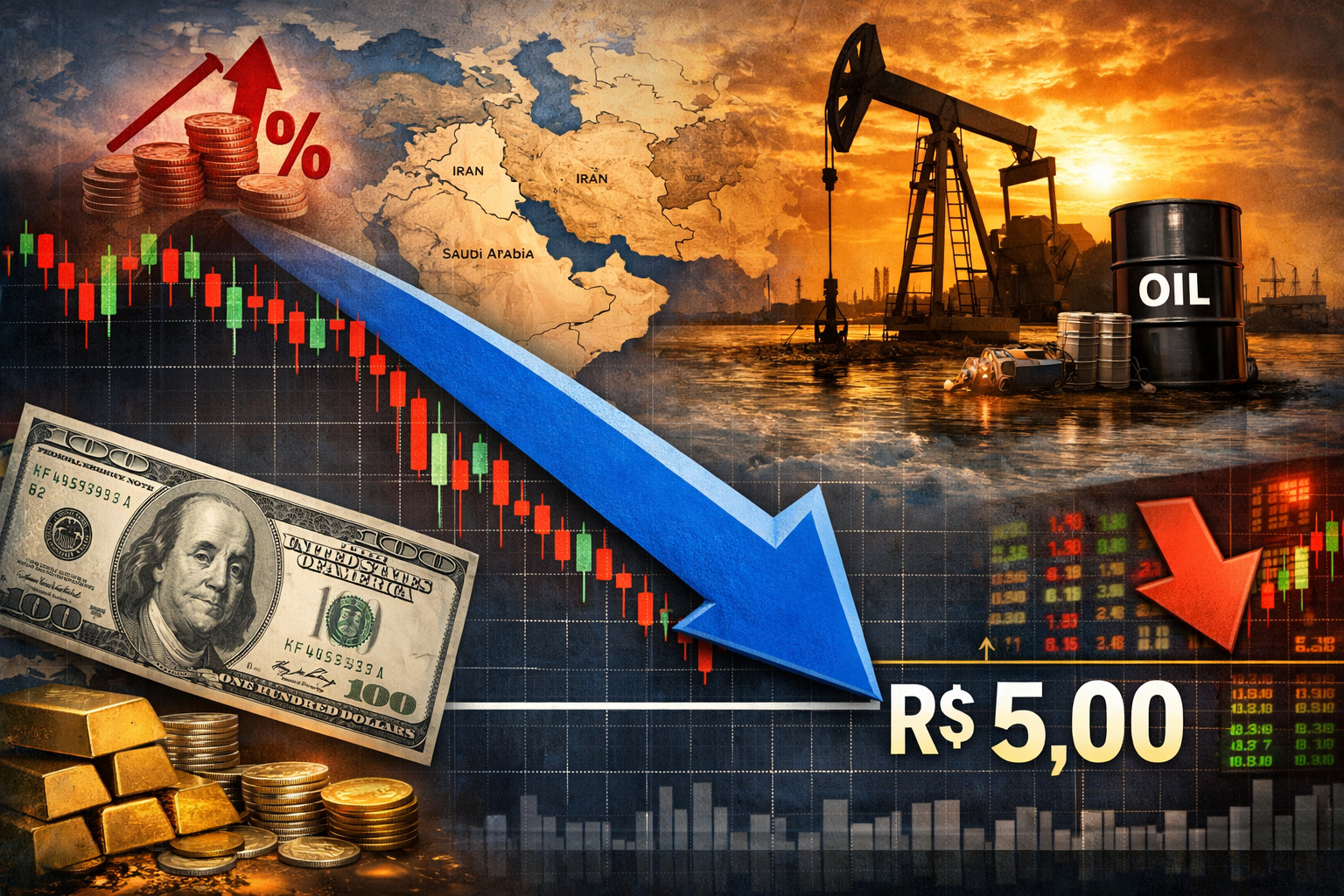
Weak dollar or strong real? The American currency plummets for the third day, approaching R$ 5 and surprising the market with global inflation and tensions in the Middle East that continue to create global uncertainty.
-
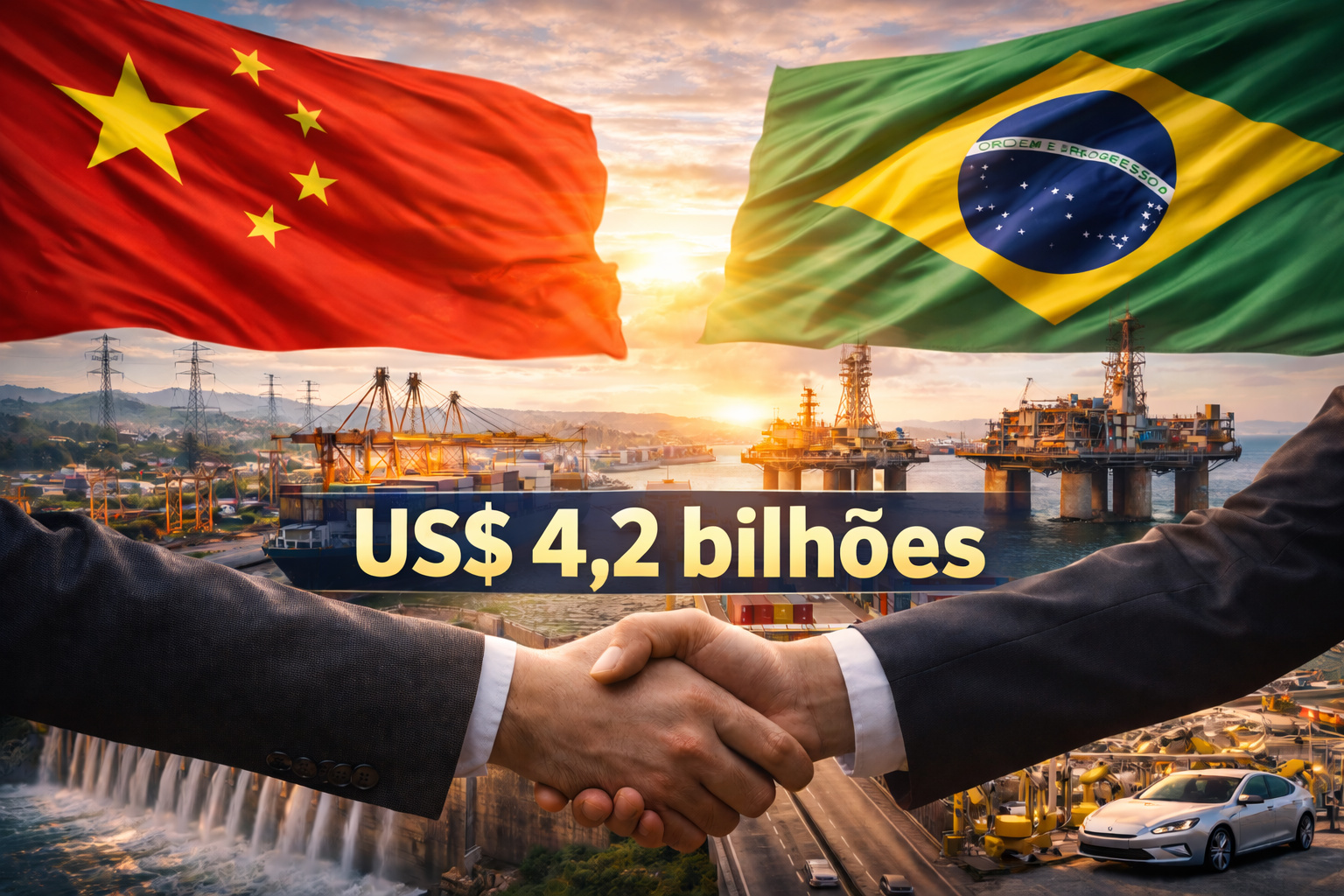
China’s investments in Brazil in factories, energy, oil, electric cars, and new industrial projects double to $4.2 billion, making the country the 3rd largest global destination for Chinese capital.
-
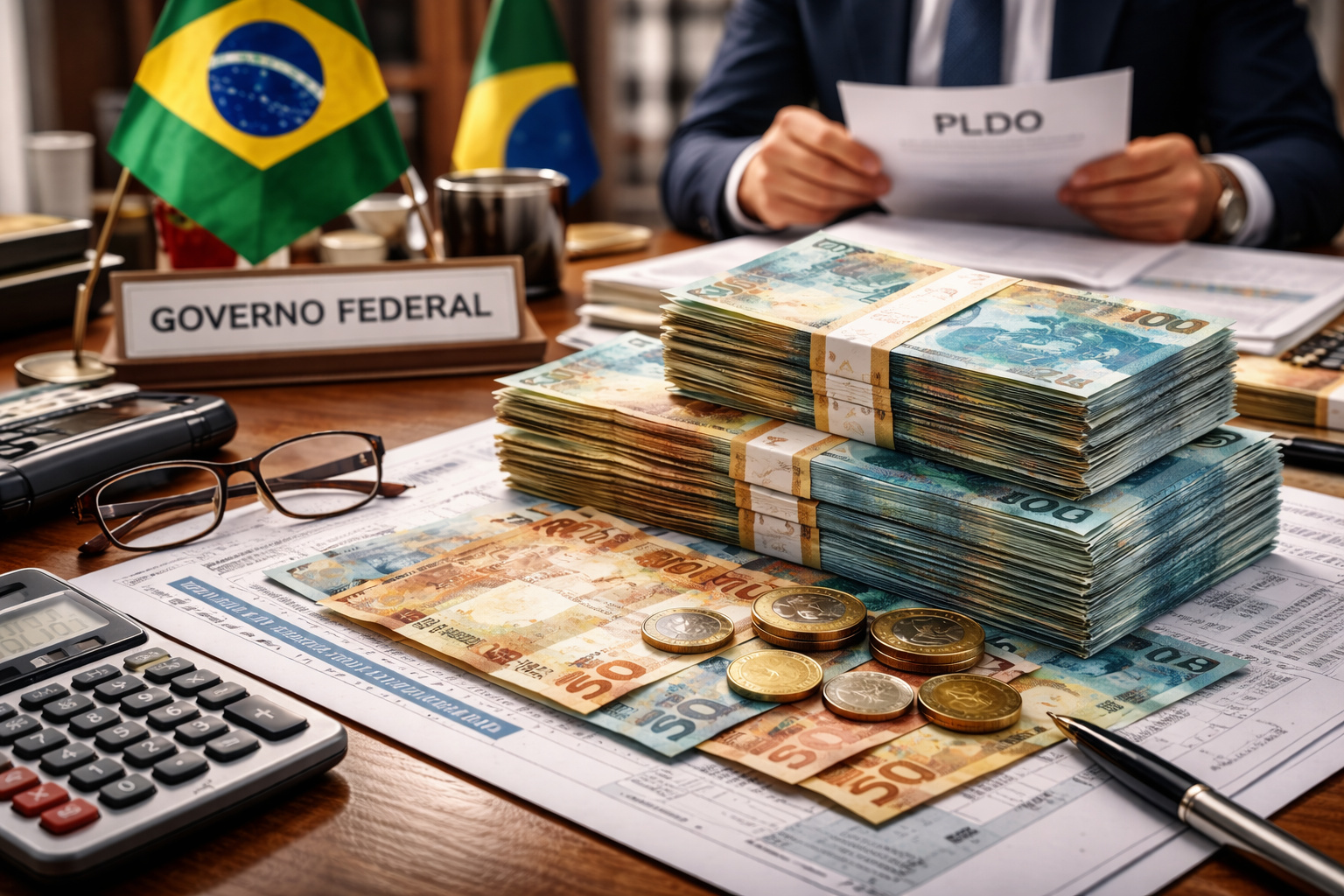
Lula announced that 160,000 students in debt with FIES will be included in the federal government’s renegotiation package and compared the cost of an inmate to that of a student by saying that Brazil invests in criminals when it does not invest in education.

-
Young people are leaving college in the United States and competing for jobs in construction with salaries of R$ 500,000 per year.

However, YPF, which holds a significant 55% share of the gasoline and diesel market, chose to diverge.
The company, which had stayed out of previous increases, surprised by announcing it would implement a 12.5% increase as early as Thursday (1708).
This isolated move puts YPF in a prominent position, questioning the temporary uniformity that seemed to have been established.
The unfolding of this situation was driven by the recent leap in the official exchange rate, a measure validated by the government on Monday.
This increase began to be passed on to fuel prices, with companies like Shell, Axion, and Puma Energy applying the 12.5% adjustment on gasoline and diesel.
The resolution of this standoff occurred through a crucial meeting between government representatives, led by Economy Minister Sergio Massa, and representatives from the oil sector.
As part of the agreement, the government granted tax benefits to companies, on the condition that they commit to not violate the pact.
Fuel Prices In Argentina Seek Stability Amid Electoral Scenario
Sergio Massa emphasized: “The 12.5% increase will be the last until October 31. Part of this burden will be shared among consumers, companies, and the state, which will forgo part of its tax revenue on fuels. I thank the companies for our reaching this understanding.”
This development occurs in a scenario where Argentina faces significant increases in fuel prices throughout the year, following a trajectory of 63% concerning the accumulated inflation until July.
The gap between the local price of a barrel of oil and the international price of Brent continues to widen, exacerbating pressures on consumers and the economy.
The Argentine fuel sector, although unregulated, is largely influenced by YPF, the central reference for gasoline and diesel prices.
However, the recent move by companies to not wait for government negotiations demonstrates a shift in market dynamics, with elections rapidly approaching.
The scenario remains uncertain, but for now, Argentine consumers can breathe a sigh of relief with the promise of stable prices on the eve of elections that will shape the country’s political future.
The subsequent unfolding will depend on the complex interaction between political and economic factors that drive the industry and, consequently, fuel prices in Argentina.








Seja o primeiro a reagir!