





 Portuguese
  English
  Spanish
  4 min of reading
  2 comments





Florianópolis City Hall Claims It Has Already Returned More Than 500 People Who Arrived Without Housing or Jobs. Action Occurs at the Bus Station and Provides for Offering a Ticket Back to Those Who Have Nowhere to Stay, According to the Mayor.
The mayor of Florianópolis, Topázio Neto (PSD), stated in a video posted on social media that the city hall has already “returned” more than 500 people who arrived in the capital of Santa Catarina without jobs or defined housing.
According to him, the action is coordinated by the Social Assistance Department, which maintains an advanced post at the bus station to approach newcomers, identify family ties, and offer a ticket back to their city of origin or to a location where family members can accommodate them.
“If they arrived without a job and a place to live, we provide a ticket back,” declared the mayor.
-
Sprinkling dry baking soda directly on the carpet neutralizes odors from sweat and food without wetting the fibers, allowing you to forget about the vacuum cleaner for weeks using a product that costs less than five reais.

-
A bottle thrown into the sea by two Australian soldiers in 1916 on their way to the trenches of World War I was buried in the sand for over 100 years, and the letters inside it were still legible when they were found.

-
China invests over R$ 4.2 trillion, builds the largest water network in the world with 95,000 reservoirs and 1 trillion m³, expands piped water access to 96% of rural areas, attracts R$ 565 billion in foreign investments, and advances with the “longevity gene” in rice.

-
Heineken’s factory in Brazil surprises the world by reducing water consumption for beer production from nearly 10 liters to just 2.2 liters per liter produced, achieving a 23% decrease with real-time technology.

Post Operates with Social Approach at the Bus Station
According to the city hall, the work of the post at the bus station consists of identifying individuals in vulnerable situations and offering alternatives for assisted return when immediate housing conditions are not available.
The screening includes identification, verification of ties, and contact with family members.
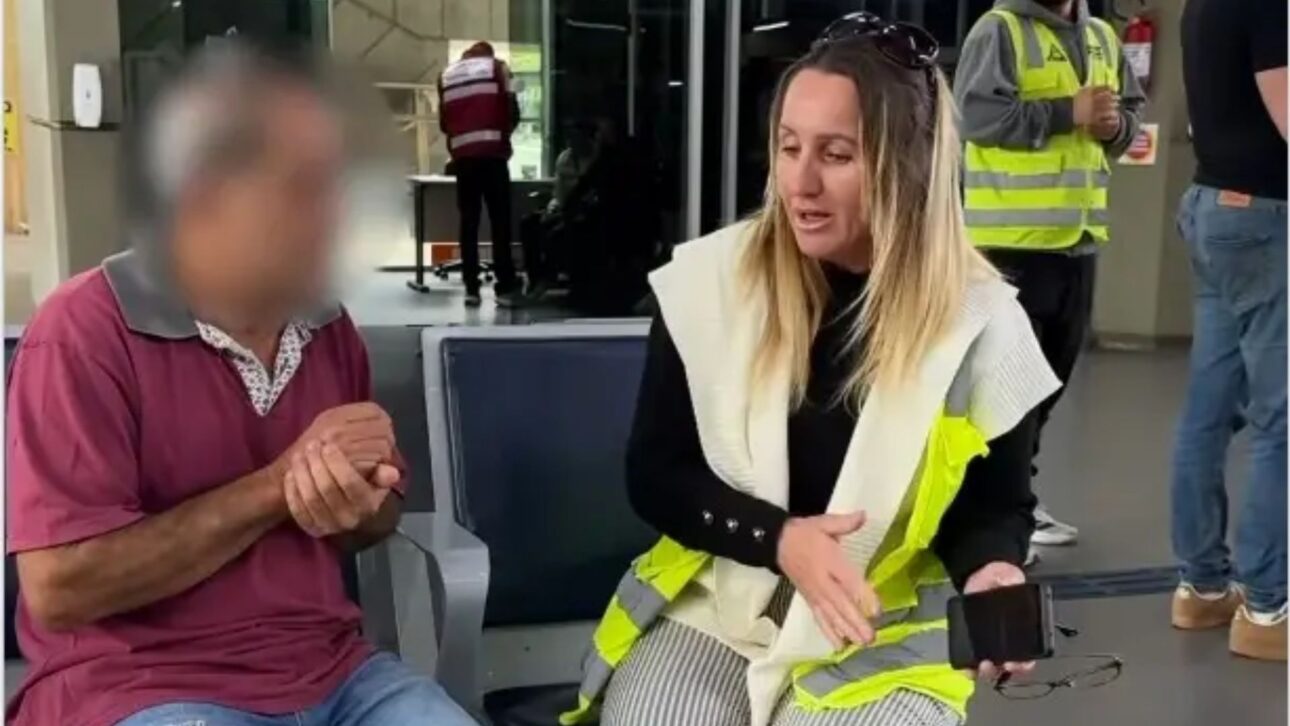
In cases without support networks, the priority, according to the municipal administration, is to send individuals back to their municipalities of origin, with the cost of the ticket covered by the government.
The administration stated that the goal is to prevent an increase in homeless individuals and organize the flow of those arriving in the city seeking opportunities.
Furthermore, the mayor added that the return is offered only when the person accepts the proposal, and the procedure does not impede the right of movement.
Mayor’s Statements and Examples Presented
In the publication, Topázio presented the case of a man who allegedly arrived without ties to the capital.
He stated that the Social Assistance team tried to locate close relatives to accommodate the migrant.
The mayor also declared that he would forward the case to the Public Prosecutor’s Office, but did not provide details about the reason for the referral or its subsequent progress.
The video was shared on the official social media of the manager, who mentioned the intention to increase the team’s presence at the terminal during periods of higher traffic, such as holidays and summer seasons.
Number of Assistances and Program Reach
The city hall attributes to the program the return of more than 500 people since the operation began.
However, the agency did not specify the period in which these assistances occurred, nor did it release data regarding origin, social profile, or total cost of the tickets.
There is also no public information on how many migrants chose to stay in the city and were referred to municipal shelters or services in the network.
The administration claims that the operation at the bus station allows for immediate engagement and quick referrals, reducing the risk of homelessness.
Social policy experts consulted by local media evaluate that programs of this nature should have transparent criteria and constant monitoring to ensure that the return is voluntary and that the rights of vulnerable individuals are respected.
Repercussions and Legal Questions
The mayor’s announcement had repercussions on social media and generated questions about the legality of the procedure.
Representatives of entities related to social assistance and human rights defenders state that return policies must observe the norms of the Unified Social Assistance System (SUAS), which provides for humane care and continuous social follow-up.
Among the points raised by experts are the consent of the migrant, the guarantee of safe transportation, arrival in a suitable environment, and the need for documentary registration of the cases.
According to them, it would be ideal for municipal administrations to publish transparent data about the assistances and the results of the program to allow public monitoring.
What the City Hall Says
In a statement, the City Hall of Florianópolis stated that the service at the bus station is part of a preventive action aimed at immediate social protection.
The management informed that the approaches are conducted by Social Assistance professionals and that the return is offered only voluntarily.
The municipality also highlighted that it maintains shelter vacancies and temporary benefits for individuals who choose to stay in the city.
The city hall added that the work includes qualified listening, searching for relatives, and referrals to the protection network when necessary.
No public reports have been released regarding the number of approaches or the follow-up of individuals who accepted the ticket back.
Lack of Data and What May Happen
So far, there are no published official documents with formal criteria, goals, or performance indicators for the program.
It has also not been stated whether there is a specific municipal legislation regulating the “assisted return” or if the measure is based solely on internal administrative procedures of the Social Assistance.
The mayor said he had referred one of the cases to the Public Prosecutor’s Office of Santa Catarina, but the office’s advisory has not yet confirmed receipt or any investigation.
The report found that in other Brazilian capitals, similar social return policies are usually implemented on a case-by-case basis, generally based on express request from the beneficiaries themselves.






Cuiabá precisa de um prefeito de atitude assim, ou seja do saco roxo.
Se for do saco roxo nao vai dar em nada.