





 Português
  Inglês
  Espanhol
  3 min de leitura
  0 comentários


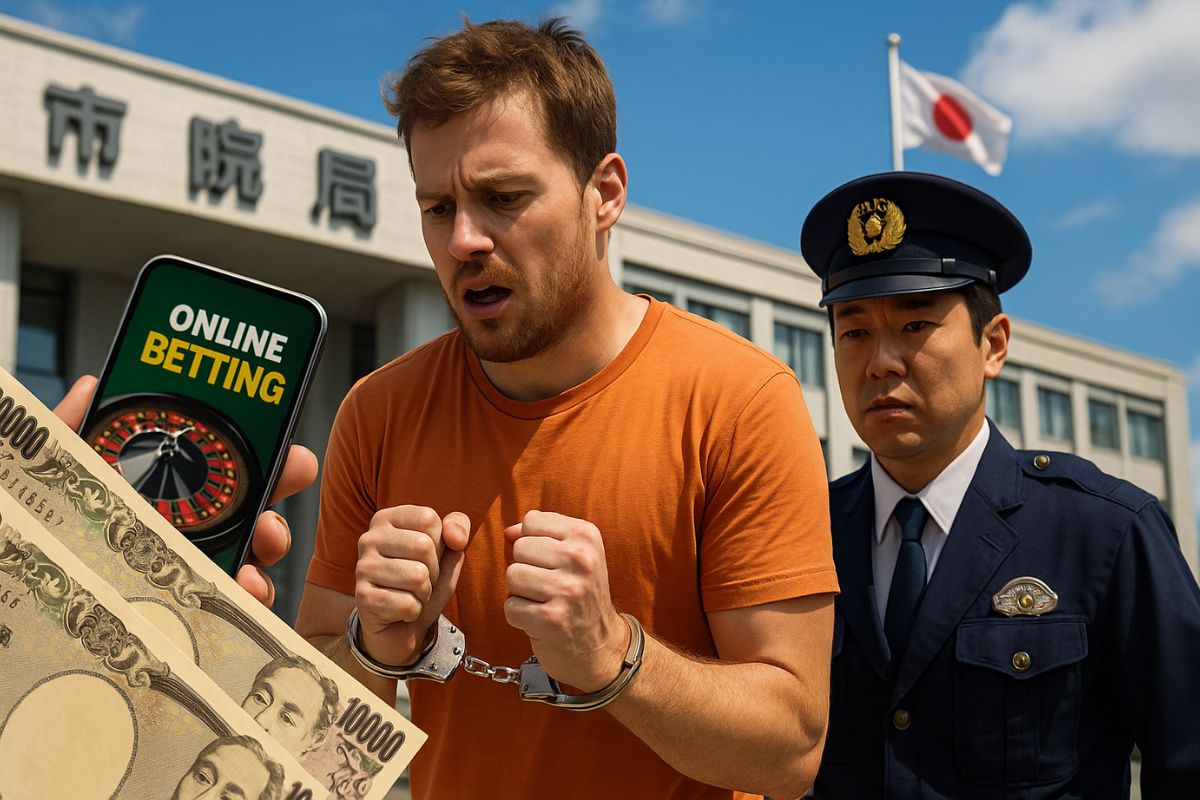
The Case In Which The City Hall Of Abu In Japan Erroneously Transferred The Equivalent Of R$ 1.8 Million To A Single Resident And Saw The Money Disappear In Online Bets Exposed Serious Failures In Public Administration And Social Payment Control
The incident involving the City Hall of Abu in the Japanese province of Yamaguchi became one of the biggest recent administrative scandals in the country. In April 2022, an employee made a sending error and deposited a total of 46.3 million yen, equivalent to about R$ 1.8 million, into the account of just one resident. The money was supposed to be divided among 463 low-income families as part of an emergency aid program during the pandemic.
The accidental beneficiary, Sho Taguchi, 24, did not return the amount. Within a few weeks, he spent the entire sum on online gambling and ended up being arrested for electronic fraud. The case sparked public outrage, official apologies, and a rush by the City Hall to recover the diverted funds.
How The Error Occurred
The failure occurred during the collective bank transfer process.
-
More tolls! The Anchieta-Imigrantes system will start implementing charges in both directions with free flow on July 1st, a fee of R$ 19.35 per segment, the end of toll plazas, and a project for a new 21.5 km lane.

-
A Brazilian city has a water park in the middle of the forest with tickets priced at R$ 29, over 300,000 m², 40 attractions, heated pools, and a record of 700,000 visitors in one year.

-
With an unusual prize, Japan transforms office chairs into a resistance race on the streets, ISU-1 Grand Prix grows, fills stages, and pays 90 kilograms of rice.

-
House in England with a 7.6-meter shark embedded in the roof attracts attention worldwide and becomes a curious attraction in Oxford.


The city was still using floppy disks to send payment data, and an incorrect formatting caused Sho Taguchi’s account to be interpreted as the recipient of the total amount.
The error went unnoticed until other beneficiaries began to complain about not receiving their payments.
Upon realizing the problem, the City Hall made immediate contact with the resident.
Taguchi promised to return the money but then disappeared. A few days later, he transferred almost the entire sum to online betting companies.
The City Hall then sought the Justice to block the transactions and attempt to recover the funds.
The Destination Of The Money And The Arrest Of The Resident
Investigations revealed that Taguchi had quickly moved the money between accounts linked to three payment processors.
One of them still held part of the balance and returned more than 35 million yen to the City Hall, which was essential for recovering a good portion of the amount.
Nonetheless, the young man was indicted and arrested in May 2022. He confessed to having lost all the money on betting sites and expressed remorse.
In February 2023, a district court in Yamaguchi sentenced him to three years in prison, with a five-year suspended sentence, considering that the amount had been returned and that he demonstrated cooperation during the process.
The Financial And Political Impact On The City Hall
The City Hall of Abu had to redo all payments to the 463 low-income families, which represented a new expenditure of 46.3 million yen and generated significant repercussions among taxpayers.
Mayor Norihiko Hanada made a public apology and promised to review electronic transfer protocols to avoid further errors.
The case also opened a national debate on the security of social transfer systems.
Many Japanese were surprised to learn that some local administrations were still operating with floppy disks and manual systems.
Experts pointed out that the episode demonstrated how small technical failures can lead to million-dollar losses and undermine public trust in governance.
The Repercussions And Lessons Of The Case
The incident in Abu became a symbol of administrative negligence and vulnerability to new forms of digital betting.
The way the money was spent reignited discussions about online gambling addiction and personal financial control.
At the same time, the City Hall managed to recover practically the entire amount thanks to judicial action and the return made by the involved companies.
Still, the case left deep marks: the city’s public image was tarnished, and the failure highlighted the urgency to modernize the public sector’s payment systems in Japan.








-

-

-

9 pessoas reagiram a isso.