





 English
  Francês
  Alemão
  Italiano
  Japonês
  Norueguês
  Portuguese
  Spanish
 6 min of reading


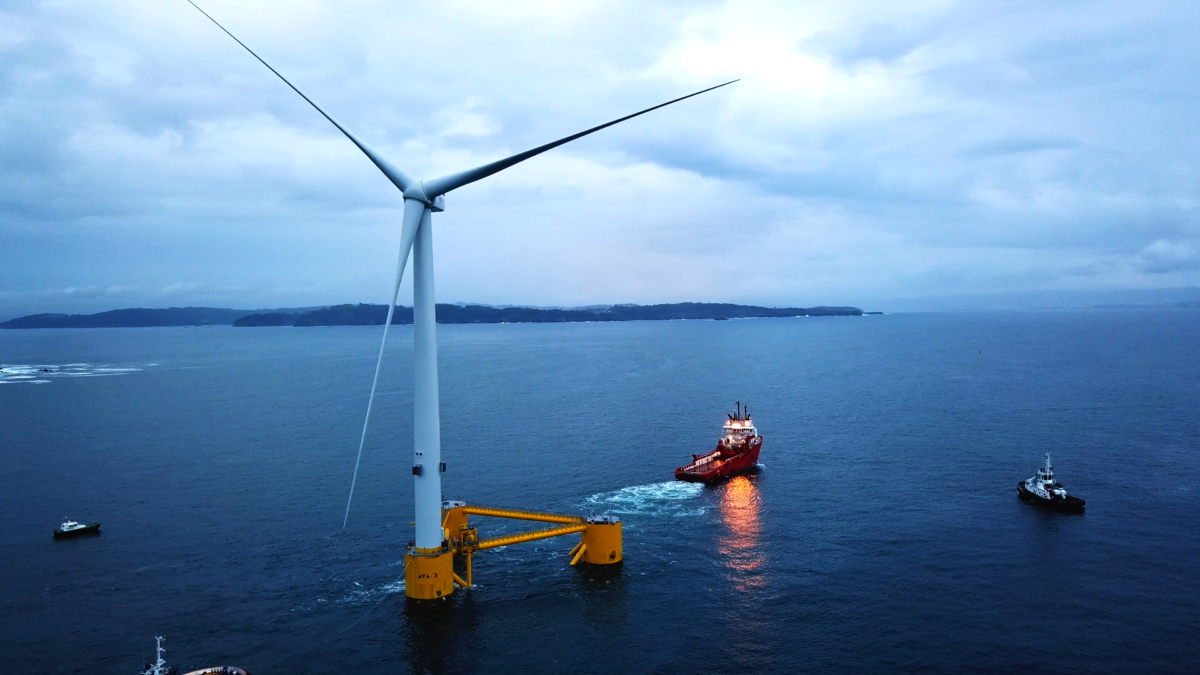
Ceará Counts on Support from Giant International Investors. The Asa Branca Wind Farm Project, Under Analysis by Ibama, Calls for the Installation of 10 Modules, Each with 72 Turbines of 15 MW, to be Supplied by Vestas, which Already Manufactures Them in Denmark, or by GE or Siemens
According to Bloomberg NewEnergy Finance, provided that current regulations are met, Ceará and Brazil could transform into the Saudi Arabia of Green Hydrogen at the lowest global cost. The existing legal norms are “totally applicable” to other wind power generation projects at sea, stated the majority partner and CEO of Eólica Brasil Ltda, who developed the project for the first offshore wind farm in Brazil — the Asa Branca, located within the sea of the municipalities of Amontada, Itarema, and Acaraú, in an interview with Diário do Nordeste.
Read Also
- Oil Prices Soar and Surpass US$ 80 After OPEC+ Decides to Increase Production to 400,000 Barrels Per Day (bpd) in February and the U.S. Celebrates
- China Passes the U.S. and Will Be the Only Country with its Own Space Station; to Take the Lead in Space Exploration, the Chinese Government Will Build a Base in the Moon’s South Pole with Russia
- Portuguese Multinational Has Ambitious Plans in Brazil, Bets on the Brazilian Market, and Projects Revenue of Over R$ 218 Million in 2025
- Gold Mine in the Heart of the Brazilian Sertão: Canadian South Atlantic Gold Invests R$ 13 Million in Ceará, and the State Could Have the First Commercial Exploration of the Mineral in History
- Petrobras Transferred on Saturday (12/4) the Operation of the Bahia GNL Regasification Terminal to Excelerate, and the Brazilian Oil Company’s Regasification Ship Will Be Directed to the Pecém Terminal in Ceará
The executive, who is also the president of Abemar (Brazilian Association of Offshore Wind Energy), reveals in the interview that it is necessary to “demystify the false legal insecurity for offshore wind projects, given that the existing general norms are totally applicable and were applied to the Asa Branca Offshore Wind Farm, of my company, there in Ceará.”
(The Asa Branca wind farm project, under analysis by Ibama, calls for the installation of 10 modules, each with 72 turbines of 15 MW, to be supplied by Vestas, which already manufactures them in Denmark, or by GE or Siemens, which will certainly be manufacturing them at the time of the project’s implementation as well).
-
Rio Grande do Sul accelerates energy transition: State invests in renewable technologies and consolidates decarbonization strategies and pathways to attract billions in new industrial investments.

-
With 160,000 m² of collectors, an area larger than 20 football fields, Silkeborg, in Denmark, hosts a solar thermal plant that heats 19,500 homes and could become the largest solar heating plant in the world.

-
A study reveals the expansion of renewable energy procurement in Brazil and shows how companies are taking advantage of opportunities to reduce expenses, ensure energy efficiency, and strengthen strategic environmental commitments.

-
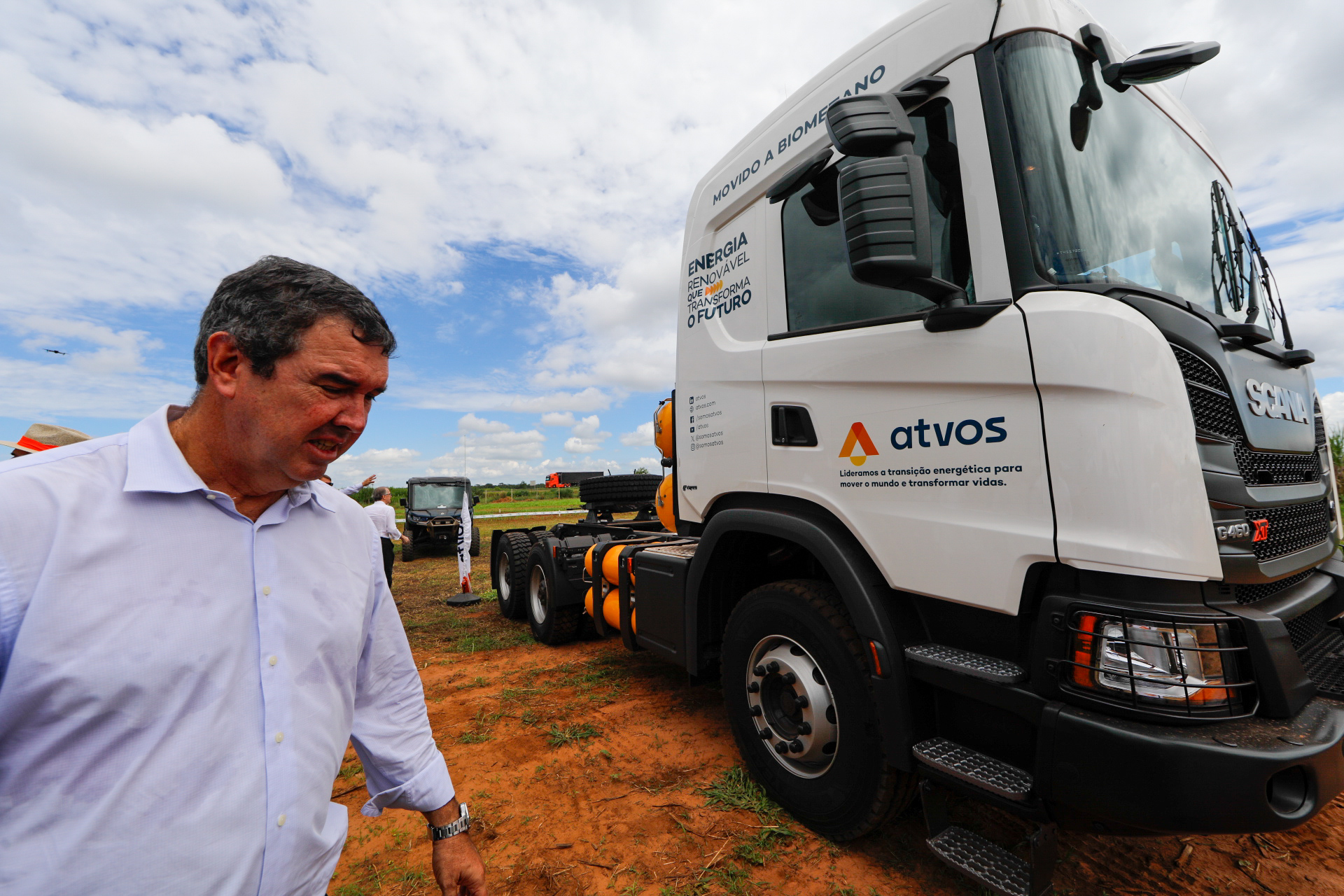
Mato Grosso do Sul excels in the sugar-energy sector: the state reaches a milestone of 22 operating mills and accelerates the production of clean energy in MS with a focus on sustainability.

Ceará Could Be the Saudi Arabia of Green Hydrogen
Check below an exclusive interview with the subject specialist Marcelo Storrer, for Diário do Nordeste:
“Ceará and Brazil could transform into the Saudi Arabia of Green Hydrogen at the lowest global cost, as previously indicated by Bloomberg NewEnergy Finance, provided that current regulations are met,” predicts Marcelo Storrer, whose project already has the support of major international investors.
“We were the only ones to obtain the DRO (construction authorization) for offshore wind farms in 2016. In 2019, we obtained DRO 1.693/19, which was tacitly renewed in 2020 and 2021, despite the incorrect information spread in the market that the general norm of REN Aneel 876/20 for authorization of wind farms (in general) does not apply to the specific case.
“Just to mention part of the applicable norms in general to offshore wind energy, I refer to Dec. 2233/97, Art. 1º, I, a; to Law 9636/98, Art. 18, 19, 42, paragraph 1º; to the same Law 9636/98, Articles 1º to 3º; to REN Aneel 876/20 and other norms from SPU (Portaria SPU 402/12, IN SPU 02/18, IN SPU 05/18, among others).
“I have read several articles, including in the column by Egídio Serpa, in Diário do Nordeste, about legislation where the interviewees do not have legal training, and there is a lot of incorrect information being propagated, which can and must be corrected for the sake of truth,” says Storrer.
The Northern Coast of Brazil Awarded by the Trade Winds in RN, CE and PI
“There is a symbiosis between Green Hydrogen (H2V) and Offshore Wind. The northern coast of Brazil, which was awarded by the trade winds in RN, CE and PI, will transform Ceará and Brazil into the Saudi Arabia of H2V at the lowest global cost, as previously indicated by Bloomberg NewEnergy Finance.
“However, this will only happen if state governments support and the federal government approves offshore wind projects currently under review based on the general regulations applicable to this type. H2V depends on clean power generation at scale, which will be enabled by offshore wind above 1,000 MW, which will allow for the sale of 300 MW year-round as firm energy in quantity contracts, and the pricing will make offshore wind viable.
“The surplus will be sold for availability at a price and scale sufficient to make H2V viable. Thus, offshore wind and H2V will self-reinforce in a symbiosis, without government subsidies.”
According to the executive and subject specialist, “The existing general norms support all aspects of generation, transmission, and commercialization, by the private sector, of electricity from wind sources at sea, in the form of independent energy production (PIE).
“Let’s break it down: Environmental Licensing: Ibama issued a specific TR-EIA/RIMA; the PIE is subject to Authorization; there is no law mandating bidding for authorization, which is always the result of the citizen’s request at any time and at their own risk. Whoever first requests and meets the requirements closes the area to third parties, removing the competitiveness conditions for any bidding. Hence its non-requirement.
“Moreover: the SPU allows Aneel to authorize DRO/PIE before the assignment contract, based on a declaration of area availability. Aneel must accept it under penalty of invading SPU’s jurisdiction, such as creating new properties at sea, registering them with the SPU and recording them in the RI; generating electric power from any of its sources is an economically advantageous utilization of high national interest.
The Union Only Charges for the Use of Areas of Exclusive Use by the Interested Party, which in Offshore Wind are the Water Surface Occupied by the Foundations of the Platforms
“The Union can grant the private sector the right to use its properties at sea for economically advantageous use of national interest; the value of the m² of the new properties at sea is the average value of all areas in the Municipality’s Generic Value Plan; SPU regulations for onerous leasing of maritime properties for platforms should be applied to offshore wind, since in these cases the turbines are never installed directly in the sea, but always on platforms;
“The Union only charges for the use of areas of exclusive use by the interested party, which in offshore wind are the water surface occupied by the foundations of the platforms, plus a 50 m navigation restriction radius around them; each platform occupies one property; the areas of the underground electric conductors are designated by free passage authorization, as the public can navigate over them, displacing exclusive use; 
“A leasing contract encompasses the properties of the wind farm and the free passage authorization of electric conductors; 2% of the value of the Union’s properties used exclusively is paid annually to the SPU; there are mandatory clauses in onerous leasing contracts of Union properties with the private sector; the SPU must receive the DRO or PIE from Aneel as authorization for leasing under penalty of the SPU invading Aneel’s jurisdiction; there are rules for connection to the basic network of SIN (National Interconnected System) and for the commercialization of electricity in regulated and free markets.
In Conclusion, Marcelo Storrer, Lawyer Graduated from USP, States:
“In conclusion: new laws or decrees are unnecessary for making offshore wind viable in Brazil; Aneel has the duty to grant DRO and PIE to offshore wind; the SPU must receive DRO/PIE as authorization for leasing and execute a contract for onerous leasing of use with the person authorized by Aneel, with exemption from bidding due to lack of competitiveness conditions.”
This column hopes to have contributed to the northeastern renewable energy market, especially the sector related to offshore wind energy generation, with clarifications that will aid in understanding the issue, which requires a lot of technical knowledge.
by- Egídio Serpa in Diário do Nordeste







Seja o primeiro a reagir!