





 English
  Francês
  Alemão
  Italiano
  Japonês
  Norueguês
  Portuguese
  Spanish
  4 min of reading


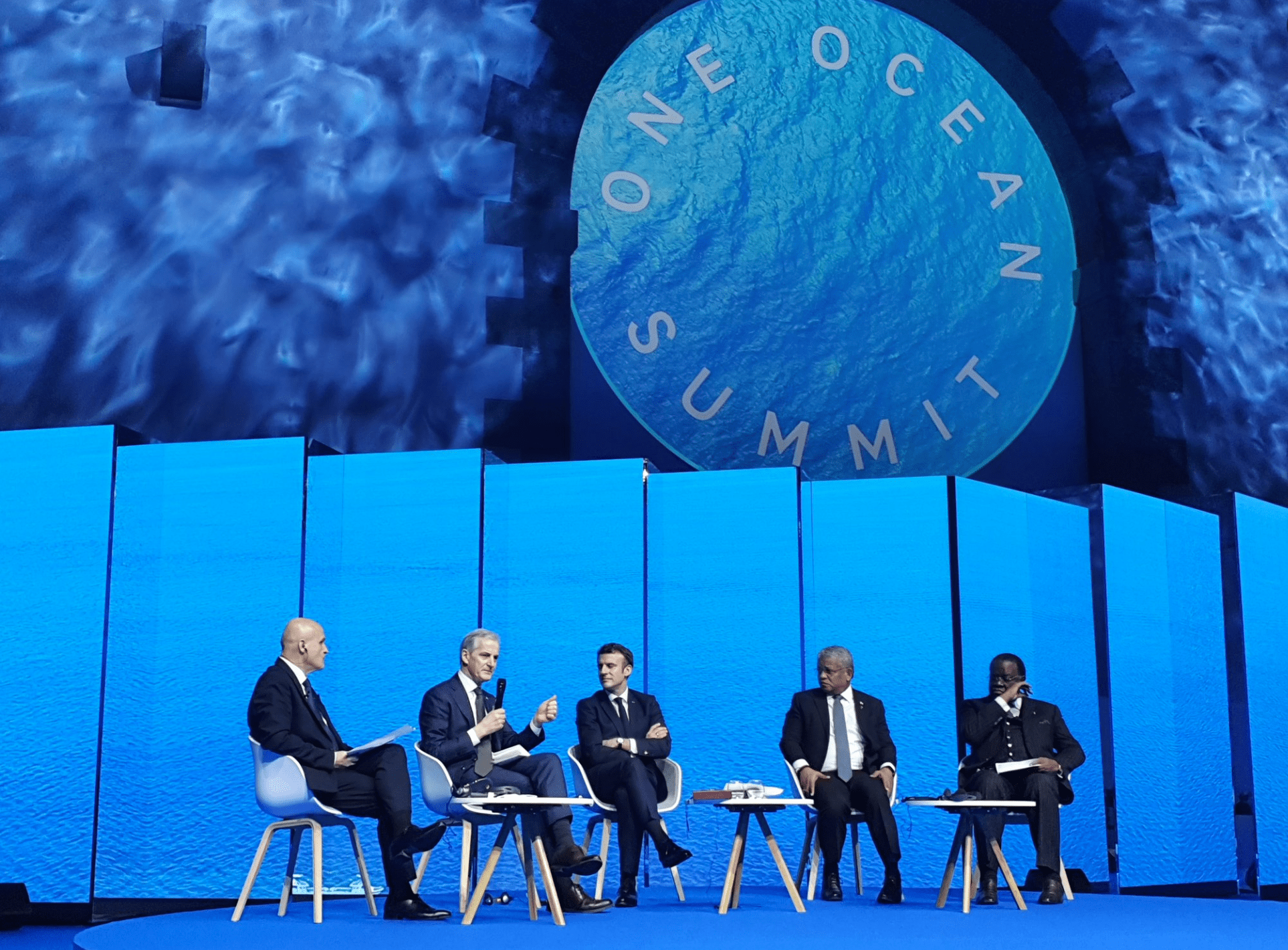
At The Last Summit In France, Global Leaders Signed Agreements On Decarbonizing Maritime Transport And Creating The Blue Carbon Market
On February 11, The One Ocean Summit concluded, the first high-level global summit dedicated to ocean advocacy. It gathered more than 40 world leaders who committed to combating illegal fishing, decarbonizing maritime transport, reducing plastic pollution, and creating a blue carbon market.
Read Also:
- Technicians And Engineers Are Required By The Construction Company Timenow For Job Vacancies In São Paulo;
- Companies Request Concession To Build Railways In 12 Sections Of Mato Grosso;
- PicPay App, In Partnership With A Digital School, Opens 50 Thousand Slots In A Free Course
According to the original text by Gabriel Chiappini, available on the website of Epbr, the event lasted for 3 days in the French city of Brest and is the start of many international meetings about the oceans.
More than 100 nations signed the Brest Commitment for the Oceans, which outlines resolutions for maritime transport:
-
Chinese giant worth nearly R$ 4 billion that manufactures cables for electric cars, solar energy, and robotics wants to open a factory in SC.
-
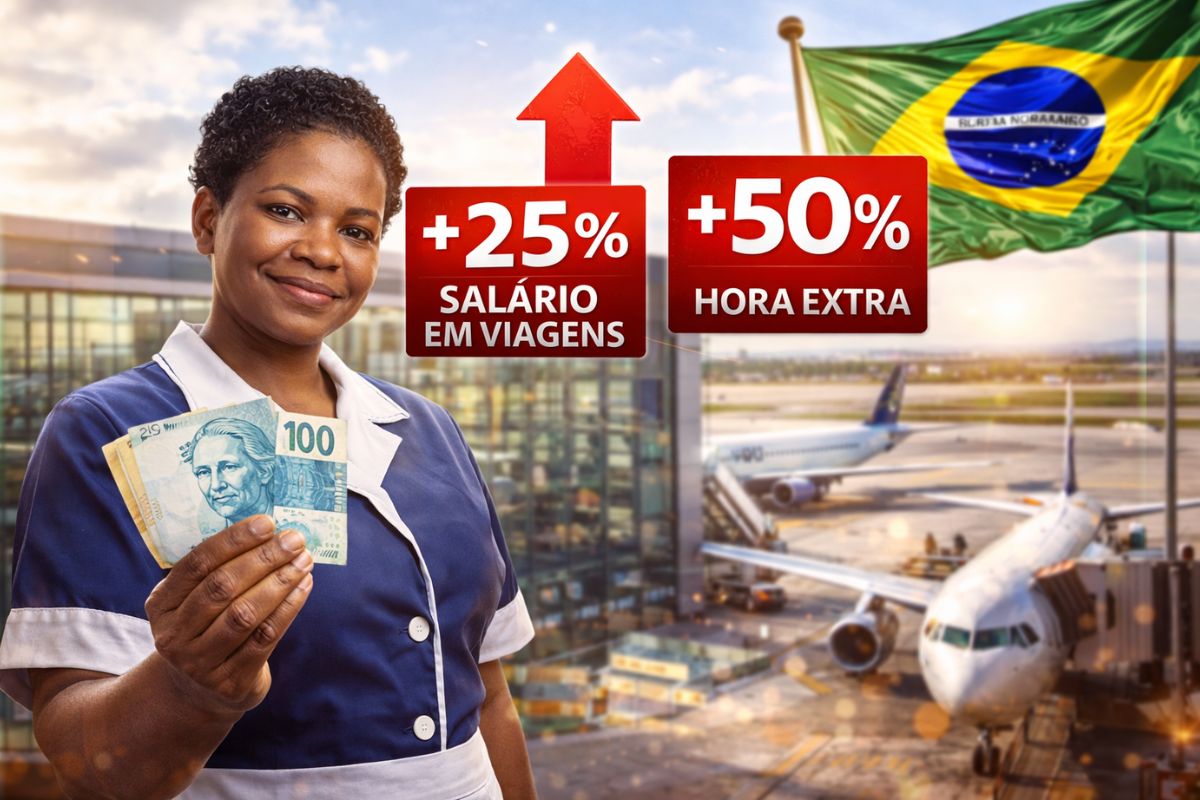
Many employers do not know, but the law guarantees domestic workers a 25% increase in salary during trips, 50% for overtime, 20% for night shifts, and 17 additional benefits that can lead to labor lawsuits if not paid.
-
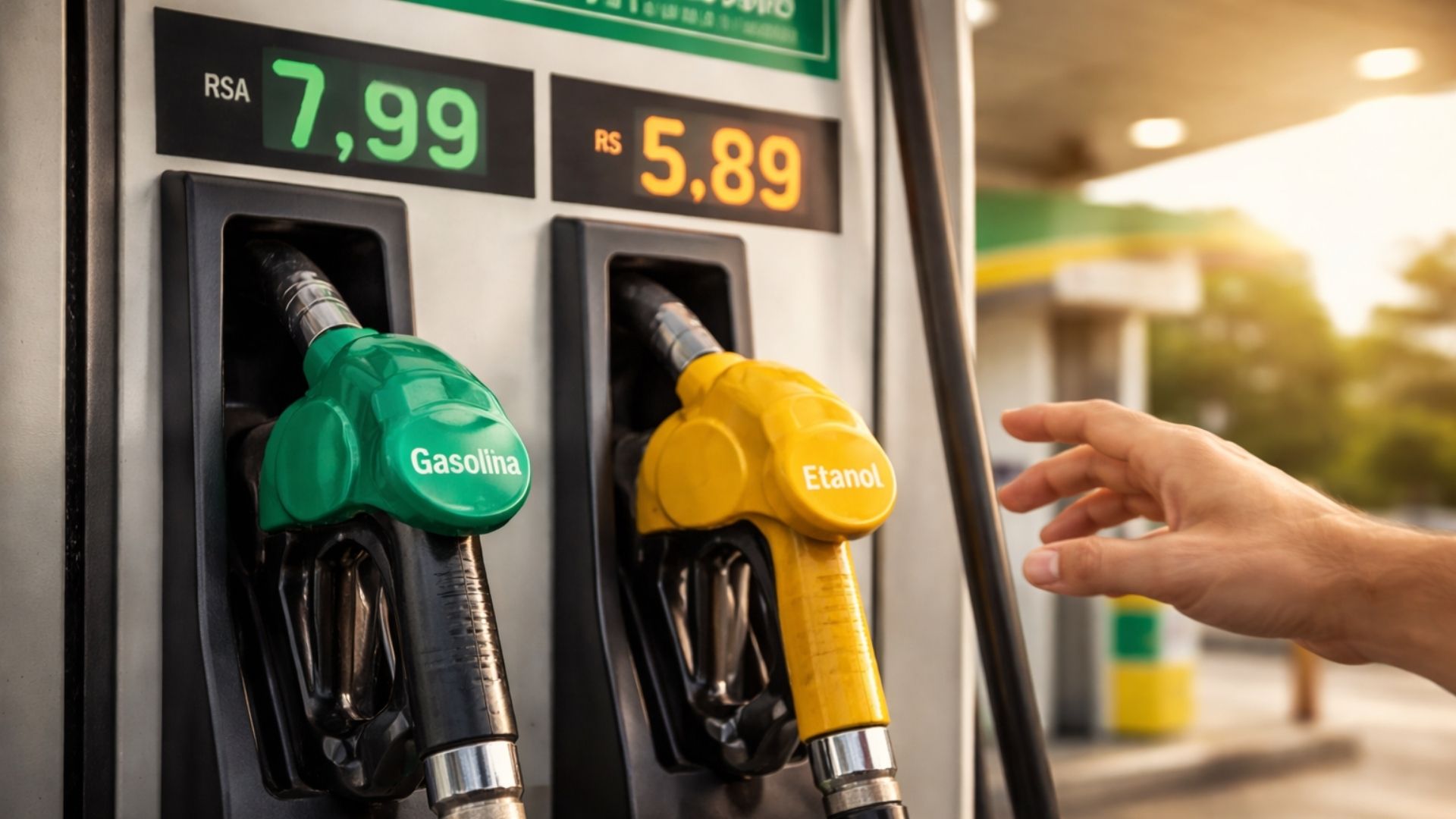
Gasoline prices soar and the question arises: is ethanol more advantageous? The 70% rule reveals the limit with gasoline.
-
The government has made a decision and is starting a test with more ethanol in gasoline, anticipating a mixture of up to 35%, diesel with 25% biodiesel, and a study to assess the impacts on engines.

- 22 shipowners committed to the Green Marine Europe label, which proposes reducing underwater noise, greenhouse gas emissions, and oil discharge;
- 35 stakeholders, including 18 global and European ports, agreed to expedite electricity supply to anchored ships to limit pollutant emissions;
- The European Union and Mediterranean countries intend to request the International Maritime Organization to create a low-sulfur emission zone in the Mediterranean starting in 2025.
According to Emmanuel Macron, President of France and organizer of the event, this year will be decisive. “In Brest today, we need to commit and make firm and clear promises,” he told the other leaders.
The day before the summit, Macron announced the growth of nuclear thermoelectricity in the country as a tactic to achieve carbon neutrality by 2050.
Blue Carbon Market
At the meeting, Macron also highlighted the importance of oceans in carbon capture and proposed an alliance to enhance the blue carbon market, with support from Costa Rica and Colombia, and financial organizations such as Bank of America and HSBC.
The aim of the partnership is to gather blue carbon projects and accelerate climate financing that aligns with biodiversity. “Preserving underwater vegetation is one of the concrete solutions to global warming. Today we are launching a coalition for blue carbon, to identify and fund actions for our biodiversity,” explained the French president.
The CEO of Conservation International, a member of the coalition, M. Sanjayan said, “We plan to reach more partners in the coming weeks. This partnership will align investors and implementers around shared principles and priorities.”
Green Corridors For Ships
John Kerry, U.S. Climate Envoy, supported the use of sustainable fuels and the development of green corridors for decarbonizing maritime transport. “Ocean-based solutions are essential to the climate effort. We must immediately push for the decarbonization of maritime transport, for example,” he stated.
“In the U.S., we are charting a path to establish and advance green maritime transport corridors, both domestically and globally. Our vision for green transport corridors will be realized through the rapid adoption of zero-emission fuels and technologies throughout the maritime sector,” Kerry added.
Abdel Fattah Al-Sisi, President of Egypt, who also has robust measures to decarbonize maritime transport and become a renewable energy hub, said, “These efforts represent a real opportunity to reduce the volume of emissions from the maritime transport sector.”
Maritime Transport In The European Carbon Market
The President of the European Commission, Ursula von der Leyen, emphasized plans to include maritime transport in the carbon market of Europe, boosting decarbonization. She also stated that they intend to create a law that limits the amount of greenhouse gases and provides low-carbon energy infrastructures in ports.
According to Ursula, the goal in the Mediterranean is to combat pollution. In the Baltic Sea and the North Sea, the target is to decarbonize maritime transport and electrify the ports.
A major highlight was the launch of the French project Energy Observer, which created a hydrogen-powered multi-purpose vessel that allows maritime transport without emissions. The ship’s concept aligns with the need to renew the multipurpose cargo fleet of approximately 5,000 gross tons, equivalent to 37% of the global fleet.
According to Matthieu Giard, a member of the Executive Committee responsible for hydrogen actions at Air Liquide, liquid hydrogen will be important in decarbonizing maritime transport: “This project opens important perspectives as it touches on the heavy transport sector, for which hydrogen is particularly relevant.”






Seja o primeiro a reagir!