





 Portuguese
  English
  Spanish
 3 min of reading


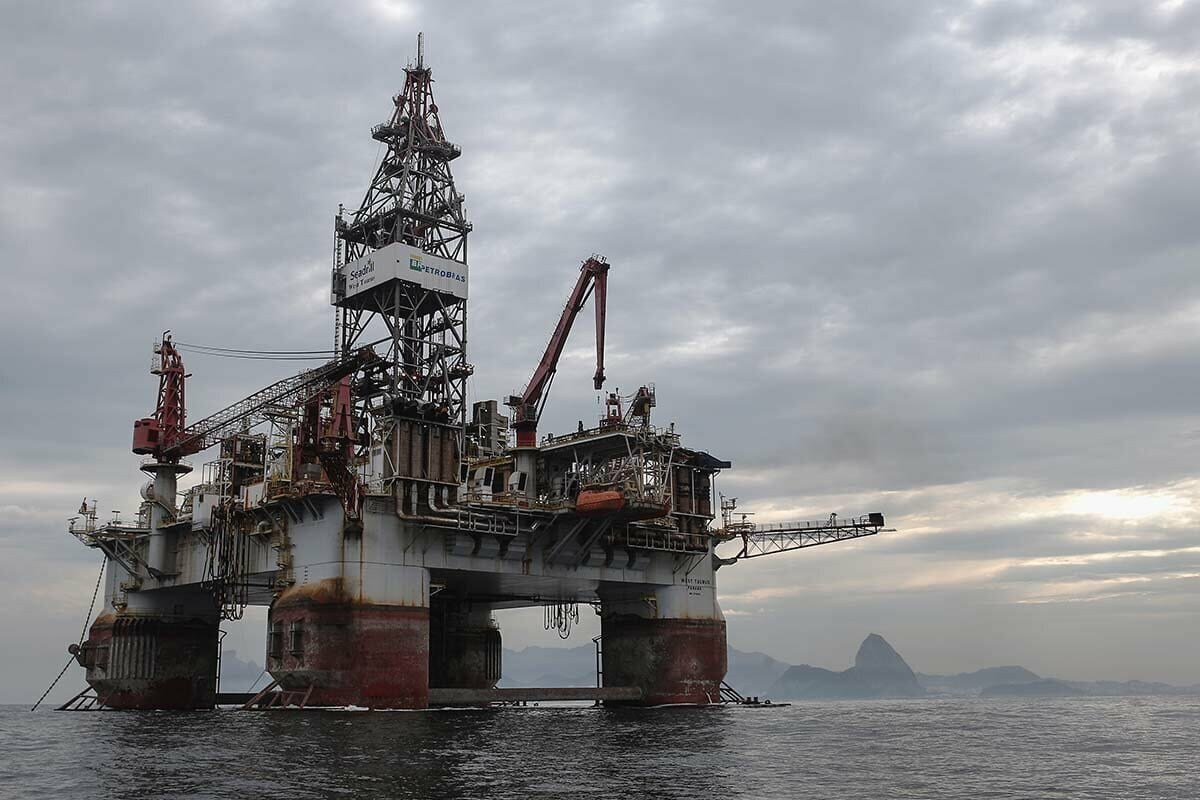
Prates Highlights The Importance Of Petrobras In The Economic And Environmental Landscape Of The Country, And Its Responsibility To Balance Oil Exploration With Environmental Preservation And Safety Measures.
In a joint public hearing at the Senate, Petrobras President Jean Paul Prates addressed crucial issues related to oil exploration near the coast of Amapá, in the Foz do Amazonas region. The event, held last Wednesday (08/16), brought together the Infrastructure and Regional Development and Tourism committees. Prates emphasized the importance of understanding the situation comprehensively, distancing exaggerated claims and misunderstandings.
Watch The Full Public Hearing And The Statements Of The Petrobras President


Jean Paul Prates Explains That Oil Exploration In The Region Is Not New And Highlights Petrobras’ History
The Petrobras president rejected the idea that the company is starting new oil production in the region.
He explained that considerable activity is already taking place, with oil being transported daily by the Amazon River to the Manaus refinery.
-
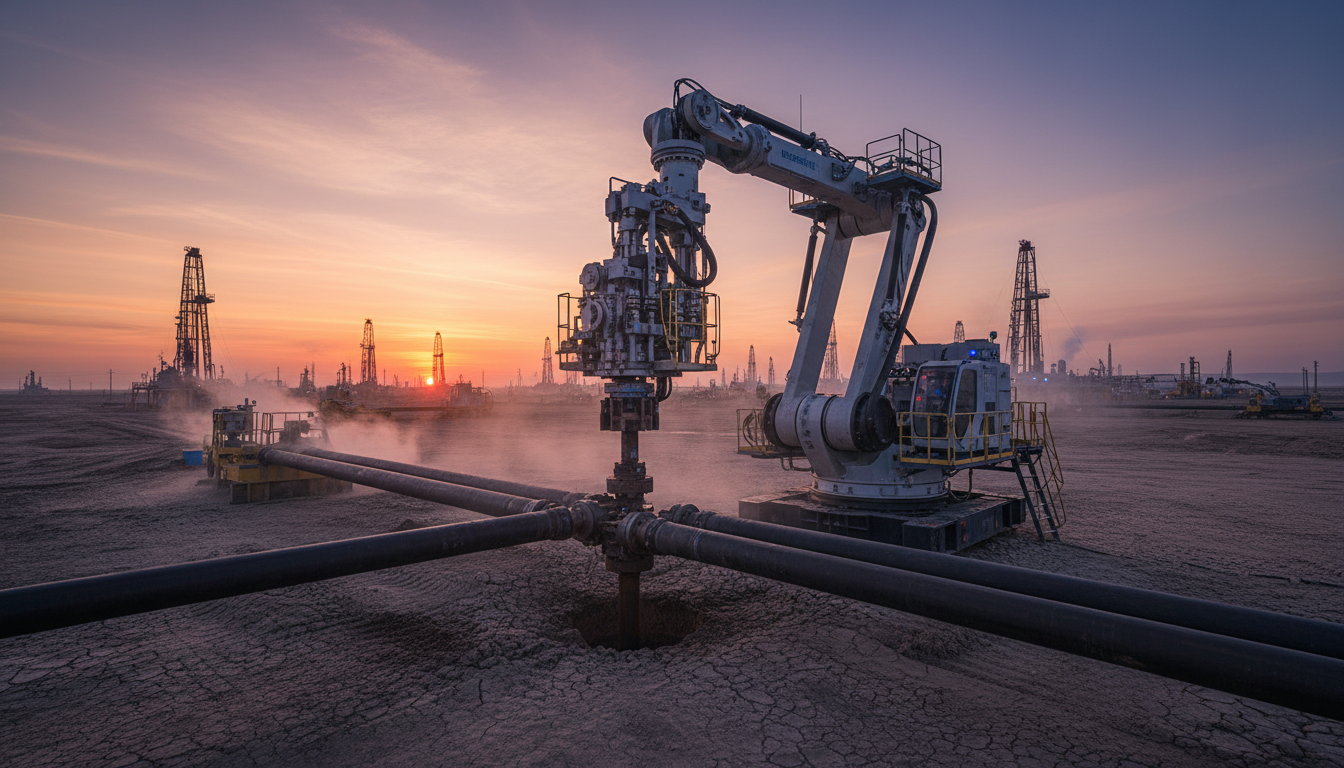
Robots already operate oil rigs without humans, connect pipelines on their own, and inspect platforms in the dark, and the world’s largest drilling company plans to cut 75% of the crew at each well.
-
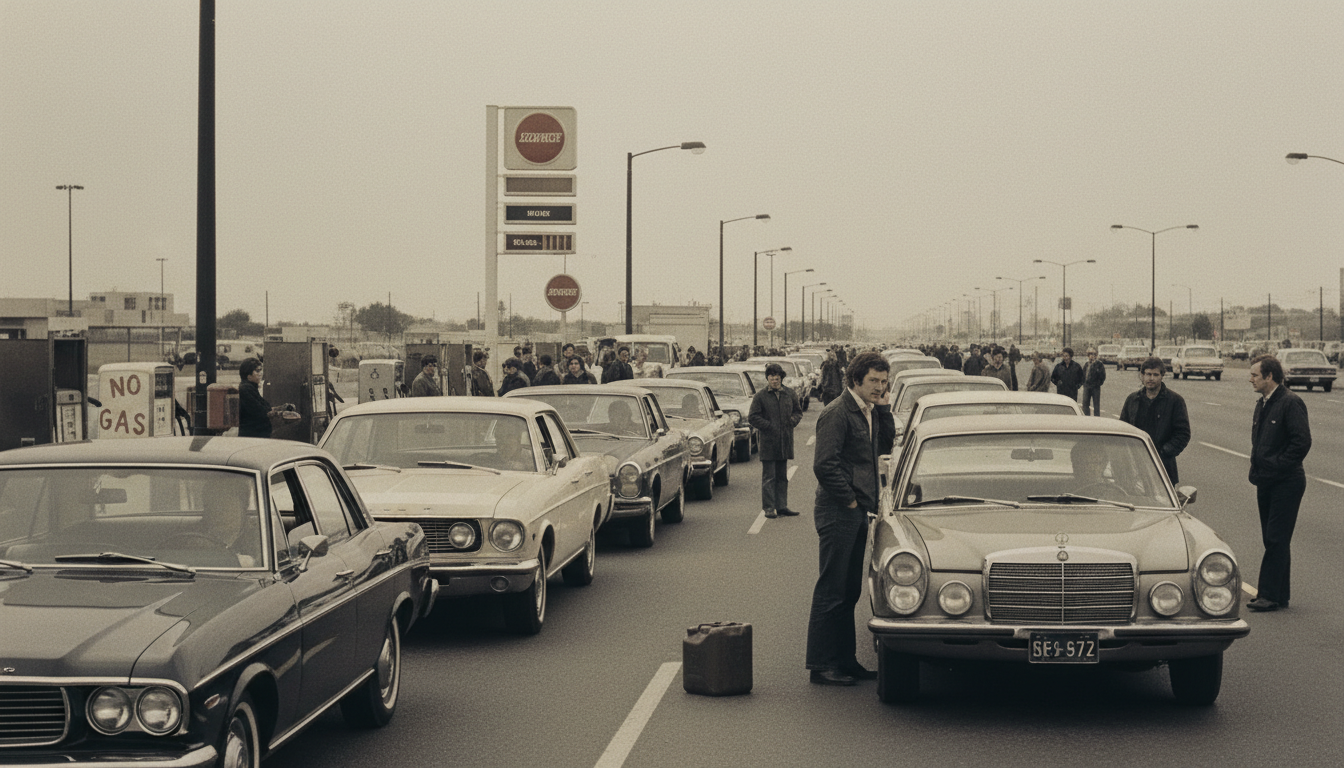
In the 1970s, oil became a weapon of war and paralyzed the entire world, and now the same thing is happening again with Iran closing off the route for 20% of the planet’s fuel.
-
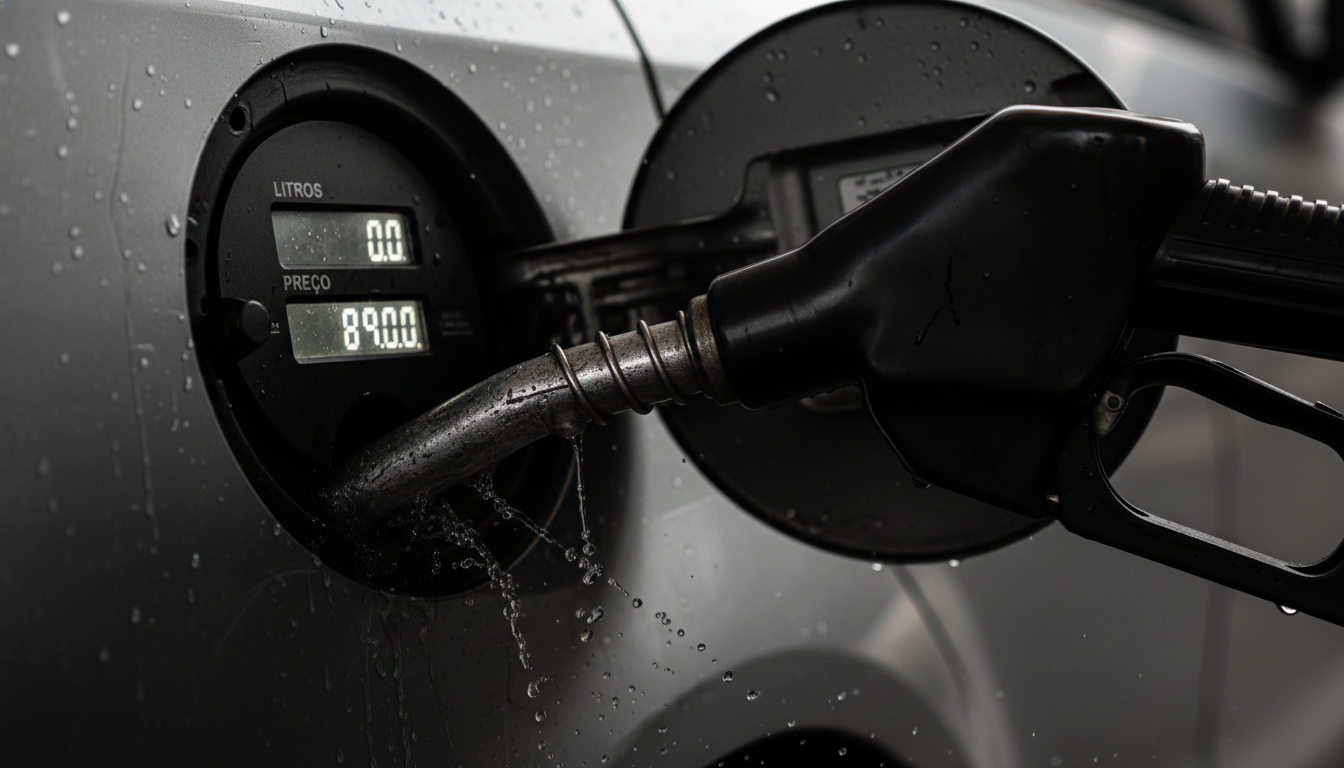
When oil prices rise, the gas station increases prices the next day, but when it drops by 13% at once, no one explains why gasoline remains at the same price for months.
-
The largest fuel distributor in Brazil has just been forced to import diesel and gasoline on its own after Petrobras reduced its monthly deliveries.
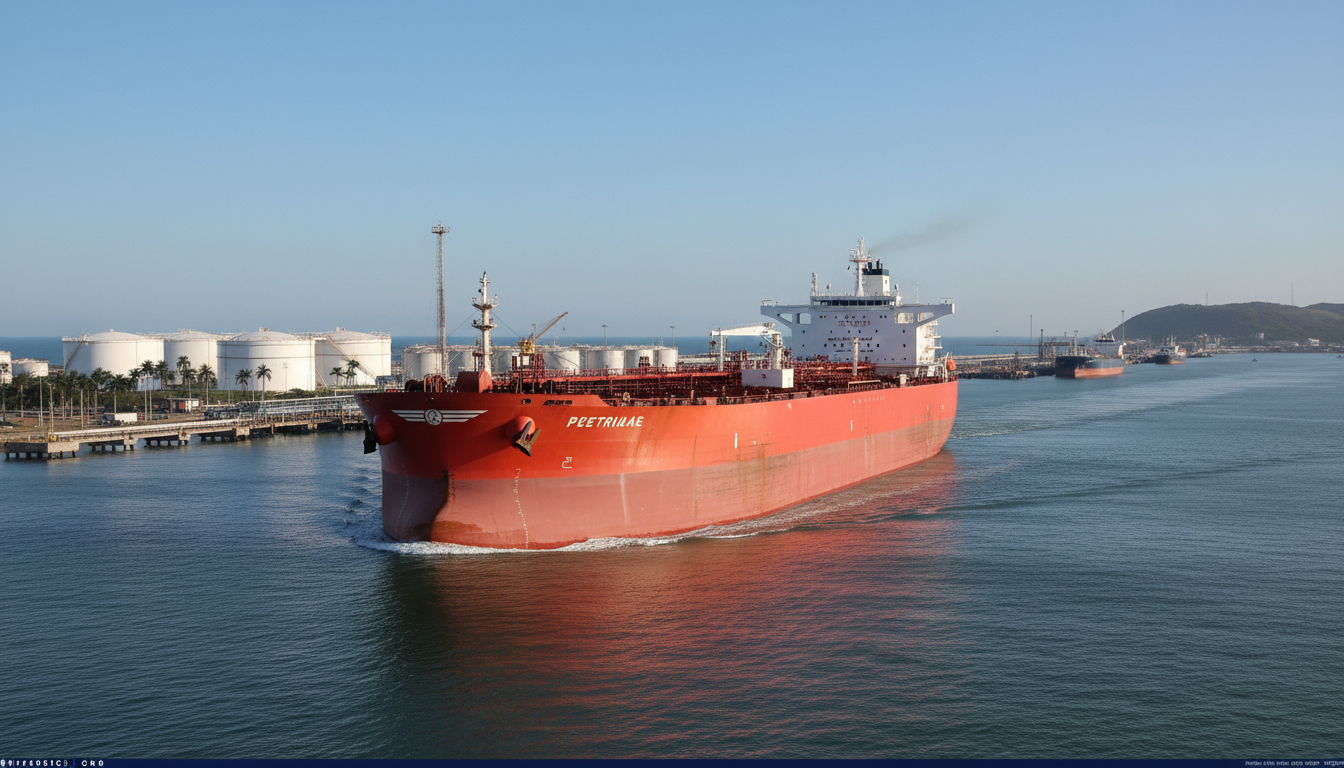
As an example, Prates highlighted the Urucu Hub, which has operated in the Amazon since 1986, demonstrating that oil exploration in the region is not a novelty.
Prates also emphasized the issue of risks. Among the various oil explorations in the region, he argued that drilling near the coast of Amapá is the least risky.
The Petrobras president justified his position by pointing out that this activity has the least potential to cause environmental damage and provides better conditions to generate revenue for both the government and the local population.
He mentioned Petrobras’ history regarding accidents and spills, highlighting that the company maintains a low rate of these incidents.
However, Prates also admitted that, although it is a remote possibility, a spill is a potentiality present in oil production.
Debate On Energy Transition And Investment In Oil Marks The Petrobras President’s Hearing
Regarding the specific location of the exploration, Prates noted that the area to be drilled is 170 km off the coast of Amapá and 580 km from the mouth of the Amazon River.
He clarified that, even in the licensing process, the remote probability of any oil potentially spilled reaching the coast is declared, due to ocean currents and winds that would direct any spill away from the region.
The Petrobras president emphasized the difference between the environmental license requested by the company, which is intended to determine the feasibility of the oil discovery, and a future license for oil production.
He explained that, if oil reserves are discovered in the region, an economic analysis will be necessary to evaluate its commercial viability.
This includes the construction of infrastructure for large-scale production, a process that can take five to eight years.
Furthermore, Prates advocated the idea that oil exploration should finance the energy transition.
He disagreed with the international movement “Just Stop Oil,” which advocates for a ban on new oil exploration bids as a way to accelerate the transition to more sustainable energy sources.
Prates argued that the energy transition is a gradual process and that oil exploration is still necessary to support this transition.
Jean Paul Prates also participated in a public hearing at the Senate’s Audit and Oversight Committee (CTFC), where he discussed the environmental damage caused by the petrochemical company Braskem in Maceió.
Petrobras holds a significant stake in the company, owning 36.1% of the total capital and 47% of the voting capital.





Seja o primeiro a reagir!