






 Portuguese
  Spanish


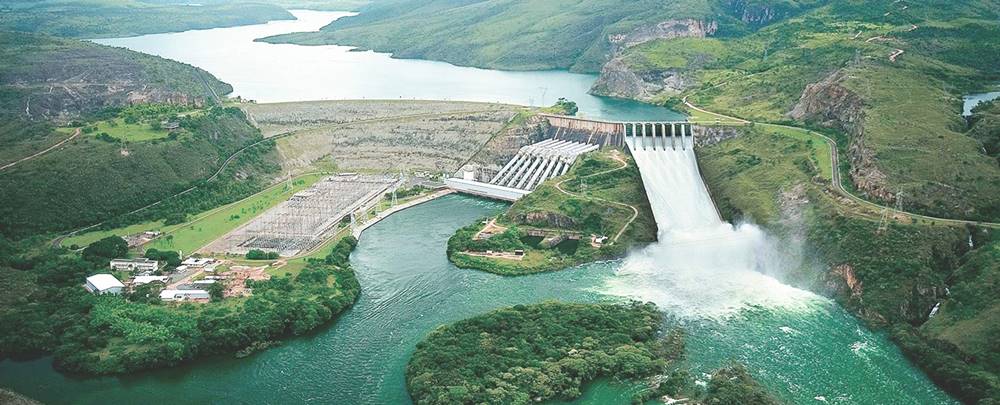

Stock Sale Model on the Exchange, According to the Model Used in the Sale of BR, Is the Best, According to the New President of Furnas, Engineer Luiz Carlos Ciocchi
The new president of Furnas, engineer Luiz Carlos Ciocchi defended the privatization of the company and suggested that the same model used in the sale of the controlling stake of BR Distribuidora be utilized.
It is worth noting that the STF approved the sale of subsidiaries and Furnas is the power generation arm of Eletrobras, which is the largest energy company in Latin America.
The model defended by Ciocchi is the sale of the company’s shares on the exchange; he even defended the argument in a meeting with journalists last Tuesday (07/30).
“I see capitalization positively, for the opportunity and strength it can bring to the company. It is an intelligent and easy solution from an operational point of view. The sale of BR was easy, a simple sale of shares on the exchange,” he said.
-
Over 2,000 Tons of Discarded Fishing Nets Since 2020 Repurposed into Durable Caps, Fins, and Parts

-
Seals and Sea Lions Lose Habitat and Food as Climate Change Advances, Impacting Ice, Prey, and Coastal Communities

-
Brazilian Innovator Uses 3D-Printed Device to Cool Two Rooms with One Air Conditioner
-
China Uses 432 Robots to Move a 7,500-Ton Historic Building in Shanghai, Preserving Architecture While Creating Space for Underground Center


Luiz Carlos Ciocchi has been in the position for three months and his speech is aligned with the statements of the presidents of Petrobras, Roberto Castello Branco, and Rubem Novaes, from Banco do Brasil.
The Minister of Mines and Energy stated, however, that the sale of Furnas must go through Congress, which did not happen in the sale of BR Distribuidora.
The President’s Thoughts
The president of Furnas also stated that whether it is state-owned or private, the strategic objective of the company will not change, which is to make the company the largest and best energy company in the country, and that in the current scenario, governments around the world no longer have the capacity to invest in energy, thus opening the door for privatization in the coming months.
The topic has faced resistance from the opposition since the days of Fernando Henrique Cardoso, when he wanted to privatize parts of the electricity sector.
Furnas currently consists of 21 hydroelectric plants, three wind farms, and two conventional thermoelectric plants, and in the transmission area, it has 29,000 km of transmission lines.


