





 Portuguese
  English
  Spanish
  6 min of reading
  1 comment


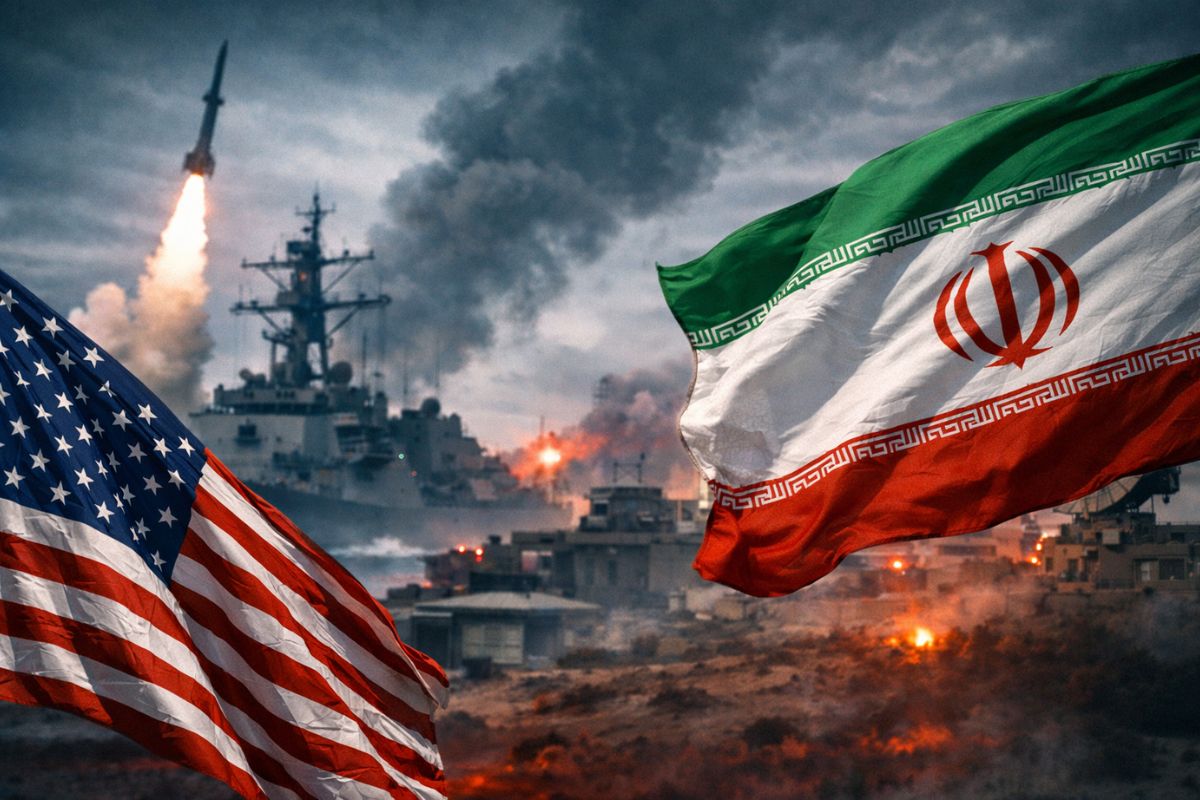


Iranian Parliament Speaker Reasserts Iran Warns US, Speaks of Immediate Retaliation, Cites American Bases in the Middle East, Protests in Iran and Economic Crisis in Iran.
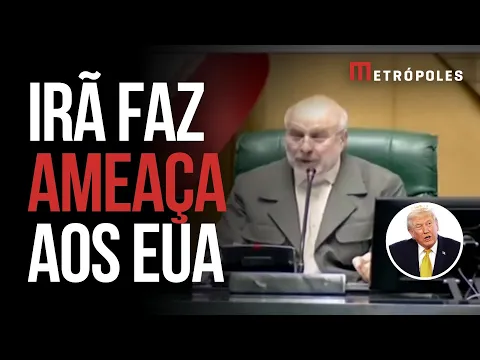
In a harsh statement this Sunday, the Iranian Parliament Speaker raised his voice and made it clear that “Iran warns US” of an immediate and direct response if there is any military attack against the country. According to parliament member Mohamed Galif, it would not only be targets within Iranian territory that would come into play, but also bases, military centers, and American ships spread across the Middle East.
The statement comes as “Iran warns US” during one of the most delicate moments in recent years, combining massive protests in dozens of cities, a severe economic crisis, and the still-vivid trauma of the 2022 uprising, triggered after the death of Mahsa Amini while in state custody. In the background, the recent comment from US President Donald Trump that Washington would be “ready to help Iran” only added more tension to an already volatile situation.
What the President of the Iranian Parliament Said When Announcing That Iran Warns US
In his speech, Mohamed Galif adopted a confrontational tone. Essentially, the central message was simple and forceful: if there is an attack, there will be immediate retaliation.
-
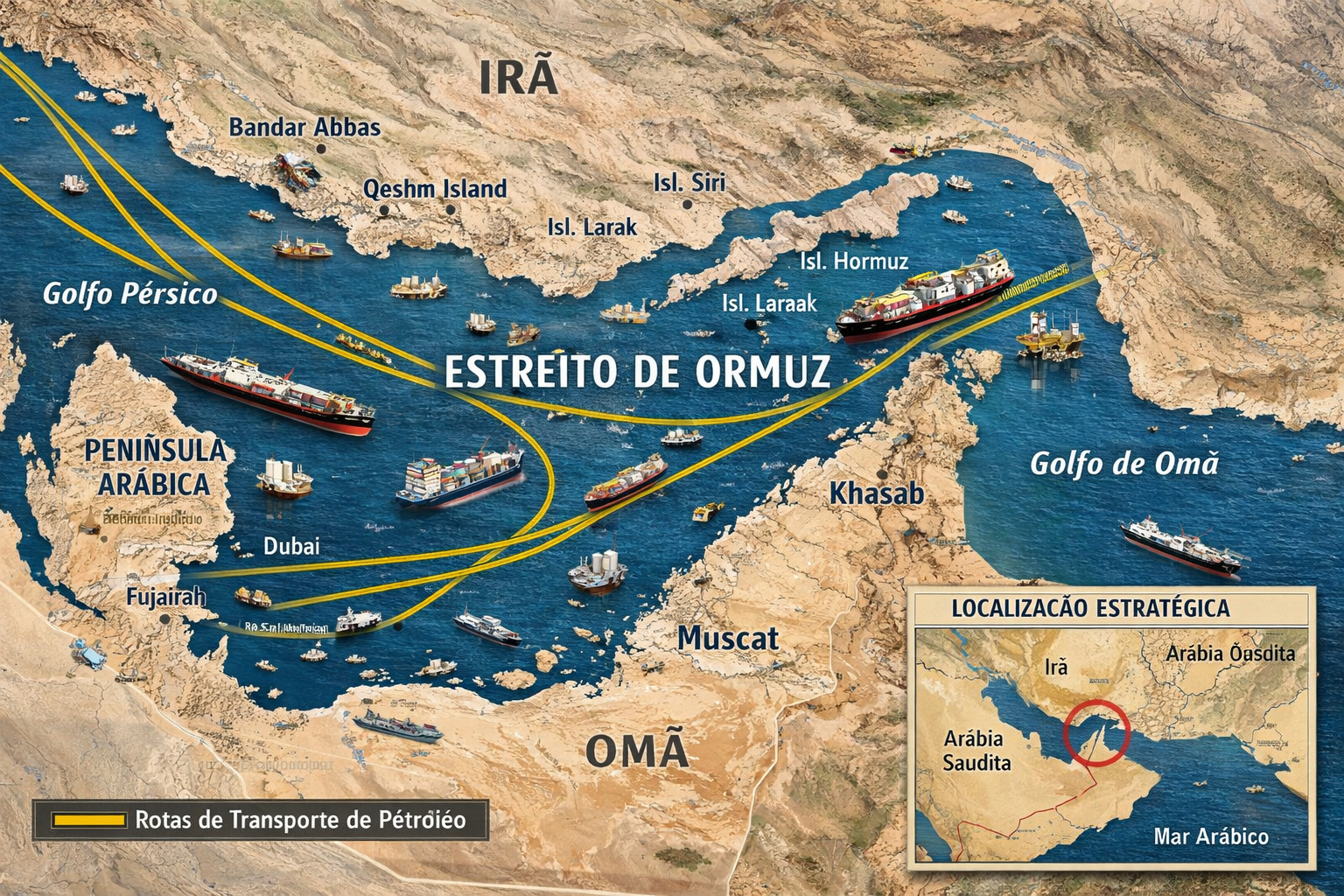
Global summit with over 40 countries pressures Iran for a blockade in the Strait of Hormuz and warns of direct impact on oil, food, and the global economy.
-
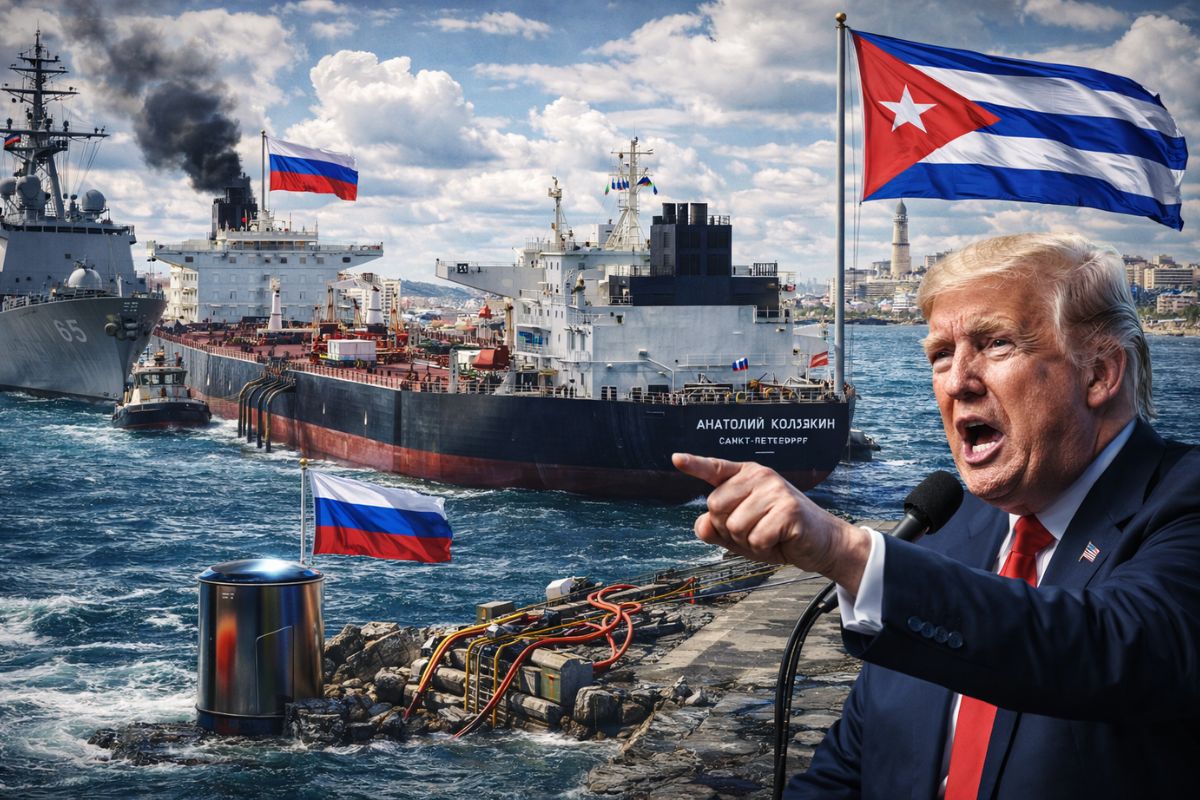
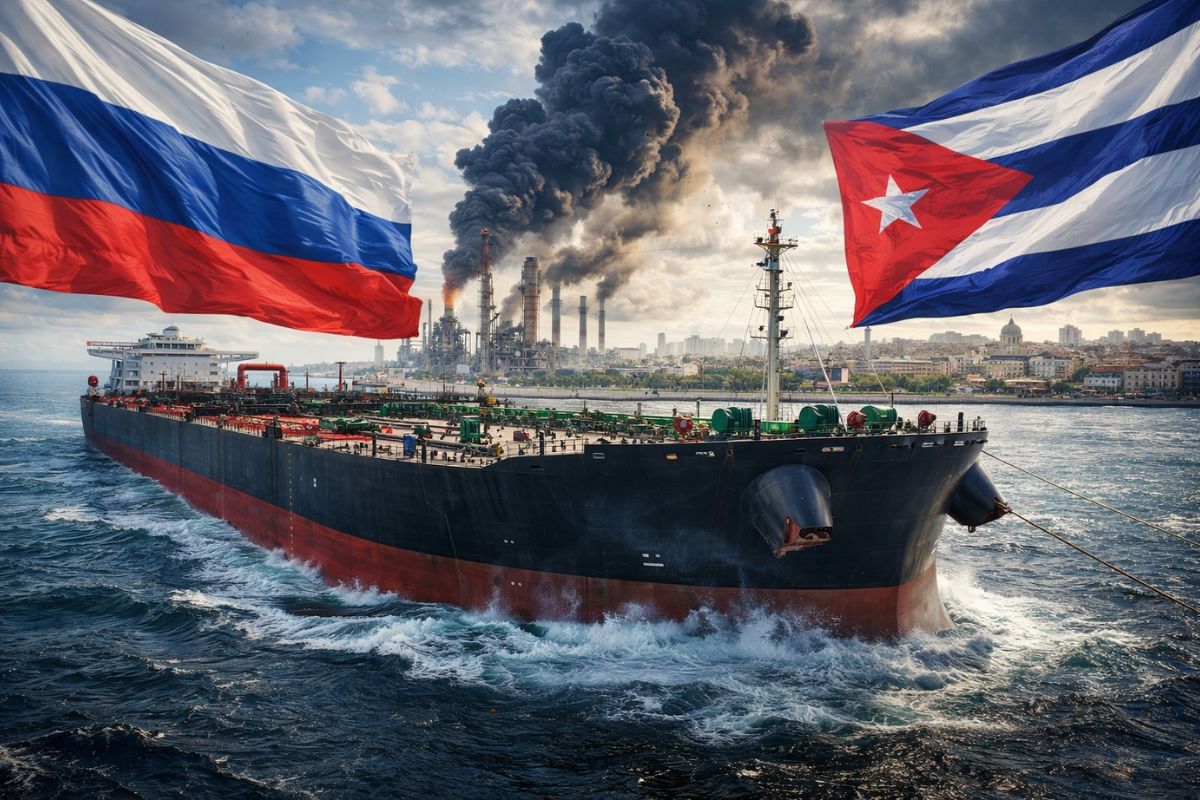
Russia has broken the U.S. maritime blockade to send oil to Cuba and is now loading a second ship while Trump says that “Cuba is next” in a possible military action against the island.
-
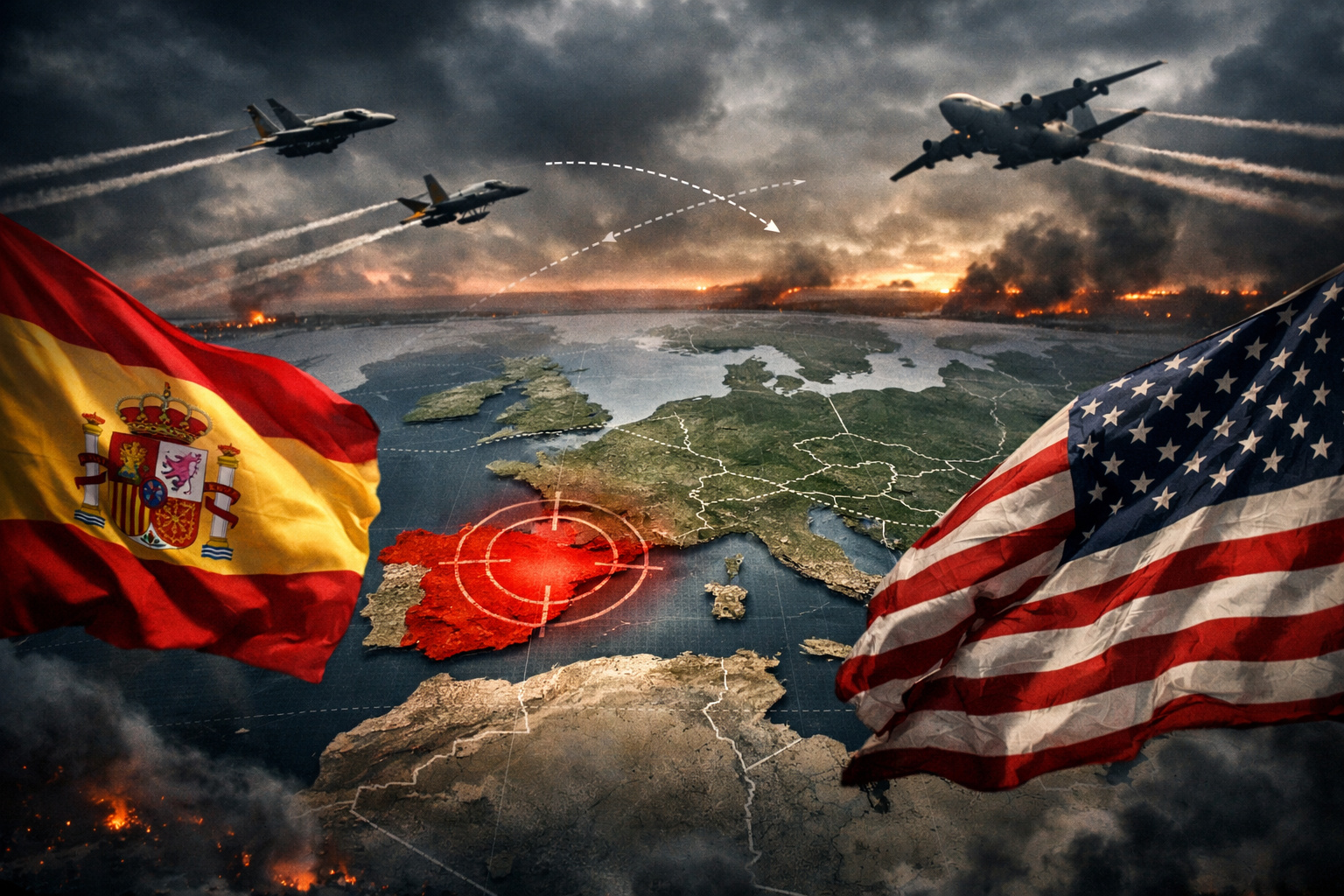
Spain challenges the USA and closes its airspace for operations against Iran, raising global tension and provoking the threat of a trade rupture.
-
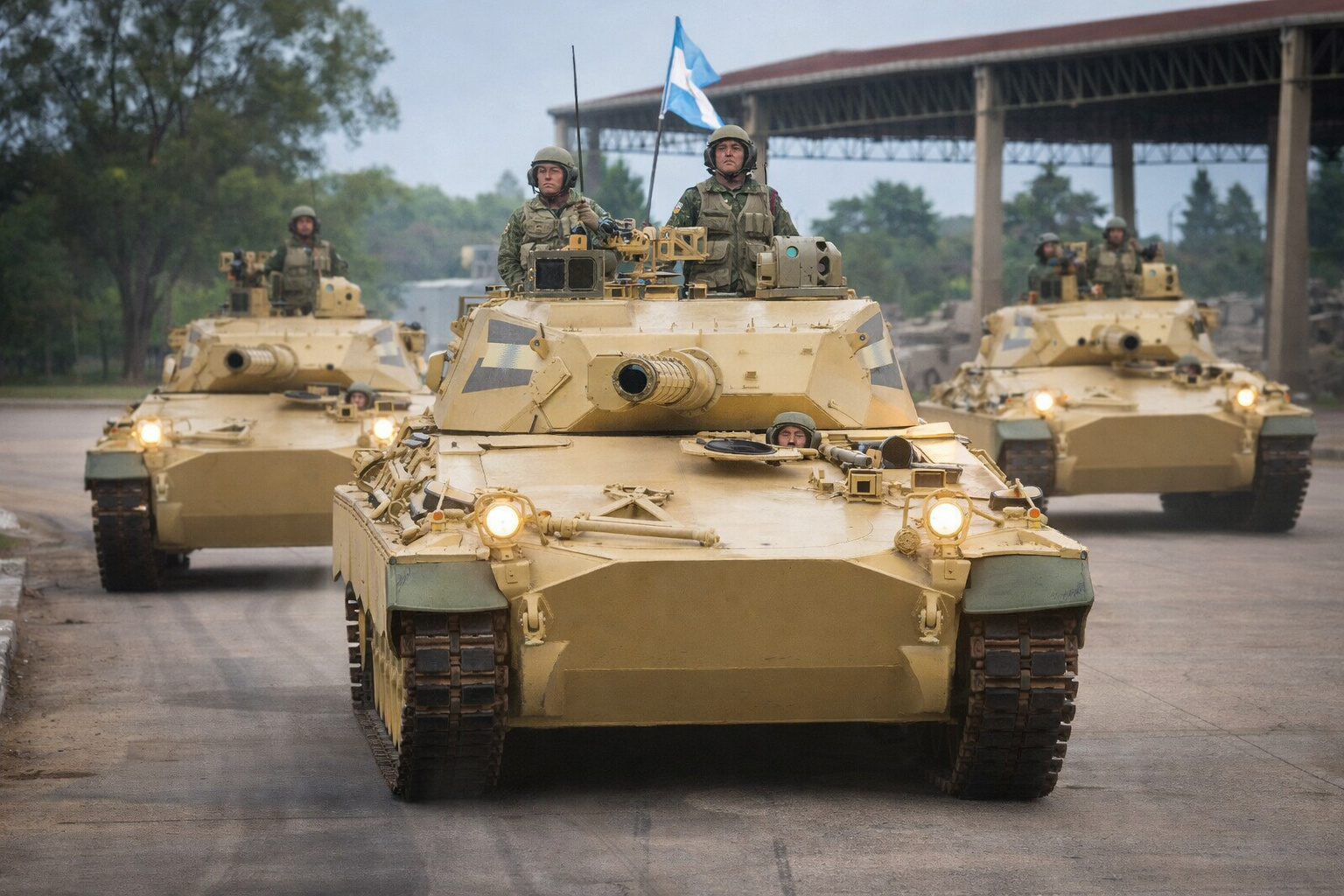
While no other country manufactures tanks in Latin America, Argentina activates the TAM 2C-A2 and raises a curiosity about the technological lag in the region.

Beyond national territory, he stated that “all US bases, military centers, and ships in the region will be considered legitimate targets” if Washington opts for military action against Tehran.
The “Iran warns US” was not limited to the promise of retaliation after a potential bombing. The Parliament Speaker hinted that, in light of concrete threats, Tehran could act preventively within what it considers its doctrine of self-defense.
In practice, the message is that Iran warns US that it does not intend to remain solely on the defensive if it sees clear signs of preparation for an attack.
In a part directed directly at the American president, Galif referenced intelligence advice and assessments that, according to him, had already led Washington to mistakes in the past.
Iran warns US not to repeat “calculation errors” and insists that any military incursion would have broad consequences, both within the country and throughout the geopolitical landscape of the Middle East.
Iran Warns US Amid Protests That Recall the Explosion of 2022

The tone of external threat arises at a time when the regime faces strong pressure at home. Since the end of December 2025, Iran has been experiencing a new wave of protests, described as one of the largest since the 2022 uprising, triggered after the death of Mahsa Amini, a young woman who became a symbol of the struggle for women’s rights after dying in state custody, accused of improperly wearing the Islamic veil.
The current movement began focusing on the economy but quickly gained political dimensions. In several cities, including the capital Tehran, demonstrations began to adopt openly anti-government slogans and even call for the end of the theocratic regime established in 1979.
The memory of the 2022 uprising echoes in the streets, and many see this new phase as a continuation of a process of erosion that has not been fully resolved.
In this tense environment, the fact that Iran warns US of military retaliation also serves internally as a message of strength, seeking to show that, even under popular pressure, the leadership would not be willing to back down in the face of external threats.
The combination of internal crisis with external rhetorical confrontation increases the sense of instability, both for the population and for outside observers.
Deep Economic Crisis Pushes Iranians to the Streets
The immediate trigger for the new wave of protests was the accelerated deterioration of the economy. The national currency, the rial, plummeted to historic lows against the dollar, losing more than half of its value in a short period. Consequently, inflation skyrocketed, and the prices of basic items such as food and medicine rapidly increased.
When the cost of living explodes in this way, dissatisfaction stops being abstract and goes into daily life: families unable to make ends meet, higher prices on shelves, medicine hard to afford. The economic crisis is not a distant backdrop; it is the direct fuel for the protests.
And it is in this scenario that Iran warns US, trying to blame external factors while grappling with increasingly visible internal discontent.
Over the days, what began as a revolt against the loss of purchasing power has merged with broader demands. Diverse sectors of society began to question the country’s political conduct, transforming the economic crisis into a crisis of legitimacy.
Thus, while Iran warns US of possible military retaliation, it also has to manage an intense political battle within its borders.
Repression, Internet Cut Off and More Than 500 Dead, According to Agency
As mobilization grew, the regime’s response became progressively harsher. The government cut off internet access and blocked international telephone services, in an attempt to isolate protesters, hinder the organization of actions, and limit the circulation of images and reports to the outside.
According to an agency that monitors the situation, more than 500 people are reported to have died during the protests, a number that gives an idea of the scale and gravity of the internal conflict.
Meanwhile, the official narrative began to blame “saboteurs” and the influence of foreign countries, especially the United States, for the instability.
At this point, the “Iran warns US” also serves as a narrative: by pointing the finger at Washington, the regime tries to explain part of the crisis as a result of external interference, reinforcing the idea that there is an international conspiracy against the country.
For many Iranians, however, the root of the problems remains tied to internal management, the economy, and political repression.
What It Means, in Practice, When Iran Warns US
When Iran warns US with explicit threats to bases, military centers, and American ships in the Middle East, the implications go beyond a harsh phrase in a speech. The message touches on sensitive points:
- US Military Presence in the Region
There is a network of American bases and forces in neighboring countries, in the Gulf, and at strategic points. By stating that these locations may become “legitimate targets,” Iran warns US that any escalation would not be limited to Iranian territory. - Maritime Routes and Warships
The mention of ships indicates that any greater tension could also impact crucial maritime routes, with direct implications for international security and trade. - Expanded Self-Defense Doctrine
By asserting that it will not limit itself to reacting only after being attacked, Iran warns US that it interprets certain “concrete evidence of threat” as justification to act beforehand. This increases the risk of misunderstandings and “calculation errors” in an already tense context.
For US allies in the region, the message is a clear signal that any potential direct conflict would have swift and broad ramifications, affecting more actors beyond Tehran and Washington.
For the internal audience, the reinforcement that Iran warns US serves to demonstrate firmness and attempt to unite part of society around the idea of national defense.
Between Burning Streets and External Threats: What’s the Next Step
The current scenario brings together two lines of tension that feed off each other: a large-scale internal crisis and an “Iran warns US” with the threat of immediate retaliation. How the regime balances these two fronts may define the next chapters of the recent history of the country.
If economic and political pressure continues to grow, the cost of maintaining only repression is likely to increase.
At the same time, any sign of concrete advancement toward a confrontation with the United States or its bases in the Middle East could completely change the focus of the crisis, both internally and externally.
In the end, both for Iranians and for the international community, the question lingers: is the “Iran warns US” primarily a message of deterrence to avoid an attack, or is it a harbinger of a real escalation if tensions continue to rise?
And you, given this scenario in which Iran warns US while facing massive protests and a deep economic crisis, do you think this immediate retaliation speech reduces the risk of war or increases the chance of a direct clash in the region?







A soberania de um país é sagrada. Conflitos internos se resolvem internamente. Eu não me meto no modo como sua família se comporta e você não se mete na minha . É bem isso. EUA se acha dono do mundo . Morre de medo de perder esse posto. No final tudo se trata de Ego. “De poder ao homem que ele mostra quem ele é.” Tramp é a personificação do Ego. Tá se lixando pro povo iraniano ou por outros povos que não sejam os americanos.