





 Portuguese
  English
  Spanish
  2 min of reading
  0 comments


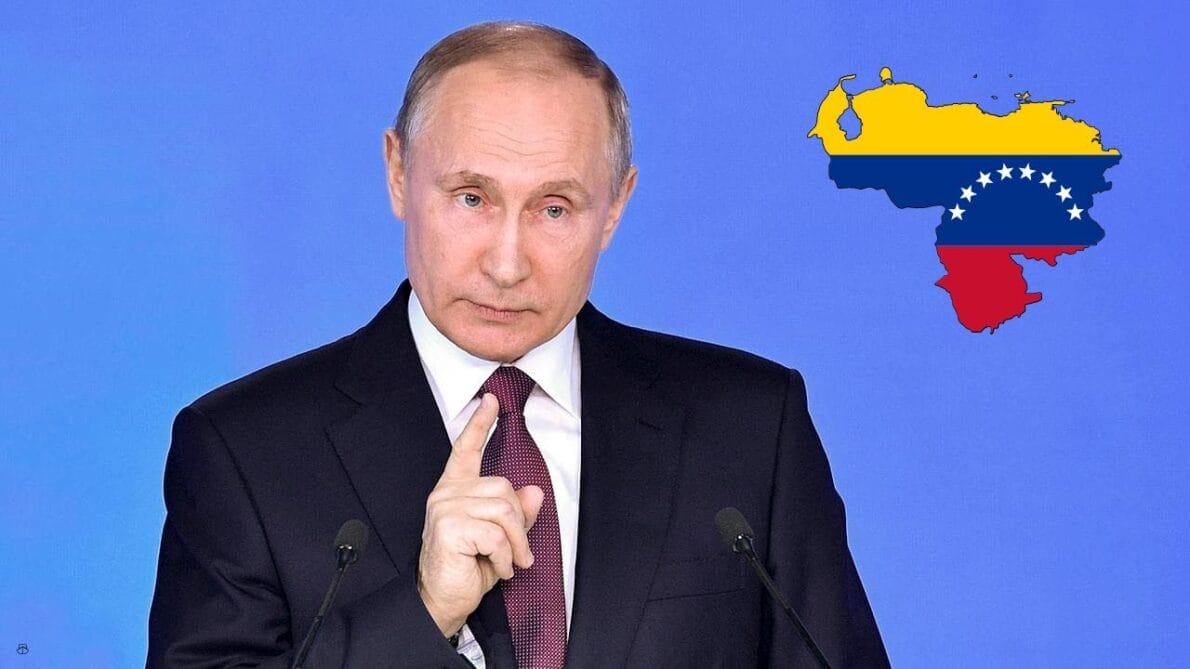
Russia Plans to Send Nuclear Vessel to Venezuela Amid Growing Geopolitical Tensions. Understand the Impact of This Decision and the Context Involving the Countries.
According to the U.S. government, Russia is considering sending warships and a nuclear vessel, including a nuclear submarine, to Venezuela. This comes at a time of intense geopolitical tensions, with the Essequibo crisis and U.S. President Joe Biden’s authorization for Ukraine to use American weapons on Russian territory.
Since the Cold War, the Soviet Union and, later, Russia, have maintained a strategic presence in the Caribbean. In the 1960s, the installation of nuclear missiles in Cuba by the Soviets nearly led the world to a third world war. Today, the region remains a balancing point among powers.
A Fleet of Russian Warships, Comprising a Nuclear Submarine, a Frigate, a Tanker, and a Rescue Tug, Docked in Cuba


The U.S. government claims that the fleet is expected to remain until September for joint military exercises. These exercises are seen as a show of force from Russia, especially at a time when the war in Ukraine is intensifying.
-
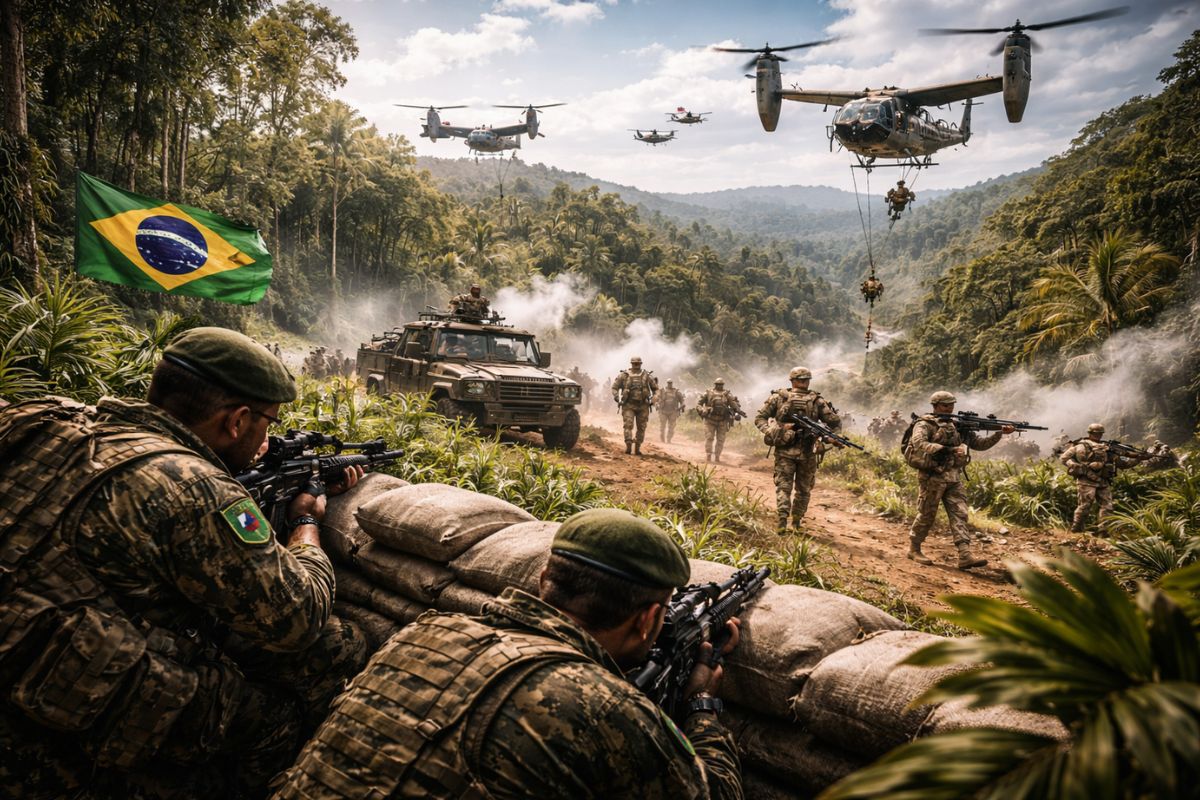
If the USA were to go to war with Brazil, Washington’s greatest fear would not be the attack itself, but facing a vast territory, prolonged resistance, and a costly, chaotic, and unpredictable occupation.
-
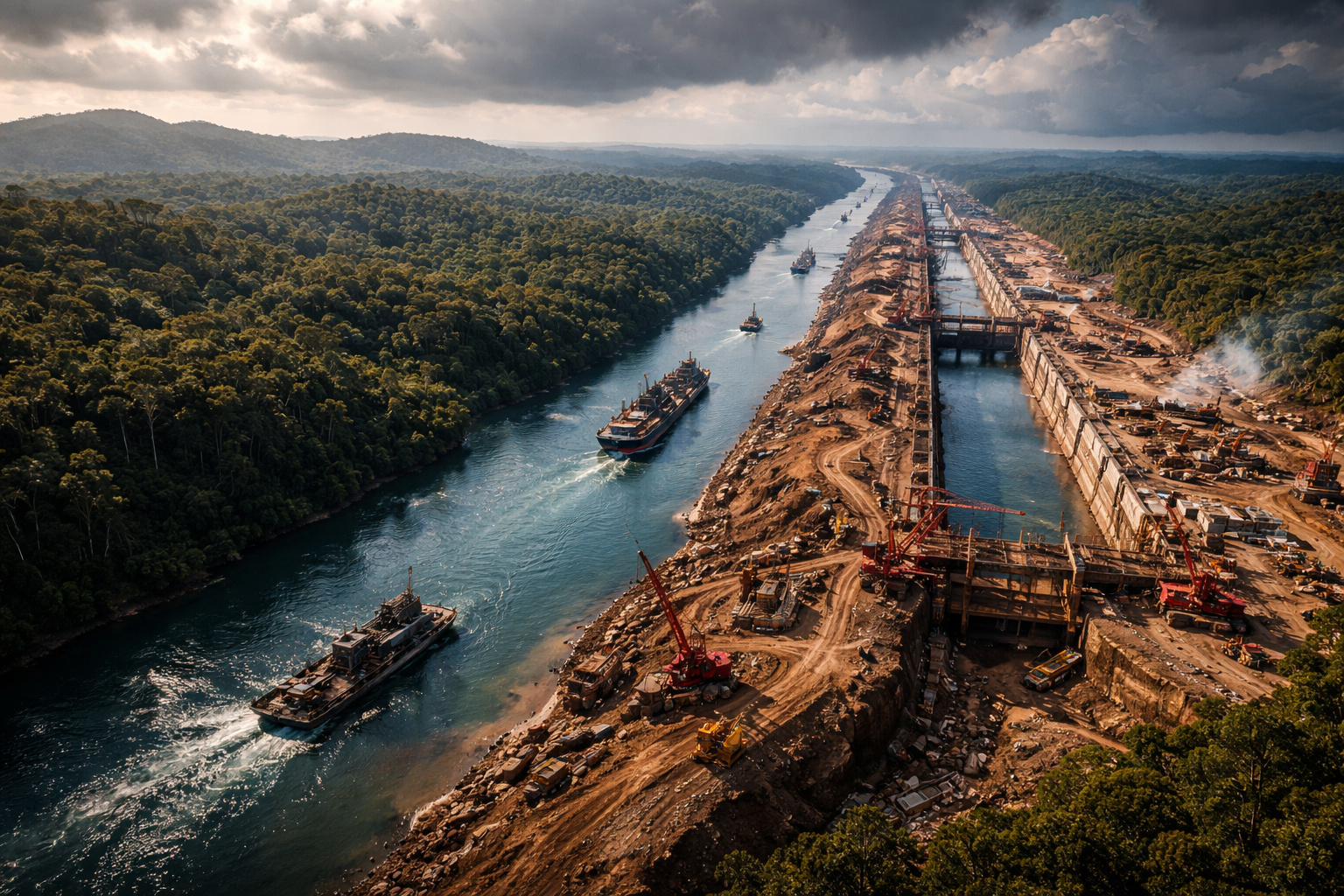
In 2013, Nicaragua sold the concession for a canal to rival Panama to a Chinese billionaire who lost 85% of his fortune, disappeared, and was declared bankrupt. Now the project resurfaces with a new route, a new Chinese partner, and a cost of $64.5 billion.
-
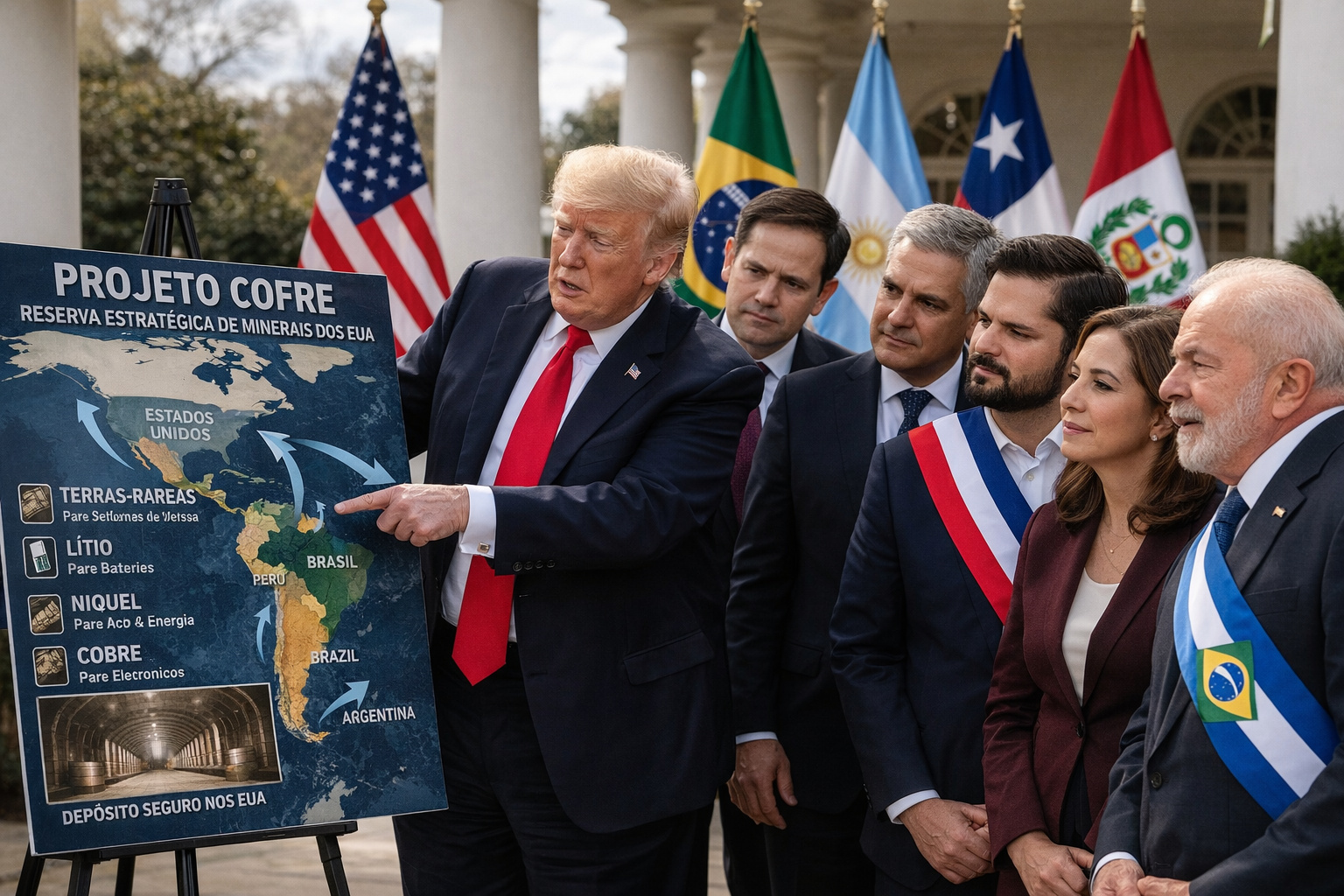
The USA announces a mysterious billion-dollar vault project to store critical minerals, but what intrigues experts is not just the plan itself, but why Latin America, including Brazil, has entered the center of this global dispute against China.
-
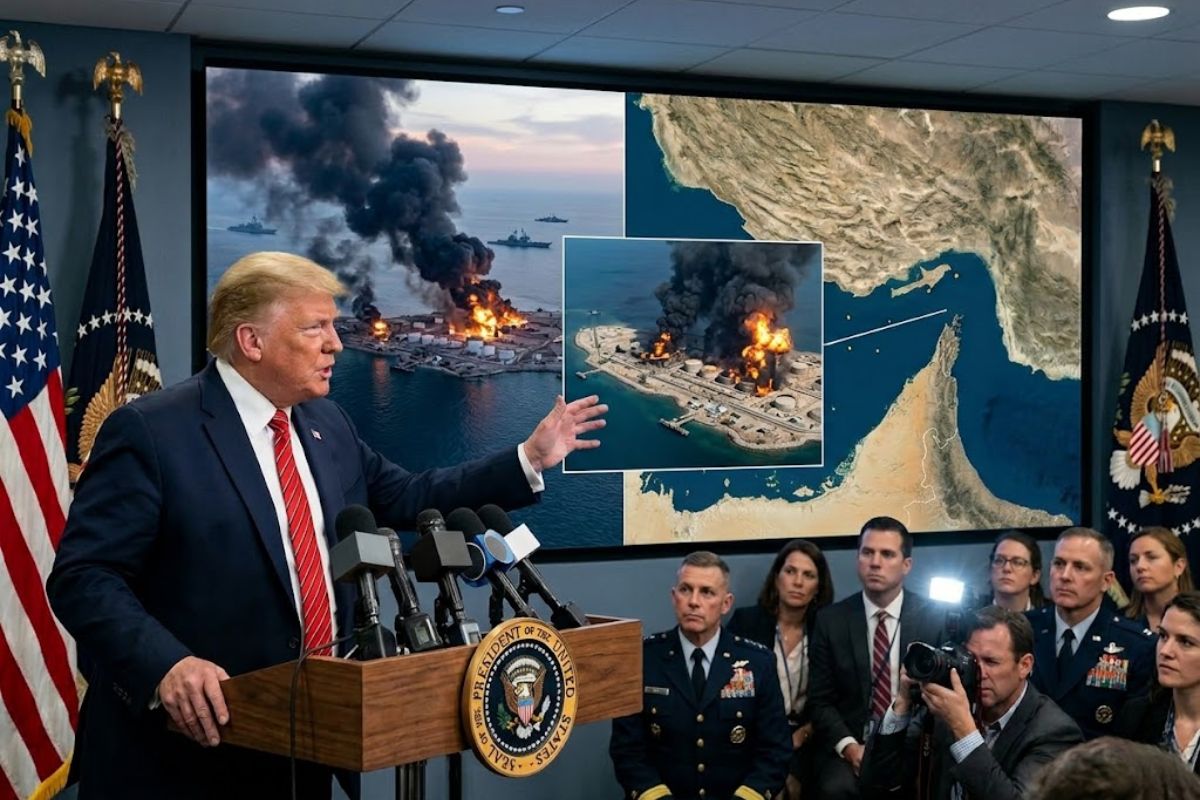
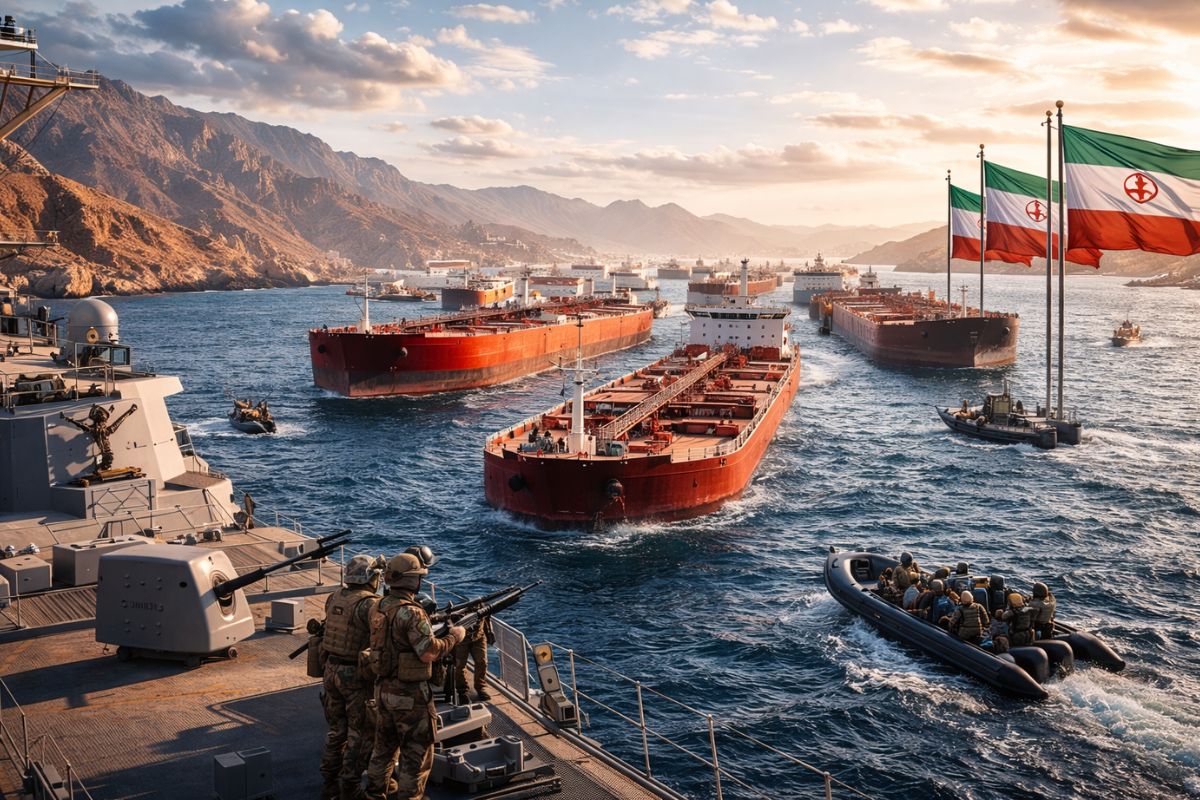
Trump Announces Bombing of U.S. Military Targets on Iranian Island Responsible for About 90% of Iran’s Oil Exports, Warns of Further Attacks if Navigation in Strategic Strait of Hormuz Is Threatened
The U.S. government, which is closely monitoring these movements, assesses that the Russian fleet is likely headed to Venezuela, a key ally of Russia in South America. Nicolás Maduro, the president of Venezuela, relies on Russian and Chinese support for his territorial claims, particularly in the Essequibo region, which is disputed with Guyana.
Brazil, Which Maintains a Neutral Policy and Is Considered a Friend of Russia
Has adopted a firmer stance against Nicolás Maduro regarding the Essequibo issues and the Venezuelan presidential elections. Analysts suggest that the Russian military presence in the region could be seen as a message to Brazil and other countries, highlighting Russia’s strong position in supporting Venezuela in regional conflicts.
The movement of Russian warships, including a nuclear vessel, to Venezuela at a time of high global tension demonstrates the complexity of current geopolitical relations. With the United States and its allies supporting Guyana, and Russia and China backing Venezuela, the region becomes a critical point of international attention.






Seja o primeiro a reagir!