






 Portuguese
  Spanish
  2 min of reading
  0 comments


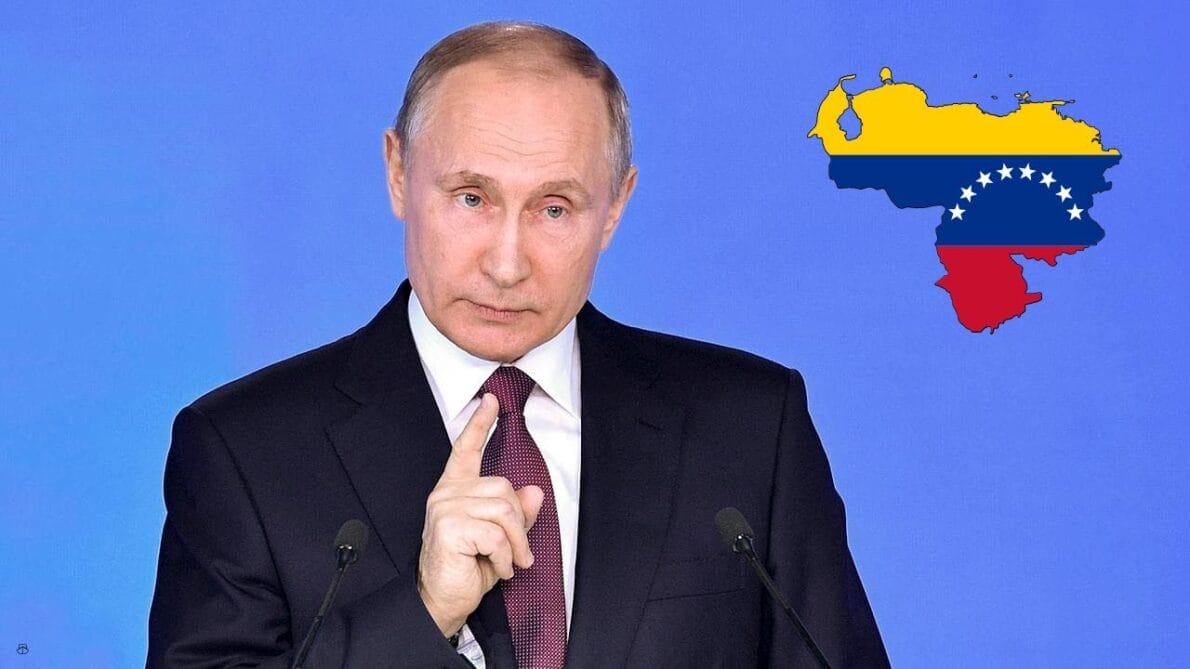
Russia Plans to Send Nuclear Vessel to Venezuela Amid Growing Geopolitical Tensions. Understand the Impact of This Decision and the Context Involving the Countries.
According to the U.S. government, Russia is considering sending warships and a nuclear vessel, including a nuclear submarine, to Venezuela. This comes at a time of intense geopolitical tensions, with the Essequibo crisis and U.S. President Joe Biden’s authorization for Ukraine to use American weapons on Russian territory.
Since the Cold War, the Soviet Union and, later, Russia, have maintained a strategic presence in the Caribbean. In the 1960s, the installation of nuclear missiles in Cuba by the Soviets nearly led the world to a third world war. Today, the region remains a balancing point among powers.
A Fleet of Russian Warships, Comprising a Nuclear Submarine, a Frigate, a Tanker, and a Rescue Tug, Docked in Cuba


The U.S. government claims that the fleet is expected to remain until September for joint military exercises. These exercises are seen as a show of force from Russia, especially at a time when the war in Ukraine is intensifying.
-
Israel finds Hezbollah militarized tunnel over 200 meters long under village, with 4 missile launch shafts, 12 chambers, anti-tank missiles, drones, and weapons depots at a depth of 25 meters.

-
Ukraine launches largest drone attack on Moscow since 2022, Russia claims to have intercepted nearly 200 aircraft near the capital, Kapotnya refinery targeted again, and offensive reignites alert about war reaching the Russian energy heart just a few kilometers from the Kremlin.

-
Truck drivers, freight, and fines from 2022 take center stage in politics: Chamber approves MP with amnesty, mandatory tracking by CIOT, million-dollar penalties, and new minimum wage for those who spend more than 24 hours on the road.

-
China off the radar: US plans mega $30 million weapons depot in Australia, out of reach of most Chinese missiles, with full capacity expected by 2028


The U.S. government, which is closely monitoring these movements, assesses that the Russian fleet is likely headed to Venezuela, a key ally of Russia in South America. Nicolás Maduro, the president of Venezuela, relies on Russian and Chinese support for his territorial claims, particularly in the Essequibo region, which is disputed with Guyana.
Brazil, Which Maintains a Neutral Policy and Is Considered a Friend of Russia
Has adopted a firmer stance against Nicolás Maduro regarding the Essequibo issues and the Venezuelan presidential elections. Analysts suggest that the Russian military presence in the region could be seen as a message to Brazil and other countries, highlighting Russia’s strong position in supporting Venezuela in regional conflicts.
The movement of Russian warships, including a nuclear vessel, to Venezuela at a time of high global tension demonstrates the complexity of current geopolitical relations. With the United States and its allies supporting Guyana, and Russia and China backing Venezuela, the region becomes a critical point of international attention.





Be the first to react!