





 Portuguese
  English
  Spanish
  5 min of reading
  1 comment


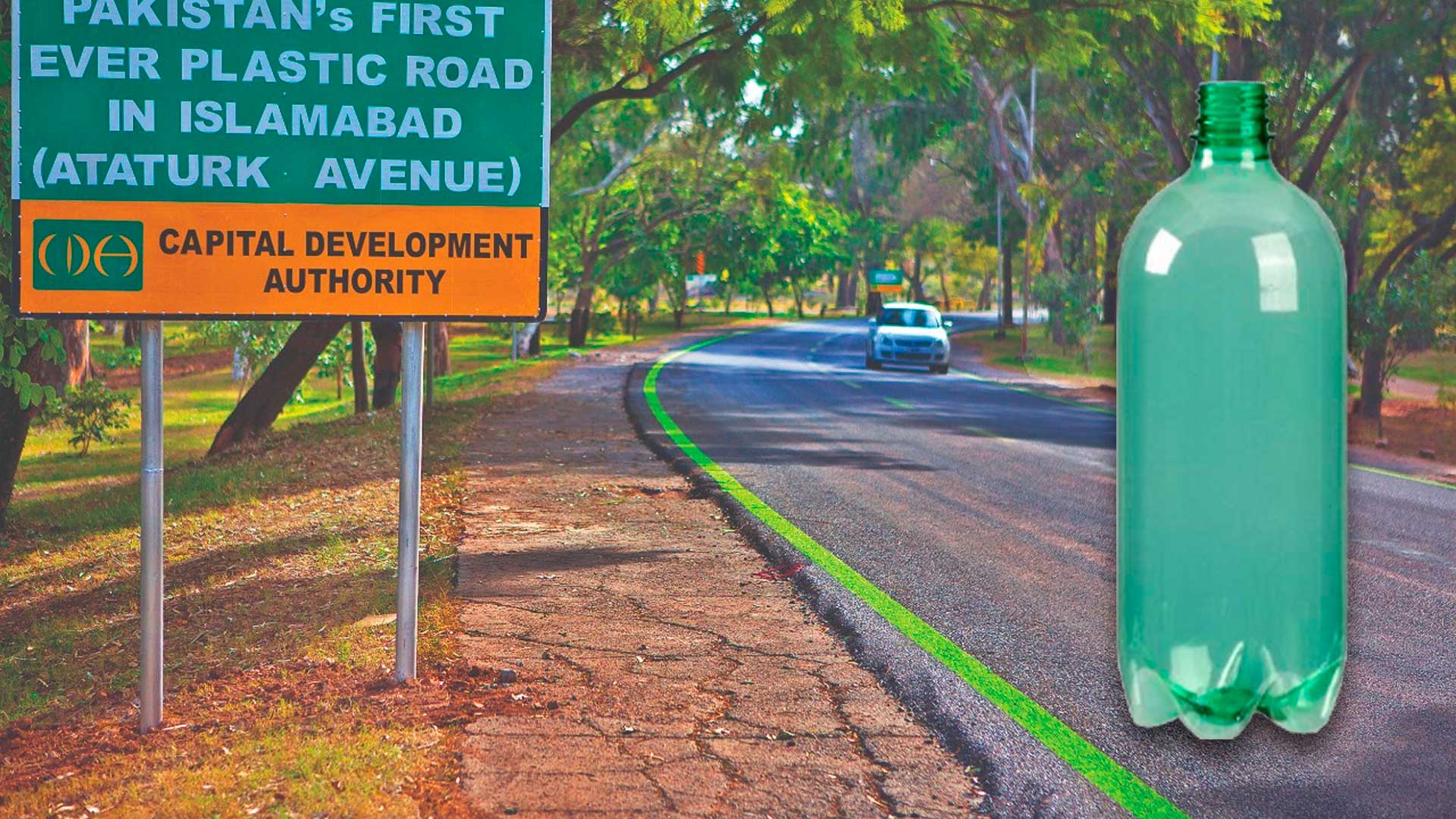


1 Km Stretch on Ataturk Avenue Was Repaved with Bituminous Mix Modified with Plastic and Became a Showcase for Sustainable Infrastructure in Pakistan
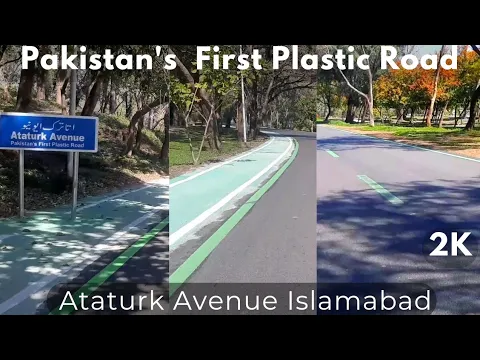
The first plastic road in Pakistan came to life in Islamabad. An urban stretch of 1 kilometer of Ataturk Avenue was repaved with a bituminous mix that incorporated nearly 10 tons of plastic waste, according to information released at the project’s inauguration.
The pilot was executed in partnership between the Capital Development Authority and private organizations, with a reported investment of 21 million Pakistani rupees. The proposal, according to the participants, was to repurpose post-consumer plastic and turn an environmental liability into an input for urban paving.
The response came along with an important narrative adjustment to avoid exaggerations. The technology tested in Islamabad does not eliminate the traditional binder, as the solution was described as the development of a bituminous mix with incorporated plastic, rather than a road made solely of plastic.
-
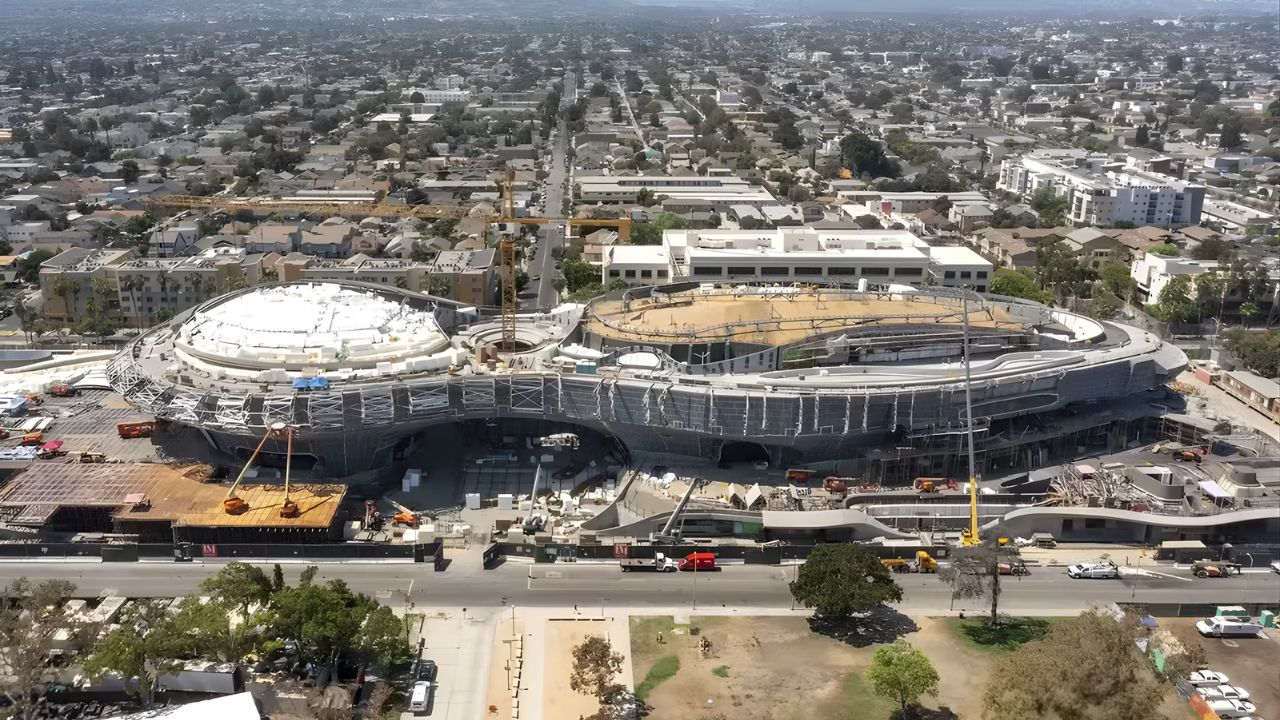
Created by George Lucas with over $1 billion, a futuristic museum in the shape of a spaceship with 1,500 curved panels is about to open in Los Angeles and will house one of the largest private collections of narrative art in the world.
-
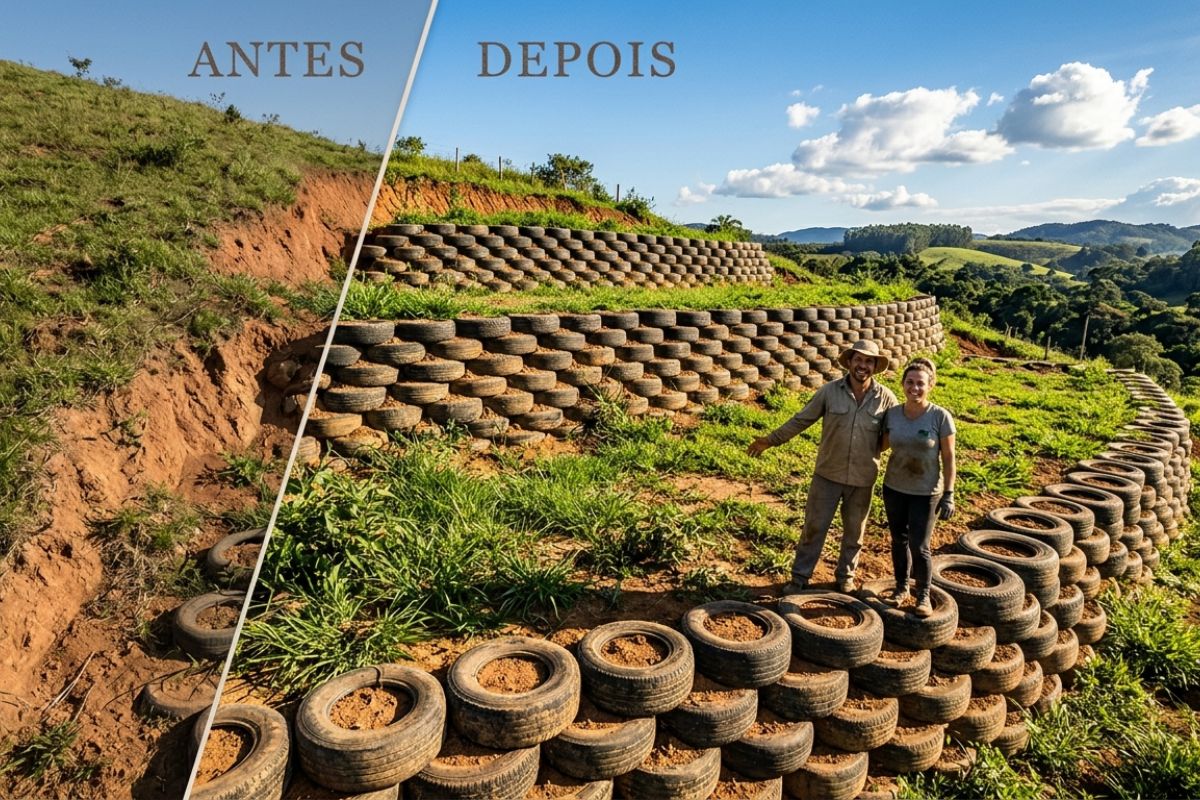
Couple shows how they built a retaining wall on their property using 400 old tires: sloped land turned into plateaus, tires are aligned, filled, and compacted with layers of soil, with grass helping in support and at almost zero cost.
-
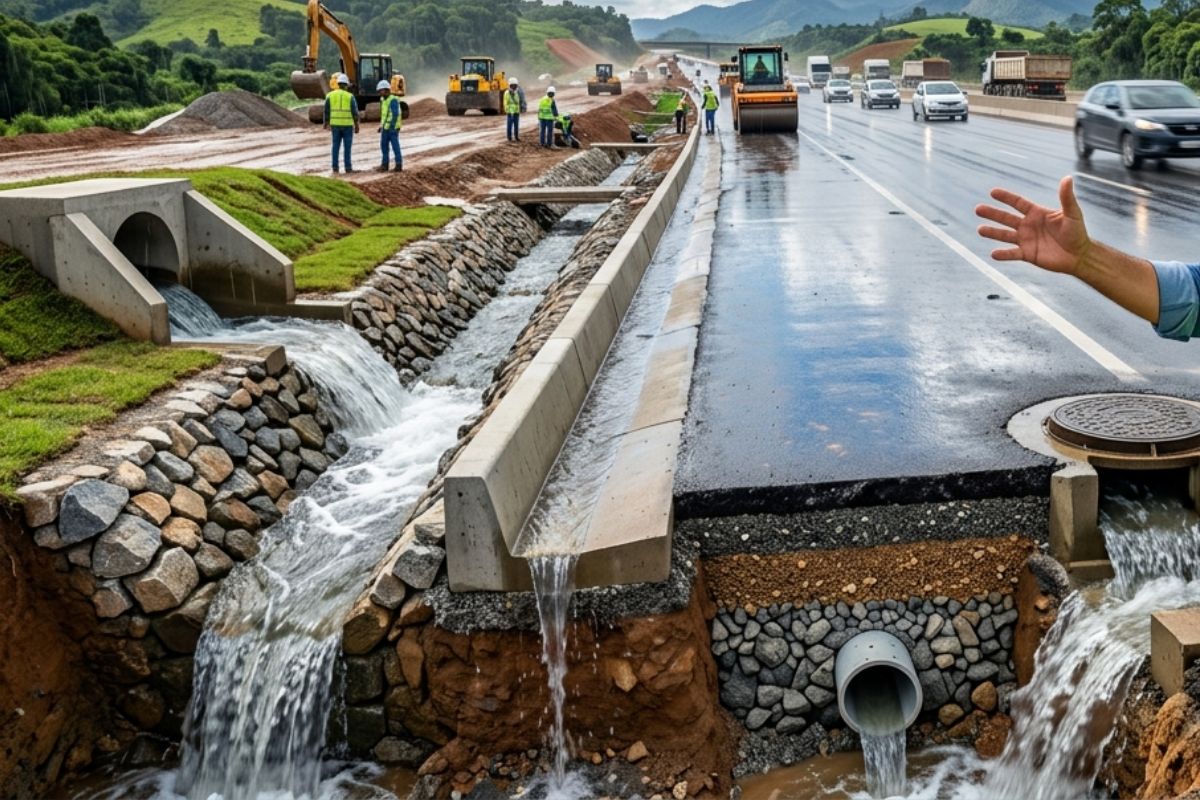
Engineer explains drainage during the rainy season: the difference between surface water and deep water, ditches, gutters, and water outlets on the road, as well as drains and drainage mattresses, to prevent erosion, aquaplaning, and flooding at the construction site today.
-
With 55 floors, 177 meters in height, a 15-meter walkway between the twin towers, ventilated facade, and 6,300 m² of leisure space, Ápice Towers already has one tower completed and another nearly at the top.

Days later, local authorities argued that the material could be scaled up if the performance confirmed the results from laboratory and previous tests, citing gains in stability and dust reduction.
How the Plastic Road Works and Why It Still Relies on Bitumen
In practice, the term plastic road usually means asphalt modified with plastic, in which plastic waste is processed and incorporated into the binder or the asphalt mix. In Islamabad, the project’s own communication mentioned the creation of a bituminous mix designed to deliver a more durable and smooth pavement, keeping bitumen as the base.

This type of paving can follow different routes, such as mixing plastic with heated bitumen or adding it to the aggregate set, varying according to method and quality control.
Academic reviews describe that the incorporation aims to improve mechanical properties and reduce the consumption of conventional materials, while simultaneously giving purpose to waste.
In local reports about the formulation, a mixing parameter was cited that helps to understand the concept as “modification” and not total replacement, referencing the proportion of plastic in relation to the bitumen used in the repaving.
What Islamabad Wants to Prove with Sustainable Urban Paving and PET Recycling
The central argument is environmental and urban efficiency. By absorbing nearly 10 tons of plastic in a short stretch, the project presents itself as a showcase of circular economy, transforming waste into infrastructure input, in a country facing waste management challenges.
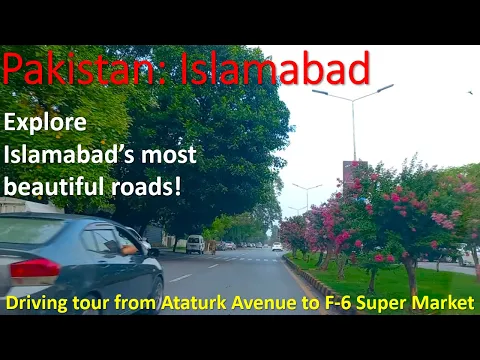
The technical promise also weighs on the political decision. In statements to the press, representatives linked to the repaving pointed out expectancies of greater durability of the pavement and better performance compared to conventional solutions, as well as possible cost reduction over time as adoption grows.
There was also advocacy for indirect urban benefits, such as reducing dust on repaved roads, a topic frequently associated with air quality and discomfort in areas with heavy traffic. An environmental science professor cited by local media assessed that the measure can help control dust if applied with criteria and monitoring.
Before the main stretch, the authority in Islamabad reported tests in an urban park area and indicated that expansion would depend on engineering results and field performance.
Environmental Risks and Scientific Gaps Surrounding Plastic Asphalt
The main point of caution is that the innovation advanced faster than the science applied at a large scale. The World Bank highlights that, although the idea has existed for years, there are still relevant gaps regarding the specific environmental impacts of this type of pavement, especially when the solution is marketed as a direct response to plastic waste.
One of the most cited doubts involves microplastics. The normal wear of tires and the pavement itself already sources particles into the environment, and there is still a lack of robust research to measure how the presence of plastic in the mix may alter this picture over time and in different climates and traffic volumes.
Another concern is the possibility of leaching of additives and the need for clear technical specifications, as different types of plastic and different processes can yield very distinct results. The World Bank points to the need for guidelines and standardization to prevent a “fix” from creating another problem.
There is also the topic of occupational health during the production and application stages. Academic reviews note that heating plastics and bitumen can generate emissions that require evaluation and protection protocols for workers, as well as monitoring data under real construction conditions.
Finally, there is the question about the end of life for the material. The World Bank emphasizes that it is unclear, in many cases, whether and how these pavements can be recycled at the end of the cycle, which impacts the overall environmental balance of the solution.
What Is Missing for the Plastic Road to Become Public Policy and Not Just a Showcase
To move out of pilot status, projects like the one in Islamabad need technical transparency and independent validation. The local authority itself stated that it started with tests and would evaluate engineering results before bringing the technology to other areas, suggesting a gradual path conditional on evidence.
The next step usually involves quality standards and performance auditing, with indicators of resistance, deformation, maintenance, and effects in different temperatures and rainfall. The literature on plastic-modified asphalt reinforces that results depend on process control, waste selection, and consistent protocols.
Without this evidence package, the risk grows that the narrative will turn into environmental marketing. The World Bank itself advocates for rigorous debate and research parallel to pilots to address questions about environmental and health impacts before scaling up to thousands of kilometers.
If your city announced something like this, would you support it without reservations or would you demand studies on microplastics, emissions, and durability before spreading the idea across the entire road network? Leave a comment saying whether this is a real environmental solution or if it could just become a green showcase that pushes risks to a later time.









Amados, vejo com bons olhos a destinação para um material que possivelmente iria para aterros sanitários , ou para o meio dos oceanos, já é um ponto positivo, mas, percebi no vídeo que não foi usado meio fio, como limitador da estrada ou um limitador entre a estrada o acostamento e a calçada, os meio – fios poderiam ser totalmente de plásticos e ainda ser contemplados com cores de sinalização específica da via ou do estacionamento, sem contar que a infraestrutura fluvial que ficaria abaixo poderia ser também de plástico recuperado,como manilhas alto-travante ou rosqueável, na verdade não precisa ser 100%,em toda a cidade , mas, em parede dela sim 100% para nós dar uma condição de análise comparativo,de como reage ao tempo de reposição a chuva e o sol , ao travego de veículos leves e pesados , sem contar os possíveis acidentes que poderiam derramar líquidos inflamável e ao fogo .
Amados o plástico tem moldagem , e flexibilidade,mas tem pontos fracos também se misturado incorretamente , parabéns a iniciativa destes profissionais que lutam dia a dia por um planeta melhor para todos .