





 Portuguese
  English
  Spanish
  5 min of reading
  0 comments


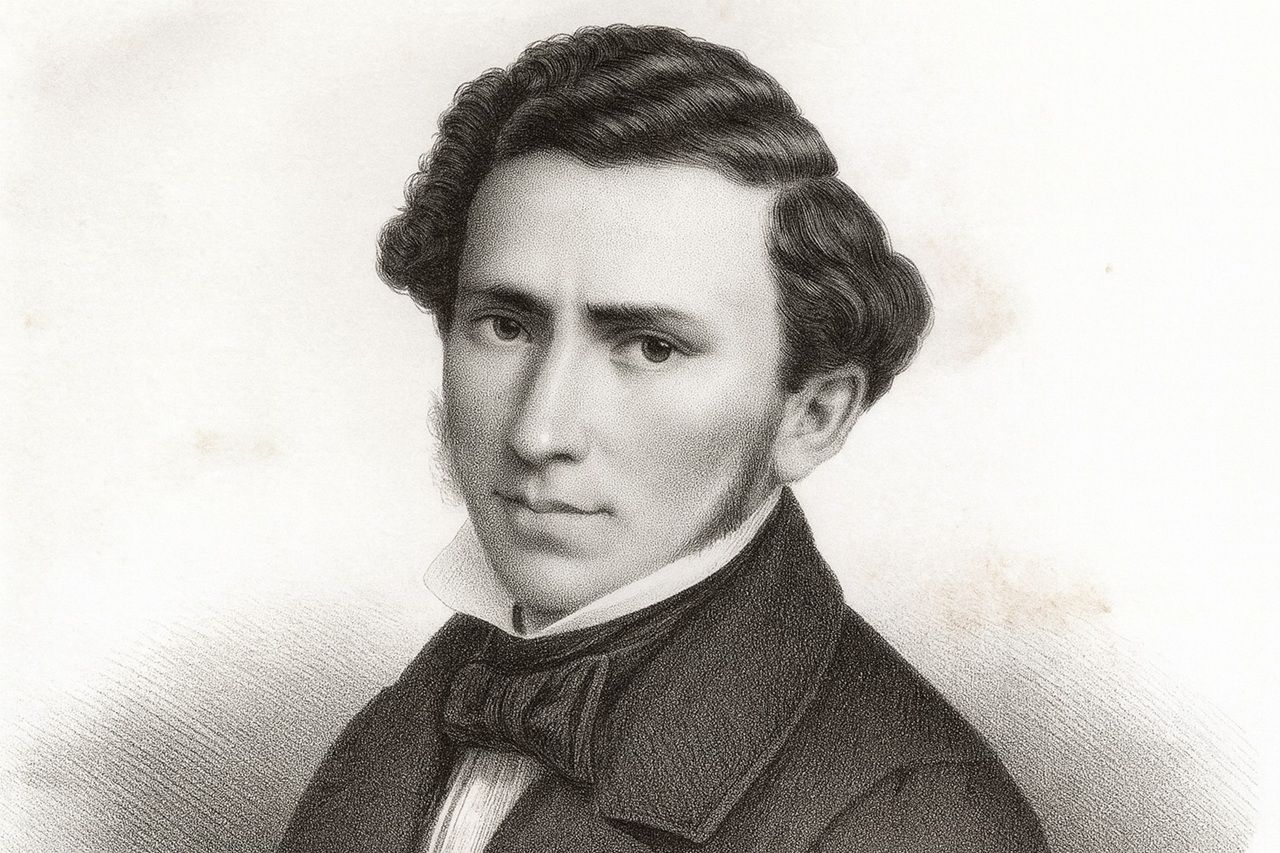
The Journey of the First Brazilian Graduate from Harvard Reveals a Pioneer Who Founded a Museum, Hospital, and Scientific Journal in the 19th Century, Yet Had His Contributions Forgotten Even After Influencing the Organization of Medicine and Science in the Country
The presence of figures who broke barriers is not always given due attention. This is the case of Joaquim Antônio Alves Ribeiro, a doctor from Ceará who graduated from Harvard University in the mid-19th century.
He was part of a small group of Brazilians who sought education in the United States and took on important roles in Ceará. His work included leadership at the Santa Casa de Misericórdia de Fortaleza, the first charity hospital in the state, as well as the creation of the first natural history museum in Ceará.
The doctor was also at the forefront of one of the first scientific journals in the North and Northeast. Born in Icó in 1830, he remained forgotten for decades.
-
The oceans are darkening all over the planet – what is happening?
-
An engineer designs a solar plane to fly on Mars at an altitude of 1,000 meters and a speed of 300 km/h, covering 16,000 kilometers in a Martian year, 900 times the distance traveled by the Ingenuity helicopter in three years on the planet before experiencing a rotor failure, and NASA is already funding the feasibility study.

-
A new phenomenon of contactless magnetic friction intrigues scientists and questions a theory that has been valid since the 17th century.

-
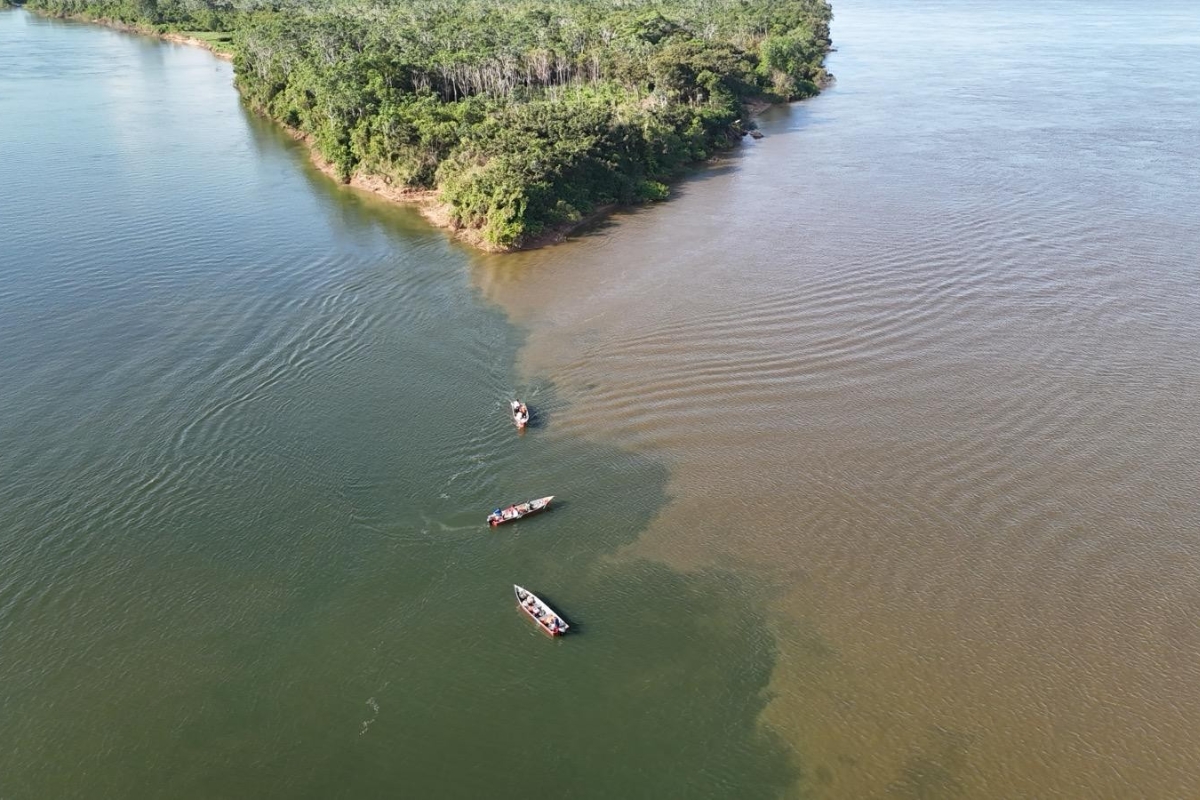
An impressive phenomenon in Northern Brazil causes rivers of different colors to flow side by side, revealing secrets about sediments, currents, and biodiversity.

His name only resurfaced when researcher Eduardo de Vasconcelos found evidence of his significance. The discovery occurred while he was still an undergraduate in History, when Eduardo attended a lecture about scientist Francisco Dias da Rocha.
The researcher heard that Dias da Rocha’s collection may have originated the Museum of Ceará. However, a document found in historical archives presented a different narrative.
Dias da Rocha himself mentioned the existence of an earlier museum envisioned by Alves Ribeiro. This information revealed a significant gap in local historiography and spurred a deeper investigation.
Vasconcelos’s interest resulted in the book The Peculiar Science of Joaquim Antônio Alves Ribeiro, published by Editora Cancioneiro. The work stems from his doctoral thesis and aims to include the Ceará native among the pioneers of Brazilian medicine, a group generally associated with names like Oswaldo Cruz and Carlos Chagas.

Between Ceará and Harvard
The decision to study in the United States stood out in a context where Brazilian families sent their heirs to Portugal or France. The researcher suggests that the choice may have been influenced by the European economic crisis of the time, which raised the costs of higher education. Family business connections may also have favored this alternative.
Harvard did not yet have the prestige it holds today. Admission required a mathematics and Latin exam, proficiency in English, and resources to cover tuition. Alves Ribeiro became the first native Brazilian, son of Brazilians, to be admitted to the institution. However, during the research, records were found of two students from Rio de Janeiro who had previously gone through the course. Both had the surname White, indicating foreign ties.
After completing his education, the doctor returned to the country. He opened a clinic in Recife and worked as a general practitioner for three years. In 1858, he returned to Ceará and took on the role of doctor for the poor, a position paid for by the province to care for those unable to afford medical care. When the Santa Casa de Misericórdia was inaugurated in 1861, he became the first physician at the facility.
Science, Medicine, and Dissemination
The researcher highlights that the medicine and science experienced by Alves Ribeiro were developing. Physicians were competing with other healing practices, such as religious rituals and traditional methods. Despite the fragmented landscape, he sought support from available scientific knowledge.
One of his most significant initiatives was the journal A Lanceta, published from 1861 to 1863. The periodical may have been inspired by the English magazine The Lancet, as records exist of letters sent by the doctor to the foreign publication. The Brazilian version addressed medicine, surgery, physiology, and pharmacy. Its goal was to create a network of professionals interested in strengthening the field in the country.
In addition to the journal, Alves Ribeiro produced the Manual da Parteira, designed to guide laypersons in fundamental obstetric practices. The work used images as a teaching resource and sought to promote the dissemination of medical knowledge. The material reflected a concern with public health and popular education.
The Ceará native also adopted practices considered innovative for the period, such as the use of ether in procedures. He became aware of debates on anesthesia through the Gazeta Médica da Bahia. After reading an article, he sent a response informing that he applied the technique to extract teeth or nodules. He also adjusted the amount of the substance to the local climate, as the heat of the Northeast required a greater volume to ensure the desired effect.
The Historical Erasure
Despite his contributions, Alves Ribeiro disappeared from collective memory after his death in 1875 at the age of 45. The researcher points to different factors to explain the forgetfulness. His early death hindered the consolidation of his legacy. Furthermore, there were no disciples or institutions capable of continuing his work.
The historical context of Ceará reinforced this erasure. Narratives centered on drought and banditry occupied significant space in academic studies, reducing the visibility of scientific trajectories. The natural history collection produced by the doctor also faded over time, eliminating one of the main testimonies of his work.
Even with his pioneering initiatives, Vasconcelos argues that he should not be portrayed as an advanced man for his time. For him, Alves Ribeiro accurately expressed the challenges and possibilities of his context. The difficulty lies in perceiving this framing because, according to the researcher, Brazilian scientific production is still often associated with the southern southeastern axis.
His journey reveals a northeastern individual who sought ways to contribute to the development of science. He navigated between medical practice, the creation of knowledge spaces, and scientific dissemination. These actions demonstrate a coherent attempt to strengthen the field in Brazil, despite the limitations of the period.
The research on his life indicates how historiographic gaps still shape the understanding of pioneers. Vasconcelos’s effort seeks to restore Alves Ribeiro’s rightful place in this history. His work at the Santa Casa, involvement with the scientific press, and museum project reinforce the importance of revisiting figures whose contributions have not been fully recognized.
The story of Joaquim Antônio Alves Ribeiro, therefore, highlights how relevant figures can be erased by social, institutional, and cultural factors. Recovering their initiatives represents more than rescuing forgotten biographies. It means broadening the understanding of who contributed to the construction of science in the country and recognizing the diversity of paths that shaped this process.
Information from BBC.









-

-

2 pessoas reagiram a isso.