





 Portuguese
  English
  Spanish
  4 min of reading
  0 comments



At 18 Years Old, The Student From Goiás Achieved First Place In ITA, AFA, And UFG After Years Of Rigid Discipline, An Intense Study Routine, Attention To Writing, Balance With Sleep, And Focus On Deeply Understanding Each Subject
The student Lucas Amaral, 18 years old, achieved a rare result by securing first place in three highly competitive selection processes in the country, involving institutions of great academic prestige.
The information was obtained from a video published on the channel Opção Play on YouTube, which followed the young man’s journey and interviewed students, teachers, and the successful candidate himself.
Lucas ranked first in the entrance exam for the Instituto Tecnológico de Aeronáutica, at the Academy of the Air Force, and in the selection process of the Federal University of Goiás focused on the field of artificial intelligence.
-
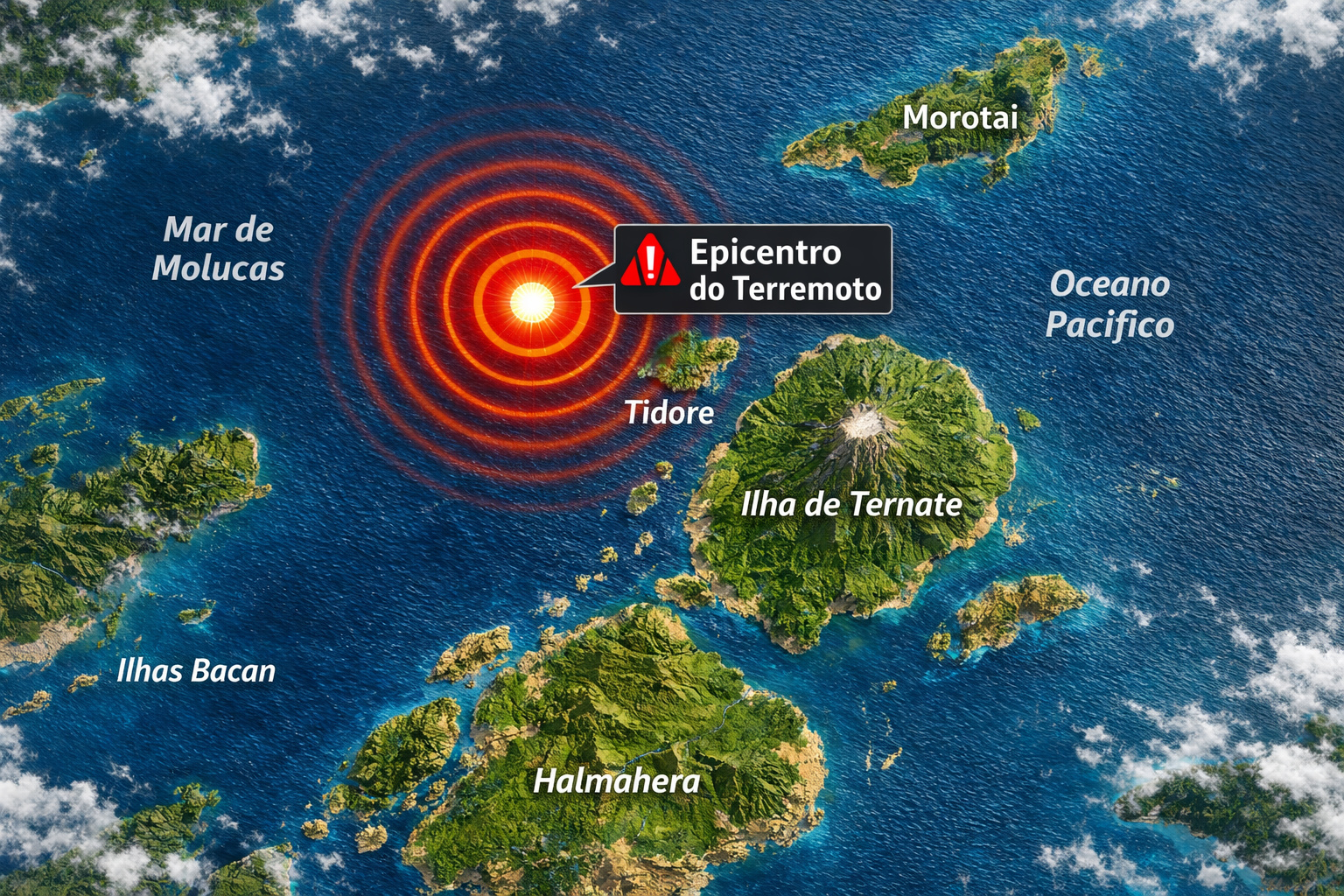
A strong earthquake in Indonesia affects houses and schools, causes panic, triggers a tsunami alert, and records a rise in sea level of up to 30 centimeters in some areas.

-
The Argentine government celebrates the lowest poverty rate in 7 years, but experts warn that the methodology has changed, real wages have fallen, unemployment has risen, and the number of people on the streets of Buenos Aires has increased by 57% since Milei took office.

-
7.8 magnitude earthquake in Indonesia frightens the population, triggers tsunami alert, and hits an island with over 200,000 inhabitants this Thursday.
-
Google will finally let you change that embarrassing Gmail address you created in your teenage years without losing any accounts, logins, or old emails: the feature is already available in the United States.


This achievement is notable for gathering simultaneous approvals in selections known for their extreme rigor, high technical standards, and very low approval rates, requiring consistent performance in different exams.
Choosing ITA And Internal Criteria
Despite multiple possibilities, Lucas chose to enter ITA, a decision that, according to him, involved an affinity with the academic proposal and the training offered by the institution.
“I intend to choose computer engineering,” said the student during the video, commenting on his plans within the undergraduate program.
Lucas explained that the final choice of engineering occurs internally, from the second to the third year of the course, based on the performance accumulated throughout the initial training.
“The selection there is made by the average of the grades, counting military training, the entrance exam average, and also the grades within the college,” he detailed.
According to him, internal evaluations and academic performance within the institution carry even more weight in the final classification process.
Intense Routine And Prolonged Discipline
A student at Colégio Arena, Lucas underwent an extremely demanding study routine, built over the years and intensified during the final preparation period for the entrance exams.
The daily journey began early and was organized to maintain consistency, discipline, and the ability to absorb large volumes of technical and theoretical content.
According to Igor Amattre, the teacher responsible for the preparation, the students started studying at 7 a.m., focusing on individual activities and doubt sessions.
“From 7 a.m. until noon, these students are studying. It’s individual study and doubt sessions,” he explained.
In the afternoon, the routine extended from 1:40 p.m. to 9 p.m., with regular classes from Monday to Friday, in addition to frequent mock tests on weekends.
For the teacher, the main challenge was to maintain a balance between continuous effort and short rest periods, avoiding excessive physical and mental fatigue.
Discipline, according to him, was crucial to sustain performance throughout months of intense preparation.
Writing, Sleep, And Collective Support
In addition to the exact subjects, writing played a central role in the composition of the final averages required in the most competitive entrance exams in the country.
Igor Amattre emphasized that many students underestimate this stage, creating rigid divisions between areas of knowledge.
“I even joke with them when I enter the classroom saying: ‘Aren’t you good at calculations?’,” reported Karla Bárbara, a writing teacher.
He then reinforced that writing also has a grade, weight, and direct impact on the final average, being an essential part of the approval calculation.
Miguel and João, also approved at ITA, reported similar experiences during the preparation period, marked by long hours and gradual adaptation.
“I won’t lie, it was hard work. I arrived here at 7 a.m. and left at 9 p.m.,” Miguel said.
Despite the intense workload, he noted that the support from colleagues and teachers made the process emotionally more bearable.
João stated that, even already used to studying, he felt the significant increase in demands when entering the preparatory class.
“When you go to the preparatory course, it’s much harder. You have to work a lot,” said João Marcos.
According to him, that was the year of greatest academic dedication in his journey so far.
Another point highlighted by the students was the importance of sleep during preparation, often neglected by candidates.
“Many people even compromise their sleep quality to try to study more,” warned Lucas Amaral.
Miguel explained that adequate sleep not only ensures energy for the next day but also helps the brain retain information.
The shared recommendation was to prioritize between six and seven hours of sleep per night instead of staying up late studying.
In the end, Lucas offered direct advice to students seeking similar results.
“Do not underestimate any content,” he said.
According to him, ignored gaps tend to create future difficulties, as many subjects have essential prerequisites.
“If you skip a step now, it might hinder you later,” he warned.
For the student, studying to understand, and not just to pass the exam, was decisive in facing different entrance exams with confidence.
“Try to truly understand the content, and not just to pass the exam,” concluded Lucas Amaral.
Lucas ended by expressing gratitude to the schools, teachers, and classmates who were part of his education since elementary school.
For him, the result represents the reward for an effort built over almost his entire school life.
Information from Opção Play.









-

-

-

-

-

-

37 pessoas reagiram a isso.