





 Portuguese
  English
  Spanish
  2 min of reading
  0 comments


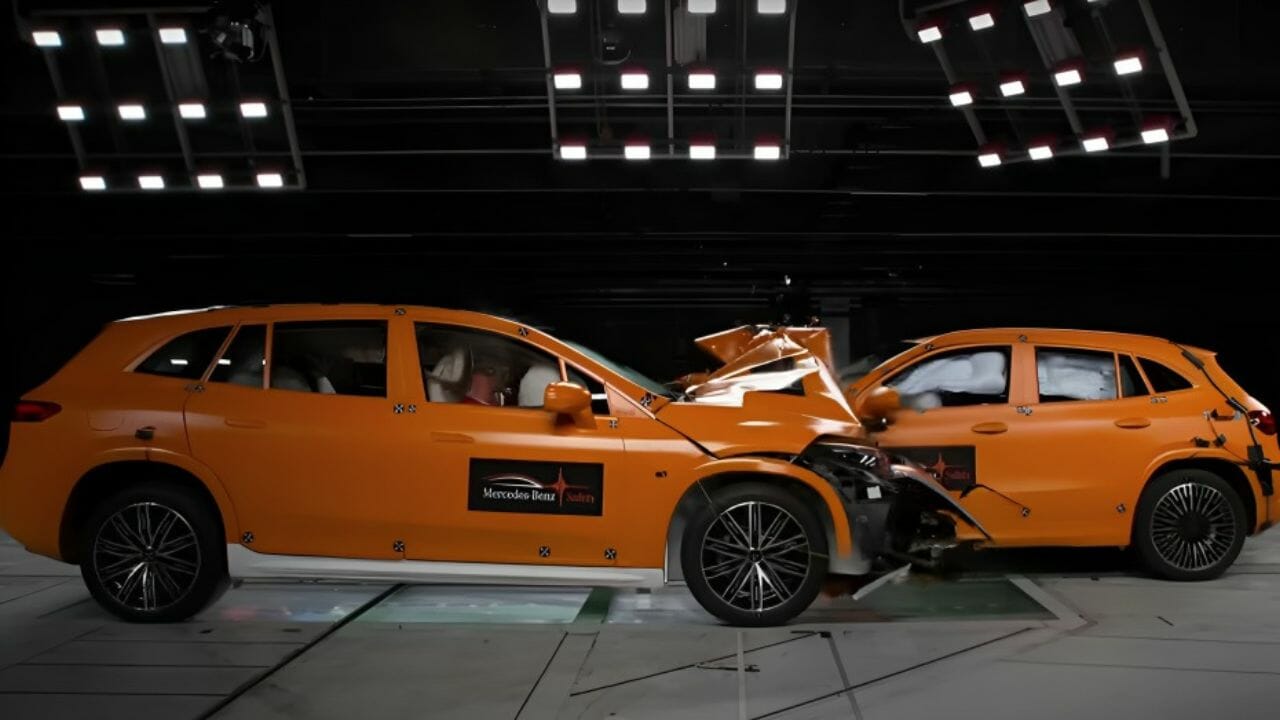
A Groundbreaking Study by Mercedes-Benz Shows That Electric Vehicles Are on Par with Combustion Cars When It Comes to Safety
The world of electric vehicles has just gained another positive point: a recent crash test confirms that they are as safe as vehicles with internal combustion engines. The experiment was conducted at a speed of 56 km/h, with a 50% overlap, replicating the conditions of a real collision on roads with traffic and real people.
The preparation for the test involved a series of steps and specialized professionals. Initially, several simulations were conducted to anticipate the results. Based on these simulations, production-line electric vehicles were selected and painted orange to enhance contrast in the black-and-white footage used in the tests.
Advanced Technology
The use of crash test dummies equipped with up to 150 different sensors ensured the accuracy of the measurements. These sensors measure various forces, accelerations, and compressions, providing data directly related to the likelihood of injuries in a real collision.
-
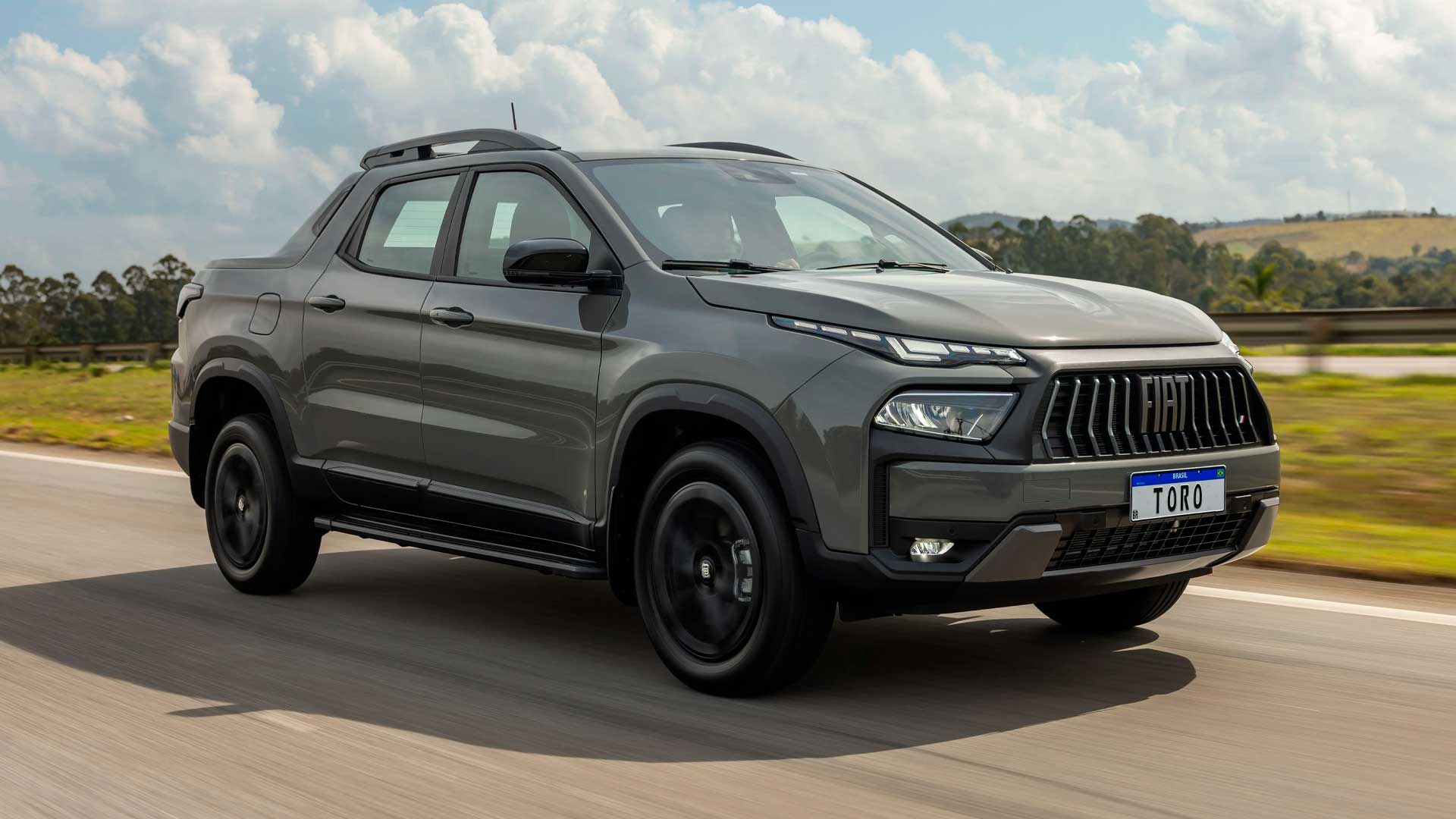
Stellantis calls Fiat Toro owners for a recall in Brazil due to fire risk after an electrical failure that also increases the risk of engine failure.
-
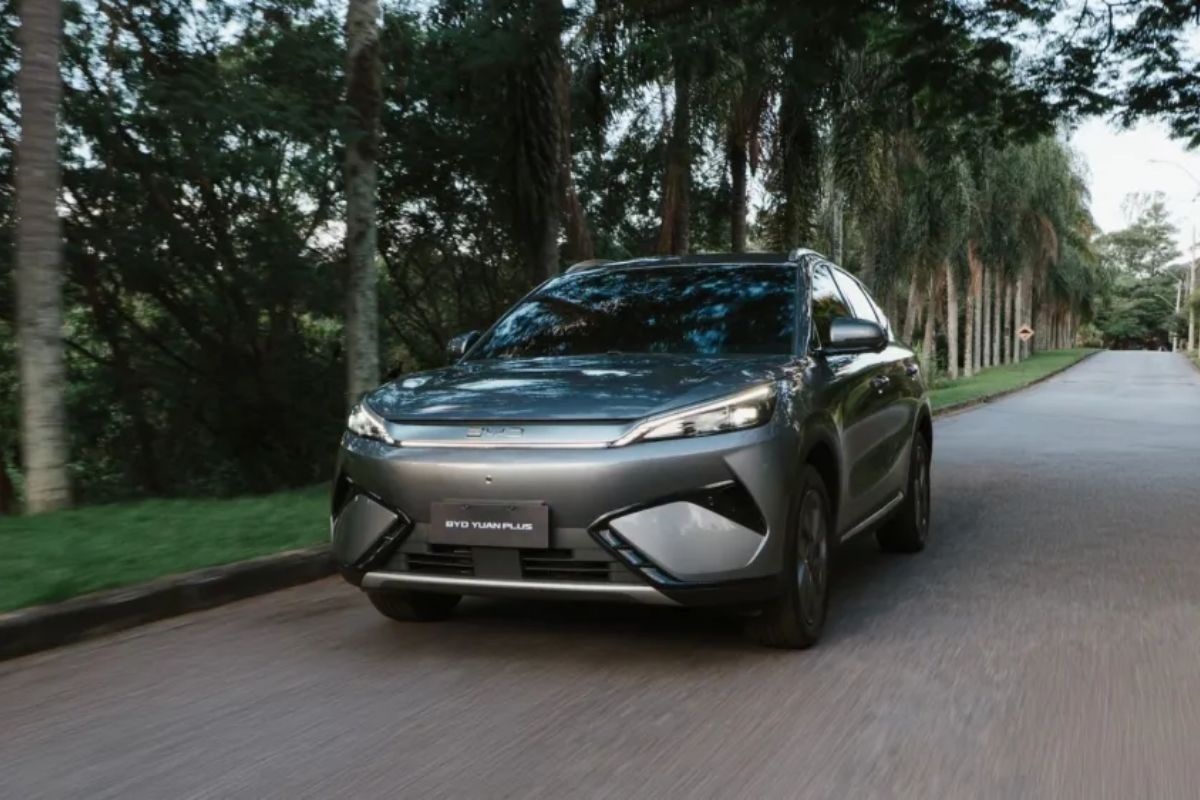
BYD focuses on the Yuan Plus 2027: the SUV gains two motors, jumps to 449 hp, accelerates from 0 to 100 km/h in 3.9 seconds, expands the trunk to 490 liters, and arrives priced at R$ 269,990 with a range of 530 km.
-
Experts warn: a dirty car air conditioning filter in winter can accumulate fungi and bacteria, causing allergies, fatigue, and even loss of attention while driving.

-
Owners of Chevrolet Agile discover a problem with the catalytic converter that can lead to a bill of up to R$ 4,000, steal engine power, increase fuel consumption, trigger the injection light, and worsen quickly when the first signs are ignored.

Focus on Safety
What makes a difference in these tests, especially with electric vehicles, is the focus on safety systems such as airbags and seatbelt pre-tensioners. Activated in a fraction of a second, these systems are essential to minimize the impact on vehicle occupants.
Particularly in electric vehicles, another point of attention is the integrity of the battery and high-voltage components, which proved to be stable after the collision.
At the end of the experiment, the results were promising: the programmed deformation in the front of the electric vehicles acted as expected, effectively absorbing the energy of the impact and minimizing the forces exerted on the occupants. The high-voltage system shut down as programmed, and the battery’s integrity remained intact.
The Safety of Electric Vehicles Confirmed by Mercedes-Benz
In summary, the test conducted by Mercedes-Benz marks a milestone in the development of electric vehicles, reinforcing that their safety is on par with combustion vehicles. “Our vision is of zero fatal accidents by 2050,” the researchers involved stated. “There is no greater purpose than saving lives.”
This study reinforces the importance of technological advancement in the electric vehicle industry and confirms that safety is a priority, both for passengers and for the integrity of the vehicles themselves.










Seja o primeiro a reagir!