





 Portuguese
  English
  Spanish
  3 min of reading
  0 comments


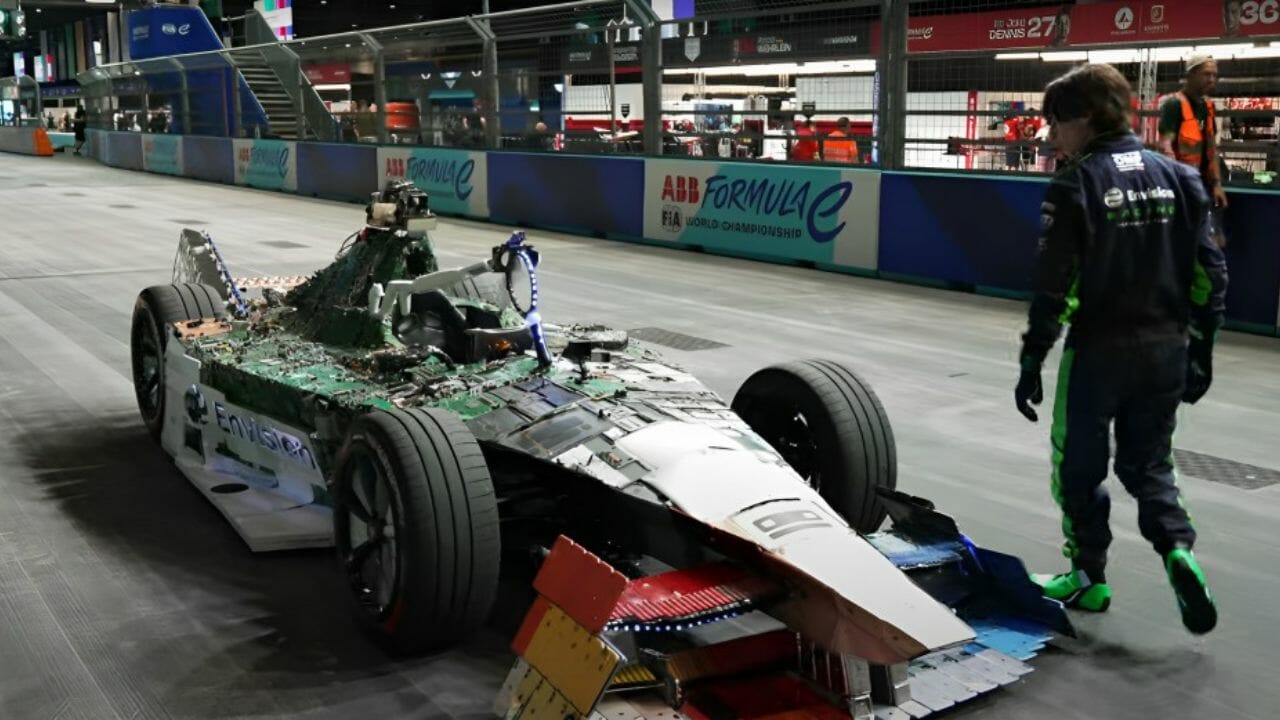
“If we don’t reduce the continuous production cycle of electronic waste, we will have 75 million tons of electronic waste generated annually by 2030,” warns the leader of the Lazarian Studios team. The message is clear: we need to adopt a circular economy where resources from old devices are used to build new ones, especially when we talk about electric cars.
Did you know that we generate over US$ 62.5 billion in electronic waste annually? To put it into context, this amount is greater than the GDP of many countries and is equivalent to about 50 million tons of electronic waste discarded every year. But amid this environmental chaos, an initiative in Manchester, England, brings a ray of hope: electric cars made entirely from electronic waste.
Urban Mining: Formula E Car Made From Electronic Waste
Developed by Liam and his team at Lazarian Studios, the project features a Generation 3 Formula E car made entirely from electronic waste. Surprisingly, the car is made from components ranging from iPhones and Xboxes to vapes, some of which have only been used for a week.
“This project is to make people realize that these things we often throw away can be reused in creative ways,” Liam said. The car is not just an assembly of electronic components on an existing chassis; it was built from scratch.
-
Man pays only R$ 17,500 for a 2021 Hyundai Creta at auction, finds SUV covered in mud and with a stalled engine, but discovers the problem was much smaller than everyone imagined.

-
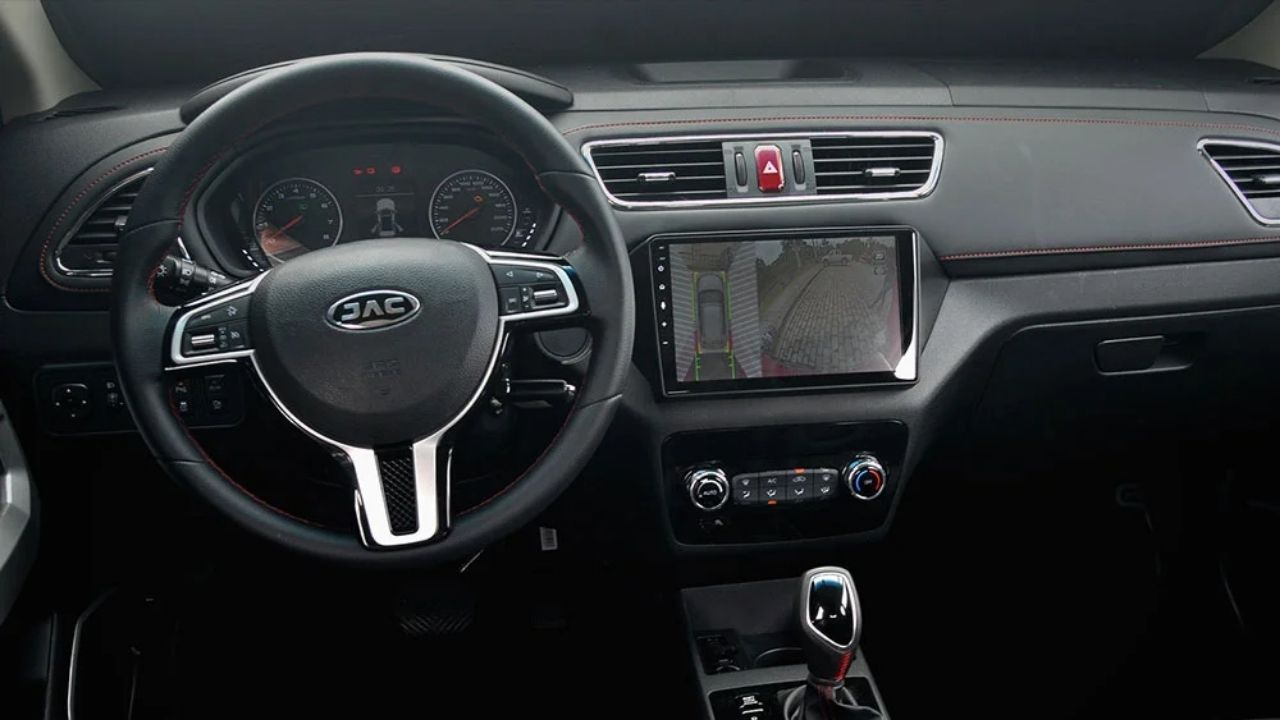
Cheaper than the JAC T60 Plus: with a 1.5 flex engine, 1.6 option with 138 hp, CVT-type automatic transmission, 360 camera, panoramic sunroof, and 10-inch central unit, this used Chinese SUV tries to convince those looking for a complete package: meet the JAC T40 Plus 2022.
-
Man spends 20,000 hours and 7 years building a functional wooden supercar with a Cadillac V8 engine, 20 types of wood, and a reported top speed of 320 km/h.
-
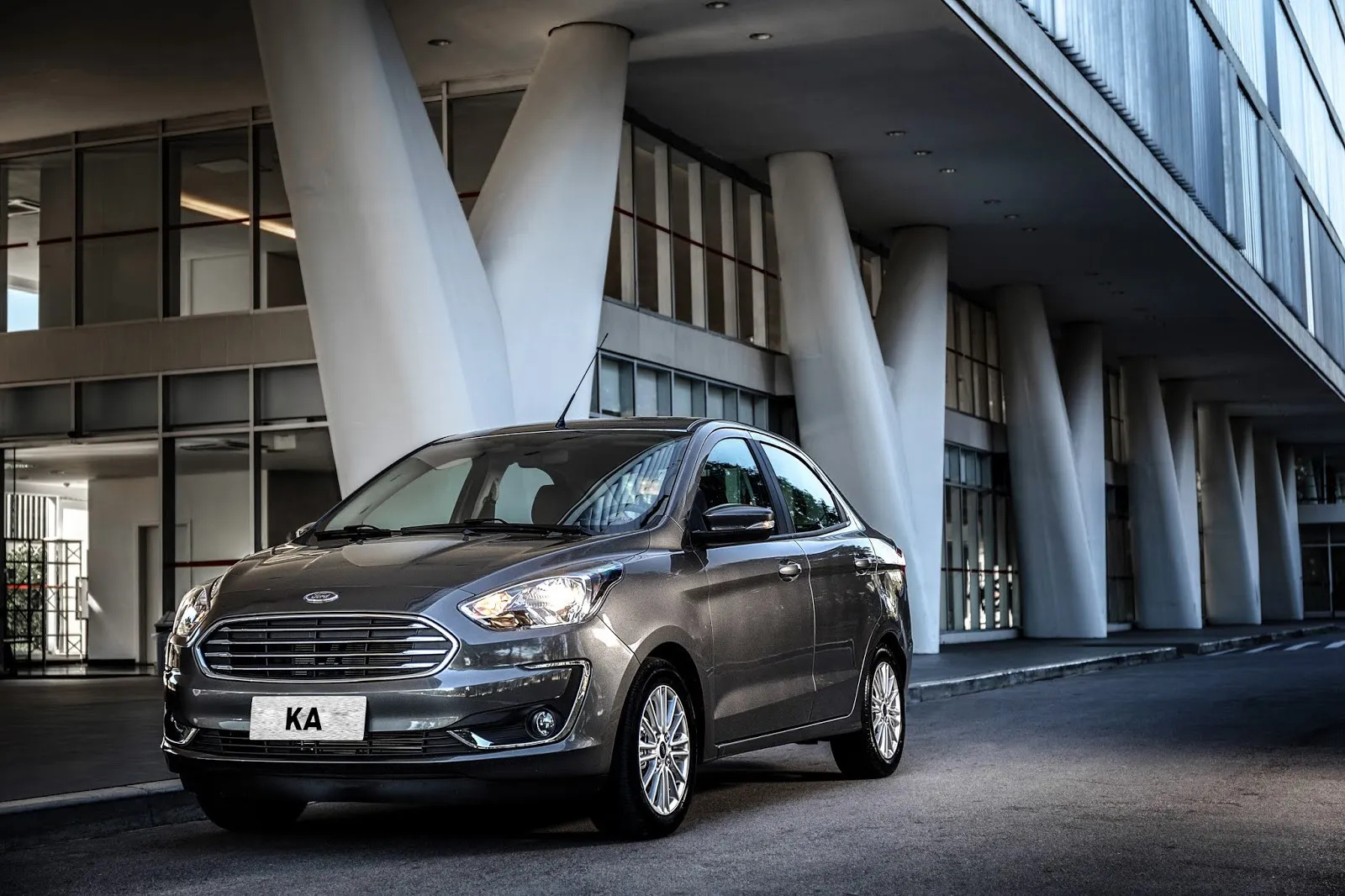
With a compact design and performance above expectations: 1.5 flex engine with up to 136 hp, 6-speed automatic transmission, 445-liter trunk, and four airbags make the Ford Ka Sedan Titanium 1.5 Automatic 2020 a well-equipped used car.


The Impact of Vapes on Electric Cars
One of the most shocking aspects of this project is the extensive use of vapes, devices that are often discarded after a single use. “In the United Kingdom, around 168 million of these devices were sold last year. And approximately 50% of them are discarded in landfills,” revealed the Manchester team.
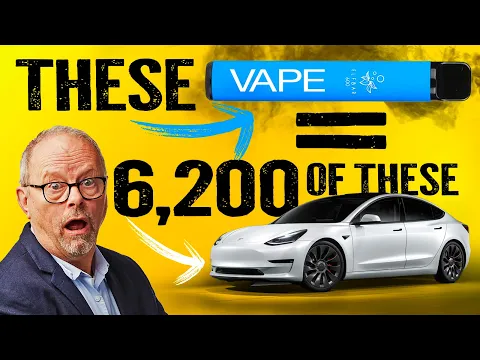
This waste of vapes translates to about 310 megawatt-hours of battery capacity, enough to power over 6,200 Tesla Model 3s. This raises an important question about how the improper disposal of these devices is affecting the environment and the potential for their reuse in electric cars.
The Journey of Electronic Waste: Apple and Redwood Materials
Currently, only about 20% of our electronic waste is formally recycled, with the remaining 80% going to landfills or being informally recycled, often in developing countries. This practice exposes workers to hazardous and cancer-causing substances.
Fortunately, companies like Apple and Redwood Materials are leading the way in recycling e-waste to create new batteries for electric cars. Additionally, in the UK, Music Magpie is working to give new life to old devices.
The project in Manchester is more than just an example of innovation; it is a call to action for manufacturers and consumers to rethink the life cycle of our electronic devices. And it shows that, even amid a colossal environmental problem, innovation can find a sustainable outlet.


Be the first to react!