





 Portuguese
  English
  Spanish
  5 min of reading
  0 comments


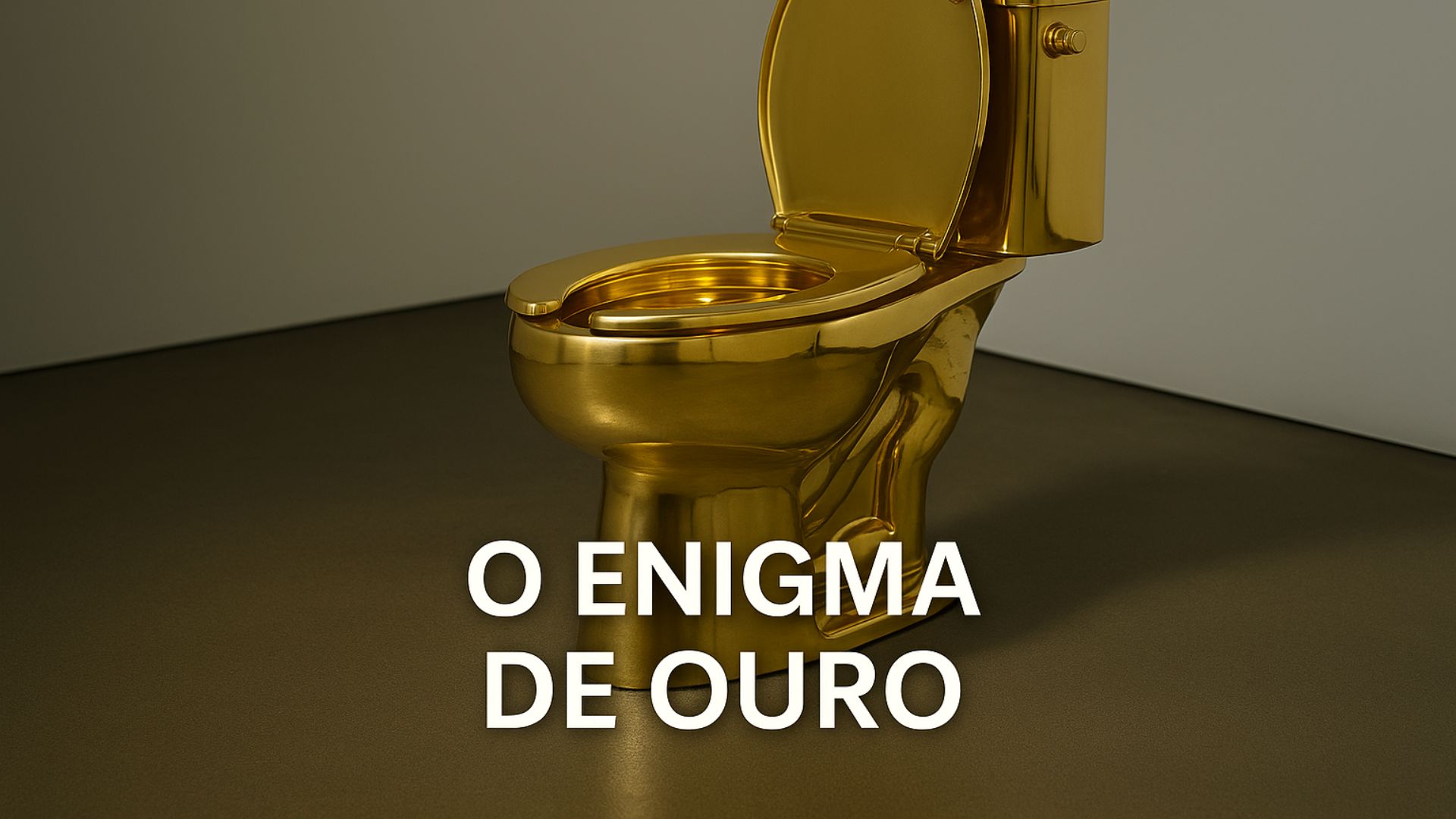
A Solid Gold Sculpture Created by Maurizio Cattelan Returns to the Market After Years of Secrecy, Reviving Debates About Luxury, Satire, and the Limits of Value in the World of Contemporary Art.
A fully functional toilet, made with just over 100 kilograms of 18-karat gold and valued at around US$ 10 million, is back in the spotlight after being put up for auction in New York.
The sculpture, titled “America” and created in 2016 by Maurizio Cattelan, remained in a private collection for years and will now be offered by Sotheby’s on November 18, with a starting bid tied to the value of the metal.
Market sources point to billionaire American Steve (Steven) Cohen, owner of the New York Mets, as the consignor of the work.
-
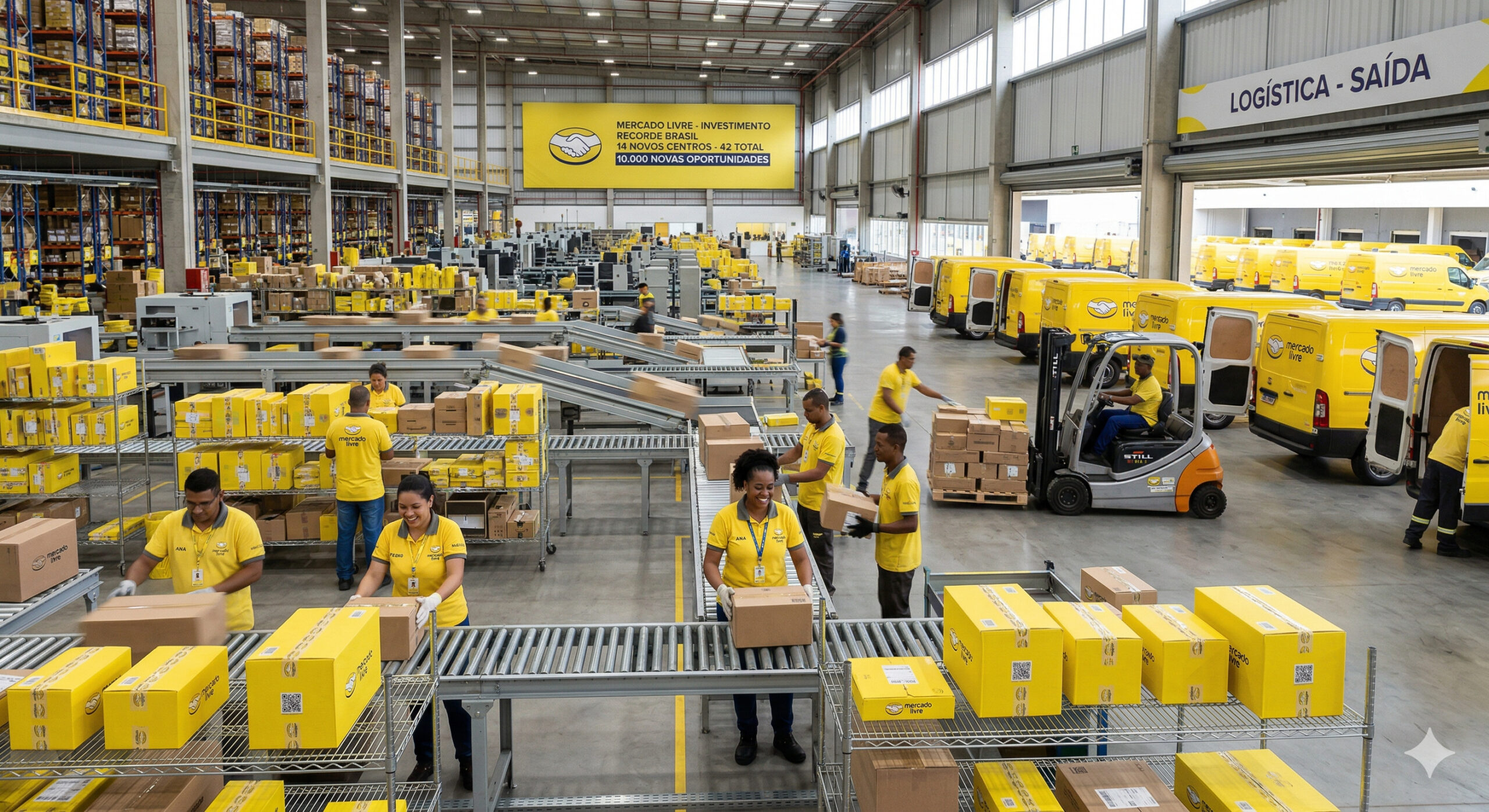
Mercado Livre “opens the vault” and announces a record investment of R$ 57 billion in Brazil in 2026, a value 50% higher than the previous year, with an expansion plan that includes 14 new logistics centers, totaling 42 units in the country and hiring an additional 10,000 employees.
-
How investment in technology can revolutionize the national economy and enhance industrial gains, according to a study that highlights the direct impact on productivity, innovation, and wealth retention within Brazil.

-
The largest food company on the planet, JBS, has just opened a 4,000 square meter laboratory in Florianópolis to develop customized proteins that modulate muscle mass gain, immune response, and metabolic performance.

-
After nearly 30 bids and competition among industry giants, a Spanish company purchases one of the largest airports in Brazil for almost R$ 3 billion and takes over the management of Galeão in a concession that will last until 2039.


For nearly a decade, the same question circulated among galleries and museums: who had bought the gold toilet that allowed the public to literally “sit” on a work of art?
Public documents never revealed the buyer, and both the artist and his gallery remained silent about the piece’s whereabouts.
Now, people with direct knowledge of the transaction attribute the purchase made in 2017 in a New York gallery to Cohen, along with the decision to place it in Sotheby’s auction.
Although the auction house avoids officially confirming the seller’s name, the marketing strategy places the story of the piece at the center of the campaign.
Sotheby’s has been emphasizing that the minimum bid will be calculated based on the value of the gold used in the sculpture, creating a direct link between commodity pricing and conceptual art pricing.
Cattelan, known for works that blend irony, social critique, and spectacular gestures, conceived “America” as a luxury toilet, entirely made of solid 18-karat gold, yet fully usable.
To function, it only needs to be installed like any other plumbing fixture.
The piece gained notoriety not only for its material but for its proposal to invite the public to use an object that typically symbolizes extreme ostentation.
Exhibition at the Guggenheim and Symbolisms of the Work

In 2016, a copy of the sculpture was installed at the Solomon R. Guggenheim Museum in New York.
The piece was available for use by visitors, with a queue and controlled time in the restroom.
The experience reinforced the reading of the work as a commentary on wealth, inequality, and the relationship between museum, public, and luxury.
Who is Steve Cohen and Why Does the Work Interest Him
Steve (Steven A.) Cohen is the Chairman and CEO of Point72, an asset management firm he founded.
The company has expanded investments in areas such as entertainment, defense, and pharmaceuticals.
Cohen has established himself as one of the most influential art collectors in the United States.
His collection includes significant post-war art, many with critical or provocative content.
Among them is “Flag” by Jasper Johns, created in 1958.
The billionaire is also reported to own a sculpture by Damien Hirst featuring a shark suspended in formaldehyde.
This profile helps to explain Cohen’s interest in “America.”
The piece boasts a material of extremely high value and satirizes the association between wealth and consumption.
The decision to auction it at a time of escalating gold prices reinforces the hybrid nature of the piece.
To illustrate the contrast, experts recall that for the estimated value of the sculpture, it would be possible to purchase about 100,000 common toilets sold in hardware stores in the United States.
The Theft at Blenheim Palace and the Fate of the Second Copy
Cattelan produced the work in a limited edition, and only one other copy had been widely exhibited.
This toilet was loaned by the Guggenheim to the Blenheim Palace in England in 2019.
Installed in a restroom of the palace and connected to the plumbing system, the work could be used by visitors.
Just days after the exhibition opened, the gold toilet was stolen during the night.
Thieves used stolen vehicles and sledgehammers to break into the building.
The connection of the toilet to the plumbing caused flooding and structural damage to the building.
British authorities worked on the hypothesis that the work may have been sawed apart or melted down for resale of the gold.
In 2025, three men were convicted of the crime.
Another suspect was acquitted.
Despite the convictions, no part of the gold has been recovered.
As a result, the copy associated with Cohen came to be seen as the last remnant in private circulation of “America.”


Secrecy, Galleries, and the Path to Sotheby’s
Cohen reportedly acquired the toilet in 2017 in a private transaction with the Marian Goodman Gallery.
The gallery does not comment on specific transactions.
Representatives of the collector also did not respond to inquiries about the work.
When announcing the auction, Sotheby’s highlights the symbolic and controversial nature of the piece.
The house states that the work will be offered at the contemporary art evening auction in Manhattan, at the Breuer building.
The sculpture will be on public display before the sale, although it cannot be used as a toilet.
The Cattelan Effect in the Market and Expectations for the Auction
The recent performance of another work by Cattelan helps explain the interest in the gold toilet.
In 2024, the sculpture “Comedian” — the banana taped to the wall — was sold at Sotheby’s for US$ 6.2 million.
The buyer was cryptocurrency entrepreneur Justin Sun, who paid in digital assets.
The success reinforced the perception that Cattelan’s works serve as a barometer for market appetite.
For auction houses, this type of work attracts both traditional collectors and newly rich individuals linked to technology and digital finance.
Sotheby’s notes that “America” accepts cryptocurrency payment.
The starting bid is tied to the price of gold.
Experts believe that the history of “Comedian” may once again attract buyers from the crypto ecosystem to compete for the toilet.





-

-

-

-

-

-

10 pessoas reagiram a isso.