





 Portuguese
  English
  Spanish
  4 min of reading
  5 comments


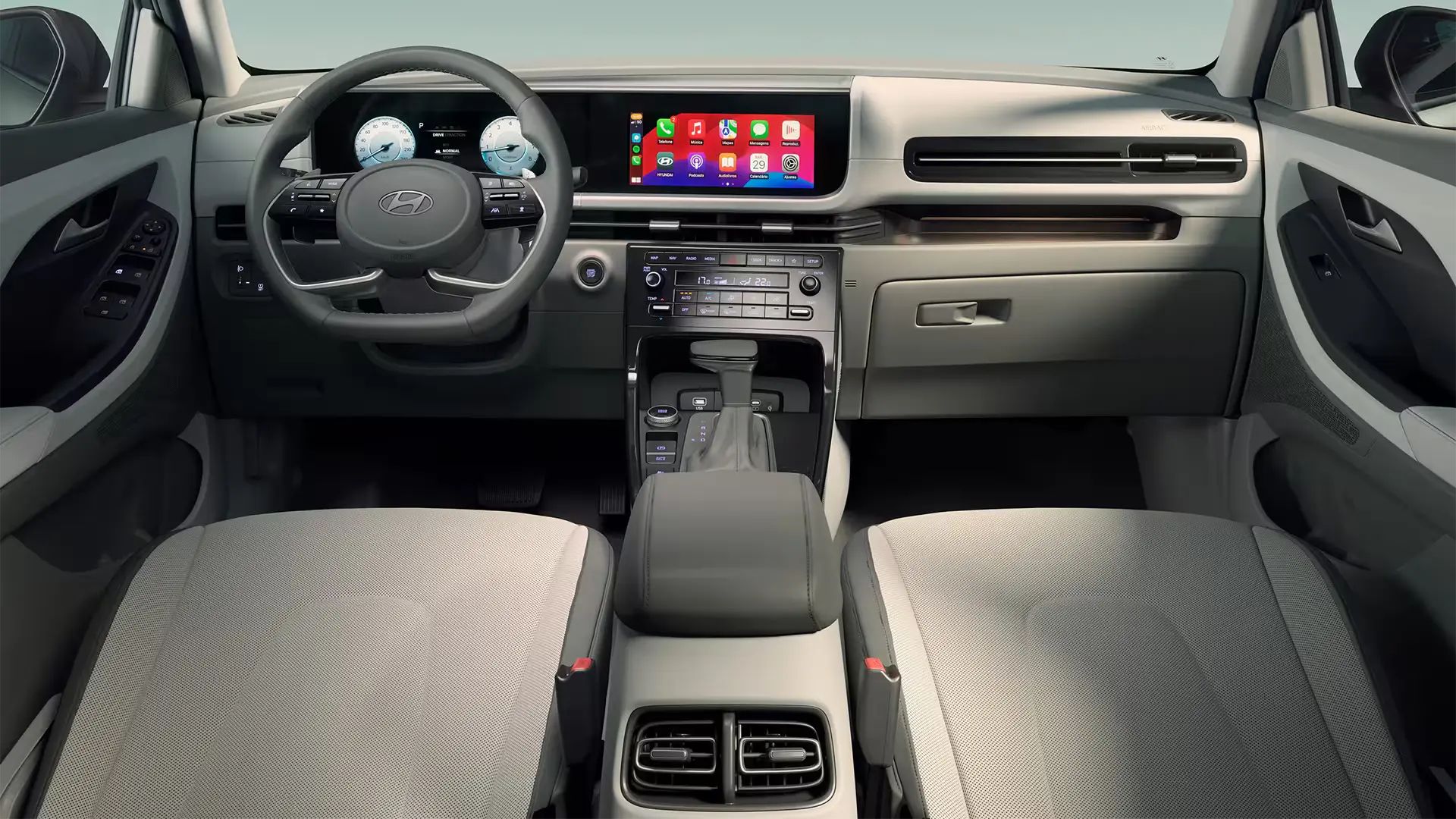


Serious Technical Failures And Increasing Reports Of Driver Dissatisfaction Rekindle The Debate About Safety, Performance, And Reliability Of The Hyundai Creta 2025 In The Brazilian Market.
The Hyundai Creta 2025, one of the best-selling compact SUVs in Brazil, has faced a wave of complaints that has put drivers on alert across the country.
Owners of different versions of the model, especially those equipped with 1.0 TGDI and 1.6 turbo engines, report serious failures that compromise the safety and reliability of the vehicle.
The main reported issues involve unexpected brake system lock-ups and chronic failures in the electronic fuel injection system, crucial aspects for the operation and safety of the automobile.
-
The Toyota Hilux is R$ 75.5 thousand cheaper and bets on the 2.8 turbodiesel engine with up to 204 hp and 50.9 kgfm to catch up with the VW Saveiro, which leads with 4,472 sales.

-
The new Renault Koleos has a screen exclusively for the passenger that is invisible to the driver, heated rear seats, and 29 assistance systems, but its Chinese competitors cost R$ 40,000 less and deliver more power.
-
The car stored for 38 years: when opening the barn door, what appears is breathtaking and looks like a scene from a movie!

-
Fiat works miracles in the Brazilian market, lowers the price of its 0 km hatch to R$ 69,990, reestablishes the model as the cheapest car in the country, and reignites the battle against Kwid and C3.


In recent months, dozens of complaints about the Hyundai Creta 2025 have been registered on platforms like Reclame Aqui, a nationally known site for compiling reports from dissatisfied consumers.
According to owners, the braking system of the model has shown sudden lock-ups, creating risky situations while driving on urban and highway roads.
Additionally, many users claim that the problem occurs intermittently, making it difficult to identify and resolve the issue at authorized Hyundai Motor Brasil dealerships.
The electronic fuel injection system of the Creta 2025 has also become a cause for concern.
Several drivers reported sudden loss of power and difficulties in acceleration, especially in the versions equipped with the 1.0 TGDI engine.
Such failures, according to automotive maintenance specialists, can compromise the performance of the SUV in critical situations, such as overtaking or starting from a stop at intersections.
“The vehicle loses power unexpectedly, leaving the driver without response on the accelerator pedal”, explained an owner in their report.
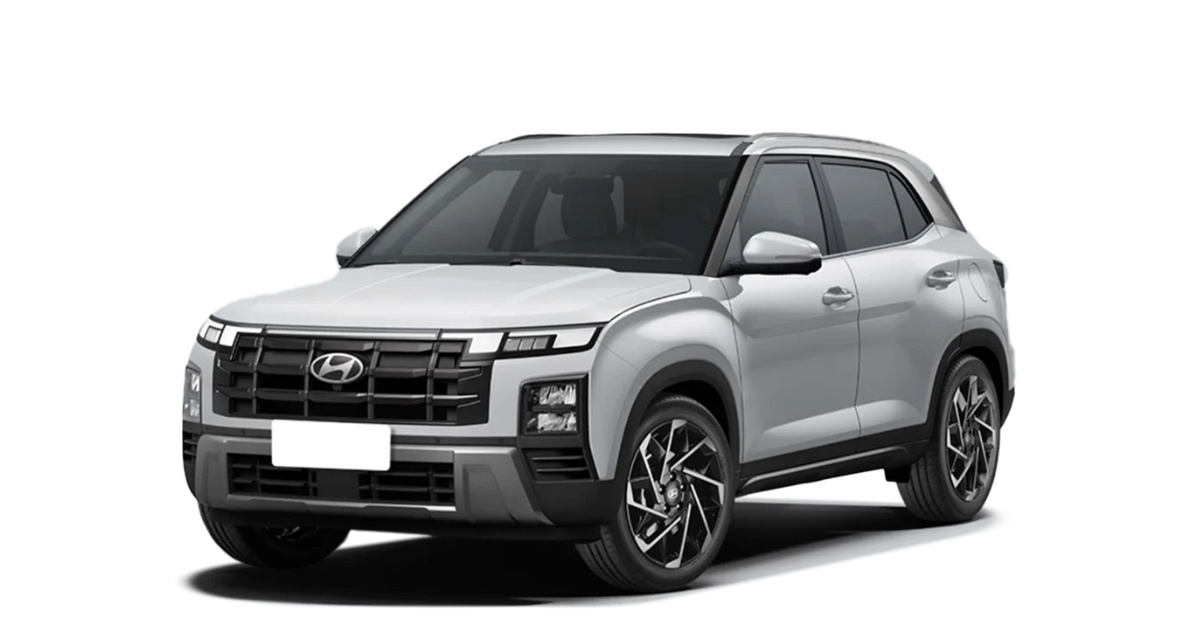
Hyundai Creta 2025: Impact On Consumer Confidence
These episodes of technical failures have had direct impacts on the reputation of the Hyundai Creta 2025.
According to public records, consumer distrust has increased since the complaints began, reflecting in inquiries about recalls, extended warranties, and the official stance of the South Korean manufacturer in Brazil.
It is worth noting that the model, previously considered a benchmark in reliability, has become the subject of frequent questioning on social media and automotive forums.
The Hyundai Creta 2025 was launched in the Brazilian market with two engine options: the 1.0 TGDI engine, capable of delivering 120 horsepower and 17.5 kgfm of torque on both ethanol and gasoline, paired with a six-speed automatic transmission; and the new gasoline 1.6 turbo engine, which replaced the old 2.0 naturally aspirated engine and now offers 193 horsepower and 27 kgfm of torque, combined with a seven-speed dual-clutch transmission, a technical innovation for this model year.
Unexpected Brake System Lock-Ups
One of the most concerning reports from owners relates to brake lock-ups that occur without warning and in different usage situations.
“The pedal gets hard, and the car does not respond, causing panic for the driver”, described a consumer.
According to consulted specialists, failures of this nature may be related to problems in the electronic brake control module or defects in the hydraulic components of the system.
So far, there have been no records of recall campaigns opened by Hyundai Motor Brasil specifically for this problem in the Creta 2025.
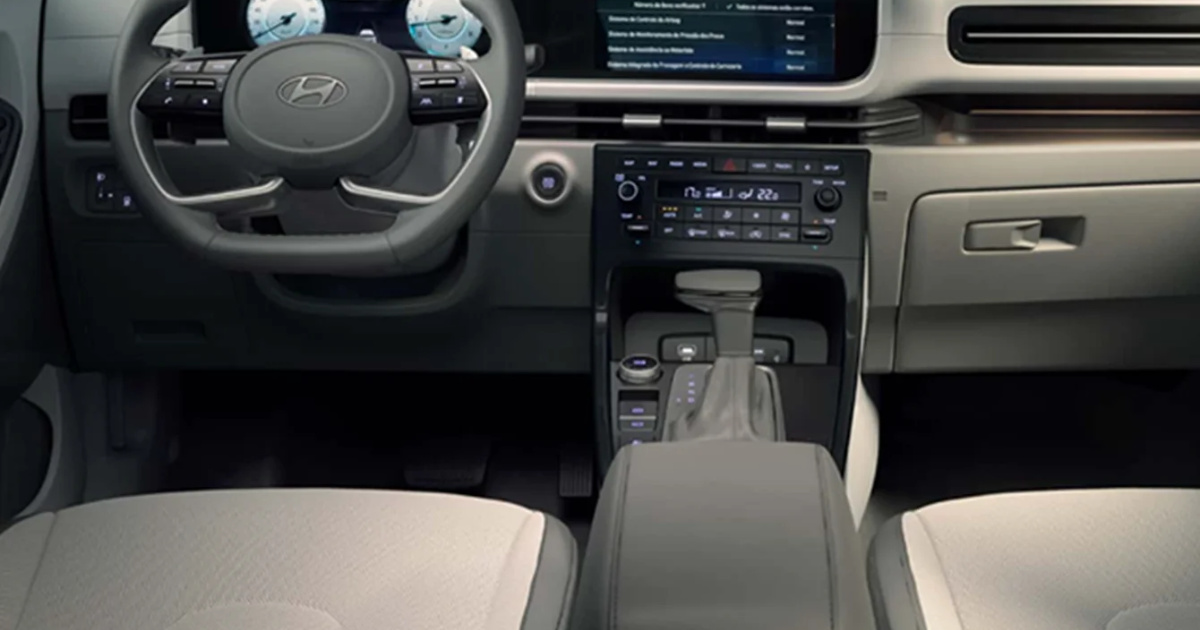
Recurring Failures In The Electronic Injection System Of The Hyundai SUV
Another highlight is the frequency of complaints about the electronic injection system.
In several reports, owners mention that the SUV has acceleration difficulties, ignition failures, and even engine stall while in motion.
These episodes mainly affect the versions equipped with the 1.0 TGDI engine, but also appear in reports from owners of the 1.6 turbo version.
Dealership technicians interviewed in automotive industry reports claim that diagnosing and resolving this type of failure may require software updates and replacement of electronic components, which can lead to delays in repairs and dissatisfaction among consumers.
Hyundai’s Response And Driver Reactions
So far, Hyundai Motor Brasil has not issued a detailed official statement regarding the failures reported on the Creta 2025.
Consumers are waiting for a formal position from the manufacturer to understand what measures will be taken and whether there will be future recall campaigns or technical updates to correct the identified defects.









A falha na aceleração provavelmente é no modelo ultimate, que utiliza motorização somente a gasolina. Caso o proprietário abasteça em um posto em que a gasolina está “batizada” , o carro perde potência e falha nas reacelerações.
A falha dos freios pode ser ocasionada pelo sistema de proteção o tráfego cruzado, onde muitos motoristas não estão informados sobre esse sistema, que o creta freia sozinho caso haja risco de colisão avaliado pelas 4 câmeras e pelo módulo adas.
Título não condiz com reportagem
Tenho um e acho o melhor carro que ja tive, meu filho também tem e a Hyundai fez um recall no.passado de algum tipo de problema no freio em séries especificas e acolheu aqueles que a demandaram. O MODELO 1.0 TURBO Melhorou.muito.obdesempenho do carro em 2025 com o 1.o turbo.compraria outro sem pensar..