





 Portuguese
  English
  Spanish
  4 min of reading
  0 comments


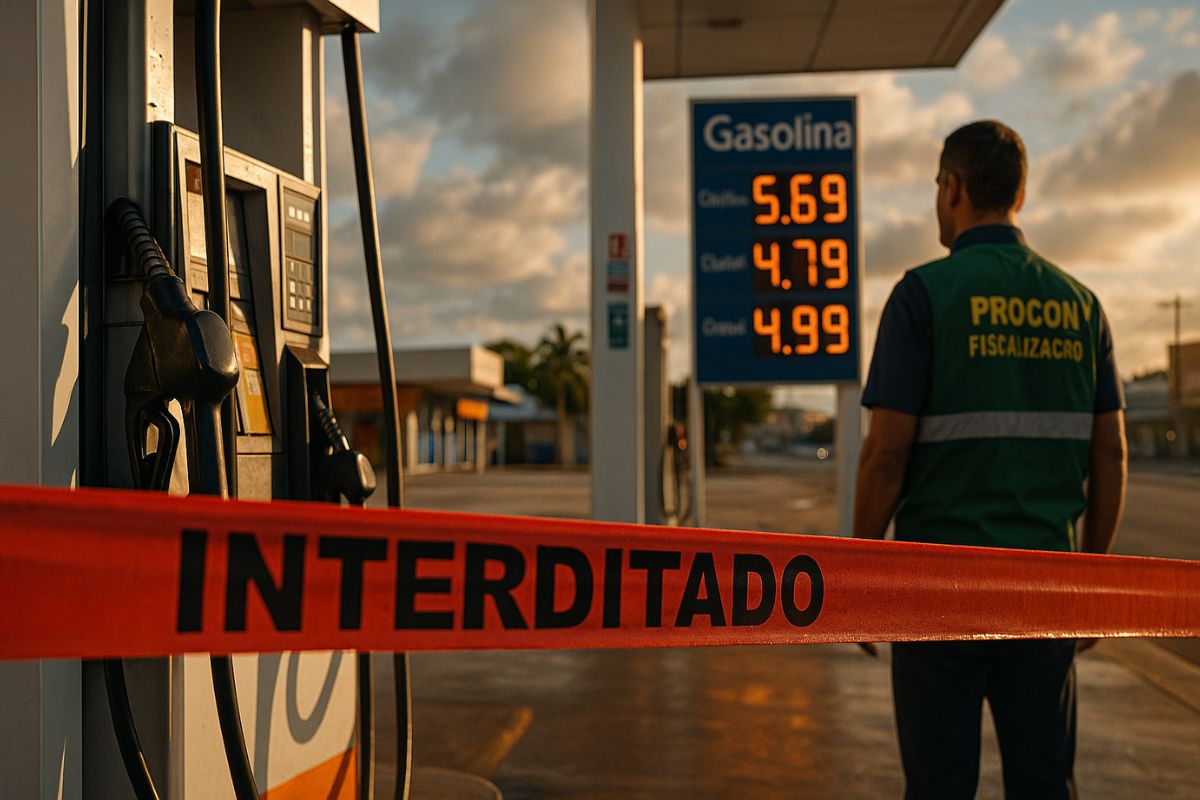
The Case of the Gas Station in João Pessoa Goes Beyond the Difference of R$ 0.10: The Interdiction Occurs Amid the Creation of a Gasoline CPI Investigating Suspicions of Cartel and Price Manipulation in the Capital of Paraiba.
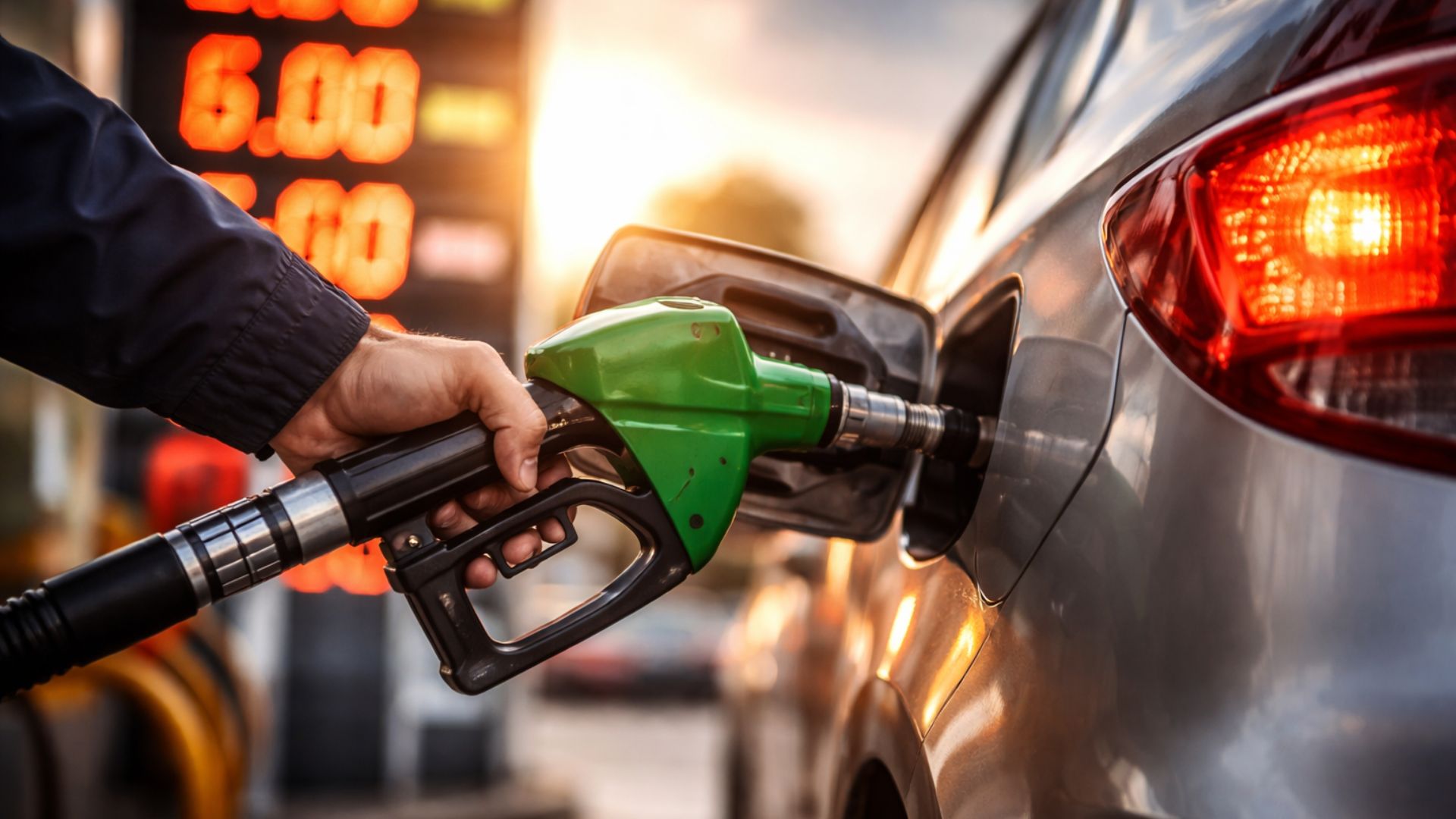
The gas station in João Pessoa that was interdicted by Procon last Thursday (September 11, 2025) has become a symbol of a problem affecting thousands of drivers: the difference between the price displayed on the sign and the amount actually charged at the pump. This practice, deemed deceptive, resulted in immediate action and the suspension of the establishment’s activities until the irregularity was corrected.
According to information published by Maurílio Júnior, inspections in the Tambaú neighborhood found that the sign displayed a price of R$ 5.89 per liter, but the actual charge was R$ 5.99.
The mere difference of R$ 0.10, multiplied by the volume of daily refuels, can generate thousands of reais in undue profits for the gas station and significant losses for consumers.
-
3 times more ethanol per hectare can be produced with Eike Batista’s supercane amid rising gasoline prices — how can this technology change fuel prices in Brazil?
-
Former president of IBP highlights that dependence on diesel imports pressures prices in Brazil, increases vulnerability to global crises, and underscores the need for more robust and sustainable energy policies.
-
Middle East War Drives Up Oil Prices, And Petrobras Increases Diesel: Fuel Reaches R$ 3.65 Per Liter At Distributors
-
Oil Soars to Nearly $120, Middle East Tensions Shake Global Market, and a Little-Known Detail Returns to Energy Debate: The Gigantic Strategic Reserves Hidden by G7 Countries — See How Many Millions of Barrels Each Nation Holds in Reserve to Face a Global Crisis

Who Inspected and Why the Gas Station in João Pessoa Was Interdicted
The action was carried out by Procon de João Pessoa, responsible for monitoring abusive practices in the local commerce. The agency classified the conduct of the gas station as an infringement of the Consumer Defense Code (CDC), as it misled customers at the time of purchase.
In addition to the interdiction, the penalty may include high fines and even revocation of the operating license in case of recurrence.
The objective, according to Procon, is to ensure price transparency and protect the basic right to clear and correct information.
How Much Does the Fraud Represent for the Consumer
While it seems small, the difference of R$ 0.10 per liter directly impacts the pocket of the driver. Those who refuel 50 liters, for example, pay R$ 5 more each time.
In thousands of daily refuels, the undue gain for the gas station can reach tens of thousands of reais in a short time.
This practice, considered one of the most common irregularities in gas stations, shows how small accumulated distortions significantly affect the final consumer’s economy.
Where the Inspection Connects with the Gasoline CPI
The incident at the gas station in João Pessoa did not occur in isolation. Two days earlier, on September 9, the City Council established the Gasoline CPI, aimed at investigating suspicions of cartel and price fixing among sector businessmen.
This context increases the relevance of the interdiction: there are indications that practices like that of Posto Select may be part of a wider pattern of price manipulation in the capital of Paraiba.
The investigation seeks to understand whether there is deliberate coordination among different gas stations to harm consumers.
Why the Case Reinforces the Importance of Inspection
According to consumer rights experts, the firm action of Procon is essential to curb abuses and prevent seemingly small irregularities from becoming the norm in the market. The immediate interdiction demonstrates that the agency is willing to take strict measures whenever there are indications of fraud.
At the same time, the case highlights the need for drivers to verify not only the price advertised on signs but also the amount recorded at the pump and on the receipt.
Quick reporting is crucial for monitoring agencies to act in a timely manner.
Is It Worth Trusting the Outcome of the Investigations?
Expectations are now on the work of the Gasoline CPI, which will be able to confirm whether the flagged irregular practices are isolated incidents or part of a coordinated strategy.
If the cartel is proven, the punishments could involve not just individual gas stations but entire networks of supply, having significant impacts on the local market.
For consumers, this case reinforces the importance of constant vigilance and collaborative action among civil society, the legislative branch, and defense agencies.
Without rigorous oversight, the risk is that public trust in the sector continues to deteriorate.
The interdiction of the gas station in João Pessoa exposes a recurring problem in the fuel sector: the discrepancy between the advertised price and the amount charged.
The incident goes beyond a simple fine; it happens at a time when the entire supply chain in the capital of Paraiba is under investigation.
And you, have you noticed a difference between the price on the sign and the amount paid at the pump? Do you believe this practice is isolated or part of a larger scheme?
Leave your opinion in the comments; we want to hear from those who have experienced this firsthand.









Seja o primeiro a reagir!