





 Portuguese
  English
  Spanish
  3 min of reading
  0 comments


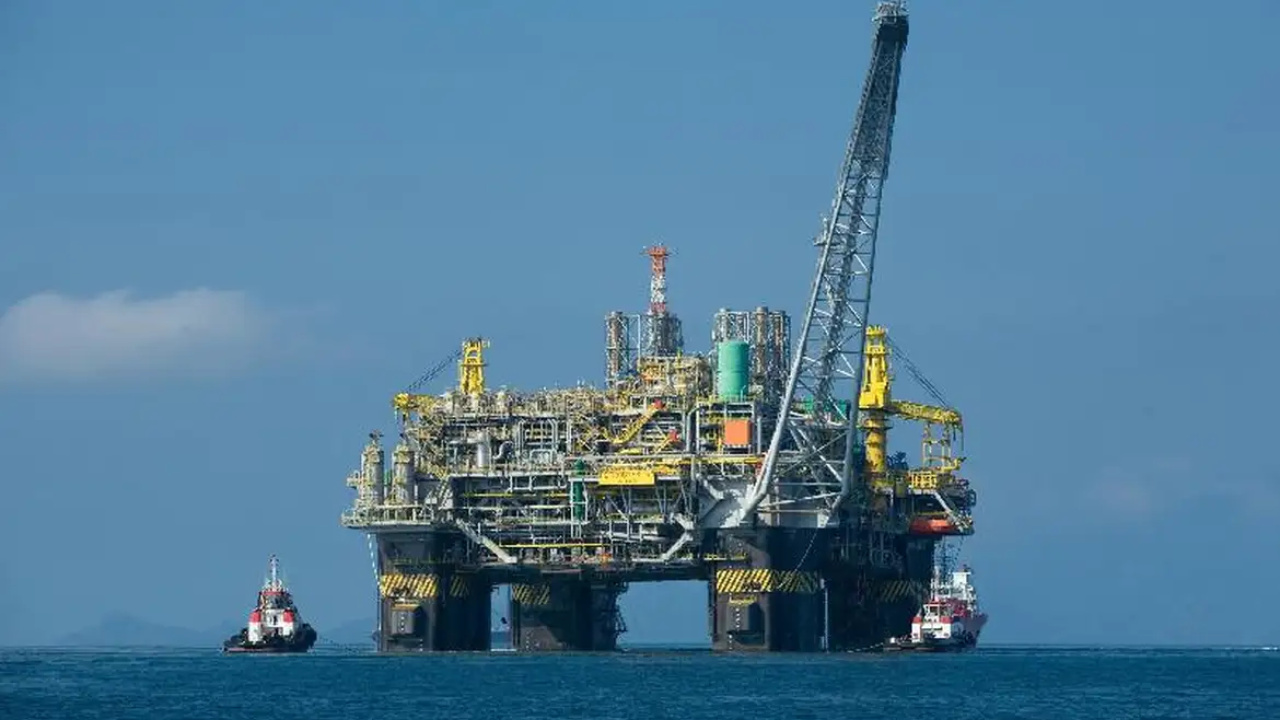
Oil Production In Brazil Resumes Growth After Offshore Platform Disruptions, Revealing Sector Volatility And Impact On Global Supply Forecasts.
Brazil’s oil production has regained momentum after experiencing a sharp decline caused by shutdowns of strategic platforms.
The fluctuation, recorded in November, directly affected the pace of national extraction and influenced international assessments of global supply behavior.
This partial recovery helps explain how the country, now the leading producer in Latin America, impacts forecasts from major industry organizations.
-
Petrobras evaluates suspension of sales to distributors and considers canceling the cooking gas auction following guidelines from the Federal Government.
-
Lula reveals a masterstroke by Petrobras to undo a deal made by Bolsonaro, which involves the return of an important refinery that currently produces less than half of what was expected and makes Brazil dependent on international diesel.
-
A study confirms that the natural gas sector will reduce greenhouse gas emissions in Brazil by 0.5% and accelerate the energy transition by 2026.

-
Petrobras implements a severe adjustment and confirms a 55% increase in the price of aviation kerosene with a proposal for installment payments for the companies.

Platform Shutdowns Drove Down Production In November
Preliminary data from the National Agency of Petroleum, Natural Gas and Biofuels (ANP) show that the country experienced a decline of about 8% in daily production, which dropped to an average of 3.696 million barrels per day in November. This volume was well below the historical record observed in October.
The main cause was the interruption of platforms in major offshore fields, such as Búzios. The impact was significant: more than 300,000 barrels per day were not produced, highlighting Brazil’s dependence on its “super platforms.”
Although the scenario has been challenging, part of the operations has returned to normal in recent weeks.
Recent data from the ANP indicate that about one-fifth of the lost production had already been recovered by the end of last week. However, the agency notes that this information may still be subject to revisions.
The sudden drop also reinforces a warning already observed by analysts. According to independent consultant Marcelo de Assis, based in Rio de Janeiro, “the adoption of ‘super platforms,’ capable of producing more than 200,000 barrels per day each, makes the country’s production more susceptible to sharp fluctuations.” Despite this, he believes that the adjustment is temporary and does not alter the longer-term growth trend for Brazil, Guyana, and Argentina.
Volatility Challenges Forecasts About The Oil Market
The instability of Brazilian production further complicates the task of predicting global oil supply.
As Brazil is a relevant producer outside OPEC, any significant fluctuation affects international analyses, especially at a time of divergence among major institutions.
The group led by Saudi Arabia, which includes the main exporting powers, projects a balanced global market starting in 2026. OPEC has even announced that it plans to increase its volumes at the beginning of next year.
However, this outlook contrasts with projections from other entities. The International Energy Agency (IEA) and industry giants like Trafigura warn of a possible supply surplus.
Even after revising its estimates this Thursday, the IEA continues to predict that global supply will exceed demand by 3.815 million barrels per day in 2026.
The recent fluctuations have shown that Brazil’s performance has a direct weight on international expectations for oil. Whether through the adoption of large-scale platforms or the gradual increase in production in South America, the country has become a focal point in assessments about the balance between supply and demand in the coming years.









Seja o primeiro a reagir!