






 Portuguese
  Spanish


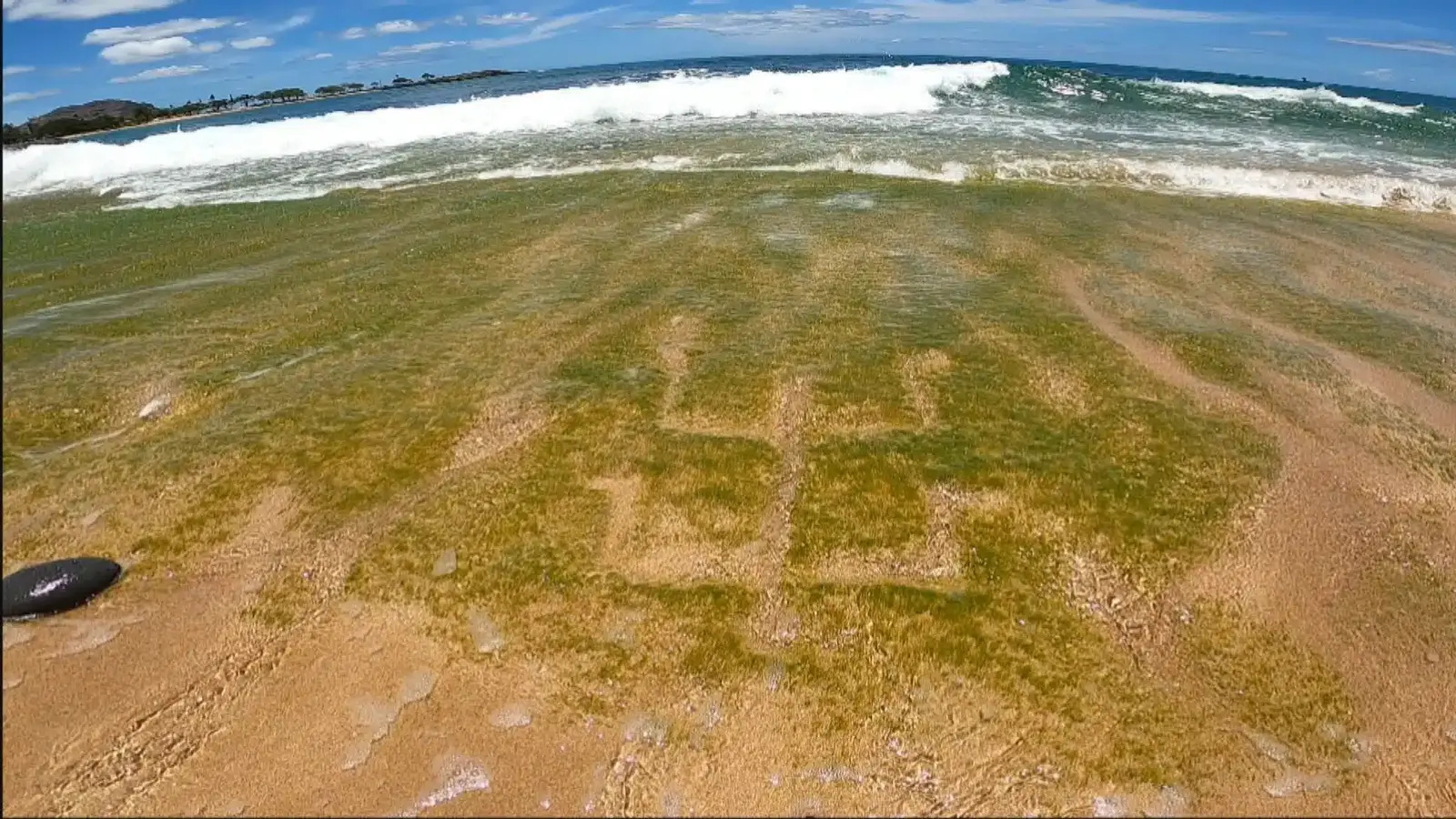

Petroglyphs over 1,000 years old have reappeared in Pōkaʻī Bay, Waianae, after natural removal of sand and sediments by the waves, rekindling interest among residents and specialists about the historical, cultural, and ancestral value of the engravings preserved on the Hawaiian coast
The re-exposure of petroglyphs in Pōkaʻī Bay, Waianae, has once again drawn attention to engravings that may be over 1,000 years old, following natural changes in the coastline that removed sand and sediments from the site today.
Engravings reappear in the bay
A large set of petroglyphs, previously covered by the shifting sands of Pōkaʻī Bay, has been revealed again along the Waianae coast.
The engravings were first seen in 2016 but remained covered for years.
-
ChatGPT Alerts FBI to Prevent Planned Murder of 8-Year-Old in Brazil’s Espírito Santo

-
Scientists Discover 125-Million-Year-Old “Pregnant Fossil” with Preserved Embryos and Microscopic Larvae Inside Mollusk in England

-
17-Year-Old Justin Bernstein Develops Bacteria to Produce Glass on Arctic Ice to Reflect Sunlight, Wins $50,000 U.S. Scholarship

-
The 19-Meter Rocket-Helicopter: A Private Industry Prototype That Challenged Space Race Logic



The new exposure occurred after natural changes in the coastal strip.
The action of the waves removed sand and sediments from the beach rocks, making visible the collection of sculpted images, which has once again sparked interest among residents and specialists.
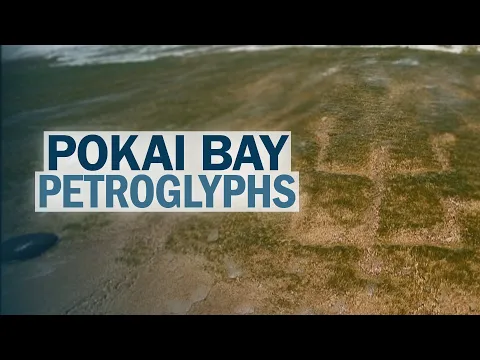

What the petroglyphs may represent
The petroglyphs, also called kiʻi pōhaku, are rock engravings produced by techniques such as carving or abrasion.
In Pōkaʻī Bay, they are believed to have been made by the first Hawaiian inhabitants, possibly over 1,000 years ago.
The exact meanings of these engravings are not known. Still, there is an assessment that they may record births and other significant events in the lives of the people who lived there long ago.
Reports indicate that the petroglyphs likely depict scenes related to agriculture, an important part of Hawaiian life.
One of the most striking images features a larger figure with a smaller one above, interpreted as the representation of a father and son.
Quantity still not fully known
Nathan Wilkes from the U.S. Army Garrison in Hawaii stated that the movement of the sea was responsible for removing the layer that covered the engravings.
Even with the revelation, the total number of petroglyphs is still not defined.
Experts assess that other engravings may still be hidden beneath the sand and algae.
A report from the Army recorded 26 petroglyphs in an area of approximately 40 meters of beach, although the total size of the set may still be larger.
Preservation and value for the community
The U.S. Army, responsible for the Pililaʻau Army Recreation Center, maintains a cultural resources team tasked with cataloging and monitoring the petroglyphs.
The goal is to keep these ancient marks preserved against environmental damage and human interference.
For residents of the Waianae Coast, the petroglyphs represent a direct connection to the island’s ancestors.
Nani Peterson stated that these images are more than figures on stones, while Nohea Stevens said they likely tell the moʻolelo of the place.
He stated that he never expected such a discovery on his coast and didn’t even know it was possible.
Visitors can see the revealed engravings, but parking at the recreation center requires military ID, as it is on military land.
With information from Daily Galaxy.


