





 Portuguese
  English
  Spanish
  2 min of reading
  0 comments


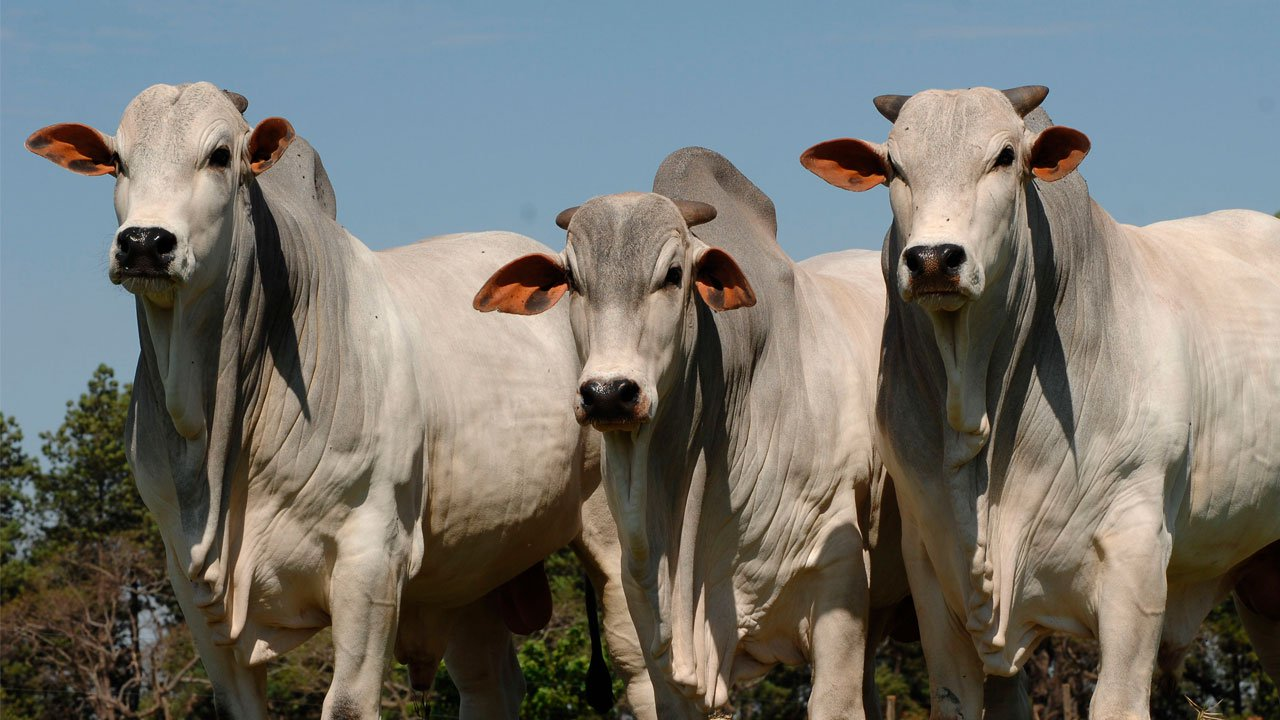
The Reduction In The Availability Of Animals Ready For Slaughter Is Creating Expectations Of Appreciation In The Price Of Fat Cattle Among Cattlemen. The Smaller Supply Pressures The Market And May Reflect On The Price Of Meat For The Final Consumer.
The market for fat cattle had a March marked by recovery. The more limited supply of animals for slaughter forced a reaction in prices and brought difficulties for the meat processing industries.
With fewer cattle available, the price per arroba increased in the main regions of the country.
Short Supply And Firm Demand
According to Fernando Iglesias, an analyst at Safras & Mercado, the shortage of animals ready for slaughter pressured the schedules of the meat processing plants.
-
Unable to pass through Hormuz, Brazil activated a plan B that uses Turkey as a gateway to the Middle East: the route through Gibraltar and the Mediterranean is longer and more expensive but ensures that chicken, beef, and corn continue to reach Arab markets.

-
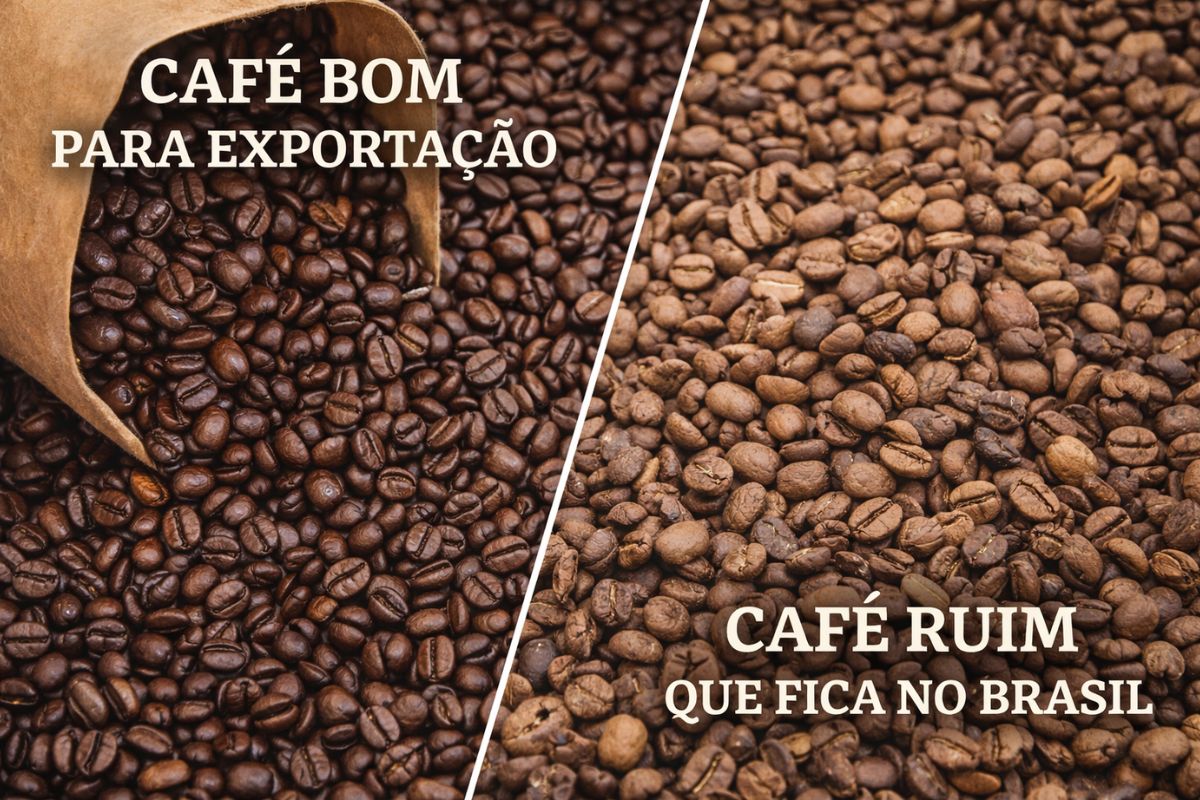
You grew up hearing that the good coffee from Brazil goes all abroad and the bad coffee stays for Brazilians, but this story has completely changed, and the numbers show that in the 1980s, thirty percent of the coffee sold here was adulterated with corn and barley.
-
Engineer creates reforestation method that transforms small plots into dense forests in a few years using local biomass and can reduce environmental recovery costs.

-
Alone, the producer applies 7,400 hectares with the T100 drone in an optimized structure, replaces the generator with a silent battery, and demonstrates how technology reduces costs, increases productivity, and even challenges the uniport in the field.


To maintain the pace of operations, the industries intensified the search for fat cattle, which drove prices up.
Additionally, the increase in domestic demand for beef in wholesale helped reinforce the upward trend. The appreciation movement was consistent throughout the month, also supported by exports.
Prices In The Main Markets
The prices for future contracts of fat cattle per arroba rose in almost all regions at the end of March:
- São Paulo (Capital): R$ 320.00 — increase of 1.59% over February.
- Goiás (Goiânia): R$ 310.00 — increase of 6.90%.
- Minas Gerais (Uberaba): R$ 305.00 — stability.
- Mato Grosso do Sul (Dourados): R$ 315.00 — increase of 6.78%.
- Mato Grosso (Cuiabá): R$ 305.00 — increase of 1.67%.
- Rondônia (Vilhena): R$ 275.00 — increase of 2.61%.
In some markets, the adjustments were more significant. Goiás and Mato Grosso do Sul, for example, recorded increases above 6%, a direct reflection of the tight supply.
Wholesale Prices On The Rise
The wholesale beef market also showed an increase in prices. With the arrival of Easter, consumption tends to grow, which reinforces optimism in the sector.
- Back Quarter: R$ 25.50/kg — increase of 7.14%.
- Front Quarter: R$ 18.50/kg — increase of 8.82%.
The expectation is that this movement will remain at least in the early days of April, with consumption gaining strength due to the holiday.
Exports Accelerate
In the external market, the performance was even stronger. Exports of fresh, frozen, or refrigerated beef totaled US$ 797.06 million in March, with a daily average of US$ 61.31 million.
The exported volume was 163,297 tons, with a daily average of 12,561 tons. The average price per ton was US$ 4,881.00.
In comparison with March 2024:
- Daily Value: +62.8%
- Quantity Shipped: +51.1%
- Price Per Ton: +7.8%
These numbers show a heated market, both in Brazil and abroad. The appreciation of the arroba of fat cattle is a direct reflection of this positive scenario.







-

Uma pessoa reagiu a isso.