Portuguese
  Spanish


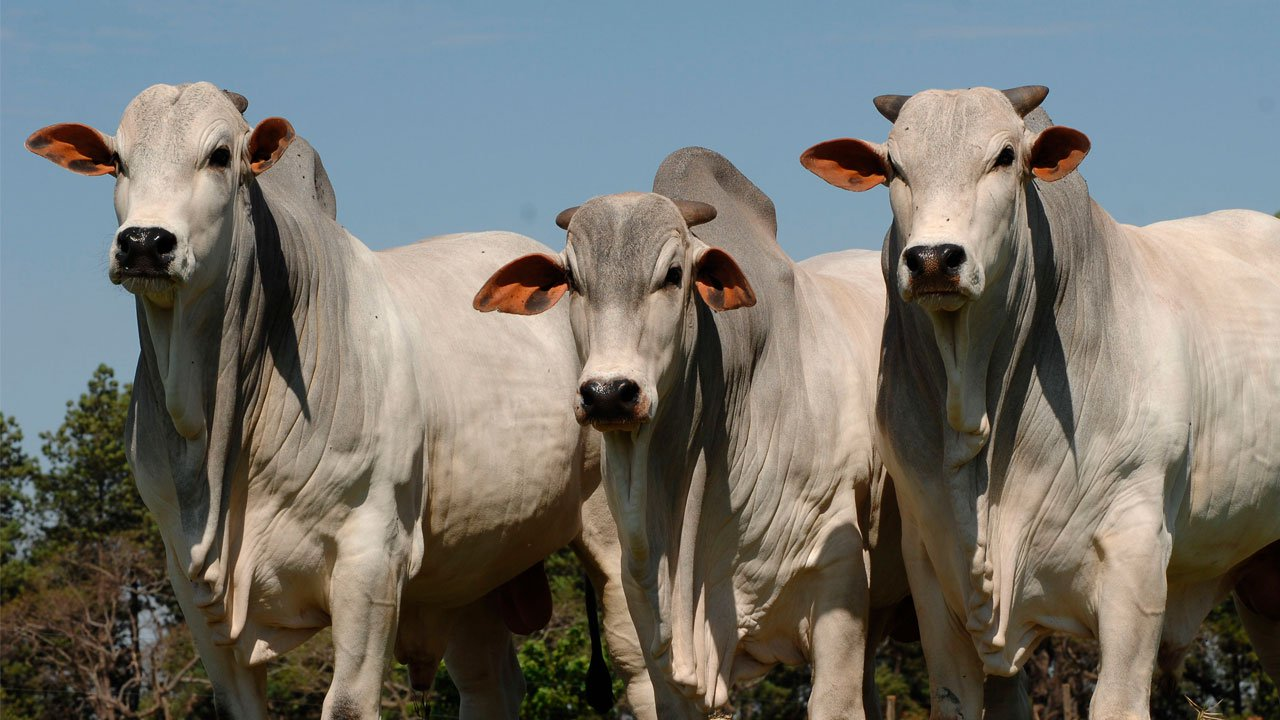


The Reduction In The Availability Of Animals Ready For Slaughter Is Creating Expectations Of Appreciation In The Price Of Fat Cattle Among Cattlemen. The Smaller Supply Pressures The Market And May Reflect On The Price Of Meat For The Final Consumer.
The market for fat cattle had a March marked by recovery. The more limited supply of animals for slaughter forced a reaction in prices and brought difficulties for the meat processing industries.
With fewer cattle available, the price per arroba increased in the main regions of the country.
Short Supply And Firm Demand
According to Fernando Iglesias, an analyst at Safras & Mercado, the shortage of animals ready for slaughter pressured the schedules of the meat processing plants.
-
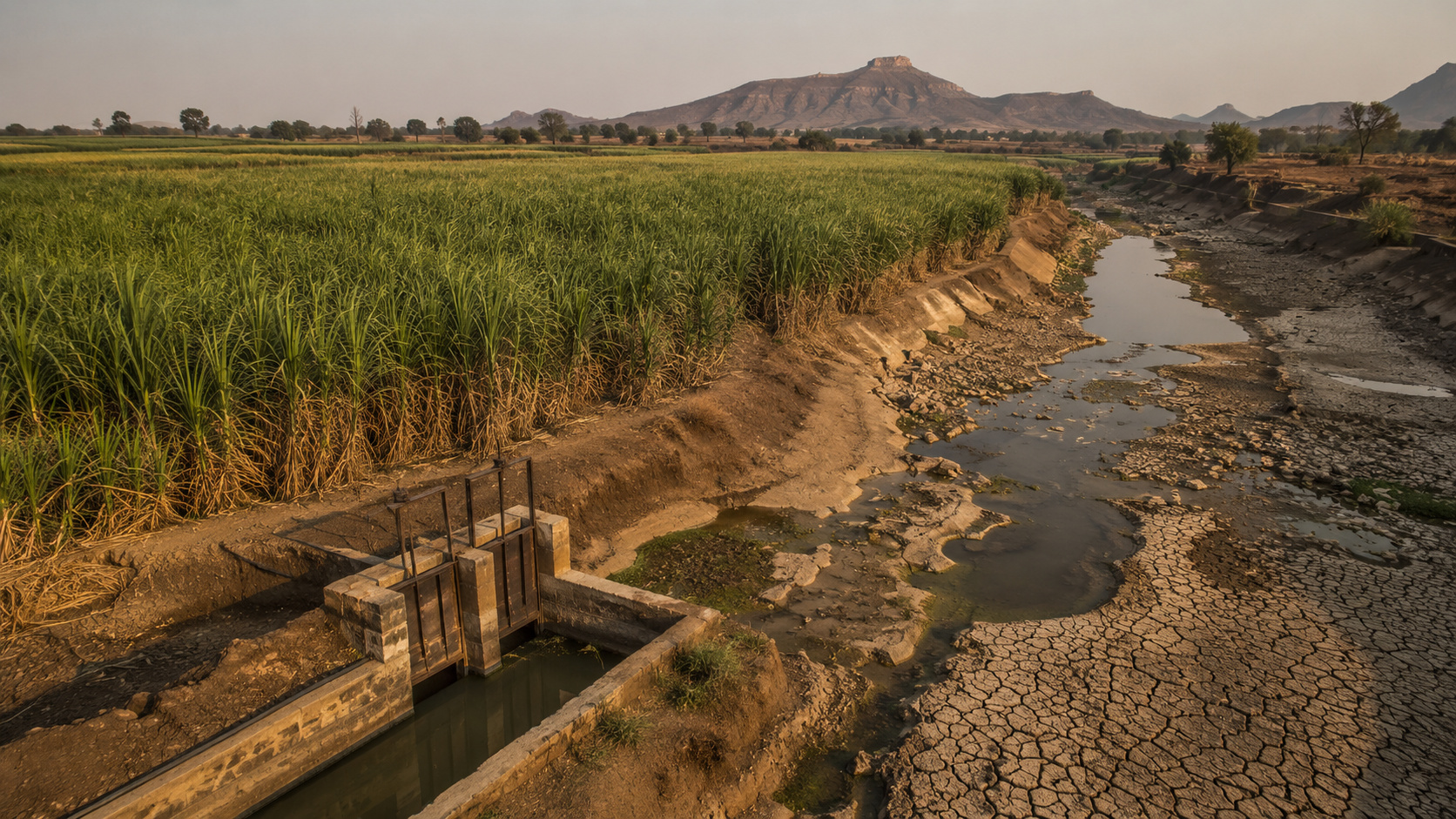
Sugarcane Cultivation in India: A Symbol of Water Stress and Environmental Strain Amidst Global Demand for Sugar and Green Fuel

-
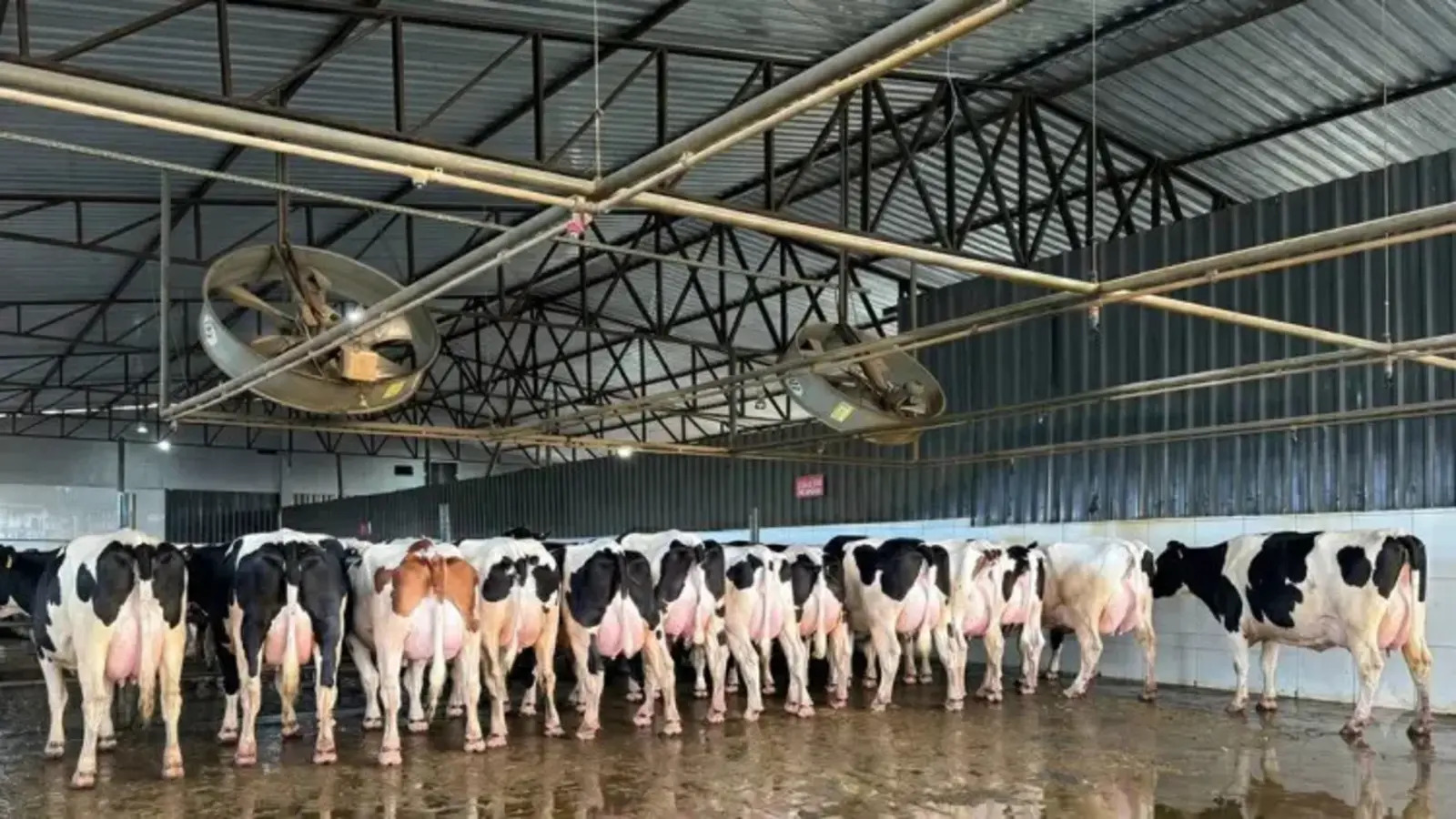
Innovative Farm in Northeastern Brazil Combats Drought with Advanced Techniques, Aiming for 10,000 Liters of Milk Daily Production

-
Australian Desert Farm Uses Solar Power and Seawater to Produce 15,000 Tons of Tomatoes Annually, Resembling a Sci-Fi Agricultural Innovation

-
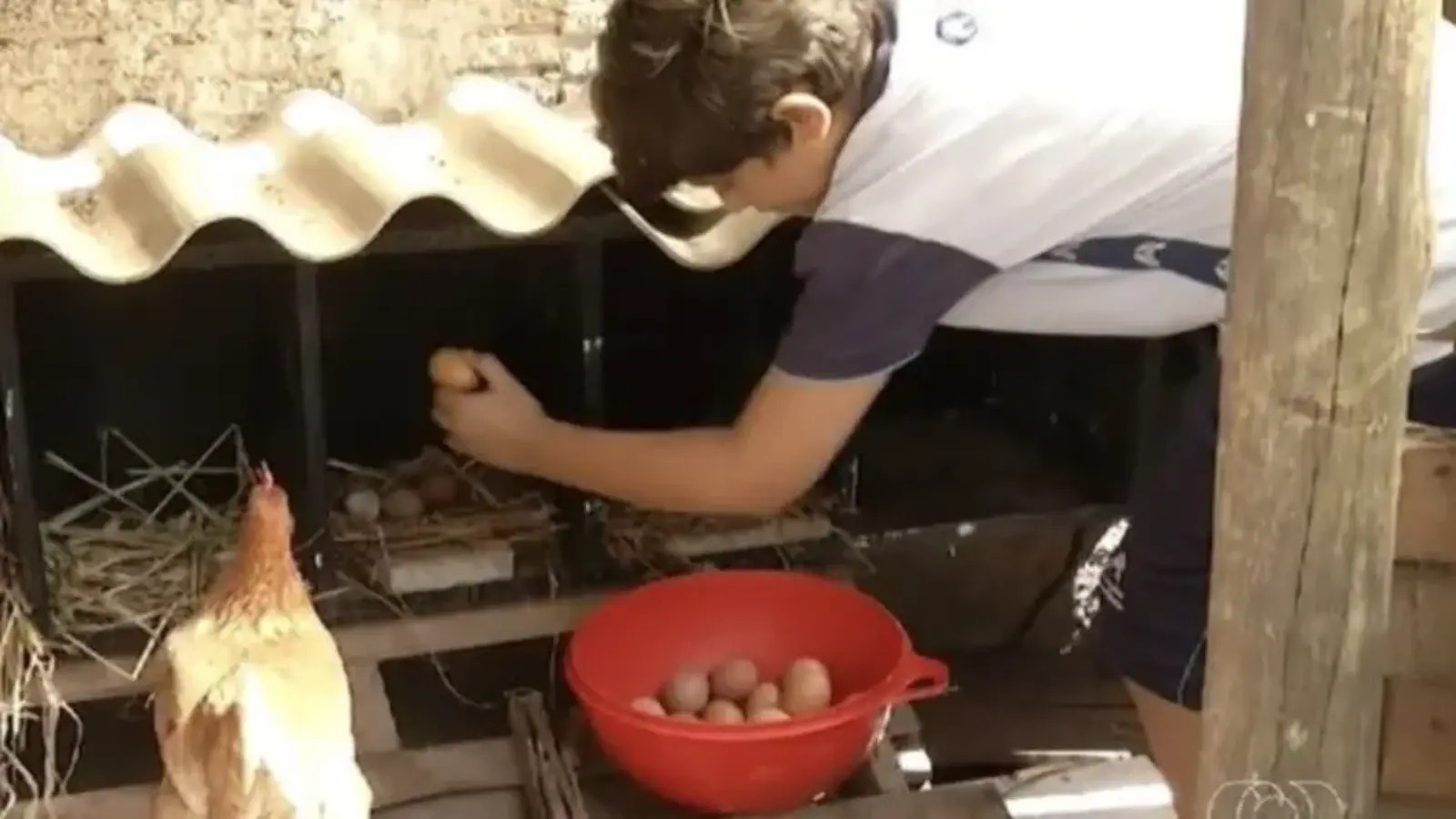
Brazilian Child Becomes National Role Model by Turning Financial Education Lesson into Thriving Poultry Business with 25 Hens and 150 Eggs Weekly

To maintain the pace of operations, the industries intensified the search for fat cattle, which drove prices up.
Additionally, the increase in domestic demand for beef in wholesale helped reinforce the upward trend. The appreciation movement was consistent throughout the month, also supported by exports.
Prices In The Main Markets
The prices for future contracts of fat cattle per arroba rose in almost all regions at the end of March:
- São Paulo (Capital): R$ 320.00 — increase of 1.59% over February.
- Goiás (Goiânia): R$ 310.00 — increase of 6.90%.
- Minas Gerais (Uberaba): R$ 305.00 — stability.
- Mato Grosso do Sul (Dourados): R$ 315.00 — increase of 6.78%.
- Mato Grosso (Cuiabá): R$ 305.00 — increase of 1.67%.
- Rondônia (Vilhena): R$ 275.00 — increase of 2.61%.
In some markets, the adjustments were more significant. Goiás and Mato Grosso do Sul, for example, recorded increases above 6%, a direct reflection of the tight supply.
Wholesale Prices On The Rise
The wholesale beef market also showed an increase in prices. With the arrival of Easter, consumption tends to grow, which reinforces optimism in the sector.
- Back Quarter: R$ 25.50/kg — increase of 7.14%.
- Front Quarter: R$ 18.50/kg — increase of 8.82%.
The expectation is that this movement will remain at least in the early days of April, with consumption gaining strength due to the holiday.
Exports Accelerate
In the external market, the performance was even stronger. Exports of fresh, frozen, or refrigerated beef totaled US$ 797.06 million in March, with a daily average of US$ 61.31 million.
The exported volume was 163,297 tons, with a daily average of 12,561 tons. The average price per ton was US$ 4,881.00.
In comparison with March 2024:
- Daily Value: +62.8%
- Quantity Shipped: +51.1%
- Price Per Ton: +7.8%
These numbers show a heated market, both in Brazil and abroad. The appreciation of the arroba of fat cattle is a direct reflection of this positive scenario.