





 Portuguese
  English
  Spanish
  5 min of reading
  4 comments


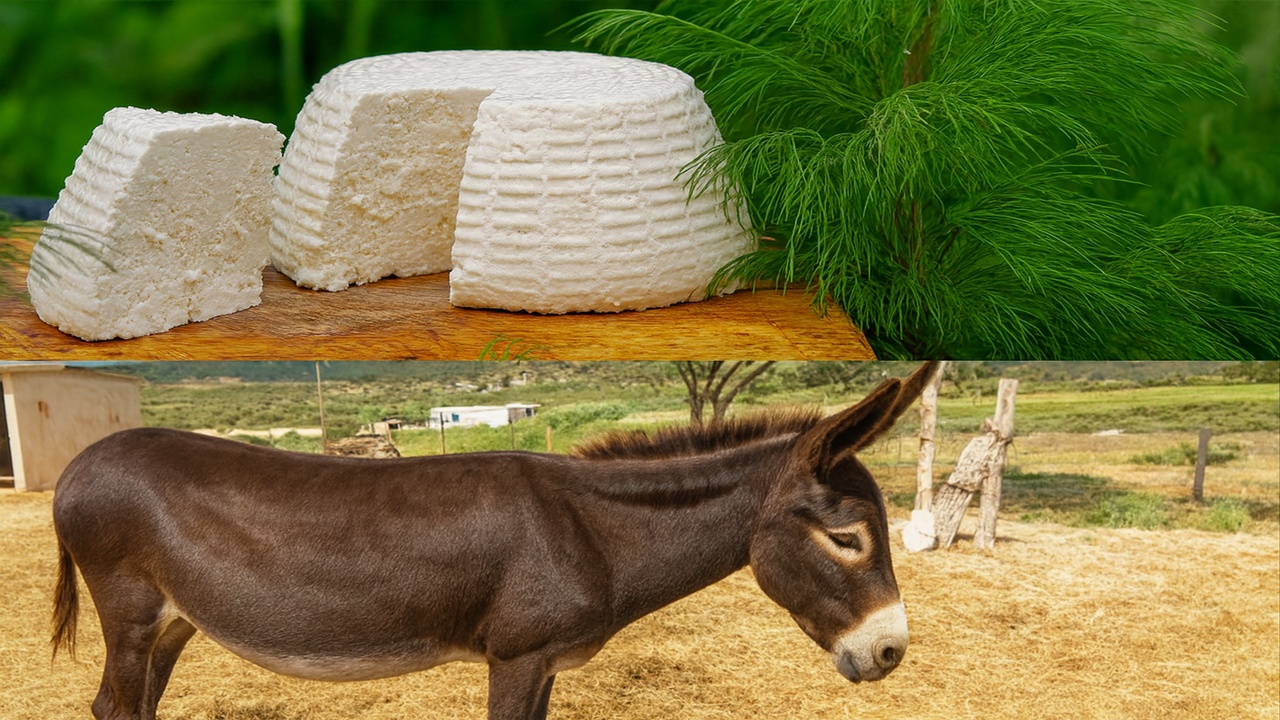


Produced With Donkey Milk And Extremely Low Yield, Pule Cheese Exceeds US$ 1,000 Per Kilo And Is Among The Rarest And Most Expensive Cheeses In The World.
In a world where food production is increasingly industrial, standardized, and scale-based, there is a cheese that completely defies this logic. Produced from donkey milk, with an extremely low yield, a rigorous artisanal process, and production limited to just a few dozen kilos per year, Pule Cheese has established itself as one of the most expensive and rare cheeses on the planet, with prices that can exceed US$ 1,000 per kilo in specialized gourmet markets.
The product is made in Serbia, specifically in the natural reserve of Zasavica, and has become the ultimate symbol of how biological scarcity, production difficulty, and artisanal tradition can transform a simple food into a high-value item.
Why Donkey Milk Is One Of The Most Difficult In The World To Turn Into Cheese
The main reason for the high value of Pule Cheese lies in the raw material. Unlike cows, goats, or sheep, donkeys produce minimal amounts of milk per day, usually between 0.2 and 0.3 liters daily per animal.
-
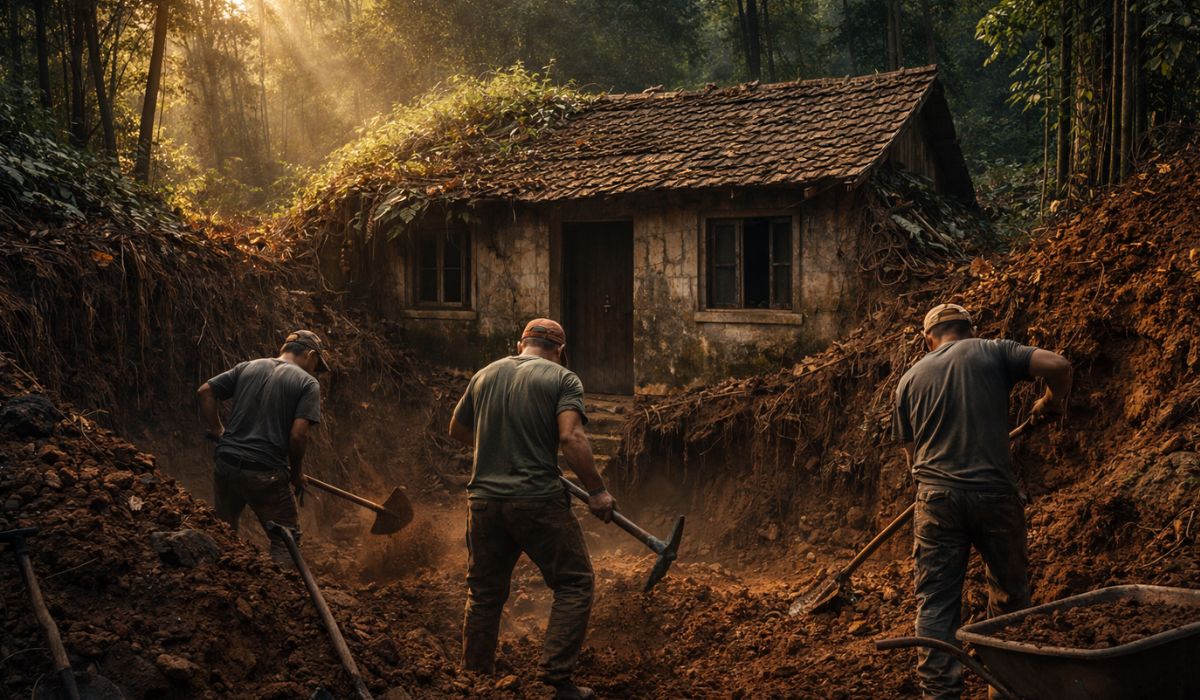
A promise made to their father led three men to unearth a forgotten house that had been swallowed by time for over 70 years, in a story of memory, abandonment, and reconstruction that seems straight out of a movie.
-
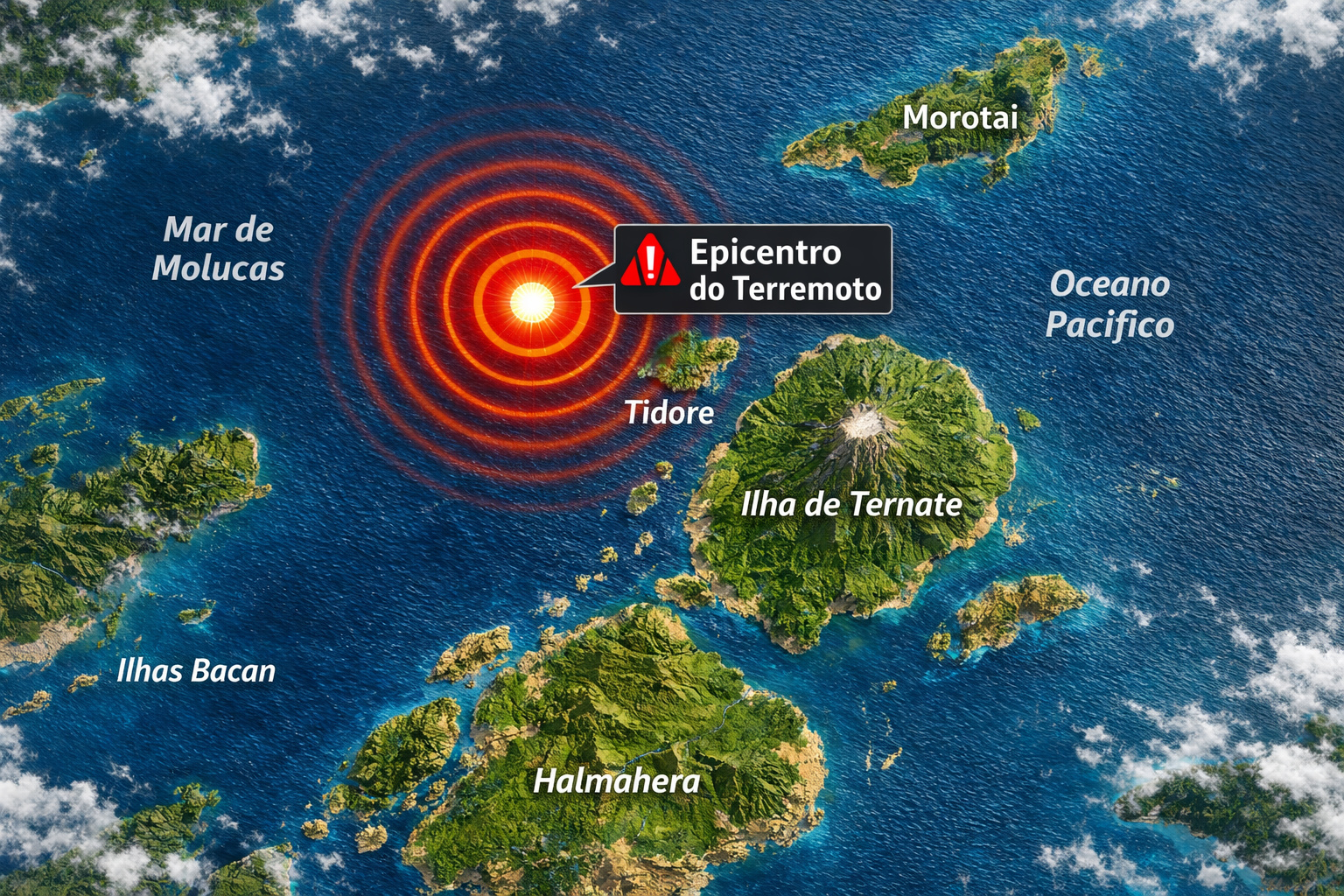
A strong earthquake in Indonesia affects houses and schools, causes panic, triggers a tsunami alert, and records a rise in sea level of up to 30 centimeters in some areas.

-
The Argentine government celebrates the lowest poverty rate in 7 years, but experts warn that the methodology has changed, real wages have fallen, unemployment has risen, and the number of people on the streets of Buenos Aires has increased by 57% since Milei took office.

-
7.8 magnitude earthquake in Indonesia frightens the population, triggers tsunami alert, and hits an island with over 200,000 inhabitants this Thursday.
Additionally, donkey milk has a low fat and casein content, essential components for coagulation and cheese formation.


In practice, this means that it takes between 20 and 25 liters of milk to produce only 1 kilo of cheese, an absurdly unfavorable ratio when compared to traditional cheese production.
By comparison, cow’s milk requires about 10 liters per kilo of common cheese, whereas donkey milk may require more than double that.
This limitation is not technological. It is biological.
The Breeding Of Donkeys And The Extreme Control Of Production
Pule Cheese is produced exclusively from a restricted herd of Balkan donkeys, raised extensively within the Zasavica reserve. The management is highly controlled, focusing on animal welfare, natural feeding, and manual milking.
The donkeys are not mechanically milked, as stress can further reduce the already limited milk production. Milking occurs a few times a day and in minimal volumes, making the process slow, expensive, and not scalable.
This factor prevents any attempt at industrializing Pule Cheese. Even if there were unlimited demand, production simply cannot be significantly scaled up.
Extreme Artisanal Process And The Absence Of Mass Production
After being collected, the milk undergoes an adapted artisanal coagulation process, as donkey milk does not respond well to traditional methods used for common cheeses. Specific techniques are used, with carefully dosed enzymes, strictly controlled temperature, and long maturation periods.
The result is a firm yet delicate cheese, with a flavor described by experts as mild, slightly salty, and with mineral notes, very different from the intense cheeses made from sheep or goat milk.
The total annual production is extremely limited, varying according to the harvest, the health of the animals, and environmental conditions. In some years, total production does not exceed a few dozen kilos.
How Pule Cheese Exceeded The Barrier Of US$ 1,000 Per Kilo
The price of Pule Cheese is not set like a supermarket product. It is traded on demand, primarily for:
– High-end restaurants
– Rare food collectors
– Gourmet markets
– Exclusive culinary events
In various international reports, the cited value hovers around US$ 1,000 to US$ 1,300 per kilo, depending on the harvest, the buyer, and the availability in that specific year.
The high price is not just marketing. It reflects real production costs, absolute scarcity, and the physical impossibility of expanding supply.
The Role Of The Zasavica Reserve And Environmental Preservation
A little-explored but essential aspect is that the production of Pule Cheese also serves an environmental and genetic preservation function. The breeding of donkeys helps keep a traditional Balkan breed alive, which was close to extinction.
The Zasavica reserve uses part of the income from the cheese to fund environmental conservation, herd maintenance, and educational programs. Thus, the product has become not just a gastronomic item, but a economic tool for biodiversity preservation.
Comparison With Other Extremely Expensive Cheeses In The World
Even among high-value cheeses, Pule Cheese occupies a unique place. Unlike cheeses that are expensive due to prolonged aging, such as special Parmigiano Reggiano, or due to specific techniques, like some French blues, Pule is expensive because it can hardly be produced.
While other cheeses can increase production with investment, Pule hits an absolute biological limit: the physiology of the donkey.
This places it in a category alongside other extremely rare foods, such as wild beluga caviar or certain seasonal mushrooms, where supply never meets demand.
Market Of Exclusivity And Experience Gastronomy
Pule Cheese is consumed in small portions, often served on its own so that the flavor and story can be appreciated. It is not a cheese for sandwiches or common dishes. It belongs to the realm of experience gastronomy, where the context matters as much as the flavor.
In starred restaurants, the cheese is presented as the centerpiece, accompanied by detailed explanations about its origin, production process, and rarity.
Why It Is Unlikely That Pule Cheese Will Stop Being One Of The Most Expensive In The World
Even if new techniques emerge, Pule Cheese will continue to be limited by three unavoidable factors:
minimum milk production, artisanal management, and environmental preservation.
These elements make it practically impossible to reduce costs or increase scale without compromising the product. Therefore, all indications suggest that the cheese will continue to rank among the most expensive in the world for many years, regardless of gastronomic trends.
Pule Cheese is a rare example of a product whose value is not artificially inflated. It is expensive because nature imposes insurmountable limits. Every kilo represents weeks of work, dozens of animals, careful management, and a process that admits no shortcuts.
In a world of mass production, Pule Cheese has become a symbol of the extreme opposite: absolute scarcity transformed into maximum value.









No vídeo, se parecem com jumentas, e não burras.
Texto mal escrito, no título e parte do texto usam burras, mais no final usam jumentas.
Burras são estéreis , não dão leite!!!
Também pensei o mesmo. Deve ser por isso que dão uma quantidade mínima de leite (que não seria suficiente para alimentar um filhote).