





 Portuguese
  English
  Spanish
 4 min of reading


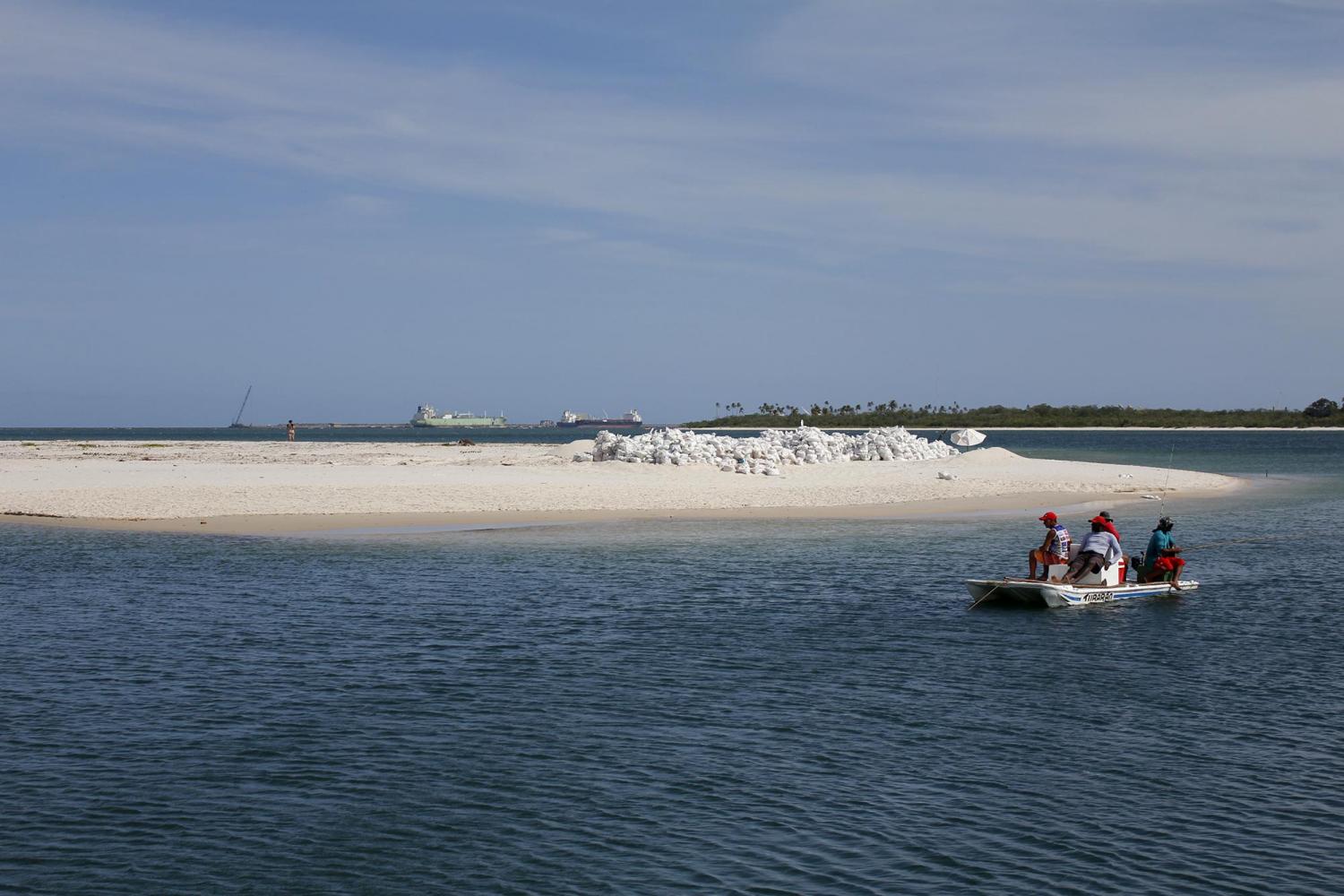
Area Designated For The Mineral Bulk Terminal Is More Than 51 Hectares And Is Located Outside The Organized Port; Fishing Area And Beautiful Landscapes
With the promise of being a promising venture for the economy not only of the Northeast but for the whole country, the mineral bulk terminal of Bemisa, to be installed at the Port of Suape starting in 2025, has also raised questions from environmentalists, fishermen, and local residents about possible socio-environmental impacts.
The area designated for the mineral terminal project is located on Cocaia Island, in the port zone of Suape, in the municipality of Cabo de Santo Agostinho, southern coast of Pernambuco. The site, with 51.4 hectares of beautiful natural landscapes, is where about 300 workers make their living through artisanal fishing of shellfish, aratu, sururu, oysters, and crabs, which are marine mollusks and crustaceans typical of the local cuisine.
Fishermen fear that the arrival of the mineral terminal at the Port of Suape will destroy their source of livelihood. They also complain that, according to them, there has not been any prior official communication about the project nor any consultation with the communities. As a result, at least four representative entities and socio-environmental organizations have joined together to file a complaint with the Public Ministry. So far, the entities have not had access to the implementation project of the iron ore terminal at the Port of Suape.
-
Rare earths are in everything, from cell phones to bullet trains, and what almost no one realizes is why they have become the target of such a delicate global war.
-
Historic bankruptcy of Centauro shocks the market, and the century-old company puts more than 500,000 products, machines, and complete infrastructure up for online auction.
-
Brazil extracts 26.3 million tons of ore from what was previously treated as waste, transforming residues into wealth, producing over 3 million tons of sand, and demonstrating how national mining is relearning to generate value.

-
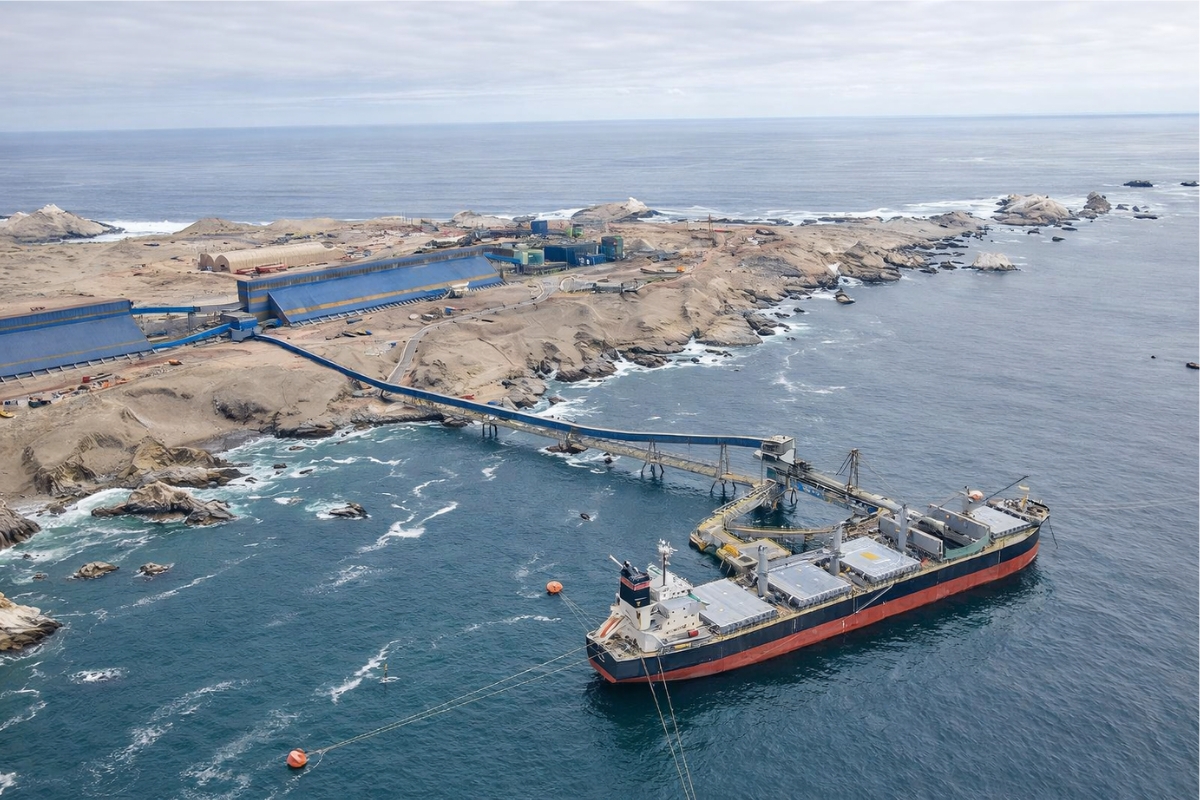
A $3.5 billion megaproject in Latin America pumps desalinated seawater at 1,050 liters per second over 194 km to keep a copper supermine in the Andes operational for another 20 years.

The Bemisa works may also impact tourism in the region, according to those who depend on this sector. It is reported that at least 50 boats that offer tours of the natural pools of Cocaia Island may be affected.
What Those Involved Are Saying
The Ministry of Infrastructure states that the removal of Cocaia Island from the polygon of the Port of Suape, for the construction of the Private Use Terminal (TUP), was requested by the port authority itself. A public consultation was conducted to support the state government’s request, with the participation of the local community. The project will be analyzed “in light of the planning guidelines, legislation, and policies of the port sector,” with the responsibility of Ibama to assess the possible socio-environmental impacts.
The administration of the Port of Suape informed that the Master Plan of the location, approved in 2011 and known to all, provides for a mineral terminal on Cocaia Island.
The Opportunity Group, to which Bemisa belongs, states that the executive project of the Mineral Bulk Terminal in Suape is still under preparation and will be presented to the responsible agencies for environmental licensing.
The company also stated that artisanal fishing is prohibited in the area where the construction of the mineral terminal will take place, according to the Master Plan of the port itself. The group also claims that Bemisa “values respect for the environment and the communities where it operates.”
Billion-Dollar Project Promises To Generate Thousands Of Jobs At The Port Of Suape And Enable Conclusion Of The Transnordestina
The mineral bulk terminal at the Port of Suape promises about 3,000 direct and indirect jobs during construction. During operation, more than 400 additional jobs are expected to be created. The project will cost R$ 1.5 billion. The terminal is expected to handle 13.5 million tons of iron ore per year.
Bemisa Brasil Operação Mineral S.A. is the mining company authorized by the Federal Government to implement and operate the Sertão Railway (EF233), across the 717 kilometers between Curral Novo (PI) and the port of Suape. The railway will allow for the export of the product that Planalto Piauí Participações e Empreendimentos S.A. exploits in the Piauiense municipality where there is a deposit of 800 million tons of iron, the largest mineral reserve in that state and one of the largest in Brazil.
However, the section from Piauí to Custódia has several constructed segments by Transnordestina Logística S/A (TLSA). The company was responsible for the railway works, which began in 2006 and remain unfinished to this day.
TLSA is a private company of the CSNTLSA Group, which has already announced that it will only complete the section that links Transnordestina to the Port of Pecém, in Ceará. The section that would reach the Port of Suape has not been touched.
Part of the business community argues that Bemisa and TLSA should come to an agreement to complete the missing section of the Transnordestina in Pernambuco. However, Bemisa plans to build a new railway.
Since 2019, the company has been negotiating the terminal at the Port of Suape with the Government of Pernambuco to allow for the transportation of minerals along the Pernambuco coast. On September 2, the company presented its interest in enabling the railway to the Ministry of Infrastructure.








Seja o primeiro a reagir!