





 Portuguese
  English
  Spanish
 6 min of reading
  0 comments


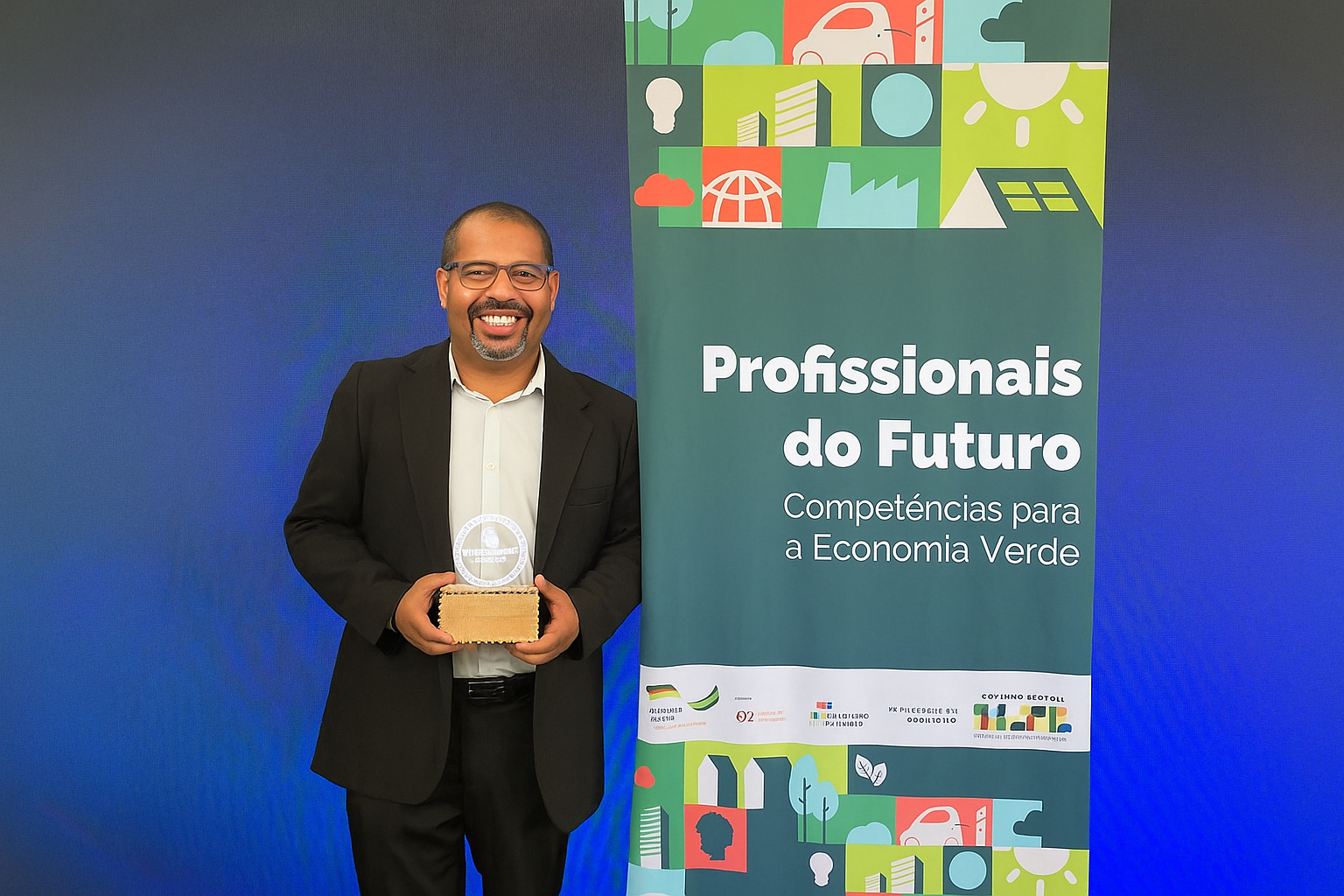
Discover How the Icó Project Empowers Farmers in Solar Energy and Wins National Award, Transforming Lives and Promoting the Green Economy in Ceará.
Start and Recognition of the Icó Project
The Icó Project has stood out on the national scene precisely because it combines technological education with sustainable development.
Indeed, located in the Central-South region of Ceará, the project was created to empower local residents, especially farmers, to work in the solar energy sector, a rapidly growing field in Brazil and the world.
Additionally, the initiative won first place nationally in the “Professional Education for the Green Economy” Award, promoted by the Ministry of Education (MEC) in partnership with the German Cooperation for Sustainable Development (GIZ).
Therefore, the story of the Icó Project reflects a broader movement that Brazil has been promoting over the past decades: integrating professional education into the sustainable economy.
Since the 2000s, technological qualification programs have started to encourage the training of workers for new market demands and, consequently, stimulate the use of renewable energy sources.
In this context, initiatives like those in Ceará stand out because they combine technical education, social inclusion, and direct economic impact on communities.
Since the end of 2024, the project has offered courses focused on installing photovoltaic systems and training residential electricians.
In fact, around 50 people participated in the training, including women and people with disabilities, reflecting a solid commitment to diversity and inclusion.
At the end of the course, half of the students secured job opportunities directly related to the skills learned.
-
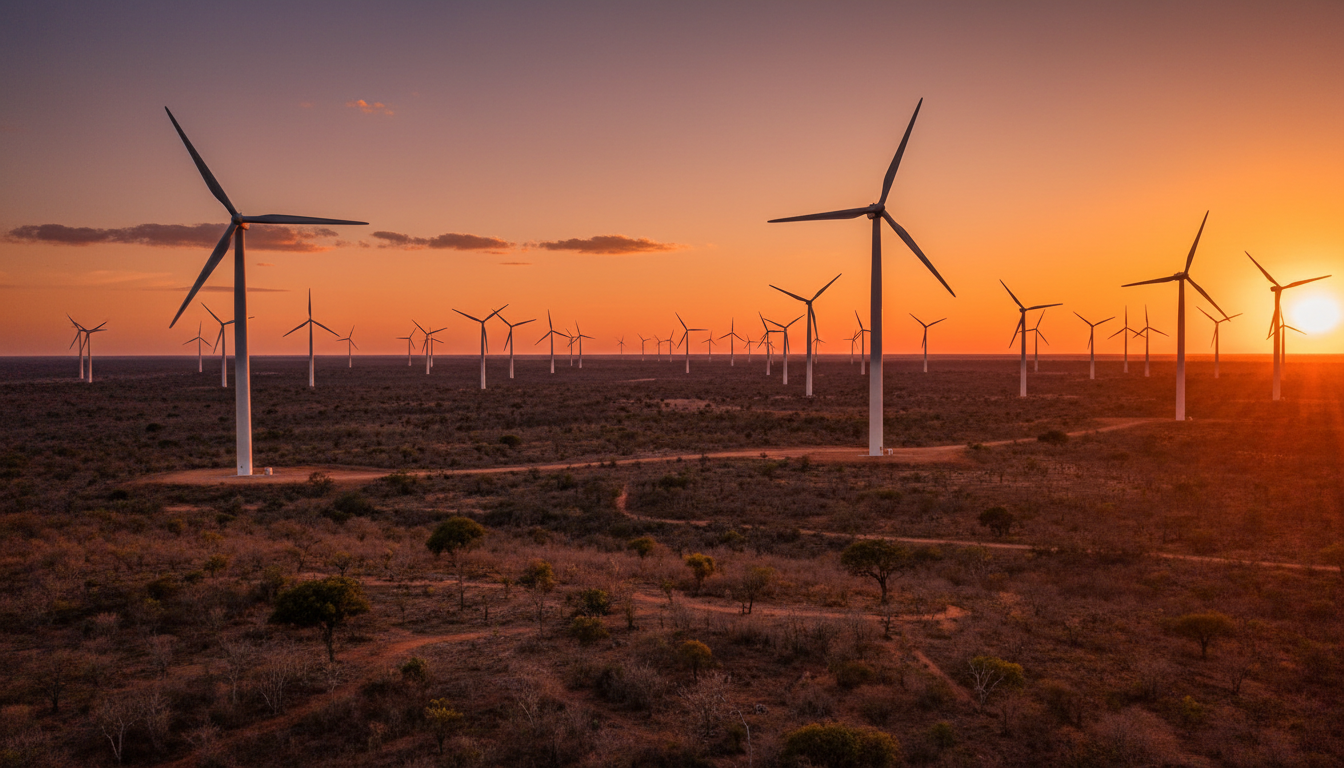
The Brazilian Northeast is receiving the largest wave of investments in clean energy ever seen in the country, with R$ 200 billion in wind and solar, 9,000 km of transmission lines, and a promise that could change the economy of 60 million people.
-
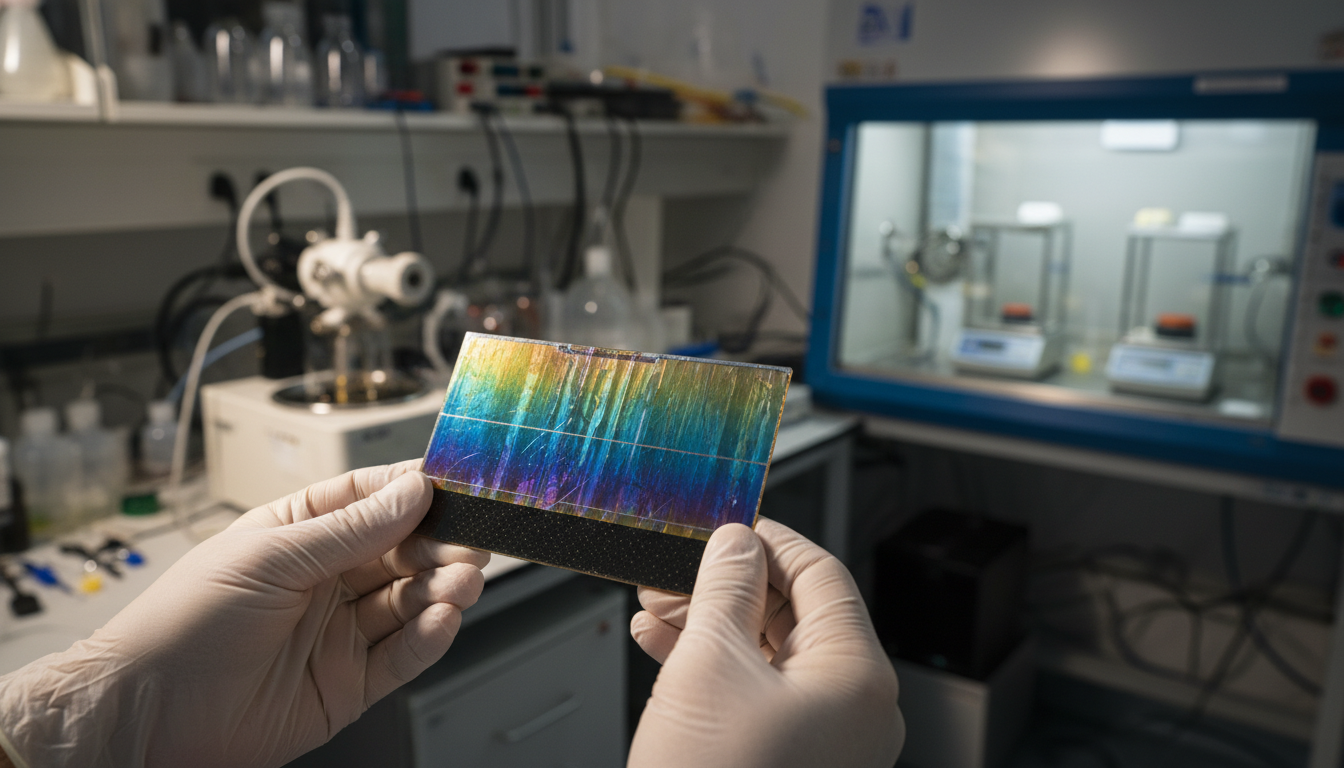
Chinese company creates solar cell that breaks the physical limit of silicon with 34.85% efficiency and promises to revolutionize electricity bills with panels that generate 20% more energy starting in 2026.
-
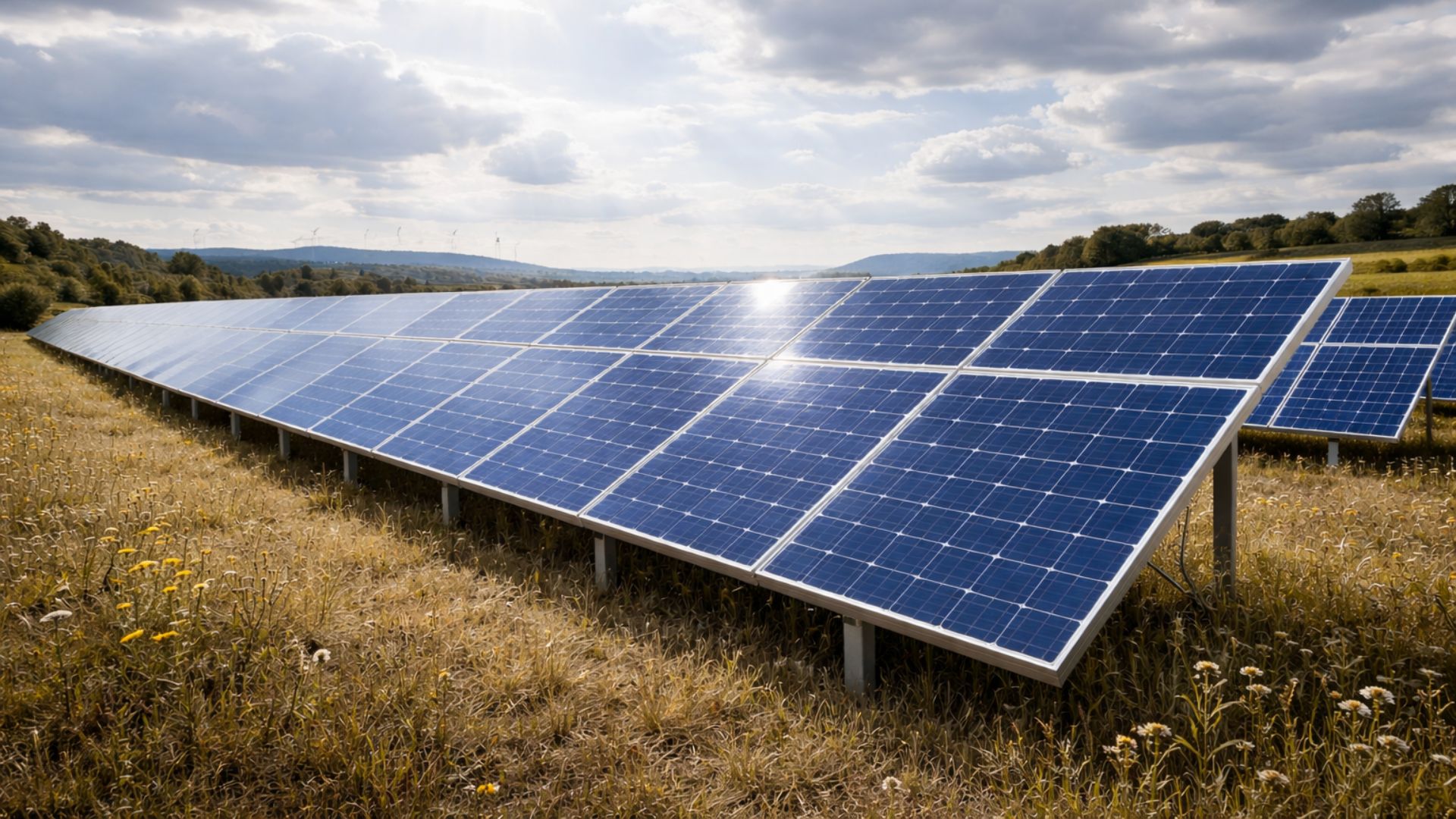
Jacareí advances with a photovoltaic plant and bets on sustainability to transform public management with clean solar energy, reducing operational costs and strengthening energy efficiency in essential services.
-
Maricá transforms Risca-Faca into Leonel Brizola Neighborhood with solar energy and promises to reduce costs for families while promoting dignity, urbanization, and social development in a historically vulnerable community.
Indeed, the success of the Icó Project shows how professional education becomes a tool for social transformation, especially in rural cities.
For example, many participants were residents of rural areas accustomed to agricultural activities, who now have technical skills to work in emerging sectors of the economy.
Thus, this training contributes not only to generating employment but also strengthens the self-esteem and confidence of the local population.
Partnership Between Senai, QAir, and the City Hall
The Icó Project was led by the National Service of Industrial Learning in Ceará (Senai CE), in partnership with QAir Brazil, a private company operating in the renewable energy sector in over 20 countries.
Consequently, the collaboration between public and private institutions ensured that the courses had technical quality and practical relevance.
Moreover, the City Hall supported the initiative, facilitating logistics and community participation.
Thus, this type of historical partnership between public authorities, private initiatives, and civil society represents an effective model for regional development, especially in rural cities seeking new sources of economic growth.
Another relevant point of the Icó Project is the attention to the social context of participants.
Maurício Barreira, manager of Senai Cariri, highlighted that the students came from diverse backgrounds: people working in agriculture, young graduates from high school, and merchants interested in new careers.
Therefore, this diversity reflects the historical challenge of professional education in Brazil: creating programs that meet the needs of different social and economic profiles.
Furthermore, the encouragement of the inclusion of women and people with disabilities in the solar energy sector, traditionally dominated by men, expands opportunities and strengthens diversity in the labor market.
This shows, therefore, that sustainability also involves social equity.
Choice of Icó and Economic Impact
The choice of Icó as the project’s location was not by chance.
Indeed, according to Nathanee Batista, project coordinator at QAir Brazil, the city has a strategic location with high solar radiation incidence, ideal for deploying photovoltaic systems.
Additionally, the company is building the Bom Jardim Complex in the city, with a production capacity of 189 MW of energy, commercial operations of which are expected to start in 2025.
Thus, the project creates job opportunities and strengthens the local economy, showing how professional training initiatives can integrate with infrastructure and sustainable development projects.
Besides its technical relevance, the Icó Project also stands out for its social impact.
Consequently, the implementation of solar energy courses in rural communities allows young people and adults to acquire highly demanded skills in a changing job market.
Historically, Ceará has sought to diversify its economy, moving from agricultural dependence to include industrial and service sectors, and initiatives like this reinforce that transition.
Therefore, by empowering local residents, the project creates a knowledge base that can expand, contributing to the building of a greener and more resilient economy.
Moreover, the economic impact reflects on local income generation.
The trained professionals begin to offer installation and maintenance services for photovoltaic systems, contributing to the development of small businesses and microenterprises.
Thus, this multiplier effect highlights how professional education drives the entire city’s economy, benefiting not only the students but also their families and communities.
Awards and National Recognition
The national award took place during the 5th National Week of Professional and Technological Education in Brasília and represented an important recognition of the effort and innovation of the Icó Project.
Indeed, the competition featured 12 registered projects from different states, and Ceará’s victory demonstrates the strength of initiatives that combine education, technology, and social impact.
Thus, the award reinforces the importance of public policies that encourage professional qualification focused on sustainability.
This global trend has been increasingly adopted by Brazil.
Furthermore, the success of the Icó Project highlights the importance of listening to communities.
Nathanee Batista explains that the courses arose from identifying local needs.
Thus, the demand for professional training in solar energy emerged as the population became interested in new job opportunities and the potential for harnessing solar energy.
Another factor contributing to national recognition is the methodology applied in the project.
Indeed, practical teaching combined with theory, using real equipment and photovoltaic system simulators, allows students to have a complete experience aligned with market demands.
Therefore, this pedagogical model is a reference in technical courses for renewable energy in Brazil.
Integration into the Green Economy and Future
Besides local impact, the Icó Project inserts the city into the broader context of the green economy in Brazil.
Indeed, renewable energy generation initiatives, such as solar parks and energy efficiency projects, have grown in various regions of the country.
Additionally, Ceará, with its high solar potential, has become a strategic hub in this sector.
Training local workers prepares the state to fully seize these opportunities and stimulates the creation of quality jobs.
The project also demonstrates the integration of education, innovation, and economic development.
Indeed, it proves that professional education acts as a driver of social transformation, reduces inequalities, fosters entrepreneurship, and supports the transition to a more sustainable economy.
Moreover, the technical training received by students of the Icó Project is expected to generate long-term impacts.
The city will have trained professionals ready to work in future expansions of solar parks, system maintenance, and energy efficiency projects.
Thus, Icó solidifies its role as a reference hub for clean energy and professional education.
In summary, the Icó Project goes beyond a technical training program; it serves as a model for professional education focused on sustainability, combining social inclusion, economic impact, and regional development.
Thus, the victory in the “Professional Education for the Green Economy” Award recognizes the excellence of the initiative and its historical contribution to the social and economic transformation of Ceará.









Seja o primeiro a reagir!