





 Portuguese
  English
  Spanish
  10 min of reading


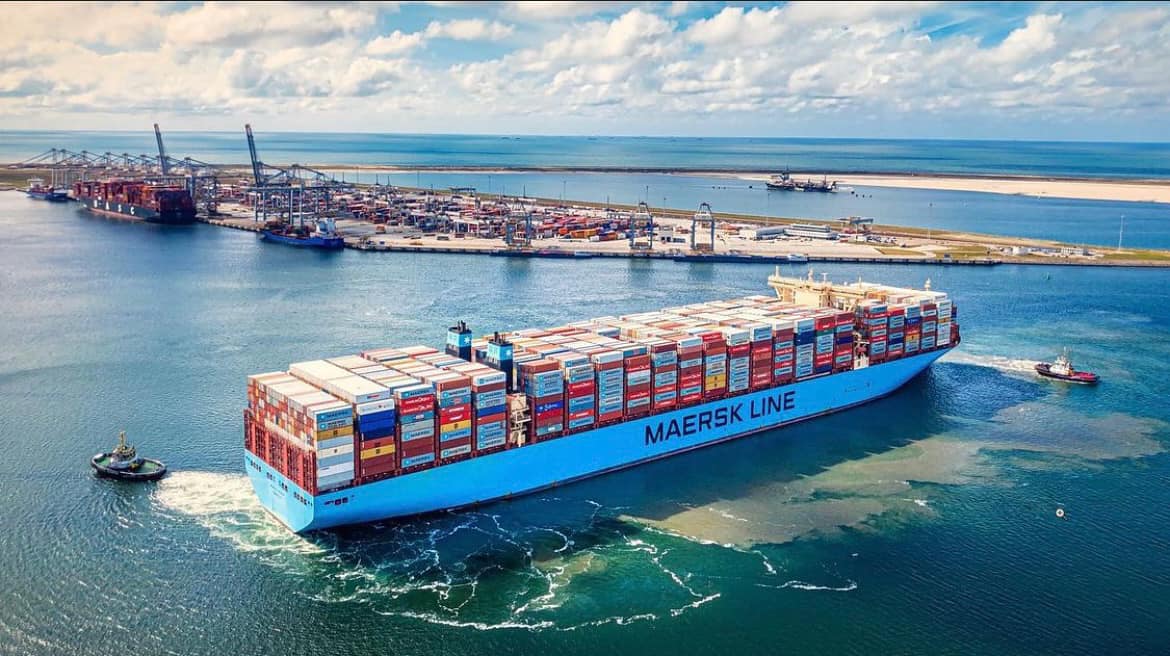
After the Approval and Presidential Sanction of the Bill Known as the Railways Framework, It’s Time for BR do Mar to Take Effect to Bring New Dynamics to the Logistics Sector in Brazil.
BR do Mar is officially called the Cabotage Stimulus Program. A project (No. 4.199) that had already been treated with enthusiasm by the Federal Government and was recently sanctioned by President Jair Bolsonaro to benefit the Brazilian shipbuilding industry.
The officialization of BR do Mar took place after the publication of the project in the Official Gazette on January 7, 2022, with vetoes. The Bill had been in the National Congress since 2020.
The changes that BR do Mar brings aim to expand the supply and improve the quality of cabotage transportation. This type of transportation is conducted via navigation between ports or points on the same coast of a country.
-
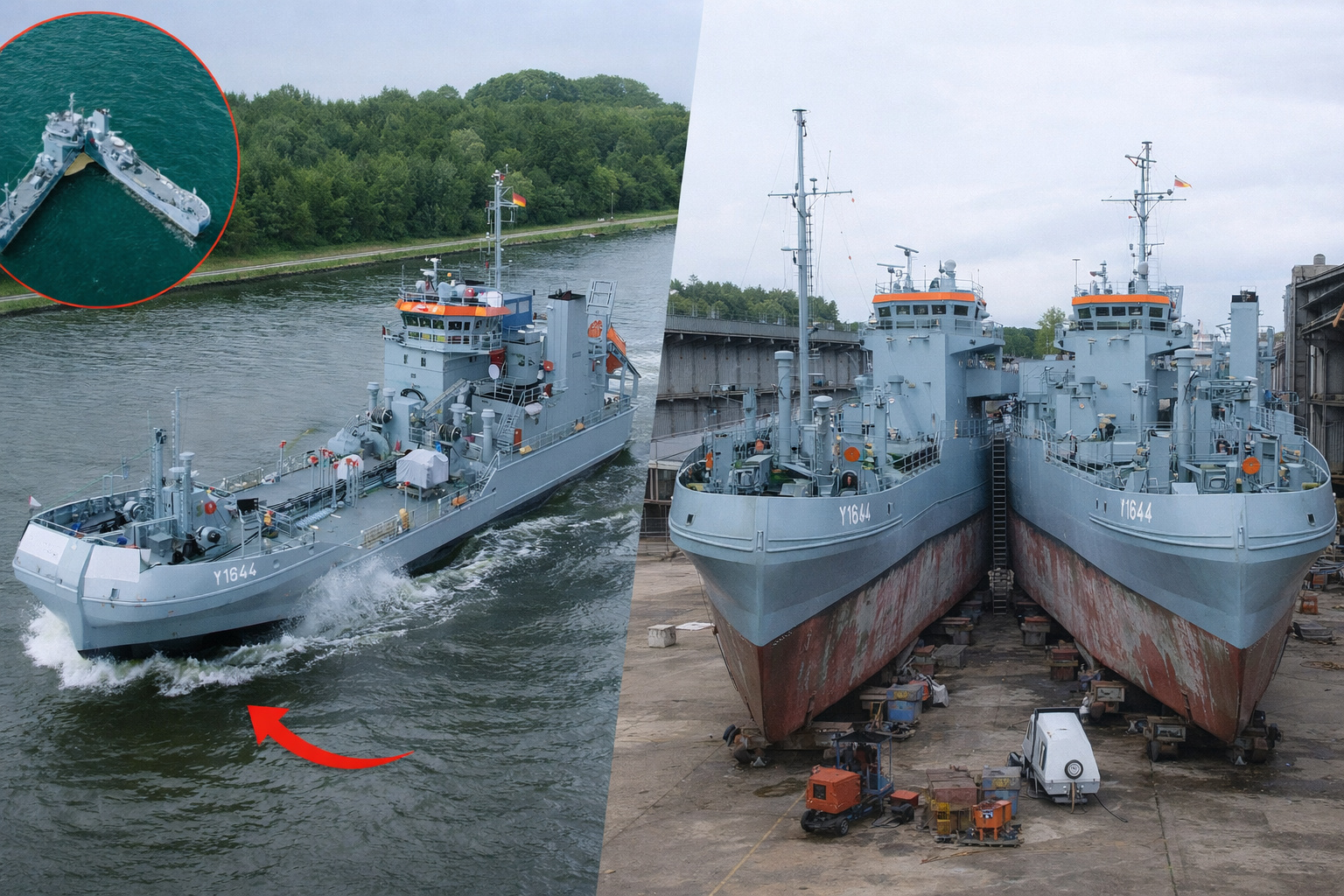
The German ship Bottsand splits its hull in two halves in the middle of the ocean to swallow spilled oil on the surface, separating the oil from the water inside a 790 cubic meter tank and then closing again. It is the only ship in the world factory-designed to split in half as part of normal operations, and the crew of six people who operate everything is civilian.
-
With almost 70 meters in width at the stern and a shape resembling a “giant slice of cheese,” the Ramform Titan tows up to 24 seismic cables to sweep the ocean floor in 3D and reveal oil reserves hidden beneath kilometers of sediment.

-
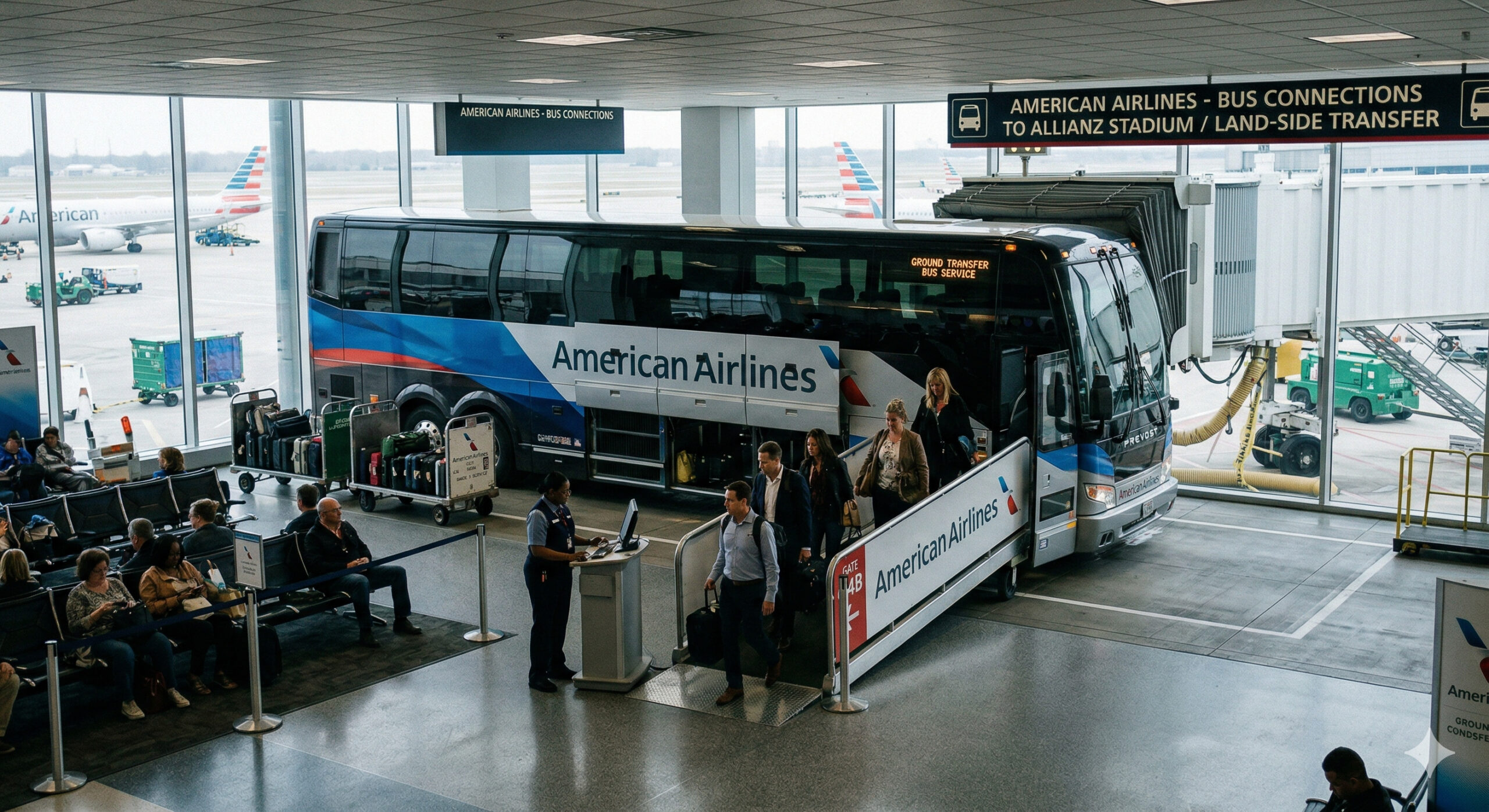
American Airlines starts selling trips as if they were flights, with check-in and baggage check at the airport, but on short routes, passengers board luxury buses connecting cities to major hubs in the U.S.
-
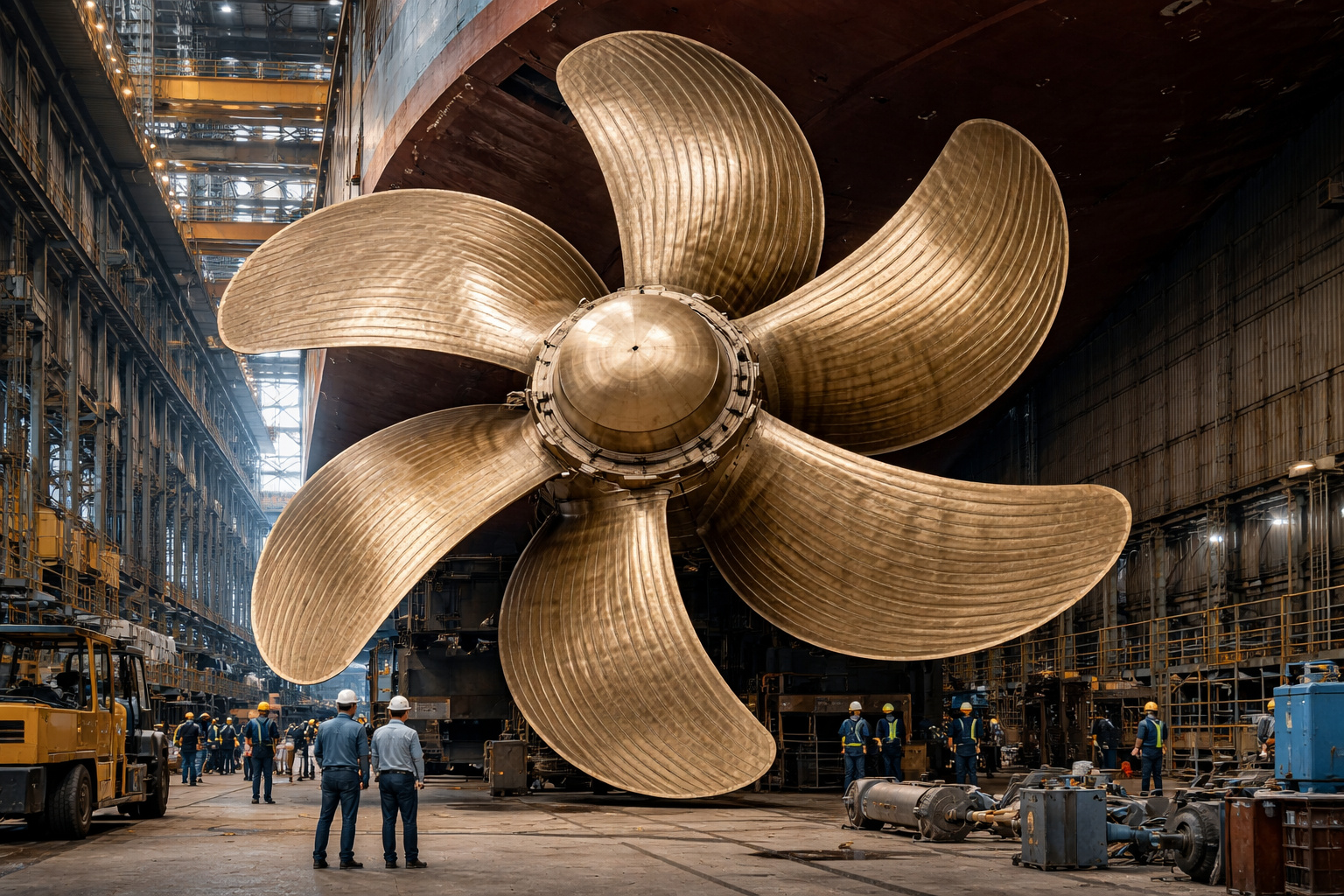
How a 131-ton, 11-meter propeller supports 90% of global trade and transforms the largest container ships on the planet.

According to the Federal Government, cabotage transportation has been growing more than 10% per year in Brazil when considering the cargo transported in containers.
What Changes Does BR do Mar Bring to the Brazilian Naval Logistics Industry?
The current legislation with the BR do Mar project stipulates that only companies headquartered in Brazilian territory and authorized by the National Agency for Waterway Transportation may operate cabotage services.
Companies need to have their own vessels, whether imported or manufactured in Brazil. However, they may rent vessels under flags of other countries, as long as it is done in proportion to half of their own fleet, with the replacement of the entire crew by Brazilians.
In practice: if a shipping company has six ships under a Brazilian flag, it can rent up to three foreign vessels. Furthermore, a foreign ship can only make a freight shipment if no Brazilian vessel is available at that moment. This ship can only be rented temporarily, just for that freight.
Another change is that companies will no longer need to have Brazilian vessels. In other words, they can just have a CNPJ and operate by renting vessels from other countries.
The rental of these foreign-flagged vessels can be done for an indefinite period. Coming from the National Congress, the project initially stipulated that it would be necessary to have two-thirds of the crew composed of Brazilians.
However, President Jair Bolsonaro vetoed this section of the Law, claiming that this point contradicted the public interest and would reduce the project’s attractiveness.
Navigation Entities View BR do Mar with Optimism
For most logistics navigation companies operating in Brazilian ports, the Cabotage Stimulus Program brings with it a historically necessary legal certainty.
However, improvements will only come with time. Among the expected practical results are the enhancement of production outflow, as well as the encouragement of the expansion of the Brazilian naval fleet, stimulation of navigation, and reduction of freight costs.
In fact, the decrease in freight costs would occur with the reduction of the need for land transportation. Road transport is the most utilized mode in the logistics chain: 58% of cargo transportation in Brazil is done by highways.
The highway network is used for the outflow of 75% of production in the country, followed by maritime transport (9.2%), air transport (5.8%), rail transport (5.4%), cabotage (3%), and inland waterway transport (0.7%). These figures come from a research by the Logistical Costs in Brazil, from the Dom Cabral Foundation.
Does the Incentive to Cabotage Upset Truck Drivers?
As direct responsible for the distribution of products throughout Brazil, whether between industries or domestic goods, truck drivers have divergent opinions about BR do Mar.
Part of the category fears that the decrease in freight prices will bring losses for their profession. Another part sees positive aspects, such as traveling shorter distances and thus being closer to their families.
One of the leaders of the truck drivers’ strike of 2018, the president of the Brazilian Association of Motor Vehicle Drivers (Abrava), Wallace Landim, known as Chorão, does not completely oppose the new naval project, but makes his reservations.
“Cabotage doesn’t work if there’s no truck going door to door. The ship ‘doesn’t leave the water to pick up the cargo’. So, it needs the truck to collect the goods.”
Chorão – President of Abrava in an interview with Gazeta do Povo
The president of Abrava understands that the project could reduce long-distance trips made by truck drivers by as much as 40%. He also notes that the new law brings tax incentives to cabotage companies, but does not offer the same to truck drivers.
Another leader of the truck drivers, Aldacir Cadore, who during the strike that stopped Brazil was one of those who dialogued with the Government, believes that BR do Mar could encourage shorter trips which, according to him, are more profitable.
“It will open more freight; it will simply replace long-haul freight, which brings no benefit at all, with shorter, more profitable ones,” he highlights. “In practice, we are going to swap a long freight for a shorter and more profitable one.”
Aldacir Cadore – interview with Gazeta do Povo
Meanwhile, the director of FGV Transportes, Marcus Quintella, says that “the truck is not made to handle long distances. Very long routes have a high operational cost and a sacrifice for drivers, along with freight issues and road maintenance. Theoretically, this project will bring balance to the use of trucks.”
Federal Government Projections from BR do Mar
Despite some vetoes, BR do Mar is a reason for satisfaction for the Federal Government, which politically worked to ensure that the project went through without many setbacks in the National Congress.
The Ministry of Infrastructure created a specific page on its website to address the topic. There, the Cabotage Stimulus Program is detailed with justifications.
For the Minister of Infrastructure, Tarcísio Gomes de Freitas, the project contributes to the momentum of cabotage growth, which has already been occurring according to the manager.
“Despite the growth of cabotage in recent years, this transportation has the potential to grow even more, close to 30% per year. With the BR do Mar program, we will balance the transportation matrix, free ourselves from certain constraints, increasing the use of chartered vessels, reducing costs and bureaucracy, as well as increasing supply and incentivizing competition.”
Tarcísio Gomes de Freitas – Minister of Infrastructure


You May Also Be Interested In:
- Cabotage Gains Ground in the Market with the Integration of Maritime and Land Transport as a Cost-Effective Logistics Option for Companies of All Sizes
- Rentals of Foreign Ships Now Authorized by the Cabotage Law Passed by the Senate
- PL BR do Mar Brings Advances for Cabotage, but Competitiveness Issues Were Partially Addressed
Recession Due to the Pandemic Does Not Affect Ports
It is widely known that the Covid-19 pandemic brought crises to various sectors. In the economy, the health crisis further contributed to the economic recession already experienced by Brazilians before the disease spread.
However, contrary to the crisis, Brazilian port complexes showed a growth of 5.5% in 2021 compared to the same period in 2020.
Public ports recorded 344.5 million tons, an increase of 5.01%, and private facilities handled 665.8 million tons, a rise of 5.70%.
Solid bulk moved 589.7 million tons, accounting for 58.4% of total cargo at Brazilian port facilities, growing 1.8% compared to 2020.
Liquid bulk totaled 260.8 million tons, representing 25.8% of the total, resulting in a 9.7% increase compared to the previous year.
Accounting for 70.5% of all navigation movement, long-distance shipping expanded by about 6%.
Logistics Projects in Brazil Are Being Realized in 2022
In addition to the Cabotage Stimulus Program (BR do Mar), the New Railways Framework is also set to change the dynamics of the logistics distribution sector in Brazil.
The project was approved by the Chamber of Deputies after passing through the Senate and was sanctioned by the Federal Government at the end of December 2021.
The Railways Framework is writing a new chapter in Brazil’s history starting this year, as the most important logistics project in contemporary Brazilian history.
According to the Ministry of Infrastructure, there are already 64 requests for new railways implementation, submitted by the private initiative to the Federal Government.
With the new measure, companies will be able to build or renovate railways through permits. The applications already add up to R$ 180 billion in future investments and represent an addition of 15,000 kilometers to the rail network implemented in the country.
There are 22 different companies in 16 states as origins and destinations. The projects cover areas in the states of Minas Gerais, Espírito Santo, São Paulo, Paraná, Santa Catarina, Mato Grosso, Mato Grosso do Sul, Federal District, Goiás, Maranhão, Pernambuco, Piauí, Bahia, Tocantins, Pará, and Roraima.
Regarding cabotage, the Government estimates that with BR do Mar, the volume of containers transported per year could increase from 1.2 million to 2 million in 2022 (considering standard-sized containers, 6m long). The fleet for cabotage may increase by 40% in the next three years.
Projections and Trends for the Logistics Sector from 2022 Onward
We know that globally, the logistics market has a direct relationship with technological advancements and their consumer products. And Brazil is no different.
With the forthcoming arrival of 5G internet, which tends to offer more speed, more stable connections, and the possibility of more simultaneous accesses without losing quality; the enhancement of artificial intelligence and even the sophistication of drones, the trend in the logistics sector is growth, innovation, and greater dynamism.
For Capital Realty, which has been operating in the logistics infrastructure market for over twenty years, there are at least 14 points that are current and near-future trends in the logistics market. Check them out:
1. Artificial Intelligence
Artificial intelligence promises to improve the entire production chain and enhance inventory management, freight control, flows, among other points involving the market.
2. Growth of Digital Commerce
The public prefers the convenience of shopping online and having their purchases delivered at home. Therefore, investing in this sales modality and improving it is something that cannot be neglected.
3. Automation
The automation of processes in the logistics sector is becoming increasingly present in the market reality. This is because it promotes cost reduction, increases the company’s productivity, minimizes the probability of errors, and ensures better organization of processes, among many other positive points. Thus, the company has much to gain from investing in automation. In general, technology will always bring benefits to the entrepreneur who strives to remain competitive.
4. Drone Delivery
Delivery is undoubtedly a significant advancement in the sales world. After all, everyone wants the comfort of receiving their purchases at home. But have you ever imagined this process being done by robots? It may seem unlikely, but there are companies contemplating offering delivery services via drones. Amazon, for instance, is an example of a company that has tested drone integration in logistics processes.
5. Last Mile
What every customer wants most is to receive their product as quickly as possible. Hence, logistics companies constantly work to improve their processes to meet customer demand. For this, air transportation can be an excellent option to expedite deliveries. Last mile refers to the acceleration of delivery so that the customer receives the product as soon as possible.
6. ESG
ESG values (Environmental, Social, and Governance) concern companies’ policies for environmental preservation. Today, environmental consciousness is much greater, highlighting how current generations care about the future of the planet. Thus, consumers increasingly demand that companies adopt measures promoting environmental preservation. Therefore, sustainability is also a trend for the logistics sector in 2022.
7. Native Cloud Applications
These applications focus on user experience. They can develop and integrate all work processes, personalizing software, for example, that offer a more tailored experience.
8. Data Fabric
Data Fabric is a technology aimed at promoting cloud data storage, simplifying all logistics processes. It will become increasingly prevalent in 2022 due to its advantages, such as enhanced security in data storage, dynamic visibility of information, greater data control, and more.
9. Internet of Things
The Internet of Things is another technology reminiscent of famous science fiction films. However, it exists in our real world and is gaining more and more space. Today, for example, you can count on Alexa, a product from Amazon that seems like just a simple speaker. But it is not just an ordinary speaker. Besides directly communicating with us, it schedules reminders, alarms, turns on the TV, lights, and even locks and unlocks doors.
In the logistics sector, this technology is likely to carve out its space by facilitating processes from production to the moment the product is delivered.
10. Autonomous Transportation
Autonomous transportation is still not a very concrete reality. It presents certain vulnerabilities regarding cargo and security flaws. But like all technology, it can be improved until it is fully implemented and becomes part of routine logistics.
11. Collaborative Economy
The collaborative economy is related to outsourcing services, such as freight companies and warehouses. This helps simplify processes, facilitating the work of logistics companies. Hence, it will be increasingly common to see companies working within this type of economy.
12. Installed Sensors on Items
The installation of sensors is also part of the Internet of Things. With technology, it is possible to track deliveries in real-time. Additionally, sensors have a longer lifespan.
13. Early Delivery
The service of early delivery will also become more common, as companies need to accelerate delivery processes. Thus, the product leaves the stock even before the customer makes a purchase. But for this to happen, it’s essential to know the customer well, analyzing their entire purchasing history and frequency.
14. Blockchain
Finally, blockchain is a record system that guarantees greater security for transactions conducted with cryptocurrencies. Simplistically, it works like an accounting ledger. The technology also allows payments to be made immediately after confirming contract compliance.







Seja o primeiro a reagir!