





 Portuguese
  English
  Spanish
  4 min of reading
  4 comments





While Lawmakers Support Banning Daylight Saving Time in Brazil, Electric Sector Technicians Point Out That the Measure Could Prevent Blackouts in 2025
The debate about daylight saving time in Brazil has returned to the center of discussions in Brasília. On one side, a bill being processed in the Chamber of Deputies seeks to permanently prohibit the practice in the country. On the other, the National Electric System Operator (ONS) warns that the return of the clock change could alleviate pressure on the grid and prevent risks of energy collapse in the coming years.
According to a report by Marcello De Vico, in collaboration for UOL, the ONS’s technical recommendation is that daylight saving time in Brazil could ensure a relief of up to 2 gigawatts (GW) of power in the interconnected system during peak hours, usually between 6 PM and 9 PM. This relief would be enough to reduce the use of thermal power plants and prevent blackouts during critical demand moments.
Why Daylight Saving Time in Brazil Is Under Dispute
Daylight saving time in Brazil was suspended in 2019, during Jair Bolsonaro’s government, after studies indicated that energy savings had lost relevance due to changes in consumption habits.
-
Santa Catarina produces up to 7 times more than it consumes in some sectors, and its century-old industries founded by grandparents and great-grandparents now compete on equal footing with Germany and the United States in the international market.

-
U.S. war giant weighing 9,600 tons and equipped with long-range missiles is sent to the Atlantic to protect global internet and hunt submarines.

-
Storms on Jupiter are up to 100 times more powerful than on Earth and reveal extreme phenomena that challenge everything we know about weather.

-
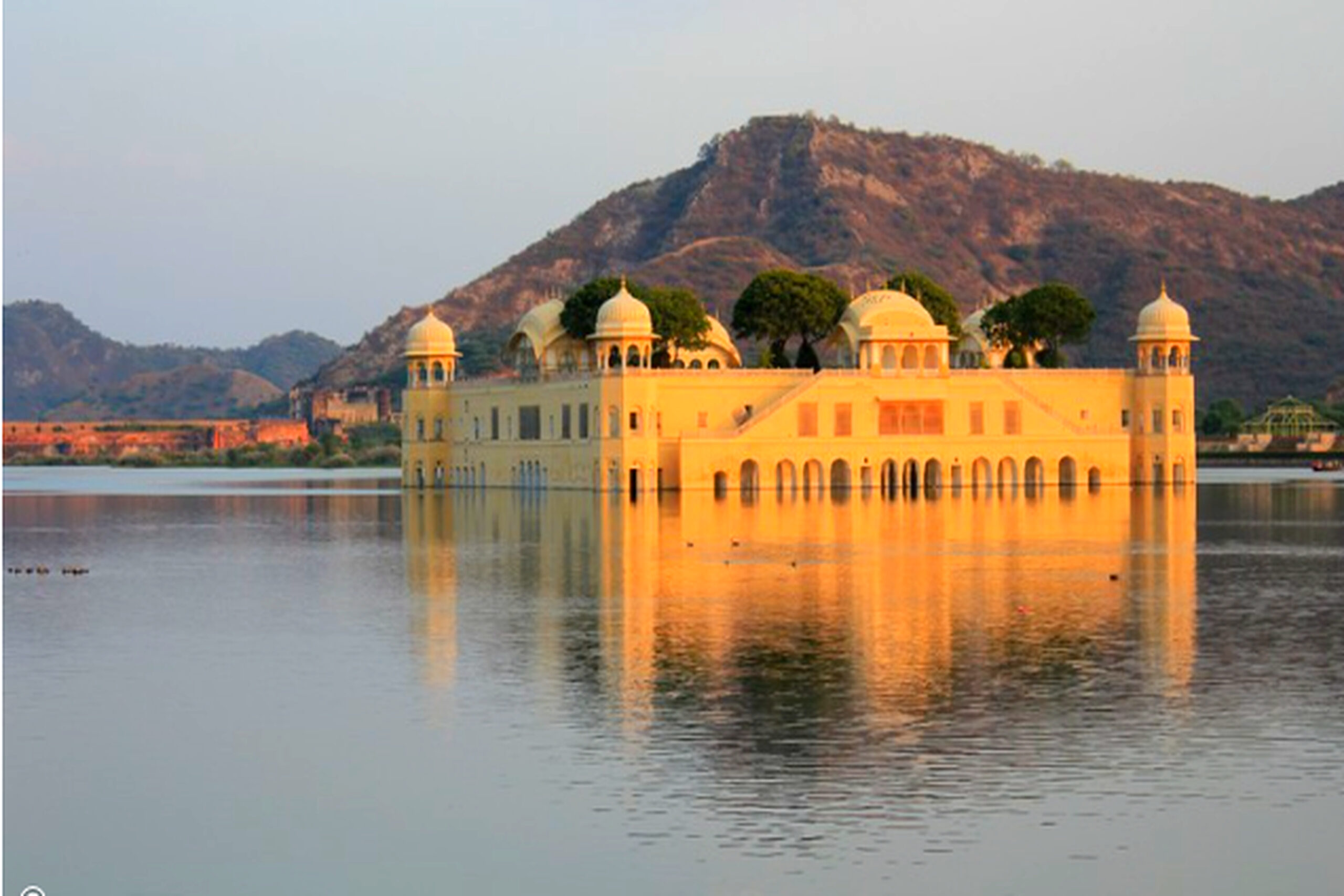
With five floors, the building made of red sandstone, marble, and limestone surprises with its strength, appears to float, and remains stable even when submerged in water, thanks to its hydraulic engineering.

Today, with greater use of air conditioning and electronic devices throughout the day, the impact of the measure on reducing energy expenses would be less than in the past.
However, according to the ONS, the focus now is not only on savings but on reducing the risk of collapse during peak consumption times.
With increasing demand and the need to activate costly and polluting thermal power plants, daylight saving time in Brazil could serve as an emergency energy security measure.
Bill Seeks to Permanently Ban Daylight Saving Time
In July 2025, the Health Committee of the Chamber approved Bill 397/07, reported by Deputy Diego Garcia, which aims to prohibit daylight saving time in Brazil across the entire national territory.
The text points out harms to the health of the population, such as sleep disorders, fatigue, hormonal imbalances, and increased risk of cardiovascular diseases.
According to the report, waking up earlier and facing commutes in complete darkness also creates a sense of insecurity in a scenario of rising urban violence.
Currently, the project is under analysis by the Mining and Energy Committee (CME) and will then be sent to the Constitution and Justice Committee (CCJ).
What Does the Ministry of Mines and Energy Say
The Ministry of Mines and Energy (MME) stated that the topic is “permanently evaluated” and that analyses take into account factors such as rain levels, hydropower generation, solar and wind energy.
According to Minister Alexandre Silveira, a decision could be made by September 2025, but the issue remains undefined.
For the ONS, the measure could enhance solar energy integration during peak demand hours and reduce the need to activate thermal plants.
Still, the final decision rests with President Luiz Inácio Lula da Silva, who will have to weigh the risks of energy collapse against the impacts on health and the routine of the population.
Is It Worth Bringing Back Daylight Saving Time in Brazil?
Experts disagree. For the electric sector, the return of daylight saving time in Brazil would be a quick and low-cost way to increase system security, especially between 2025 and 2029, a period when the risk of overload is higher.
On the other hand, health sectors and lawmakers in favor of the bill argue that the negative impacts on the body and the quality of life of the population outweigh the energy benefits.
The central question is whether, given the new conditions of energy consumption and generation, the measure is still effective or has merely become a band-aid for structural problems.
The future of daylight saving time in Brazil is uncertain. While the ONS recommends the return of the measure to prevent blackouts, a bill advances in Congress to ban it for good.
The impasse reveals the difficulty in reconciling energy security, public health, and political pressures.
And you? Do you believe that daylight saving time in Brazil should return to prevent energy collapses or agree that the health risks make the measure outdated? Leave your opinion in the comments — we want to hear from those who live this experience.








eu acredito que so faz mal a saude das pessoas, ate porque a minha conta de luz não abaixa nunca só aumenta, então pra serve esse horário do cão.
Mesmo que haja redução no risco de apagão, o custo dos malefícios para a saúde superam (e muito!) os benefícios. Por exemplo, aumento no número de acidentes de trânsito e de trabalho na primeira semana de adoção do horário de verão. Investimentos em energia limpa produzem efeitos duradouros e sem prejuízo à saúde humana.
Mauricio p rodriguez