





 Portuguese
  English
  Spanish
 4 min of reading
  0 comments


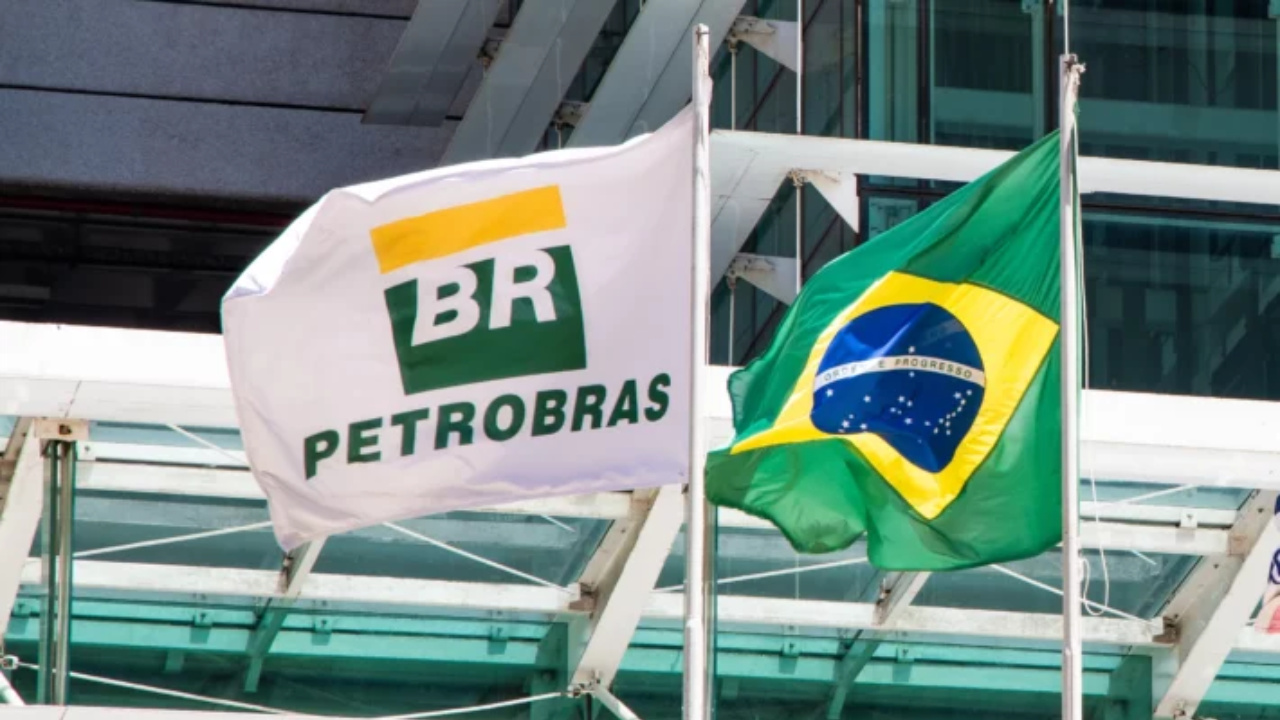
Petrobras Approves Technical Proposal for the Sergipe Deep Waters Project, Opening the Way for New Investments in Oil, Job Creation, and Offshore Production Starting in 2030.
The oil sector gained new momentum this week with the confirmation that Petrobras approved the technical proposal that enables the advancement of the Sergipe Deep Waters Project (Seap). The announcement was made by the government of Sergipe and marks a decisive step after years of expectations regarding offshore exploration in the Sergipe-Alagoas Basin.
The decision involves the approval of the proposal submitted by the Dutch company SBM Offshore, responsible for the construction and operation of two FPSO (Floating Production Storage and Offloading) vessels, which will directly work on the production of oil and natural gas in the Seap I and Seap II modules. As a result, the project enters a phase considered concrete within the national energy planning.
This move strengthens Petrobras’s strategy to expand its operations in new exploratory frontiers, particularly in deep-water areas, which are essential for the sustainability of oil production in the medium and long term.
-
The rise in oil prices could ensure an extra revenue of R$ 100 billion for the Federal Government, indicates a recent economic study.

-
Naturgy begins an investment of R$ 1.6 million to expand the gas network in Niterói and benefit thousands of new residences and businesses.

-
A major turn in the Justice system suspends tax increases and directly impacts oil and gas companies in Brazil by affecting costs, contracts, and financial planning, leaving uncertain what could happen to the sector if these costs had increased.

-
Brava Energia begins drilling in Papa-Terra and Atlanta and could change the game by reducing costs in oil while increasing production and strengthening competitiveness in the offshore market.


FPSOs Gain Prominence in Oil and Gas Production
The two FPSOs planned for the Sergipe Deep Waters Project will play a central role in the production flow. Each unit is designed to process up to 120,000 barrels of oil per day, in addition to allowing the treatment of approximately 12 million cubic meters of natural gas daily.
In addition to the platforms, the project includes the implementation of a gas pipeline with the capacity to transport up to 18 million cubic meters of gas per day. This infrastructure will be integrated with complete subsea systems, ensuring operational efficiency and safety in production.
With this set of installations, Sergipe takes on a strategic position within the Brazilian oil and gas industry by connecting offshore production, flow, and future associated industrial opportunities.
Petrobras’s Strategic Planning Projects Production for 2030
With the technical approval, the Sergipe Deep Waters Project is expected to be incorporated into Petrobras’s Strategic Plan 2026–2030. The expectation, according to the state government, is that the contracting of the FPSOs will occur in 2026, while the start of production is scheduled for 2030.
The governor of Sergipe, Fábio Mitidieri, highlighted the importance of the moment for the state and for the country. “After more than a decade of expectations and uncertainties, the Sergipe Deep Waters Project is now entering its most concrete phase. The expectation of contracting the FPSOs in 2026 and starting production in 2030 places Sergipe at the center of the new frontier of oil and gas exploration in Brazil,” he said.
The statement emphasizes the symbolic and economic weight of the project, which spent years under technical analysis before reaching this stage.
Investments in Oil Promise a Direct Impact on Employment and the Local Economy
One of the most emphasized points of the project involves its potential for job creation. Technical studies indicate that the investments associated with Seap could result in the creation of around 170,000 jobs, including direct, indirect, and induced employment.
This impact is expected to spread across various sectors of the economy, including shipbuilding, logistics, specialized services, and the supplier chain. As a result, the advancement of oil in deep waters could stimulate regional growth and strengthen state revenues.
Furthermore, Petrobras’s presence in Sergipe tends to attract new private investments, expanding the industrial base related to oil and gas.
Sergipe Enters the Radar of the New Exploratory Frontier of Oil
The Sergipe-Alagoas Basin has been viewed as a promising area but marked by technical and strategic uncertainties. With the approval of the SBM Offshore proposal, the scenario changes significantly.
Now, the project becomes part of the set of initiatives supporting future oil production in Brazil, at a time when the state-owned company seeks to balance energy security, economic return, and offshore expansion.
Meanwhile, the technical advancement signals that Sergipe is no longer just a promise but occupies a relevant space in the planning of the national oil industry, with effects expected to extend for decades to come.








Seja o primeiro a reagir!