





 Portuguese
  English
  Spanish
  4 min of reading
  0 comments


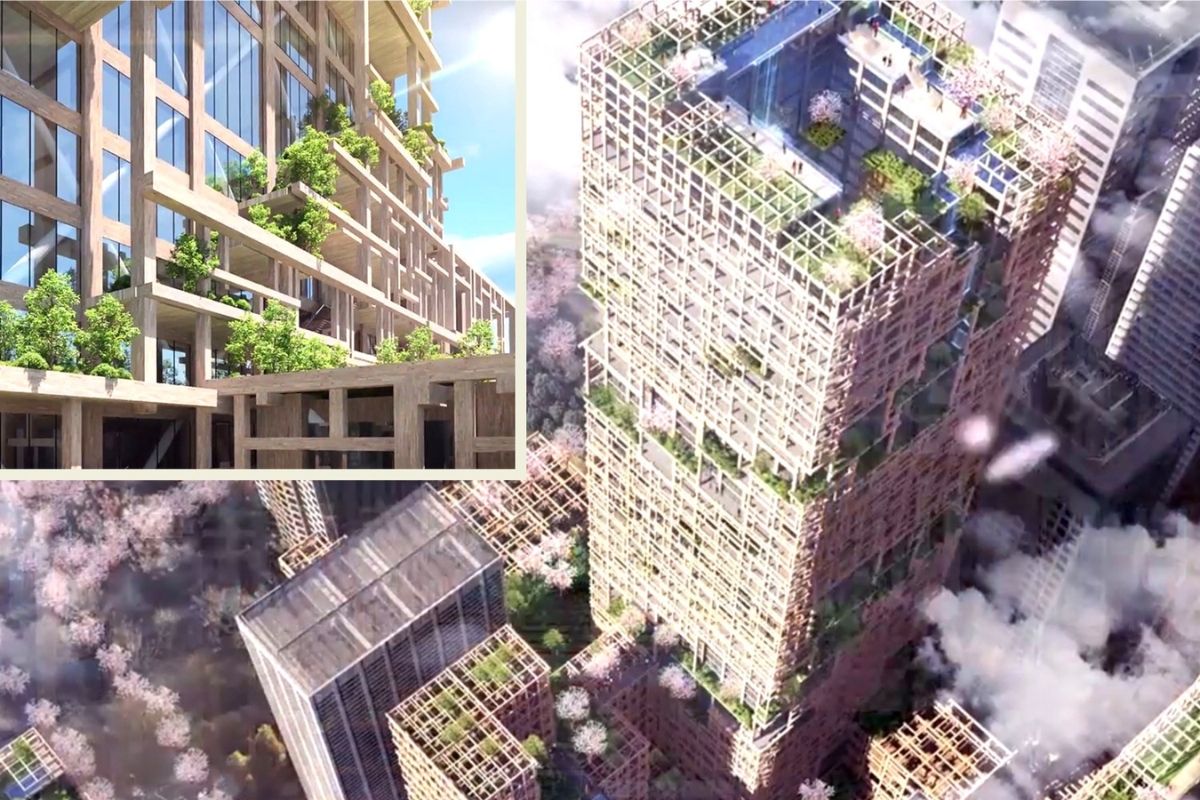
In Tokyo, Sumitomo Forestry Proposed a 350-Meter Tower with Large Volume of Wood to Store Carbon and Reduce Construction Emissions, Triggering Technical Debate and Drawing Attention from the Sector.
The idea of a wooden skyscraper has ceased to be merely curiosity and has come onto the radar of engineers and urban planners for a direct reason: emissions.
The construction industry accounts for a significant share of global emissions, mainly due to cement, steel, and energy used in construction, turning each large building into a climate issue as well as an urban one.
In this scenario, engineered wood appears as an alternative because it retains the carbon that trees have already captured during growth, functioning as a storage method for decades.
-
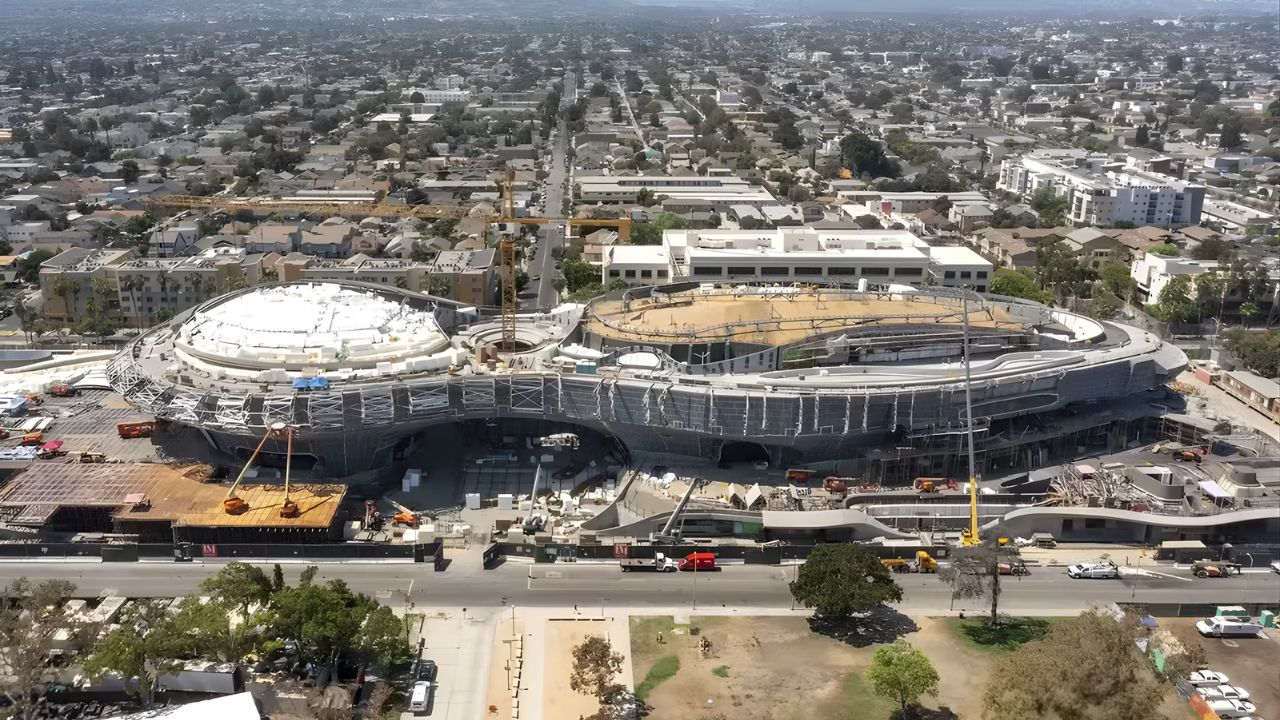
Created by George Lucas with over $1 billion, a futuristic museum in the shape of a spaceship with 1,500 curved panels is about to open in Los Angeles and will house one of the largest private collections of narrative art in the world.
-
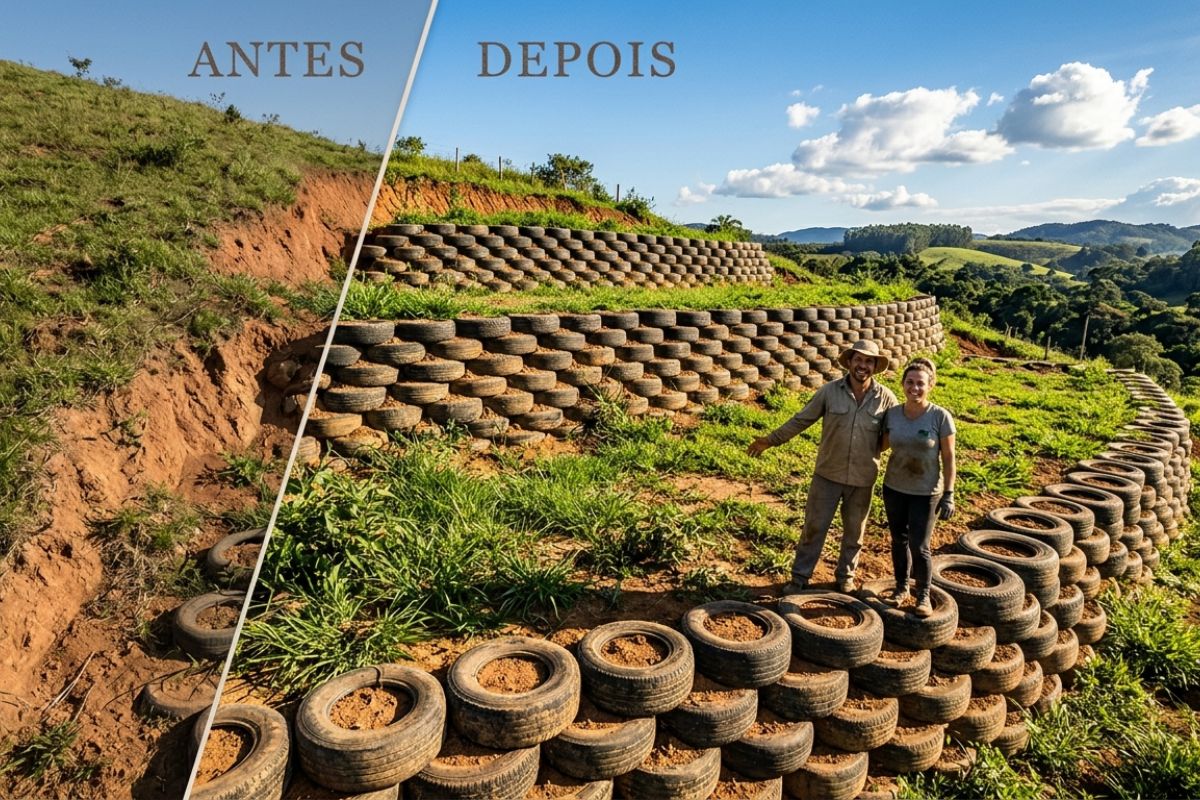
Couple shows how they built a retaining wall on their property using 400 old tires: sloped land turned into plateaus, tires are aligned, filled, and compacted with layers of soil, with grass helping in support and at almost zero cost.
-
Engineer explains drainage during the rainy season: the difference between surface water and deep water, ditches, gutters, and water outlets on the road, as well as drains and drainage mattresses, to prevent erosion, aquaplaning, and flooding at the construction site today.

-
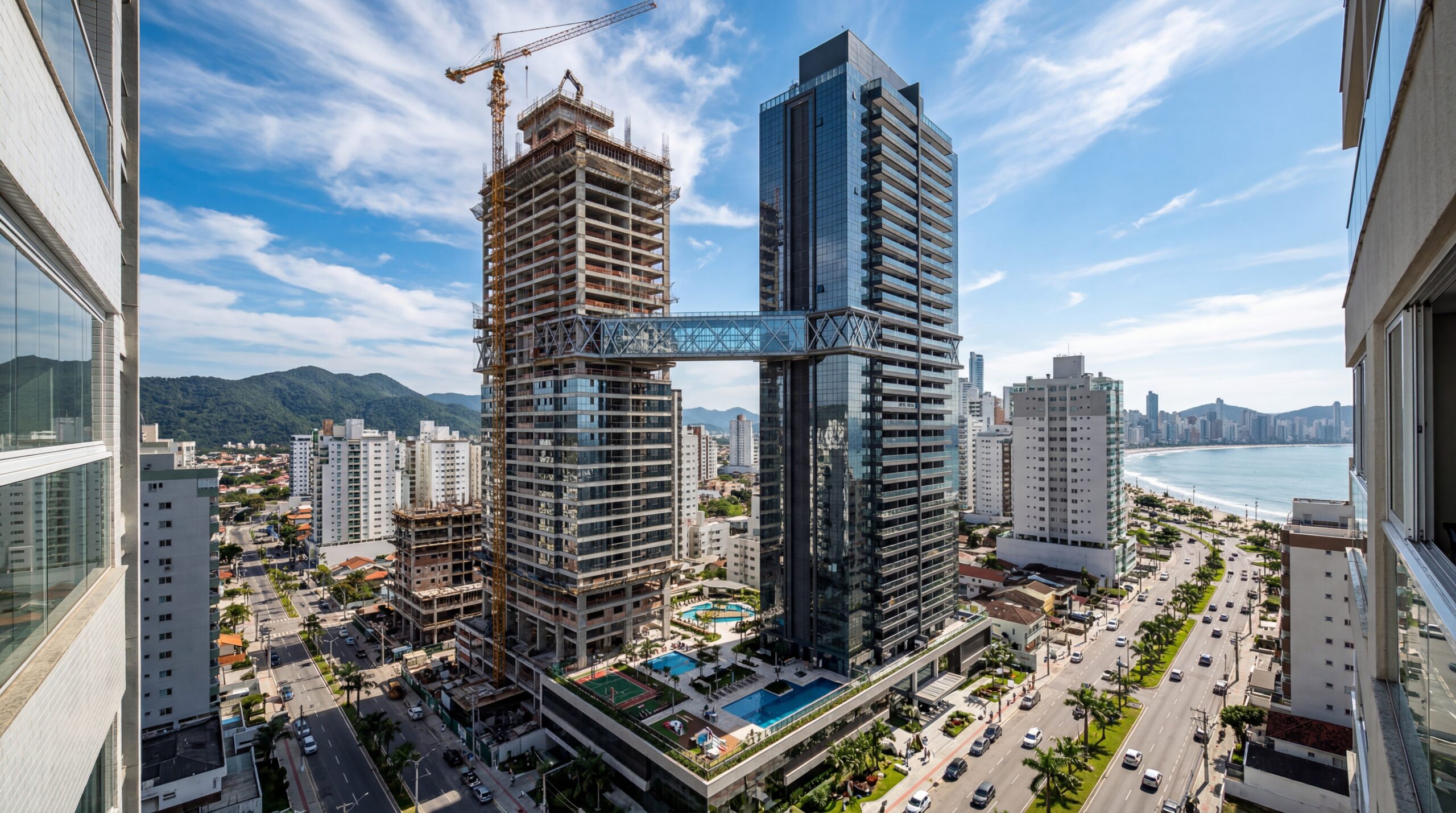
With 55 floors, 177 meters in height, a 15-meter walkway between the twin towers, ventilated facade, and 6,300 m² of leisure space, Ápice Towers already has one tower completed and another nearly at the top.

The information was released by weforum, a platform for articles and analysis on economy and society.

What Is the W350 Project and Why Has It Become a Topic in Tokyo?
The case that comes closest to this proposal is the W350 Project, a concept for a wooden skyscraper with 350 meters in height planned for the center of Tokyo, Japan.
The proposal draws attention for combining two rare points in the same project: extreme height and massive use of wood as a structural material.
If built, the W350 Project could become the tallest wooden building in the world and also the tallest building in Japan, according to descriptions of the concept.
How the Structure Mixes Wood and Steel to Reach 350 Meters
The project was designed as a hybrid tower, combining wood and steel in a structural system aimed at supporting high loads and strong winds at great heights.
The structure calls for timber columns and beams, with steel acting in bracing in a braced tube system, a solution used to provide stiffness and stability to very tall buildings.
Another detail that caught attention is the proposed visual: large balconies with vegetation, creating the image of a vertical forest in the middle of the city.
The Numbers of the Project, 185,000 m³ of Wood and What This Scale Reveals

The tower is described as having 70 floors and an estimated volume of around 185,000 m³ of wood, which highlights the size of the technical and logistical challenge.
This number also reinforces why the subject has come to the center of the debate about sustainable construction. The larger the structure, the greater the potential to reduce emissions when part of the concrete and steel is replaced by engineered wood.
Experts cite that each ton of wood can store up to about 1.8 tons of CO₂ that has already been captured by trees during growth.
Why Wood Can Function as a Carbon Vault Instead of Emitting Like Concrete
The logic of so-called “carbon storage” is simple but powerful: while concrete and steel are often associated with significant emissions in the production cycle, wood carries carbon that has already been absorbed.
In practice, this carbon remains trapped in the structure for decades, as long as the material continues to be in use, transforming the building into a kind of urban carbon vault.
Studies cited by experts indicate that replacing concrete with wood in multi-story buildings can reduce greenhouse gas emissions by up to 50% to 60%, depending on the type of construction and the method applied.

Advantages, Challenges, and What This Signals for Engineering in 2026
Among the advantages pointed out for the use of engineered wood are lower carbon footprint, good thermal performance, lower structural weight, and faster assembly with prefabricated elements.
On the other hand, there are significant challenges. The initial cost can still be higher than that of a conventional building, and in the case of the W350 Project, estimates suggest that the value may come close to double.
Also considered are the requirements for strict fire safety regulations and the need to ensure sustainable forest management, to avoid turning the environmental solution into a new problem.
What may happen now is an acceleration of this type of concept in real projects, driven by trends in 2026 that combine innovation, sustainability, and technology, using low-carbon materials and digital tools such as BIM and digital twins to optimize complex constructions.
In the end, the proposal of the W350 Project draws attention for reversing the logic of tall construction: instead of a tower seen merely as resource consumption and emissions, the project seeks to transform the building into a large carbon stock in the middle of Tokyo.









-

-

-

3 pessoas reagiram a isso.