





 English
  Francês
  Alemão
  Italiano
  Japonês
  Norueguês
  Portuguese
  Spanish
 3 min of reading
  0 comments


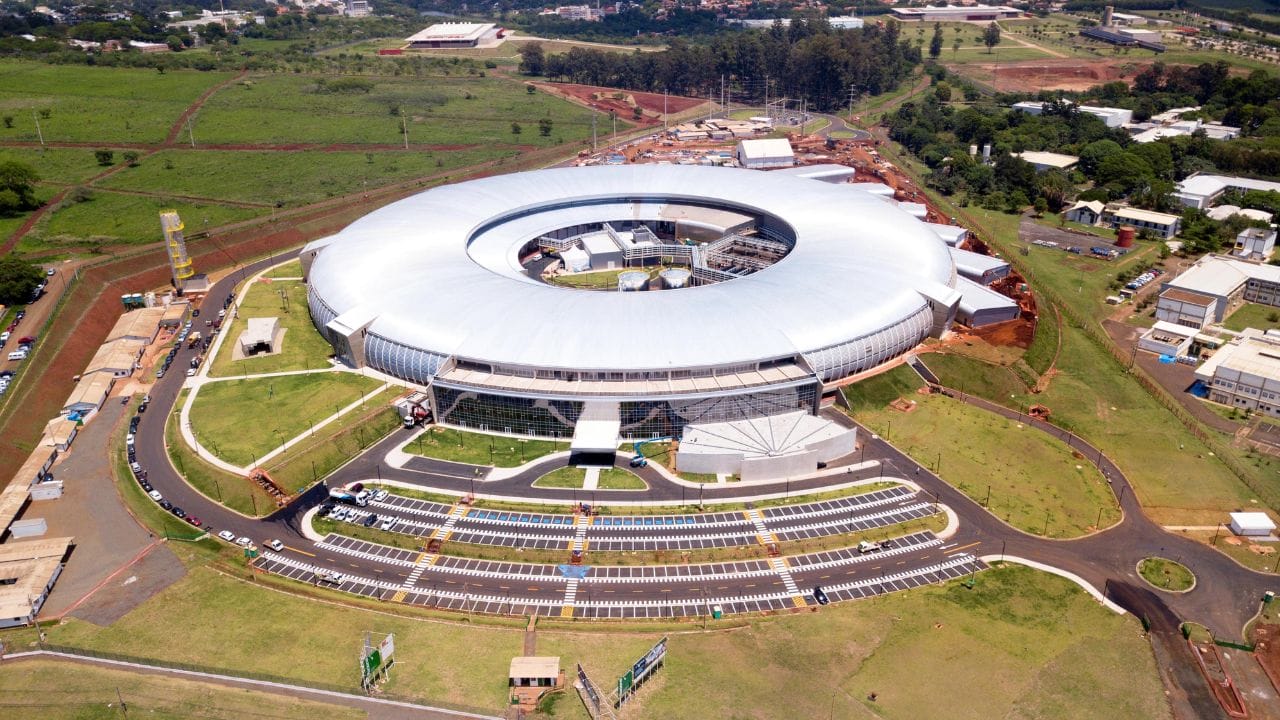
The Sirius Project, located in Campinas, São Paulo, is a feat of Brazilian engineering, representing a milestone in the country’s scientific infrastructure. This fourth-generation particle accelerator, developed by CNPEM, is the most modern in Latin America and was completed in 2018 by Racional Engenharia.
With a built area of 68,000 m², the project stands out for its exceptional mechanical and thermal stability, essential for the precise operation of accelerators. The construction of the Sirius Project faced unprecedented challenges.
The need for stability led to the creation of a piled and reinforced floor, with experimental tunnel shielding to block radiation. The 42,000 m² conical roof is proof of the project’s complexity and innovation. Racional Engenharia, with its 50 years of experience, addressed these challenges with professionalism and quality partnerships, ensuring the accuracy necessary for the project’s success.
Scientific Contribution and Impact of the Sirius Project
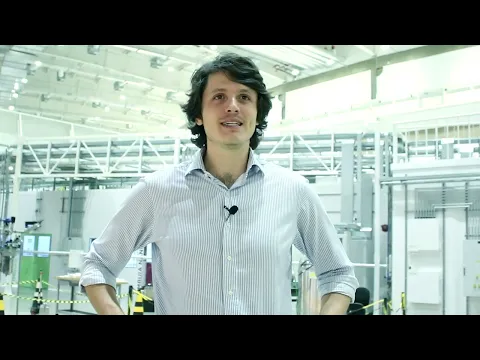

Sirius is not only an engineering achievement but also a significant advance for science in Brazil and in Latin America. It enables research in various fields, from drug development to new energy sources, thanks to its ability to observe materials at the molecular and atomic levels. The building’s stability is crucial for maintaining the alignment of the equipment and the quality of the produced synchrotron light, making Sirius a global reference.
-
Antarctica reveals an unusual clue high in the Hudson Mountains, and what appeared to be just an isolated rock began to expose a secret hidden under the ice for ages.

-
Salaries of up to R$ 25,000, a shortage of professionals, and exploding demand in 2026 make the no-code automation specialist one of the most sought-after careers in Brazil, even without requiring a degree or programming knowledge.

-
The first commercial-scale hydrogen-powered brick factory will be established.
-
Goodbye to the noisy exhaust fan: silent and smart technology transforms modern kitchens with more comfort, design, and efficiency in everyday life.


A Milestone in Brazilian Engineering and Science
The Sirius Project is a brilliant example of how complex engineering challenges can be overcome with innovation and effective partnerships. It not only raises the standard of scientific infrastructure in Brazil but also positions the country on the global map as a leader in scientific research and development. This project is a testament to Brazil’s potential and capacity to contribute significantly to global scientific advancement.
Overview of CNPEM
CNPEM is a research organization located in Campinas, São Paulo. It is an internationally recognized center of excellence dedicated to research and development in the fields of energy, materials, biotechnology, and nanotechnology. CNPEM operates under the supervision of the Ministry of Science, Technology, and Innovations of Brazil.
CNPEM hosts four national laboratories:
- National Synchrotron Light Laboratory (LNLS): Focused on research using synchrotron light, an extremely bright light source that allows visualization of the molecular and atomic structure of materials.
- National Nanotechnology Laboratory (LNNano): Dedicated to the development of nanotechnology and its applications.
- National Bioengineering Laboratory (LNBio): Concentrates on biological and biotechnological research.
- National Biorenewables Laboratory (LNBR): Specializes in research on biomass and its conversion into bioproducts and bioenergy.
CNPEM is a hub for research and innovation, contributing significantly to Brazil’s scientific and technological advancement. The research conducted at CNPEM has applications in various fields, including health, environment, renewable energy, and new materials. The center also collaborates with industry for the development of innovative technologies and products.







Seja o primeiro a reagir!