Portuguese
  Spanish


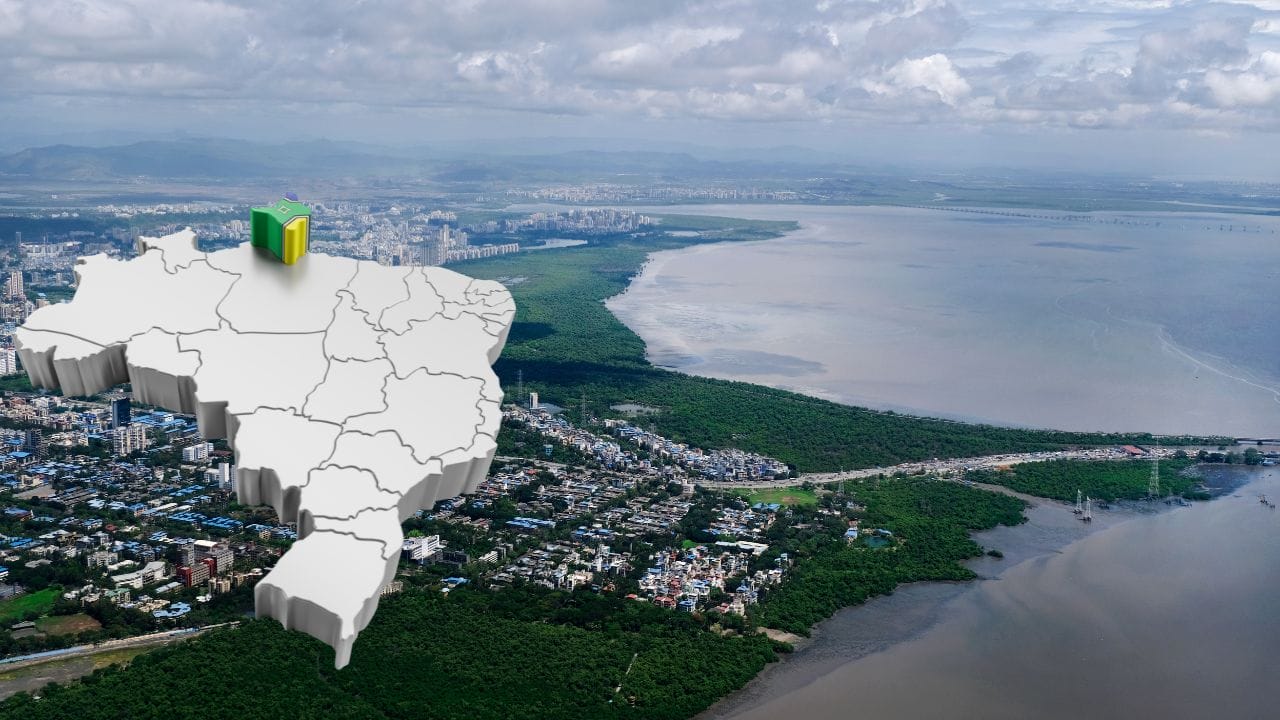


With Over 140,000 Km², Amapá Only Became a Real State in 1988, with the New Brazilian Constitution. Before That, It Was Just a Piece of Pará.
Well, Amapá is a case apart in Brazil. You can’t just take your car and drive there because there is simply no highway connecting Amapá to the rest of the country. Want to get there? Then get ready to take a ferry or a plane, because by car, only if it’s flying!
If you are one of those who loves an adventure, there is a way to get to Amapá by car, but it is a true trip around the world: you have to go to Roraima, pass through Guyana, cross the coast to Suriname, and then take a ferry. Phew, you got tired just thinking about it, right?
Cross-Border Bridge: Amapá and French Guiana Connected
In 2011, the cross-border bridge between French Guiana and Amapá was inaugurated, creating a direct connection with another part of the world. But, entering French Guiana is not easy, you know? Immigration rules are much stricter than going to mainland France, especially now with the crisis between Venezuela and the neighboring country.
-
The Port of Itaqui closes the best first semester in history with over 17 million tons and takes off as the locomotive of the Northern Arc.

-
Brazil’s North-South Railway to Auction Two Grain Terminals in Central Tocantins

-
AI-powered traffic cameras in São Paulo now issue fines for cellphone use and seatbelt violations around the clock

-
Free Upgrade to Professional Driver’s License Categories in Over 130 Locations in Brazil, Including Exams and Courses



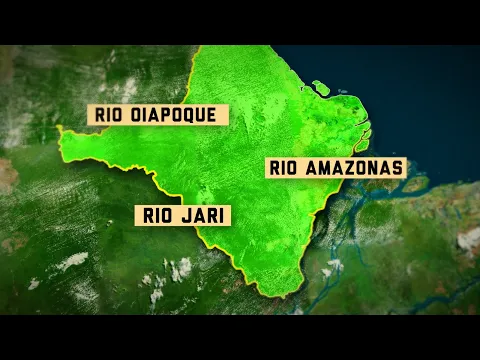

Amapá has had its issues with France in the past; after a lot of trouble and negotiation, only in 1900 did Switzerland arbitrate the border between Brazil and France in the region. And even with the new bridge, Amapá remains a very isolated state, surrounded by water on all sides and with 72% of its territory covered by forests.
Amapá’s Economy: Between Nature and Necessity
The economy of Amapá is focused on the primary sector, with an emphasis on mineral and vegetable extraction. But due to its geographical isolation, there isn’t much heavy industry there. Most of the population is concentrated in the capital, Macapá, and the state faces unique challenges due to its location and characteristics. A state full of challenges, but also of natural beauty and a very interesting history. Isolated, yes, but with a unique identity in our Brazil.