





 English
  Francês
  Alemão
  Italiano
  Japonês
  Norueguês
  Portuguese
  Spanish
  3 min of reading
  0 comments


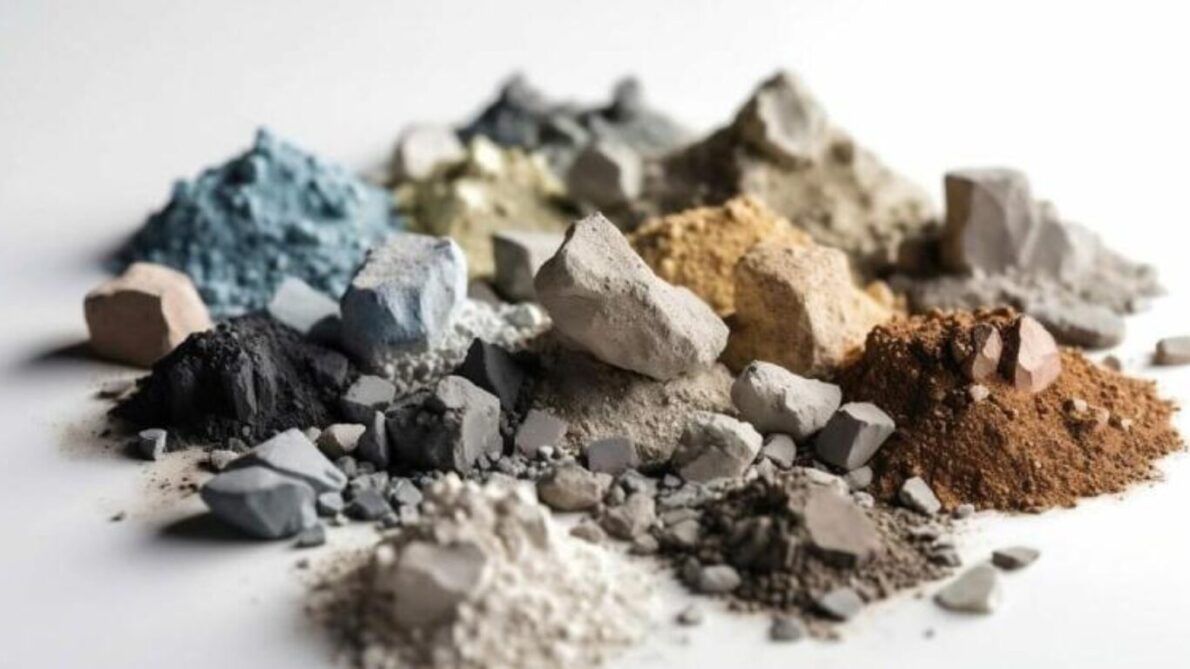
With Large Reserves and Little Strategy, The Extraction of Minerals for Energy Transition Brings The Same Dilemmas as Other Exploratory Cycles
The so-called critical minerals, essential for the energy transition, are the new focus of major economic powers. Materials such as lithium, nickel, cobalt, copper, graphite, and rare earths have become vital for economic security and the transformation towards a low-carbon economy. Countries like China and the United States prioritize these minerals to ensure their economic security, while the European Union and Canada see them as the key to a sustainable future, according to the site jota.
Brazil, with its vast reserves of niobium, graphite, rare earths, and nickel, is in a privileged position. The country holds 94.12% of global niobium reserves, 22.42% of graphite, 16.15% of rare earths, and 16% of global nickel. These natural resources, essential for the production of batteries and power transmission lines, position Brazil as a crucial player in the race for a green economy.
Challenges of a Familiar Problem: The Lack of Strategy and The Risk of Repeating Mistakes
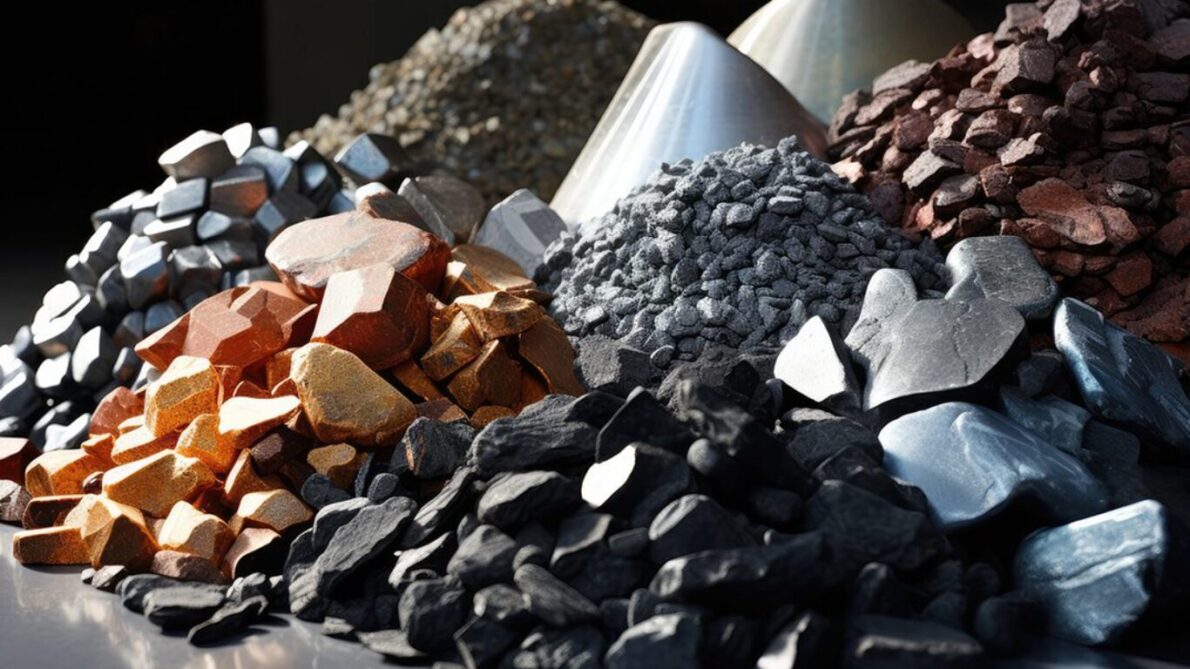
Despite the immense potential, Brazil faces historical challenges in mineral exploration. The lack of a clear strategy and reliance on exporting raw materials without added value threaten to repeat the mistakes of previous exploration cycles. Elaine Santos, a researcher at USP, highlights the lack of cohesion between government, companies, and other actors in defining a national strategy. The country finds itself at a crossroads between following the traditional path of a major exporter of minerals or developing a local green industry that could ensure greater long-term economic development and create quality jobs.
-
Historic bankruptcy of Centauro shocks the market, and the century-old company puts more than 500,000 products, machines, and complete infrastructure up for online auction.
-
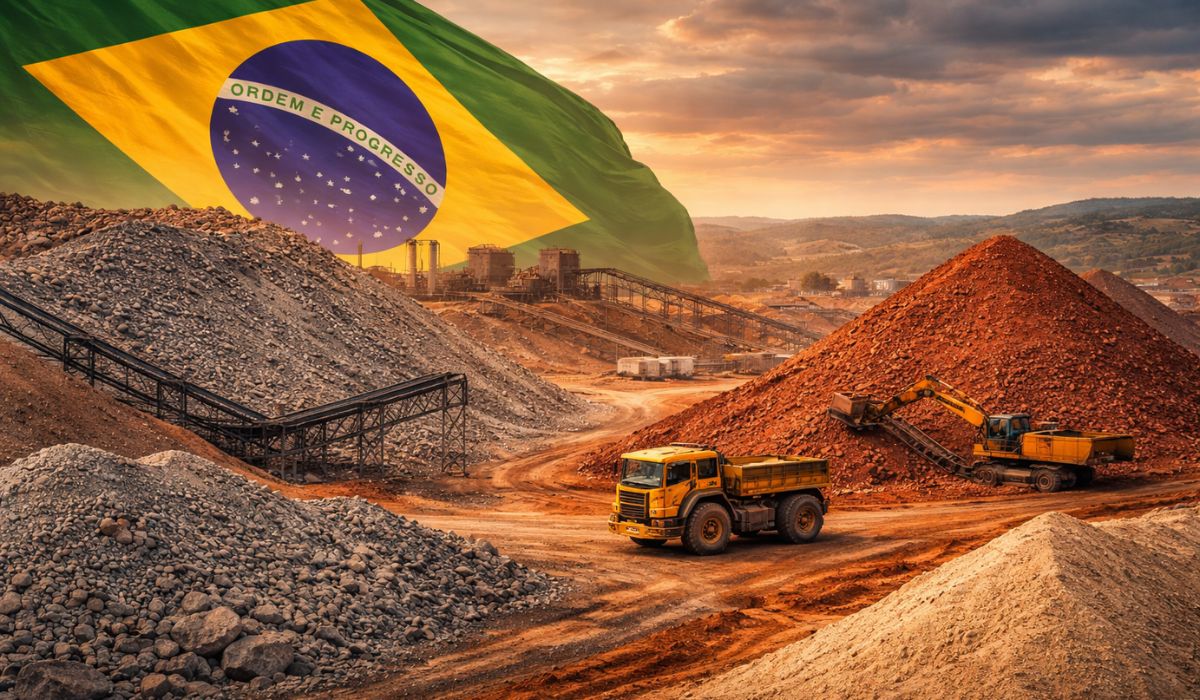
Brazil extracts 26.3 million tons of ore from what was previously treated as waste, transforming residues into wealth, producing over 3 million tons of sand, and demonstrating how national mining is relearning to generate value.
-
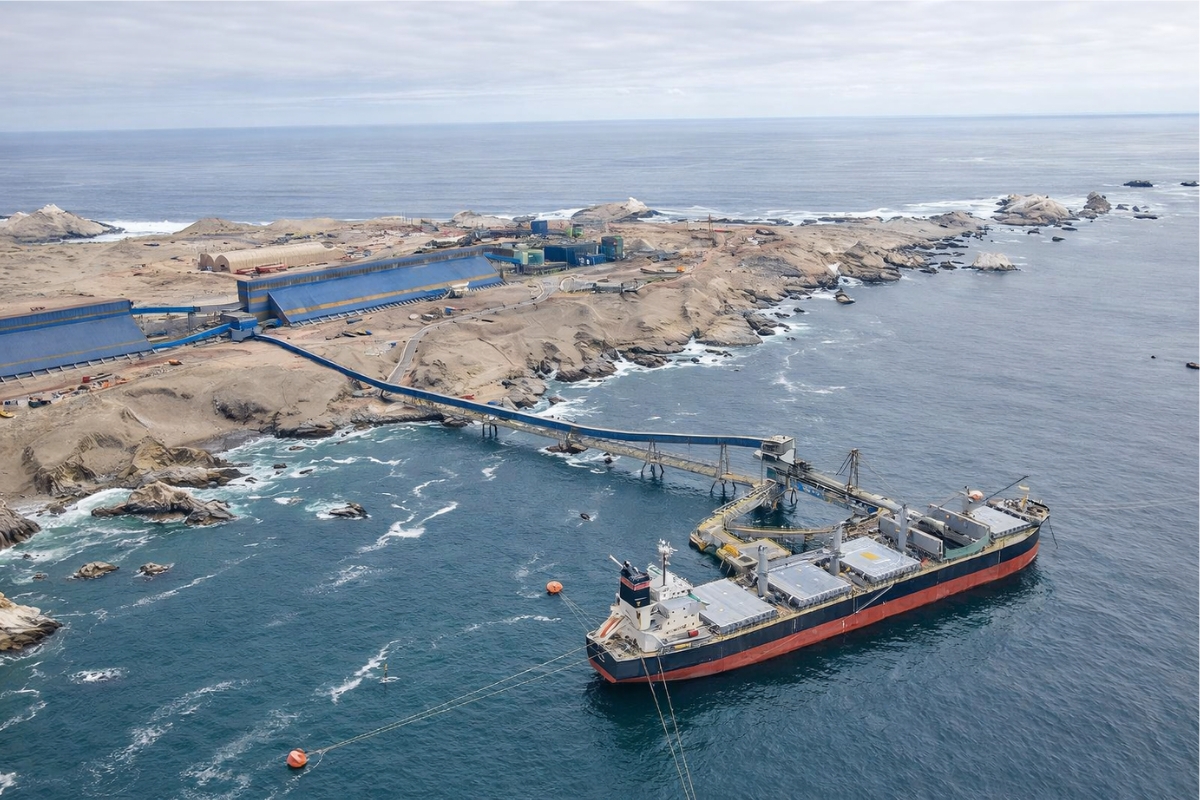
A $3.5 billion megaproject in Latin America pumps desalinated seawater at 1,050 liters per second over 194 km to keep a copper supermine in the Andes operational for another 20 years.
-
New shoe factory in Ceará is expected to create 400 jobs and strengthen the local economy.

Additionally, the country’s geological knowledge is still limited. Only 48% of Brazilian territory is mapped, and the areas richest in minerals, such as the Amazônia, are the least studied. This situation hinders the efficient and safe exploration of deposits, raising risks for investors and the potential for environmental damage.
Risks and Regulation: Lessons from Past Disasters
Mineral exploration in Brazil carries a history of environmental disasters and regulatory failures. The dam failures in Mariana and Brumadinho and the collapse of rock salt exploration in Maceió highlight the sector’s fragilities. These events not only caused environmental destruction but also profoundly affected local communities, emphasizing the need for more stringent regulation and a sustainable model for the exploration of strategic minerals.
The pressure to explore sensitive regions, such as Indigenous Lands and Conservation Units, adds a layer of complexity to the challenge. Environmentalists warn of the need to protect these areas and implement stricter environmental licensing. However, the inclusion of projects in high-risk areas, such as gold exploration in the Volta Grande do Xingu, shows that the country still has a long way to go in balancing economic development with environmental and social preservation.
Brazil stands on the brink of a new era of mineral exploration, with the potential to lead the global energy transition. However, without a clear and sustainable strategy, it risks repeating the same mistakes of the past, where natural wealth benefited a few and left a trail of inequality and environmental degradation.






Seja o primeiro a reagir!