





 Portuguese
  English
  Spanish
  4 min of reading
  0 comments


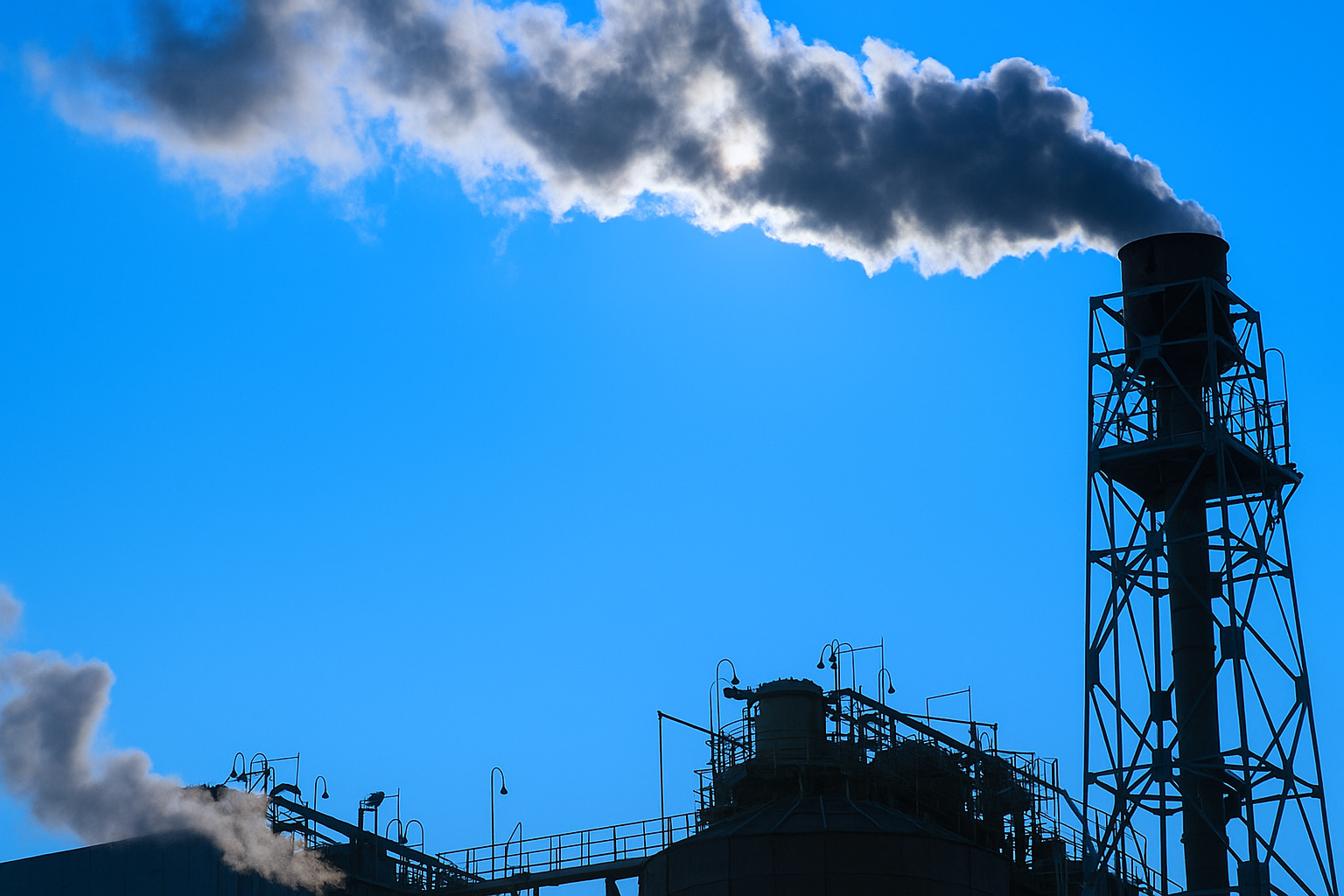
Clean Energy Promises Challenge The Consolidated Power Of The Oil Industry And Shape The Global Energy Future With Innovation And Sustainability.
Since the beginning of the 21st century, clean energy promises have become the symbol of a more sustainable future. Governments, companies, and international organizations have come to see renewable sources not just as an alternative to oil, but an urgent necessity in the face of the climate crisis.
However, behind this advancement lies a silent and intense dispute. The energy transition challenges deeply rooted interests in the global economy.
The oil industry, responsible for fueling industrial growth and development over the past decades, finds itself at a crossroads. On one side, there is pressure to reduce greenhouse gas emissions. On the other, the economic dependence of producing countries and companies that still control a large part of the global energy supply.
-
A Canadian retiree creates a hydroelectric system on a real river, generating energy continuously throughout the day and demonstrating how the power of water can supply a house with stability even in a simple structure.

-
Petrobras reaffirms its commitment to the market and ensures that it will carry out the energy transition safely to maintain national sovereignty.
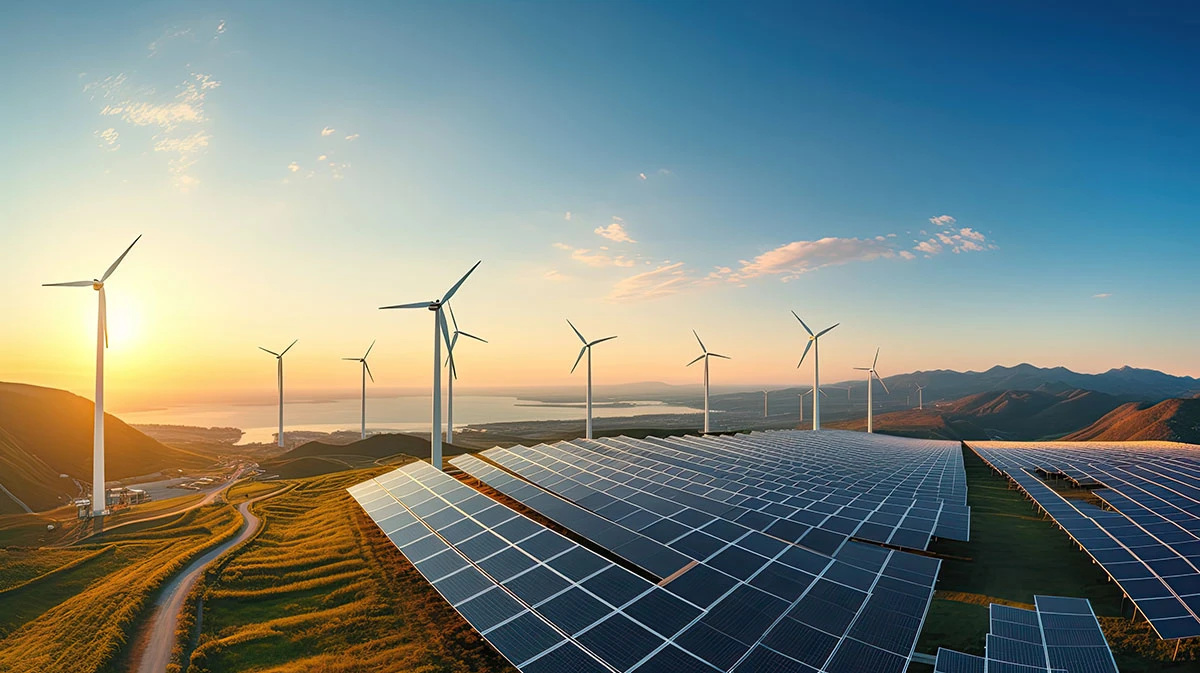
-
Researchers discover a possible hydrogen deposit of up to 46 million tons beneath an ancient coal basin, and the volume could exceed half of the entire global production.

-
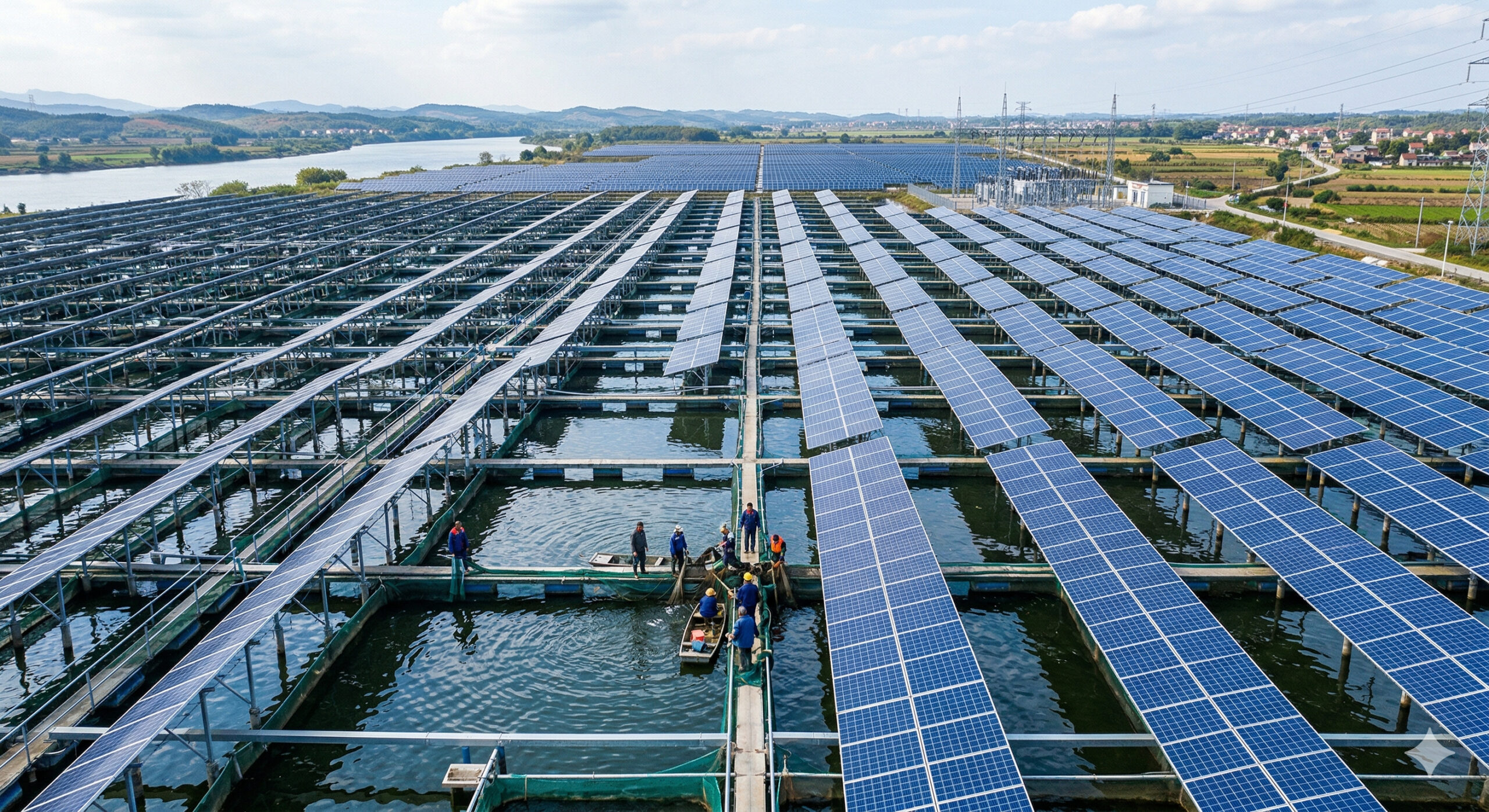
China bets on the Fishery-PV model and transforms fish farms into giant solar plants, covering ponds with panels that generate energy while utilizing the same space for large-scale aquaculture production.

The Origin Of Clean Energy Promises
The search for clean energy sources is not recent. As early as the late 19th century, scientists and inventors were experimenting with ways to harness energy from the sun and wind. However, it was only after the oil crises in the 1970s that the debate gained political and economic traction.
The temporary oil scarcity in that decade revealed the fragility of the global system, driving research into alternatives such as solar energy, wind energy, and, later, biogas.
Still, oil maintained its dominance due to established infrastructure and high accumulated investments.
Over the years, the environmental issue has increasingly influenced global energy policies. The emergence of international agreements, such as the Kyoto Protocol and the Paris Agreement, pressured governments and companies to rethink the fossil fuel-based model.
The Economic Power Of Oil And Resistance To Change
Even in the face of growing environmental awareness, oil still generates trillions of dollars each year. It sustains economies, funds public policies, and ensures the stability of major exporting nations.
For this reason, the transition to renewable sources faces obstacles not only technical but also political and economic. The oil industry exerts direct influence over strategic decisions and the pace of energy transformations.
Oil companies, aware of the advancements in clean energy promises, have started investing in renewable energy. However, often these investments are small compared to the profits made from fossil fuel exploitation.
This behavior raises doubts about the sector’s real willingness to promote a just and rapid transition. While some companies are investing in wind and solar farms, a large part of global energy production still comes from polluting sources.
The Role Of Technological Innovation And Sustainable Investments
Technological progress plays a central role in this debate. As the cost of renewable energy decreases, the competitiveness compared to fossil fuels increases.
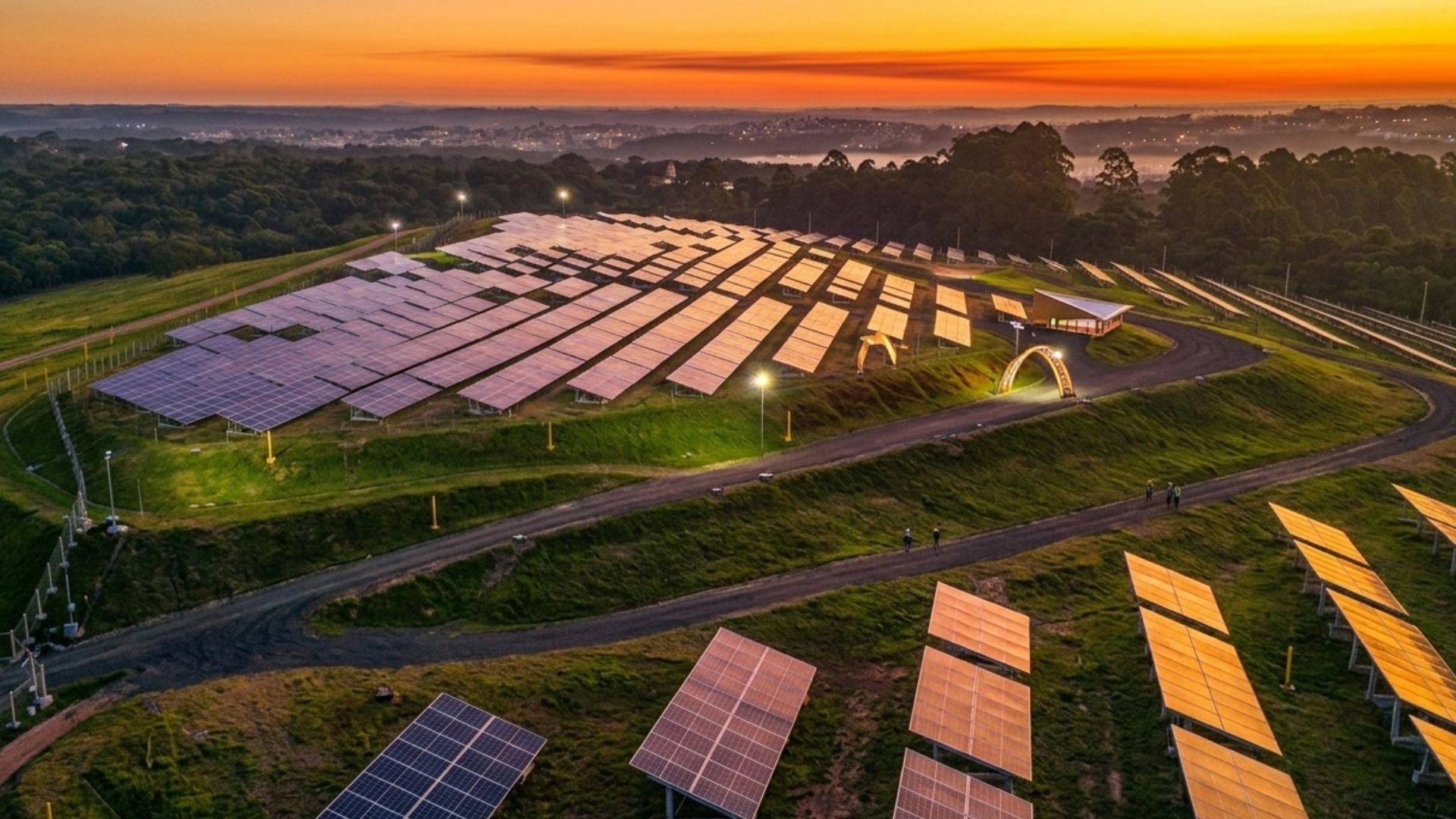
Solar energy, for example, has become much more accessible in the past two decades. Today, various developing countries, including Brazil, are advancing in the renewable matrix expansion.
Moreover, advancements in energy storage, electric mobility, and green hydrogen open new perspectives for the future. These elements reinforce the potential of clean energy promises as a driving force for economic and social growth.
However, the transition requires long-term planning and consistent public policies. Without a solid regulatory framework and adequate incentives, the growth of renewable sources tends to be uneven.
The Energy Transition And The Global Future
The true energy transformation depends on a balance between economic growth, social inclusion, and environmental preservation.
In this scenario, clean energy represents more than just a technological innovation. It symbolizes a cultural and political shift capable of redefining how societies produce and consume energy.
The future of the transition, therefore, is not limited to replacing one source with another. It involves reassessing the development model and the role of energy in collective well-being.
The success of these clean energy promises will depend on international cooperation and the political courage to face the interests that still sustain oil.
Meanwhile, the world remains divided between the old fossil paradigm and the opportunities of the green economy.
What is at stake is not just energy efficiency, but the environmental and social survival of future generations.
History shows that major changes take time, but also determination and vision.
For this reason, the energy transition is, above all, a promise that needs to become a reality.








Seja o primeiro a reagir!