





 Portuguese
  English
  Spanish
  4 min of reading
  0 comments



In A Context Of Geopolitical Tensions, Brazil Received One Hundred Spike LR2 Missiles, Strengthening Its Anti-Tank Capacity. The Acquisition, Part Of A Partnership With Israel, Aims To Strengthen National Defense On The Northern Border And Modernize The Armed Forces. The Creation Of A Mechanized Unit In São Paulo Marks A Robust Strategy Against Potential External Threats.
Amid A Scenario Of Geopolitical Tensions In South America, Brazil Has Just Significantly Reinforced Its Defense Capability.
A Batch Of Highly Sophisticated Weapons Has Arrived In The Country, But What Motivated This Acquisition And What Will Be The Impact On Brazilian Military Forces? The Revealed Details Point To A Strategy That Blends Precaution And Modernization.
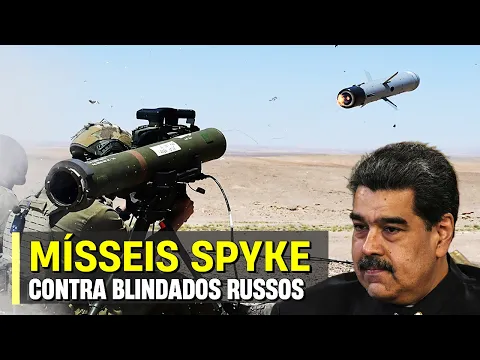
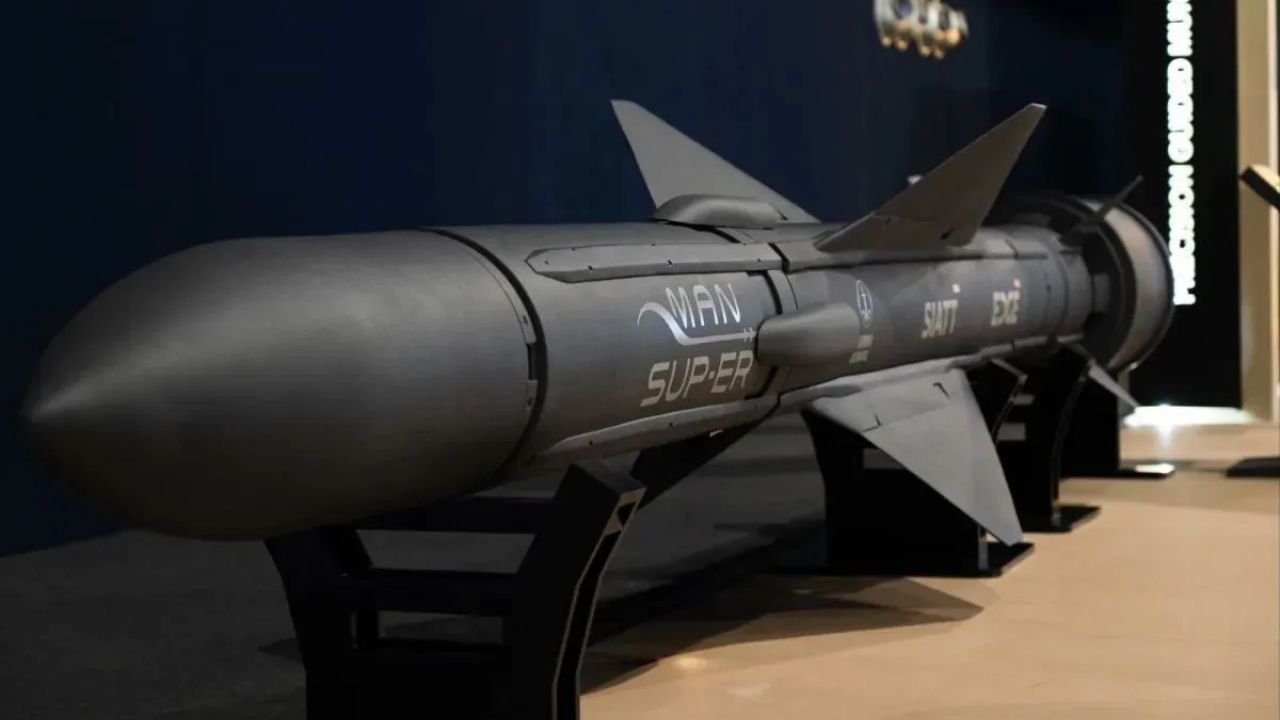
The Brazilian Army Received A Shipment Of One Hundred Spike LR2 Missiles, Manufactured By Israel, Known For Their Precision And Effectiveness In Anti-Tank Combat.
-
Airfare prices may rise with increasing fuel costs, and the government is considering urgent measures to avoid a direct impact on the wallets of Brazilians.
-
Chocolate prices soar nearly 15% and become a luxury item for Easter 2026, with increases surpassing inflation and changes in Brazilian consumption habits.

-
The Federal Revenue issues a good alert for Brazilian taxpayers: 60.9% are already using the pre-filled tax return, automatic refunds via Pix reach millions, and the government plans for a fully automated income tax in the coming years.

-
India announces a plan of $3.06 billion to bring aviation to forgotten regions: 100 new airports, $1.07 billion in subsidies, and regional routes guaranteed for 10 years, from 2026 to 2036, away from the centers.

The Delivery Took Place In Rio de Janeiro About A Month Ago, Transported By A KC-390 Aircraft Of The Brazilian Air Force (FAB).
This Information Was Confirmed By The Newspaper O Estado de S. Paulo, Which Highlighted The Importance Of This Acquisition For National Security.
Tense Geopolitical Context
This Transfer Of Weapons Occurs At A Time Of Growing Concern About Venezuela’s Actions In The Essequibo Region, Territory Disputed With Guyana.
According To Estadão, There Are Reports That About 200 Venezuelan Armored Vehicles, Including T-72 Tanks And Russian-Made BMP-3, Are In The Area.
However, Brazilian Authorities And Sources Linked To Venezuelan Diplomacy Deny The Presence Of Such Vehicles In The Area.
The Instability In The Region Has Increased Following Statements And Actions By Nicolás Maduro’s Government, Which Faces National Elections Scheduled For July 28.
The Territorial Dispute And The Increased Military Presence In The Area Generate Concern Not Only For Guyana But Also For Neighboring Countries Like Brazil.

Delays And Adjustments In The Delivery Of The Spike LR2
The Spike LR2 Missiles Were Acquired In 2021, With Delivery Initially Scheduled For October 2022.
However, The Arrival Experienced Delays Due To Changes In The International Scenario, Including Russia’s Invasion Of Ukraine And The Escalation Of Conflicts In The Middle East, Such As Hamas Attacks Against Israel.
These Events Prompted Adjustments To The Delivery Schedule And Military Equipment Production In Israel.
Furthermore, The Increasing Threat From Maduro To The Essequibo Region Also Influenced Brazilian Defense Strategy.
The Missiles Came Directly From Tel Aviv To Brazil, In An Operation That Involved Strategic Coordination And Logistics Between Israeli And Brazilian Forces.
New Anti-Tank Company In The Interior Of São Paulo
Another Relevant Measure Is The Creation Of A New Anti-Tank Company, Which Will Be Based In The Interior Of São Paulo, In A Location Yet To Be Determined.
According To Information Released By The Brazilian Army, The Unit Will Integrate The 11th Infantry Brigade And Will Be Mechanized, Reflecting The Strategic Planning For The 2024-2027 Cycle.
This Decision Aligns With The Need To Concentrate Advanced Equipment In A Centralized Unit, Especially In Light Of Resource Scarcity And External Threats.
Investments Of R$ 2.5 Billion Are Planned For Armored Forces Over The Next Three Years, With The Acquisition Of New Missiles And Vehicles.
Strategic Reinforcement On The Northern Border
In Addition To The New Unit In São Paulo, The Brazilian Army Has Sent MSS 1.2 AC Missiles To Roraima, Reinforcing Defense On The Border With Venezuela.
This Strategic Move Is Part Of The Strategic Program “Armored Forces,” Aiming To Increase The Country’s Operational Capacity In Sensitive Regions.
The 1st Mechanized Anti-Tank Missile Company Will Be Equipped With Medium-Range Spike And MSS 1.2 AC Missiles, And Will Have 120 Trained Military Personnel To Operate The Advanced Combat Systems.
This Structure Represents A Qualitative Leap In National Defense And Response Capability To External Threats.

Cooperation With Israel And The Acquisition Of Armored Vehicles
The Relationship Between Brazil And Israel Has Intensified In Recent Years, With Positive Results In The Defense Sector.
In Addition To The Missiles, The Brazilian Army Acquired 36 Armored Vehicles Manufactured By Israel.
Although The Contract Was Temporarily Suspended In May 2024, The Delivery Of The Missiles Continued Without Interruption.
The Goodwill Of Israel, Aligned With The United States, Demonstrates Confidence In Bilateral Relations And Military Cooperation Between The Two Countries.
This Partnership Is Essential For The Modernization Of The Brazilian Armed Forces And For Strengthening Its Defense Capacity In Complex Scenarios.
What To Expect Next?
With Tensions In South America Still High And The Modernization Of The Armed Forces Underway, Brazil Seeks To Balance Its Defensive Stance With The Need To Deter Potential Threats.
Investment In Cutting-Edge Equipment, Such As The Spike LR2 Missiles, Signals A Strategic Preparation To Face Challenges In The Short And Long Term.
And You, What Do You Think About Strengthening Brazilian Defenses? Leave Your Opinion In The Comments And Join This Discussion!







-

-

5 pessoas reagiram a isso.