





 Portuguese
  English
  Spanish
  3 min of reading
  0 comments



The Home Insurance for Electrical Damage Covers Losses Due to Climate Events. It Allows for Compensation and Recourse Action Against the Utility Company, According to Article 786 of the Civil Code.
Home insurance is essential to protect your home against various incidents, including electrical damage caused by climate events such as lightning strikes and severe storms. These phenomena have become more common and intense, significantly increasing risks to property security. By purchasing home insurance, the insured is guaranteed that any losses resulting from these events will be minimized, with adequate coverage to restore the damaged property.
The home policy offers specific coverage in cases of climate events, which is crucial in times of climate instability. This type of home insurance allows for not only compensation for the damages suffered but also enables recourse actions against the utility company, as provided in Article 786 of the Civil Code. Contracting such insurance is an essential investment to ensure the peace of mind and protection of your home.
Lightning strikes, flooding, among other occurrences have caused a significant increase in damages and losses to the population. In Brazil, a recent example occurred in Rio Grande do Sul, where floods resulted in several serious claims, the amounts of which are still being calculated.
-
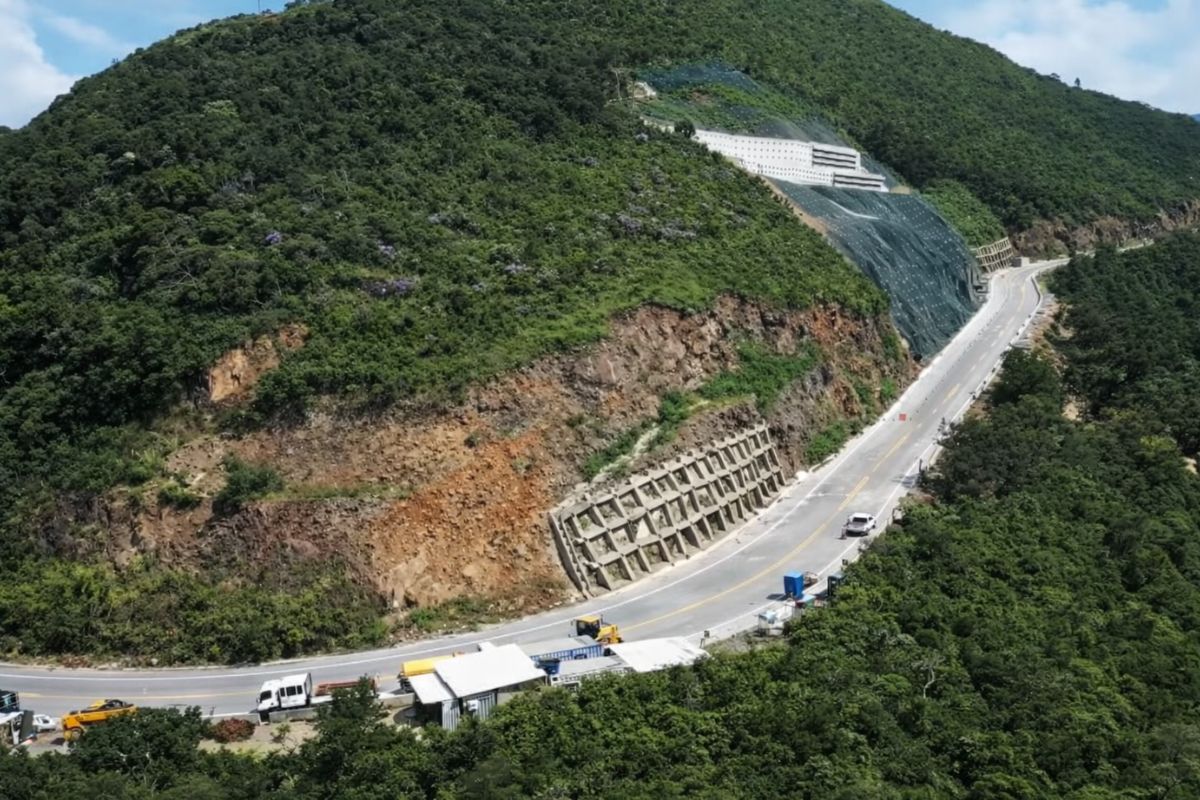
The section of Serra da Rocinha on BR-285 is now open in Timbé do Sul: 50 m tensioned curtains and top-down technique stabilize the slope, with a stairway duct controlling the water.
-
Scientists use sawdust mixed with clay to create a lighter brick, promising efficient thermal insulation and impressing by transforming waste into a solution for construction.

-
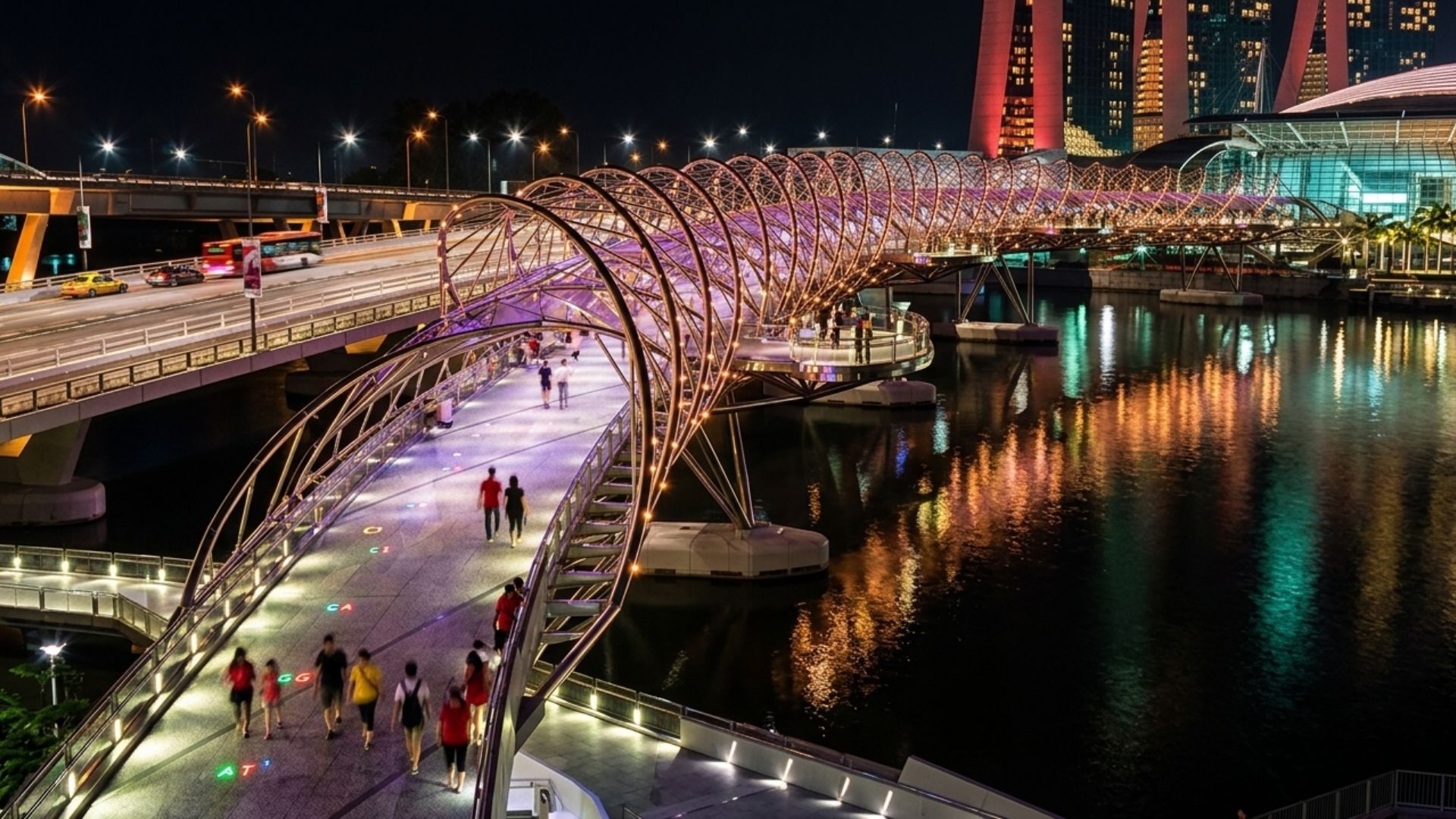
With a DNA shape, this bridge in Singapore draws attention in modern architecture and surprises tourists by transforming a simple crossing into an unforgettable visual experience in the urban heart.
-
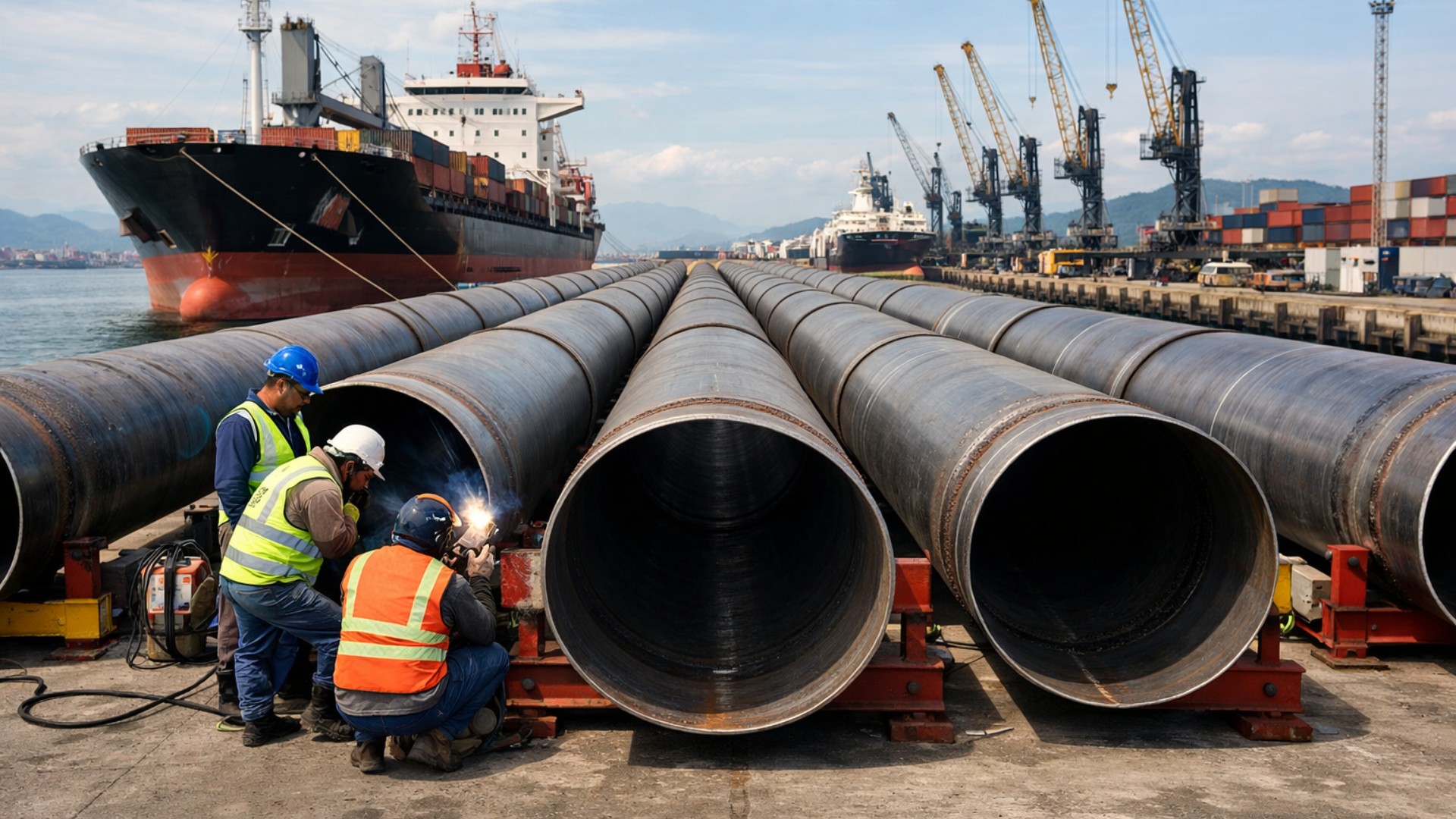
Giant underwater pipeline begins to take shape with a R$ 134.7 million project at the Port of Santos: the 1.7 km structure uses 12-meter and 700 mm pipes to supply water to 450,000 people in Guarujá.

Civil Liability and Indemnity Products
Due to the numerous losses, questions arise regarding civil liability to indemnify victims and affected companies. In this context, it is essential to understand and know the indemnity products that can be contracted, such as home insurance. This insurance aims to secure the insured property, that is, the home, through various coverages, including electrical damage.
Differences Between Home Insurance and Housing Insurance
It is important to note that home insurance is different from housing insurance. Housing insurance aims to secure the financing of the property in the event of a loss during the financing period. Upon completion of the financing, the insurance ends. On the other hand, home insurance is intended for continuous protection of the property, that is, the residence, through the contracted coverages, such as coverage against electrical damage.
Climate Events and Electrical Damage
For climate events such as heavy rains and lightning strikes, home insurance provides specific coverage for electrical damage. This coverage should be triggered in cases of electrical damage suffered in the insured’s home, such as the burning of equipment due to lightning strikes or flooding.
Claiming Home Insurance by the Insured
When claiming electrical damage coverage, the insured must notify the insurer, which will verify the occurrence of the loss and may indemnify up to the limit of the insured amount (IS). In cases where electrical damage results from heavy rains and lightning strikes, insurers have the right to recourse action, allowing them to seek reimbursement of the amounts spent on the insured against the electric utility.
Judicial Demand and Causal Link
Once the judicial demand is filed, the causal link between the damaging event and the claim is analyzed. The evidence of the link between the damaging event, the burning of electronic equipment, and the liability of the electric utility is established through the evidence produced in the process. Crucial elements include the meteorological report obtained by court order, detailing the weather conditions on the day of the claim, and the technical expertise carried out on-site.
Mechanical Authentication and Subrogation
After confirming the causal relationship and presenting all essential documents for the claim – especially the proof of payment to the insured with mechanical authentication – the insurer’s success in reimbursement will be determined. Thus, the insurer is entitled to reimbursement of the amount paid as subrogated concerning the party responsible for the loss, according to Article 786 of the Civil Code and Summary 188 of the STF: ‘The insurer has a regress action against the party responsible for the damage, for what it actually paid, up to the limit provided in the insurance contract’.
Bruna Carolina Bianchi de Miranda is a lawyer and coordinator of legal solutions at Rücker Curi – Legal Advice and Consulting.
Source: Cintia Vegas









Seja o primeiro a reagir!