





 Portuguese
  English
  Spanish
  5 min of reading
  1 comment


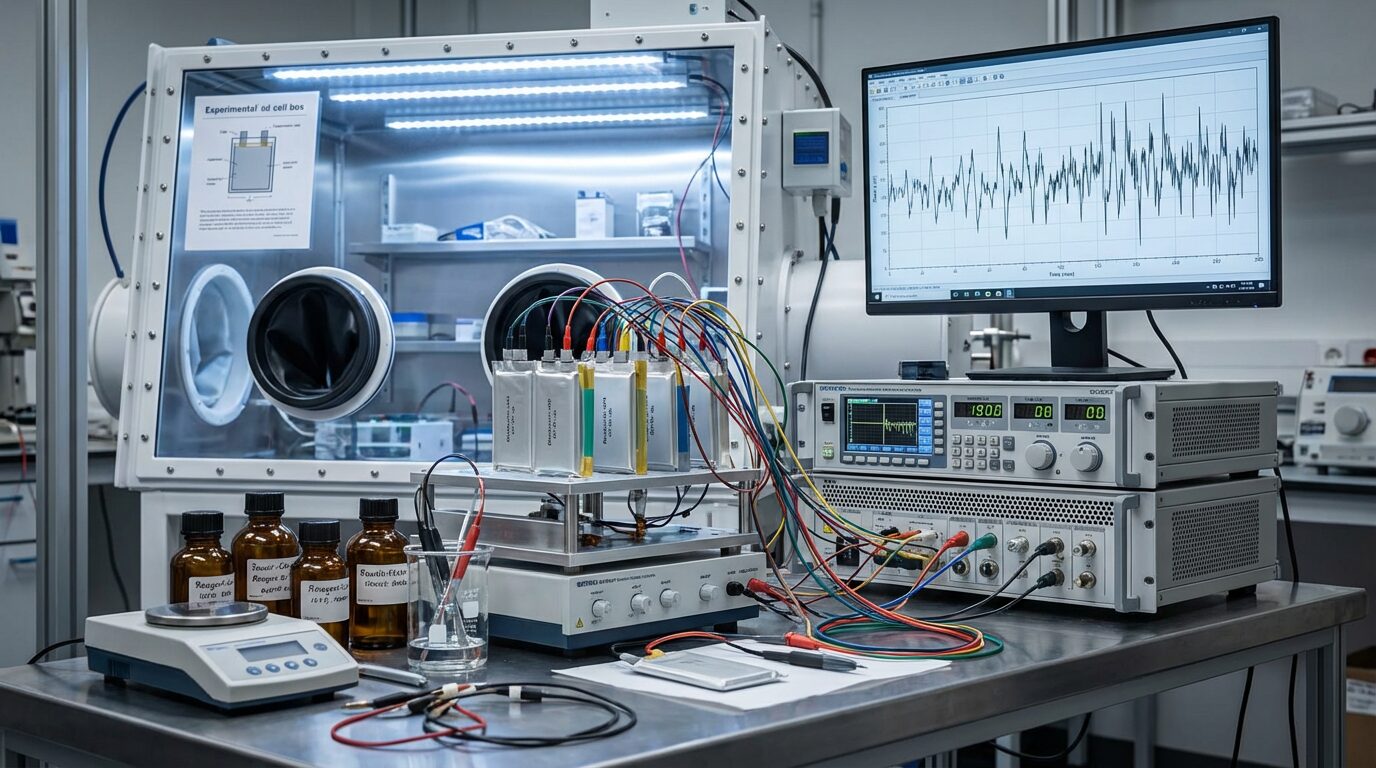

Researchers From UEL Develop Prototype of Sodium-Ion Battery With Transition Metal Additive to Enhance Performance and Lifespan. Focus on Stationary Storage and Cost Reduction Compared to Lithium, Aligned With Global Advances After Announcement by CATL in Early 2026.
The State University of Londrina (UEL) Presented Results of a Sodium-Ion Battery Prototype With High Performance and Long Lifespan Potential. According to UEL, the development takes place at the Laboratory of Thin Films and Materials (Lab Filmat), in a research line aimed at sustainable and competitive solutions for the energy transition.
The work is led by Professor Alexandre Urbano from the Department of Physics, who bets on the application of sodium especially in Electric Grids and Stationary Storage. This bet comes in the same context where the Chinese CATL announced, in early 2026, the first sodium battery aimed at large-scale commercial use, consolidating a technological trend.
According to Urbano, the goal is to offer a cheaper and more stable alternative to store energy generated by wind and solar sources, as well as for everyday uses when it makes technical and economic sense. Sodium is abundant and better distributed geographically, which can reduce extraction and logistics costs, critical points in the global battery market.
-
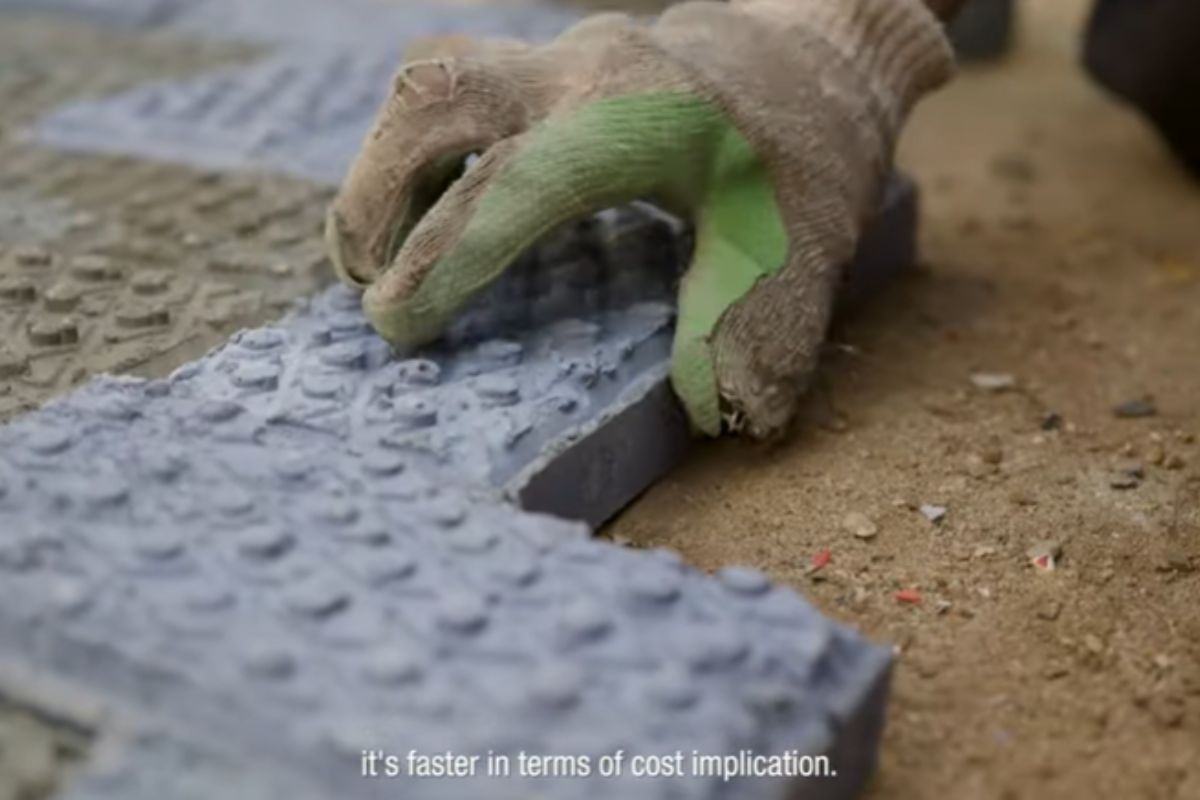
In Kenya, engineer Nzambi Matee created “bricks 2.0” using packaging plastic: a mixture with sand, heated and pressed; they are 5 times more resistant, already have official licensing, and are being used in streets and construction projects.
-
More than 20,000 positions could be opened, and thousands of technicians are starting to be trained in Brazil, as the expansion of data centers creates an urgent race for professionals to keep the internet, cloud, and artificial intelligence running 24 hours a day.

-
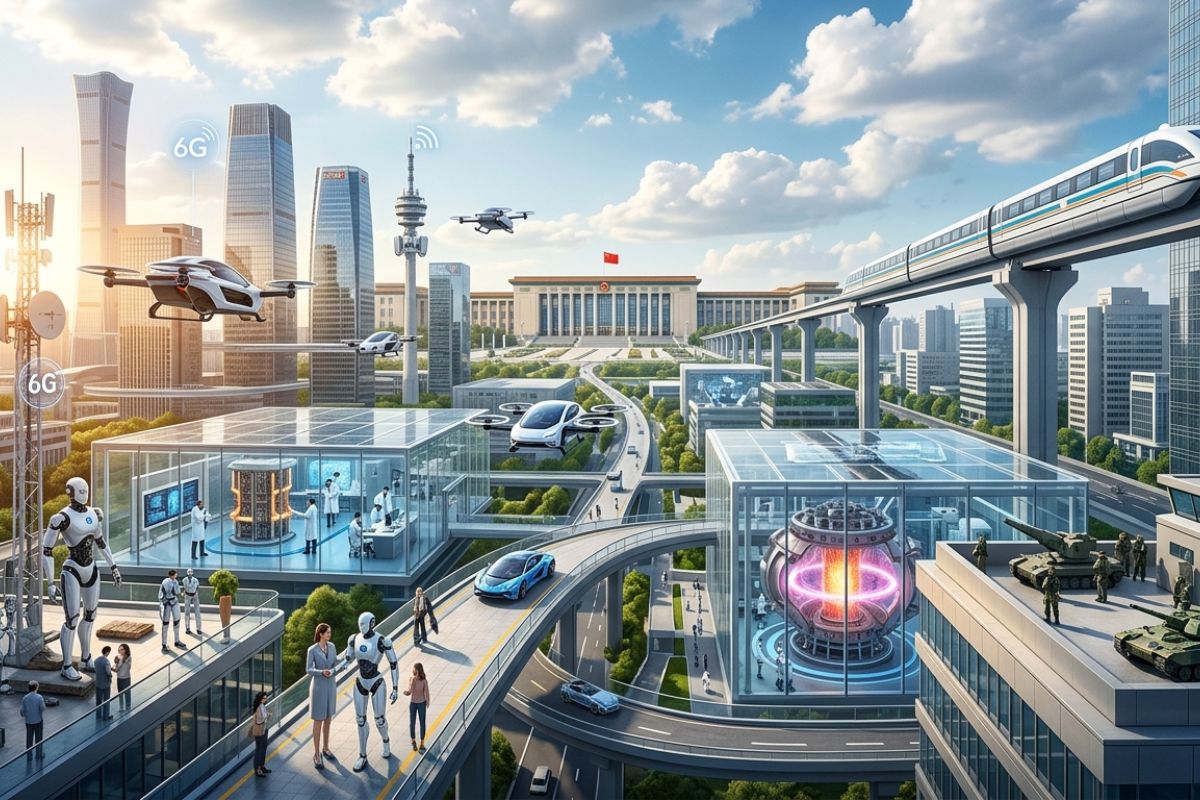
China approves the 15th Five-Year Plan 2026-2030 to become a global power: prioritizes brain implants, 6G with AI, humanoid robots, flying cars, quantum technology, and nuclear fusion, while strengthening defense and the economy.
-
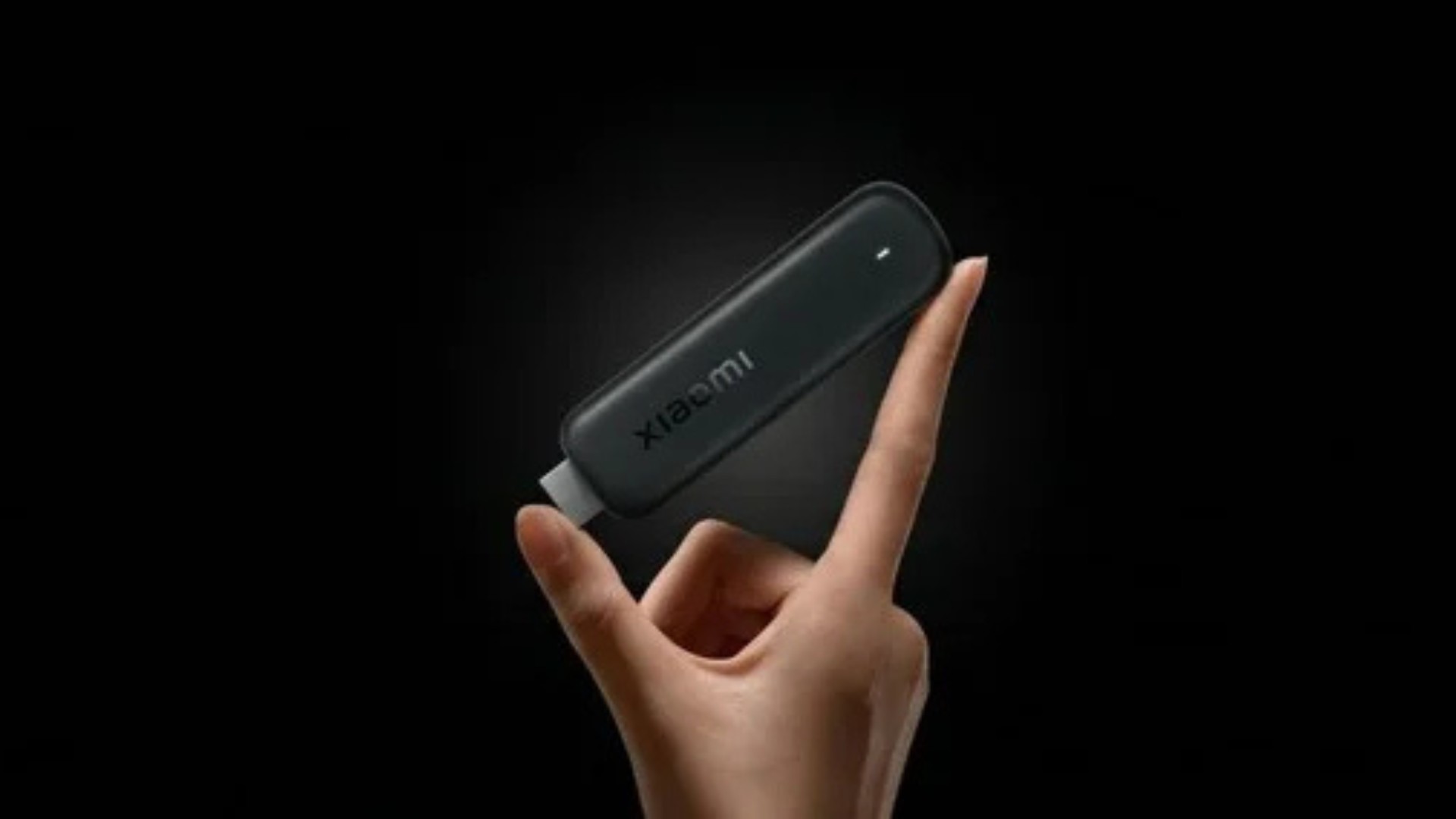
HONOR X80i arrives with a massive 7,000 mAh battery, a 120 Hz AMOLED display with a brightness of 6,500 nits, and the new Dimensity 6500 Elite chip, promising up to 22 hours of video playback and impressive performance in casual gaming.


UEL’s research adds to an international effort to reduce dependence on fossil fuels with robust storage technologies. The UEL Agency reports that the prototype is being continuously monitored, focusing on charge capacity and cycling metrics.
Why Sodium Batteries Gain Momentum: Abundance and Cost Play in Favor

(Photo: UEL Agency)
Although lithium batteries are currently the most popular, they face challenges regarding cost and, in some cases, the use of cobalt, a toxic metal common in high-performance applications. Sodium emerges as an option due to its abundance and potential to be cheaper, which is appealing for applications requiring large storage volumes.
Experts remind us, however, that sodium should not replace lithium in everything. The sodium ion is nearly three times heavier than lithium, affecting applications sensitive to weight, such as drones and high-performance vehicles. The trend, according to UEL, is complementarity between the chemistries, each used where it is most efficient.
Stationary Storage at the Center: Electric Grids and Curtailment in Europe
Urbano emphasizes that the most promising market for sodium is in stationary storage within electric grids. He recalls occurrences in Europe last year, in countries like Spain, Portugal, and parts of France, where blackouts for several days brought attention to the term curtailment, the temporary restriction of generation to prevent system failure.
In these scenarios, when production exceeds the grid’s capacity, the excess energy is often wasted. Batteries installed in storage parks allow the retention of excess energy and its return to the system during peak demand, smoothing out supply peaks and valleys.
According to UEL, the basic function of batteries is to store energy safely and deliver it reliably. Sodium technology may gain ground precisely where the cost per kWh stored and robustness weigh more than energy density.
Brazil Can Benefit: ONS Reduces Generation During Peaks and Battery Parks Prevent Waste
In Brazil, the National Electric System Operator (ONS) sometimes needs to block part of the energy from sources like wind to avoid overload and the risk of collapse, according to Urbano. The existence of sodium battery parks would help absorb this excess production and stabilize the system.
With a heavily hydroelectric matrix and the expansion of renewables, the country benefits from storage solutions that balance the grid and reduce losses. For the researcher, this is a natural space for the competitiveness of sodium.
What Is New in the UEL Prototype: Additive in Electrodes Improves Charge and Cycles
The differential of the prototype from Lab Filmat lies in the addition of a transition metal to the electrodes, which remains confidential as there is no patent yet, according to UEL. “We managed to introduce this metal as an additive to improve electrical performance and provide more stability,” says Urbano.
With the additive, the battery becomes more powerful in two key aspects, explains the professor. The first is the amount of charge stored, which determines the operating time until the next recharge; the second is the number of cycles, that is, how many complete charges and discharges the system can withstand before degrading.
“We have excellent prospects that the battery will last a long time,” evaluates Urbano, reinforcing the promise of lower cost compared to lithium due to sodium’s abundance. UEL states that the current focus is on refining the mixtures and consolidating stability over the cycles.
The prototypes are assembled in a dry chamber with an inert atmosphere to reduce contamination and environmental variables. In the laboratory, six batteries remain continuously connected, monitored by software that records performance curves in real time.
Various formulations have been tested, with variations in the type and proportion of metals in the electrodes. The goal is to find the combination with the best balance between capacity, efficiency, and longevity, without compromising operational safety.
Talent Development and Funding: Project Integrates the Napis EZC and Organic Electronics
In addition to technological innovation, the project fulfills a strategic mission of human resources training, emphasizes Urbano. The laboratory has trained masters and doctors in Materials Science, with high employability in Brazil and abroad, according to UEL.
The research receives support from New Arrangements for Research and Innovation (Napis), in the Zero Carbon Energy (EZC) and Organic Electronics areas. The funding helps maintain infrastructure, supplies, and dedicated teams for the scalability of the prototype and validation of production routes.
And now, your opinion matters. Should the sodium battery prioritize electric grids and stationary storage, or does it make sense to compete with lithium in mobility? Do the cost benefits and abundance of sodium compensate for the lower energy density in weight-sensitive uses? Leave your comment and join the debate on the future of energy storage in Brazil.






Tenho energia solar em casa, referente nao sei au que, pois me sobra todo dia bastante energia, e nada ganho com isto! Certamente essas baterias iriam me ser útil, para o armazenamento do que me sobra